
 Scan QR Code
Send My Request
Chemical Resistance of PE Plastic Bushes: What to Know
Tuesday, 12/9/2025
This article explains how PE Plastic Bushes perform in chemical environments, which chemicals they resist or do not tolerate, key factors that affect performance, testing and selection guidance, maintenance tips, and why Bost PE Plastic Bushes are a strong choice for industrial shaft protection.
- Chemical Resistance of PE Plastic Bushes: What to Know
- Why chemical resistance matters for a plastic bushing
- Understanding polyethylene and relevance to PE Plastic Bushes
- Common chemicals and how PE Plastic Bushes react
- Temperature, stress, and environment: factors that influence chemical resistance of a plastic bushing
- Design and application tips to maximize lifespan of PE Plastic Bushes
- Testing, standards, and how to validate a plastic bushing for your process
- Maintenance, inspection, and replacement guidelines for PE Plastic Bushes
- Why choose Bost PE Plastic Bushes for chemical-challenging environments
- Real-world examples: where PE Plastic Bushes perform well and where to exercise caution
- FAQ about chemical resistance of PE Plastic Bushes
- Contact us / View product
- References
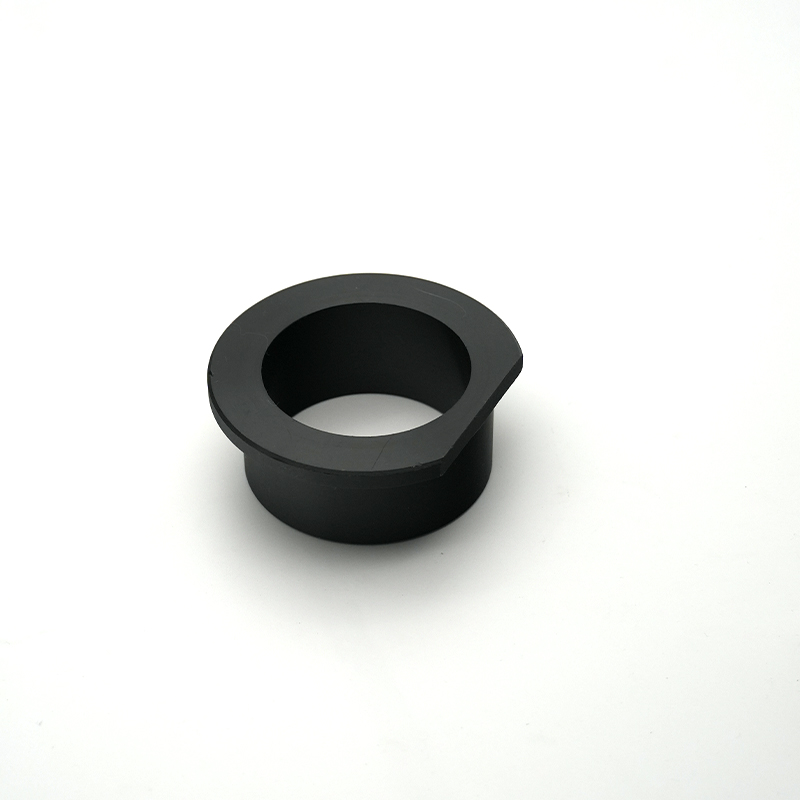
Chemical Resistance of PE Plastic Bushes: What to Know
Why chemical resistance matters for a plastic bushing
In industrial and mechanical applications, a plastic bushing is not just a wear part — it protects shafts, reduces friction, and can determine mean time between failures. When exposed to chemicals used in cleaning, processing, or the operating environment, bushes that lack adequate chemical resistance can swell, crack, soften, or lose load-carrying capacity. For PE Plastic Bushes specifically, understanding chemical compatibility helps you avoid downtime, reduce maintenance costs, and extend equipment life.
Understanding polyethylene and relevance to PE Plastic Bushes
Polyethylene (PE) is a widely used thermoplastic known for its toughness, low friction, and good resistance to many chemicals. Typical grades used for bushings include medium-density polyethylene (MDPE) and high-density polyethylene (HDPE). PE Plastic Bushes combine these polymer properties with engineering design to provide wear-resistant shaft protection and friction-reducing adaptation for machinery. Key material characteristics that affect chemical performance include crystallinity (HDPE has higher crystallinity than LDPE), molecular weight, additives, and processing (e.g., consolidation and annealing).
Common chemicals and how PE Plastic Bushes react
Below is a practical resistance guide for PE Plastic Bushes. Ratings are general and represent typical behavior of polyethylene in contact with common industrial chemicals. Always verify compatibility for your specific grade, temperature, concentration, and contact time by testing under application conditions.
| Chemical / Class | Typical PE Reaction | Practical Guidance |
|---|---|---|
| Water and steam (cold to warm) | Excellent | Suitable for general wet environments; avoid continuous high-temp steam above material temp limits. |
| Dilute acids (e.g., acetic, hydrochloric dilute) | Good to Excellent | PE resists most dilute inorganic and organic acids at ambient temperatures. |
| Dilute alkalis (e.g., sodium hydroxide) | Good | Generally compatible at moderate concentrations and temperatures. |
| Hydrocarbons (paraffinic oils) | Good | Paraffinic oils generally have low effect; check for swelling with aromatic solvents. |
| Aromatic hydrocarbons (benzene, toluene) | Poor to Limited | Aromatic solvents can cause swelling and softening; avoid sustained contact. |
| Chlorinated solvents (methylene chloride, trichloroethylene) | Poor | Often attack PE; do not expose bushings to these solvents. |
| Ketones and esters (acetone, methyl ethyl ketone, ethyl acetate) | Poor | Strong solvents that will typically attack polyethylene; avoid contact. |
| Oxidizing agents (concentrated nitric acid, chromic acid) | Poor | Strong oxidizers can degrade polymer chains; not recommended. |
| Sodium hypochlorite (bleach) | Limited | Low-concentration bleach may be tolerated short-term; prolonged exposure can cause embrittlement. |
| Alcohols (methanol, ethanol) | Good | Small alcohols are usually compatible, but check for additives and temperatures. |
Sources for the above guidance include industry chemical-resistance charts and material datasheets. The table is a general guide; for critical applications, perform sample testing under expected temperature, pressure, and concentration conditions.
Temperature, stress, and environment: factors that influence chemical resistance of a plastic bushing
Chemical compatibility of PE Plastic Bushes is not a single-value property. Several interacting factors determine outcome:
- Temperature: Increased temperature accelerates diffusion and chemical attack. A chemical that is benign at 20°C may attack PE at 80°C.
- Concentration: Higher concentrations of aggressive agents worsen effects. Dilute acids can be tolerated while concentrated acids may not.
- Mechanical stress: Tensile or compressive stress can make PE more susceptible to environmental stress cracking in the presence of certain chemicals.
- Exposure time and contact type: Intermittent splashing is less severe than immersion for days or weeks.
- Additives and fillers: Antioxidants, UV stabilizers, or fillers alter resistance. Bost PE Plastic Bushes are engineered with additives chosen to balance wear and chemical tolerance.
When selecting a plastic bushing for chemically challenging environments, evaluate the combined effects rather than relying on a single chemical compatibility table entry.
Design and application tips to maximize lifespan of PE Plastic Bushes
To ensure reliable performance in the presence of chemicals, follow these practical guidelines:
- Specify the exact chemical, concentration, temperature, and contact duration when consulting resistance charts or suppliers.
- Choose HDPE grades or engineered PE compounds for higher crystalline content and improved solvent resistance where appropriate.
- Use protective coatings or seals if the environment contains known aggressive solvents or oxidizers that would degrade PE.
- Minimize mechanical stress concentrations by ensuring correct bore tolerances and avoiding over-tight press-fits that can introduce stress cracking risk.
- Consider periodic inspection intervals based on exposure severity; replace before visible wear or dimensions fall outside acceptable tolerances.
Testing, standards, and how to validate a plastic bushing for your process
There are established test methods and standards used to assess chemical resistance and physical performance. Common references include:
- ASTM D543: Standard Practices for Evaluating the Resistance of Plastics to Chemical Reagents. This is widely used for bench-scale compatibility testing.
- ISO 175: Plastics — Methods of exposure to laboratory light sources, important for outdoor or UV-exposed applications.
- Manufacturer-specific tests: friction, wear, and dimensional stability tests under simulated service conditions.
For critical installations, request sample bushings for soak testing under actual operating conditions. Monitor weight change, dimensional change, hardness, and mechanical properties after defined exposure periods.
Maintenance, inspection, and replacement guidelines for PE Plastic Bushes
Routine maintenance helps detect chemical-related degradation early. Recommended practices:
- Visual inspections every scheduled shutdown: look for surface crazing, discoloration, softening, or cracking.
- Measure key dimensions such as inner diameter and wall thickness at intervals to track wear rates.
- Record operating chemicals, cleaning agents, and any process changes that could affect compatibility.
- Plan replacements based on wear rates rather than waiting for failure; PE bushings are cost-effective to replace and can prevent shaft damage.
Why choose Bost PE Plastic Bushes for chemical-challenging environments
Bost PE Plastic Bushes offer superior wear-resistant shaft protection and friction-reducing adaptation for enhanced machinery performance. Engineered for durability, these bushes minimize wear and extend equipment life, ensuring reliable and efficient operation in demanding industrial applications. Key brand advantages include:
- Material selection: Bost specifies PE compounds optimized for low friction and improved resistance to common industrial chemicals.
- Manufacturing quality: Tight dimensional control and consistent processing reduce internal stresses that could otherwise lead to environmental stress cracking.
- Application engineering support: Bost provides compatibility guidance and can assist with sample testing to validate a solution for your exact conditions.
- Cost-effective lifecycle: Long wear life combined with easy installation and replacement reduces total cost of ownership.
Combined, these advantages make Bost PE Plastic Bushes a practical choice for plants and equipment where moderate chemical exposure is expected along with mechanical wear.
Real-world examples: where PE Plastic Bushes perform well and where to exercise caution
Applications well suited for PE Plastic Bushes include conveyor idlers, agricultural machinery, packaging equipment, and many types of general-purpose bearings exposed to water, oils, and mild cleaning agents. Situations to approach with caution include contact with strong chlorinated solvents, concentrated oxidizers, and high-temperature ketones — in such cases, consider alternative materials like PTFE, PEEK, or engineered fluoropolymers, or provide protective barriers.
FAQ about chemical resistance of PE Plastic Bushes
Q1: Can PE Plastic Bushes be used with cleaning agents and detergents?
A1: Most common aqueous detergents and alkaline cleaning agents at typical concentrations are compatible with PE. Avoid cleaners containing strong solvents or high concentrations of oxidizers. Always test for your specific cleaning protocol.
Q2: How does temperature affect chemical resistance?
A2: Increasing temperature generally increases chemical attack and diffusion. Verify compatibility at or above the highest expected operating temperature and consider safety margins.
Q3: Are there coatings or treatments to improve chemical resistance?
A3: In some cases, barrier coatings, seals, or protective housing designs can prevent direct contact with aggressive chemicals. Coating compatibility and adhesion must be validated.
Q4: What testing should I request before specifying bushings for a new process?
A4: Request sample soak tests per ASTM D543 conditions, friction and wear testing under simulated load and speed, and dimensional stability assessments after chemical exposure.
Q5: If my application uses solvents like acetone or trichloroethylene, can I use PE Plastic Bushes?
A5: No. Strong solvents such as acetone and many chlorinated solvents typically attack polyethylene. Consider alternative materials designed for solvent resistance.
Contact us / View product
Once you understand the chemical properties, you can begin customizing PE plastic bushes. Whether it’s adjusting sizes, tolerances, or finishes, customizing your bushes ensures the perfect fit for your specific machinery requirements.If you need help selecting the right plastic bushing for a specific chemical environment, contact Bost technical support for compatibility guidance, sample testing, and a custom recommendation. To view PE Plastic Bushes and request a quote, contact our sales team or visit our product catalog.
References
- MatWeb Material Property Data, Polyethylene entries. https://www.matweb.com
- Cole-Parmer Chemical Resistance Guide for Plastics. https://www.coleparmer.com
- Curbell Plastics, Chemical Resistance White Paper and Charts. https://www.curbellplastics.com
- ASTM D543 Standard Practices for Evaluating the Resistance of Plastics to Chemical Reagents. https://www.astm.org
Tags
plastic pulley wheel
plastic pulley wheel
Translucent daily chemical packaging
Translucent daily chemical packaging
china custom injection molding
china custom injection molding
Corrosion & Wear Resistant Sealing
Corrosion & Wear Resistant Sealing
Impact-Resistant Protection
Impact-Resistant Protection
nylon worm gear plastic gears
nylon worm gear plastic gears
Recommended for you
Evaluating Suppliers of Engineered Plastic Components for Quality
Selecting Engineered Plastic Components for High-Volume Production
top high-performance plastics for electronics thermal management 2026
Inspection and Quality Control for Engineered Plastic Components
Prdoucts Categories
Question you may concern
FAQs
Can Bost customize modified plastics with special properties?
Yes! We offer modification services such as reinforcement, flame retardancy, conductivity, wear resistance, and UV resistance, for example:
• Adding carbon fiber to enhance stiffness
• Reducing the coefficient of friction through PTFE modification
• Customizing food-grade or medical-grade certified materials
What is the minimum order quantity (MOQ)? Do you support small-batch trial production?
The MOQ for standard products is ≥100kg. We support small-batch trial production (as low as 20kg) and provide mold testing reports and performance data feedback.
How do I select the appropriate engineering plastic grade for my product?
Selection should be based on parameters such as load conditions (e.g., pressure/friction), temperature range, medium contact (e.g., oil/acid), and regulatory requirements (e.g., FDA/RoHS). Our engineers can provide free material selection consulting and sample testing.
What is the delivery lead time? Do you offer global logistics?
Standard products: 5–15 working days; custom modifications: 2–4 weeks. We support global air/sea freight and provide export customs clearance documents (including REACH/UL certifications).
What are the core advantages of Bost engineering plastics compared to ordinary plastics?
Bost engineering plastics feature ultra-high mechanical strength, high-temperature resistance (-50°C to 300°C), chemical corrosion resistance, and wear resistance. Compared to ordinary plastics, their service life is extended by 3 to 8 times, making them suitable for replacing metals in harsh environments.
You may also like
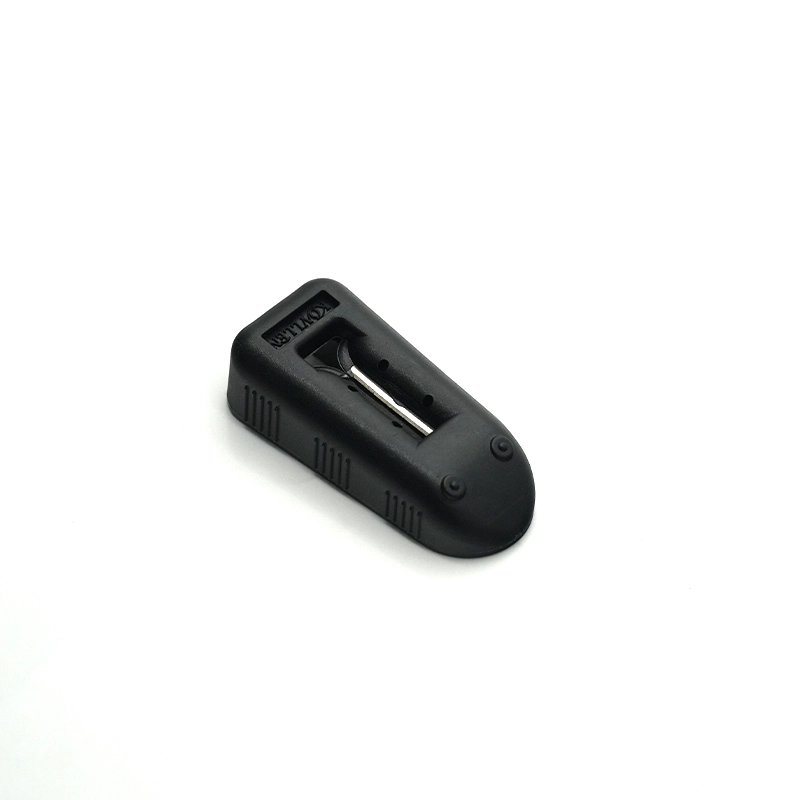
The plastic plug manufactured by Insert molding with stainless steel plate
Bost’s Insert-Molded Stainless Steel Plate Plastic Plug offers superior durability and corrosion resistance. This stainless steel insert durable plastic plug ensures a secure fit and long-lasting performance, ideal for industrial and commercial applications. Robust design meets quality standards.
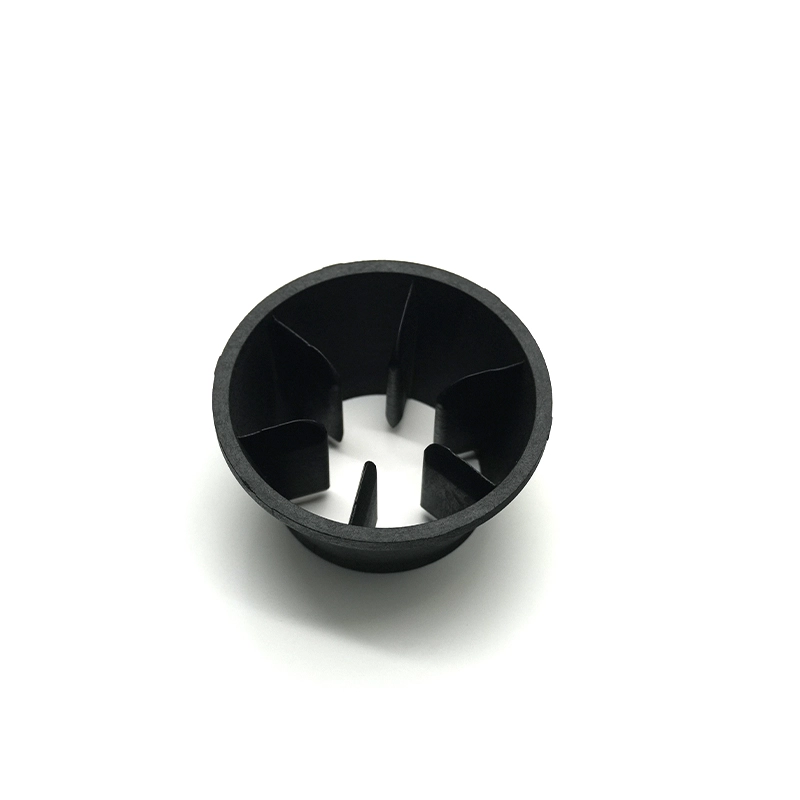
The Bost custom PPO flow valve by injection molding
The BOST Custom PPO Injection-Molded Flow Valve delivers high-temp and corrosion-resistant performance for industrial flow control. Precision-engineered by Bost, this custom PPO valve ensures durable, reliable operation in demanding environments. Optimize your process with BOST’s advanced injection-molded solution.
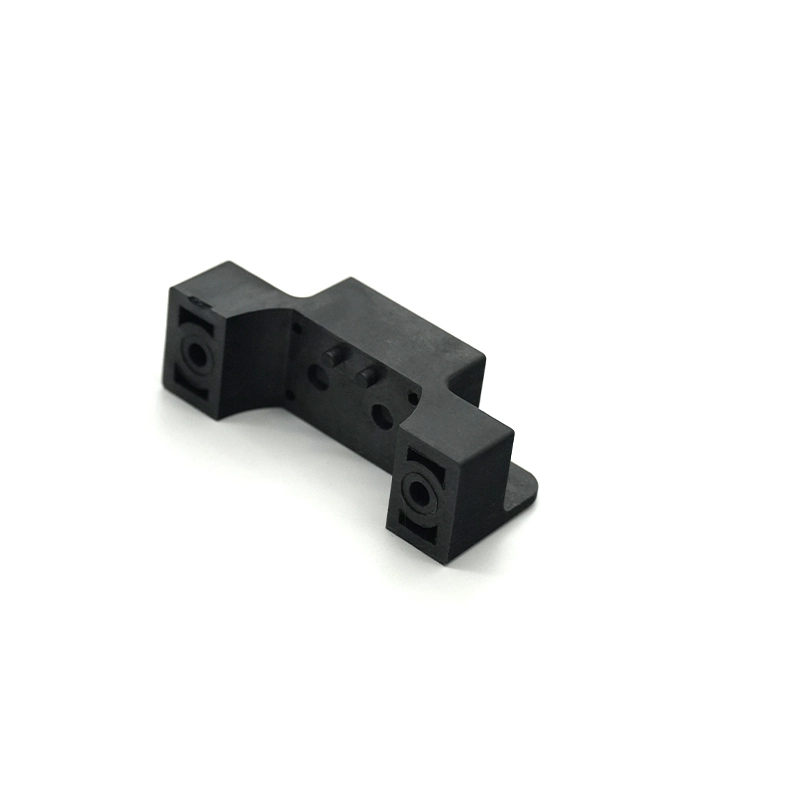
The Bost custom plastic handle by injection molding with high performance PPS material
BOST Custom PPS Injection-Molded Wear-Resistant Handle delivers superior durability and high performance. Made from High Quality PPS material, this injection-molded handle ensures exceptional wear resistance, ideal for demanding applications and long-lasting use. Choose BOST for quality and reliability.
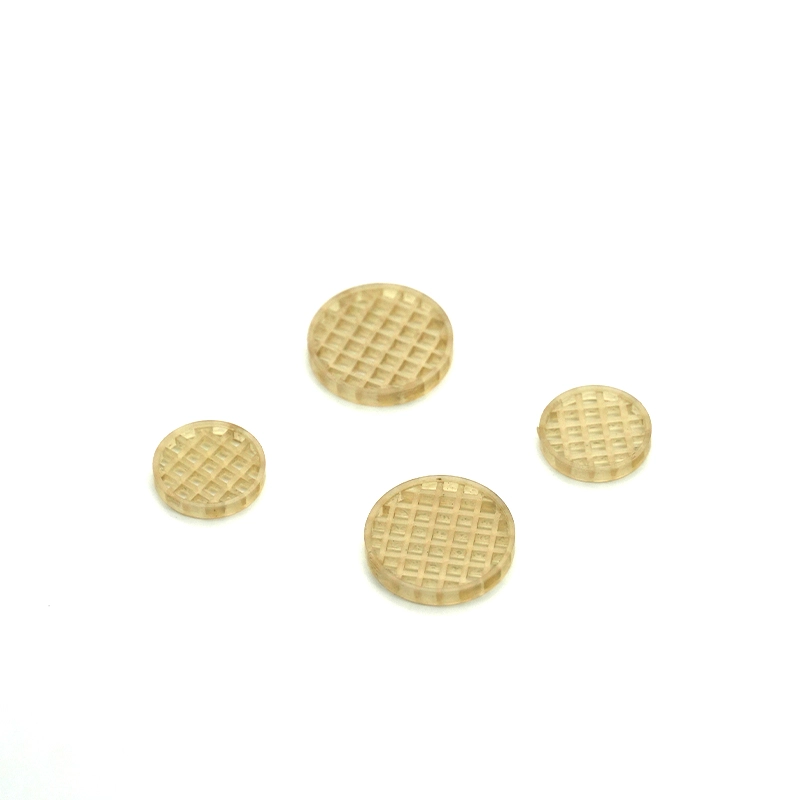
The Bost custom flow meter by injection molding with PES plastic
The Bost Custom PES Injection-Molded Flow Meter offers high-temperature and corrosion resistance, ideal for industrial use. Made with durable PES plastic via precision injection molding, this flow meter ensures reliable, customized performance for demanding applications. Trust Bost for quality and innovation.
Get in touch with Bost
Have any questions or concerns about our products? Please leave us a message here, and our team will get back to you promptly.

24 hours quotes delivered
Submit CAD files, get quote in 24 hours

No MOQ required
From prototyping to high-volume

±0.02 mm Precision
Advanced CNC with full inspections

1,000+ tons in stock
26 materials ready to ship
© 2026 BOST. All Rights Reserved.