
 Scan QR Code
Send My Request
How Injection Molding Enhances PVDF Cover Strength and Fit
Monday, 01/26/2026
Injection-molded PVDF covers combine the chemical resilience of fluoroplastic materials with precision molding to deliver corrosion-resistant fixing, exact fitment, and high-temperature sealing. The Bost PVDF cover with screws, crafted via injection molding, demonstrates how design, material selection, and process control produce durable protective covers for demanding industrial environments.
- Design Principles Behind Injection-Molded PVDF Covers
- Material selection: PVDF as a fluoroplastic engineered for durability
- Mold design and dimensional tolerances
- Geometry features: ribs, bosses, and sealing lands
- Mechanical Advantages: Strength, Fit, and Fastening
- Injection molding and structural integrity
- Screw anchoring and corrosion-resistant fixing
- Sealing performance at elevated temperatures
- Manufacturing Considerations and Quality Control
- Process parameters: melt temperature, injection speed, and cooling
- Testing, standards, and performance verification
- Minimizing defects: weld lines, sink marks, and voids
- Applications, Selection Guidance, and Why Brands Like Bost Matter
- Typical applications for injection-molded PVDF covers
- Comparative performance: PVDF vs. common alternatives
- Why choose the Bost PVDF cover with screws
- Practical Guidance for Specifiers and Engineers
- Specifying screw types and torque limits
- Installation and maintenance tips
- Procurement checklist
- FAQ — Frequently Asked Questions
- Q: What makes PVDF different from other fluoroplastics?
- Q: Can injection-molded PVDF covers be used outdoors?
- Q: Are there temperature limits for the Bost PVDF cover with screws?
- Q: What types of screws are recommended?
- Q: How is chemical compatibility verified?
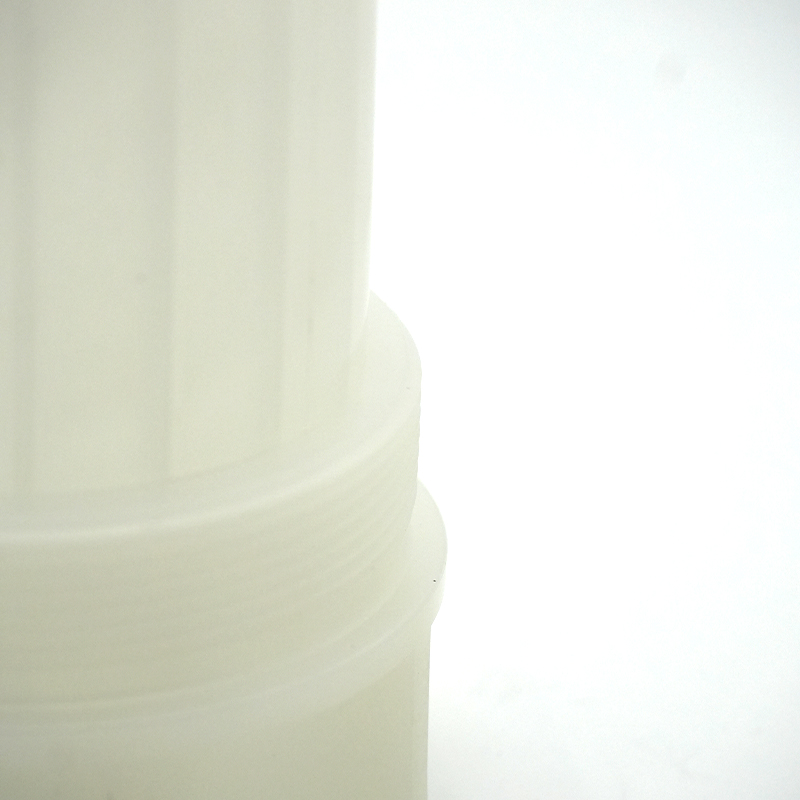
Injection-molded polyvinylidene fluoride (PVDF) covers are a proven solution for applications that require fluoroplastic chemical resistance together with mechanical robustness and accurate fastening. The Bost PVDF cover with screws, crafted via injection molding, ensures corrosion-resistant fixing, precision installation, and high-temperature resistant sealing. Ideal for durable, reliable protection in demanding environments, these covers show how careful material selection and optimized molding processes translate into long service life and predictable field performance. This article explains the engineering principles behind that performance and offers guidance for selecting, specifying, and testing injection-molded PVDF covers.
Design Principles Behind Injection-Molded PVDF Covers
Material selection: PVDF as a fluoroplastic engineered for durability
PVDF is a semi-crystalline fluoropolymer valued for its excellent chemical resistance, good mechanical properties, and thermal stability compared with many commodity plastics. As a fluoroplastic, PVDF resists many acids, bases, and solvents while maintaining strength at elevated temperatures. For designers seeking a balance between chemical inertness and mechanical performance, PVDF is often chosen over softer fluoropolymers such as PTFE because it can be injection molded into precise geometries and sustaining screw threads or bosses for fasteners. For an authoritative overview of PVDF properties, see the PVDF entry on Wikipedia: https://en.wikipedia.org/wiki/Polyvinylidene_fluoride.
Mold design and dimensional tolerances
Injection molding accuracy allows tight dimensional control, which is critical for covers that must mate flush with housings or sealing surfaces. Designers specify tolerances for outer dimensions, flange flatness, and the position of screw bosses to ensure repeatable fit across production runs. Proper gate location, cooling channel design, and shrinkage compensation in the tooling plan reduce warpage and maintain concentricity of screw holes and sealing faces. Including datum features in the mold is a best practice to ensure the molded part aligns correctly during downstream assembly and field installation.
Geometry features: ribs, bosses, and sealing lands
Injection molding enables integration of structural ribs, reinforced screw bosses, and molded sealing lands into a single part, reducing assembly complexity. Ribs increase section modulus without adding weight; bosses can be designed with appropriate draft and fillet radii to accept self-tapping screws or metal inserts; sealing lands provide flat faces for gaskets or O-rings. These design features improve mechanical performance and ensure a secure fit when the Bost PVDF cover with screws is installed in corrosive or high-temperature environments.
Mechanical Advantages: Strength, Fit, and Fastening
Injection molding and structural integrity
A well-executed injection molding process produces a part with homogeneous material distribution and minimal internal stresses. Because PVDF is stiffer than many fluoroplastics, injection-molded PVDF covers can withstand mechanical loads, impacts, and vibration when properly designed. The continuous polymer matrix in an injection-molded part provides predictable fracture behavior and creep resistance, important for covers intended to protect electrical enclosures, flow meters, valves, or instrumentation in industrial settings.
Screw anchoring and corrosion-resistant fixing
The PVDF cover by injection molding can incorporate integrated screw bosses or accept stainless-steel screws for long-term reliable fixing. Compared with post-molded attachments, molded bosses allow precise screw location and controlled wall thickness around the screw hole, which reduces stress concentration and prevents cracking. Using fluoroplastic PVDF in combination with corrosion-resistant fasteners provides a system-level resistance to aggressive chemistries, where both the cover and the fastening method remain durable. The Bost PVDF cover with screws is specifically engineered for this kind of application, ensuring the fastening system resists both chemical attack and galvanic effects.
Sealing performance at elevated temperatures
PVDF maintains mechanical integrity across a broad temperature range (typically up to around 150°C for continuous use), enabling high-temperature resistant sealing solutions. Molded sealing lands paired with elastomeric gaskets or designed to accept heat-resistant O-rings ensure the assembled cover maintains ingress protection and chemical exclusion under thermal cycling. For settings where temperature and chemical exposure are critical, PVDF delivers a reliable fluoroplastic sealing platform compared to many commodity resins.
Manufacturing Considerations and Quality Control
Process parameters: melt temperature, injection speed, and cooling
Successful PVDF injection molding hinges on control of melt temperature, shear rate, and cooling profile. PVDF's viscosity and thermal window differ from non-fluorinated polymers, so molders must use appropriate screw designs, barrel temperatures, and residence times to minimize degradation. Controlled cooling prevents excessive shrinkage and warpage; post-mold annealing can relieve residual stresses in some designs. For practical process guidance, review the general principles in injection molding literature: https://en.wikipedia.org/wiki/Injection_moulding.
Testing, standards, and performance verification
To demonstrate E-E-A-T-level reliability, manufacturers use standardized tests: tensile and flexural testing for mechanical strength, chemical resistance tests (immersion, swelling), thermal aging and heat deflection temperature tests, and ingress protection testing (IP ratings) for assembled enclosures. Industry reference resources such as PlasticsEurope provide context on polymer properties and environmental behavior: https://www.plasticseurope.org/en. Traceable test reports and third-party certifications enhance buyer confidence and support regulatory compliance in regulated industries.
Minimizing defects: weld lines, sink marks, and voids
Common molding defects—weld lines, sink marks, and voids—can be mitigated by thoughtful part and mold design. Uniform wall thickness, balanced fill, proper venting, and optimized packing pressure reduce visible and structural defects. PVDF's relatively high melt strength compared with some polymers makes it amenable to producing defect-free surfaces when process windows are respected.
Applications, Selection Guidance, and Why Brands Like Bost Matter
Typical applications for injection-molded PVDF covers
Applications include protective covers for instruments and sensors in chemical plants, enclosures for marine and offshore electronics, protective caps for pump and valve hardware, and covers in pharmaceutical and food-processing equipment where both chemical resistance and hygiene-friendly surfaces are required. Because PVDF is a fluoroplastic with low permeability to many chemicals and good UV resistance, it is suitable for outdoor and harsh-environment applications as well.
Comparative performance: PVDF vs. common alternatives
Below is a concise comparison of PVDF against common cover materials to aid selection:
| Property | PVDF (fluoroplastic) | ABS / Polycarbonate | PTFE |
|---|---|---|---|
| Chemical resistance | High (resists many acids, bases, solvents) | Moderate to low | Very high (but non-moldable by injection without special measures) |
| Moldability / precision | Excellent (injection moldable for detailed features) | Excellent | Poor for injection molding; usually machined or sintered |
| Temperature range (continuous) | Up to ~120–150°C | Up to ~80–100°C | Up to >200°C |
| Mechanical stiffness | Good | Good | Low (soft, low modulus) |
| Typical use for screwed covers | Ideal (molded bosses, sealing lands) | Common in non-corrosive environments | Used where extreme chemical resistance is needed but not for precision screw bosses |
Why choose the Bost PVDF cover with screws
The Bost PVDF cover with screws by injection molding unites the advantages discussed above: a fluoroplastic base material with engineered geometry supports corrosion-resistant fixing, precision installation, and high-temperature resistant sealing. Bost follows rigorous molding and inspection processes, provides documentation of material certificates and test reports, and offers configurable fastening options (e.g., stainless-steel screws, captive bosses, and gasket grooves). For field-proven polymer behavior, manufacturers should look for third-party test data and references to established polymer property sources.
Practical Guidance for Specifiers and Engineers
Specifying screw types and torque limits
Select screws and torque limits that match the PVDF boss geometry and wall thickness. Stainless-steel fasteners (e.g., A2 or A4 grades) are common choices for corrosion resistance; using washers and controlled torque prevents over-compression of bosses. Deliver torque guidelines with parts to minimize installation damage in the field.
Installation and maintenance tips
During installation, make sure mating flange surfaces are clean and flat, use specified gaskets or O-rings where recommended, and follow torque specs. For maintenance, visually inspect for UV-related discoloration or mechanical damage; PVDF resists most environmental degradation but mechanical damage or very aggressive solvents used for cleaning can reduce service life.
Procurement checklist
- Request material certificates confirming PVDF grade and manufacturer.
- Ask for molding process controls and quality records (e.g., SPC on critical dimensions).
- Obtain test reports for chemical resistance, mechanical strength, and thermal performance.
- Confirm compatibility of chosen fasteners and sealing elements with the PVDF cover.
FAQ — Frequently Asked Questions
Q: What makes PVDF different from other fluoroplastics?
A: PVDF is a semi-crystalline fluoropolymer that balances chemical resistance with mechanical strength and is suitable for injection molding. Unlike PTFE, which is soft and typically not injection moldable in conventional equipment, PVDF offers moldability for precise parts like screw bosses and sealing lands. For technical background, see: PVDF on Wikipedia.
Q: Can injection-molded PVDF covers be used outdoors?
A: Yes — PVDF has good UV and weather resistance compared to many non-fluorinated polymers, making it suitable for outdoor applications. Consider appropriate colorants and UV-stabilized grades if long-term color retention is important.
Q: Are there temperature limits for the Bost PVDF cover with screws?
A: PVDF covers typically perform well up to continuous use temperatures in the 120–150°C range depending on the grade. Specify the expected thermal exposure so Bost can recommend the appropriate PVDF formulation and sealing materials.
Q: What types of screws are recommended?
A: Corrosion-resistant fasteners such as stainless-steel (A2 or A4) are commonly used. Bost can supply parts with recommended fasteners or design captive boss features to improve installation robustness.
Q: How is chemical compatibility verified?
A: Chemical compatibility is verified through immersion and exposure testing per standard test methods. Bost provides chemical resistance data and can perform custom testing for specific process fluids or cleaning agents.
If you have additional questions or want datasheets, testing reports, or customization options, contact Bost directly. View the product page for the PVDF cover with screws or request a quote through our sales team. Contact us to discuss specifications, lead times, and samples today.
Contact Bost for product details, technical drawings, and samples of the PVDF cover with screws — engineered for corrosion-resistant fixing, precision installation, and high-temperature sealing.
Tags
custom injection molding
custom injection molding
plastic car parts
plastic car parts
Corrosion-Resistant Adaptive Molding
Corrosion-Resistant Adaptive Molding
automotive plastic injection molding
automotive plastic injection molding
Wear-Resistant Protection
Wear-Resistant Protection
Self-Lubricating Friction Reduction
Self-Lubricating Friction Reduction
Recommended for you
Top 10 Engineering Plastics for High-Temperature Use
Corrosion-Free Benefits of ABS Plastic Connectors
top bio-based high-performance plastics to watch 2026
Spec Checklist for Black and UV Resistant ABS Connectors
Prdoucts Categories
Question you may concern
FAQs
What is the minimum order quantity (MOQ)? Do you support small-batch trial production?
The MOQ for standard products is ≥100kg. We support small-batch trial production (as low as 20kg) and provide mold testing reports and performance data feedback.
What is the delivery lead time? Do you offer global logistics?
Standard products: 5–15 working days; custom modifications: 2–4 weeks. We support global air/sea freight and provide export customs clearance documents (including REACH/UL certifications).
How do I select the appropriate engineering plastic grade for my product?
Selection should be based on parameters such as load conditions (e.g., pressure/friction), temperature range, medium contact (e.g., oil/acid), and regulatory requirements (e.g., FDA/RoHS). Our engineers can provide free material selection consulting and sample testing.
What are the core advantages of Bost engineering plastics compared to ordinary plastics?
Bost engineering plastics feature ultra-high mechanical strength, high-temperature resistance (-50°C to 300°C), chemical corrosion resistance, and wear resistance. Compared to ordinary plastics, their service life is extended by 3 to 8 times, making them suitable for replacing metals in harsh environments.
Can Bost customize modified plastics with special properties?
Yes! We offer modification services such as reinforcement, flame retardancy, conductivity, wear resistance, and UV resistance, for example:
• Adding carbon fiber to enhance stiffness
• Reducing the coefficient of friction through PTFE modification
• Customizing food-grade or medical-grade certified materials
You may also like
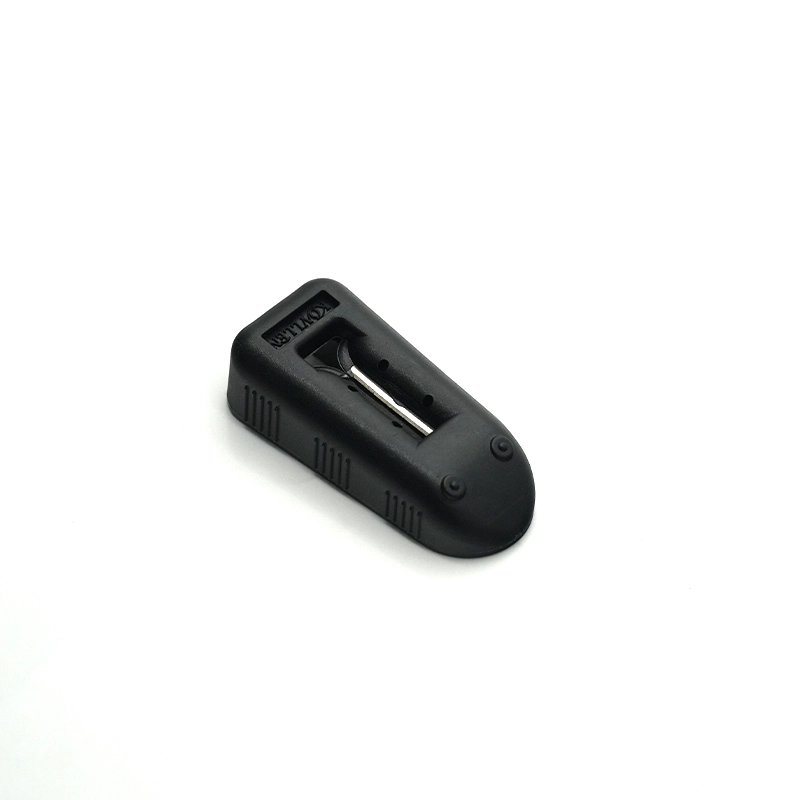
The plastic plug manufactured by Insert molding with stainless steel plate
Bost’s Insert-Molded Stainless Steel Plate Plastic Plug offers superior durability and corrosion resistance. This stainless steel insert durable plastic plug ensures a secure fit and long-lasting performance, ideal for industrial and commercial applications. Robust design meets quality standards.
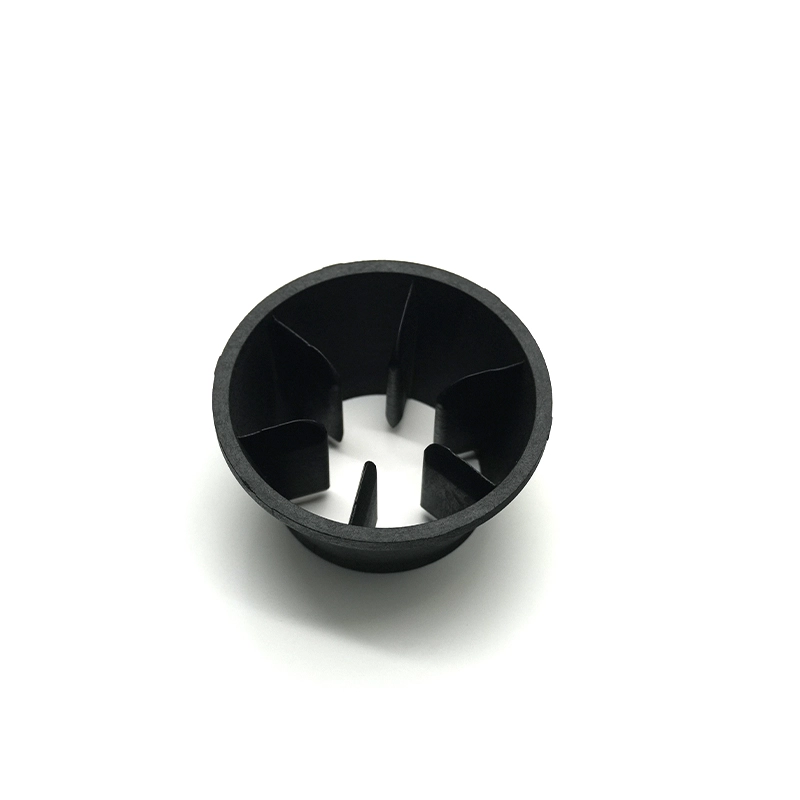
The Bost custom PPO flow valve by injection molding
The BOST Custom PPO Injection-Molded Flow Valve delivers high-temp and corrosion-resistant performance for industrial flow control. Precision-engineered by Bost, this custom PPO valve ensures durable, reliable operation in demanding environments. Optimize your process with BOST’s advanced injection-molded solution.
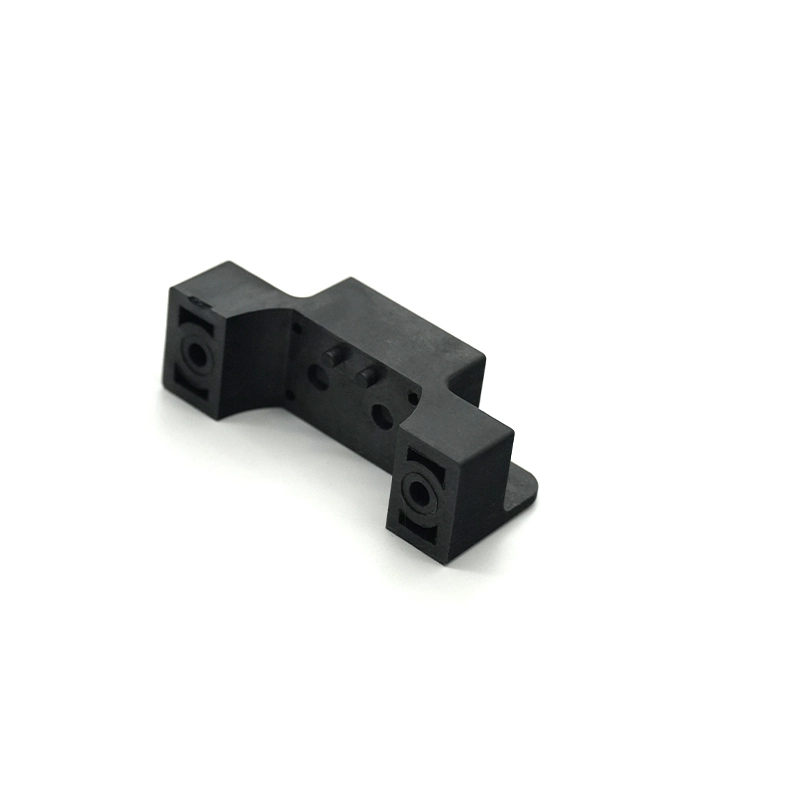
The Bost custom plastic handle by injection molding with high performance PPS material
BOST Custom PPS Injection-Molded Wear-Resistant Handle delivers superior durability and high performance. Made from High Quality PPS material, this injection-molded handle ensures exceptional wear resistance, ideal for demanding applications and long-lasting use. Choose BOST for quality and reliability.
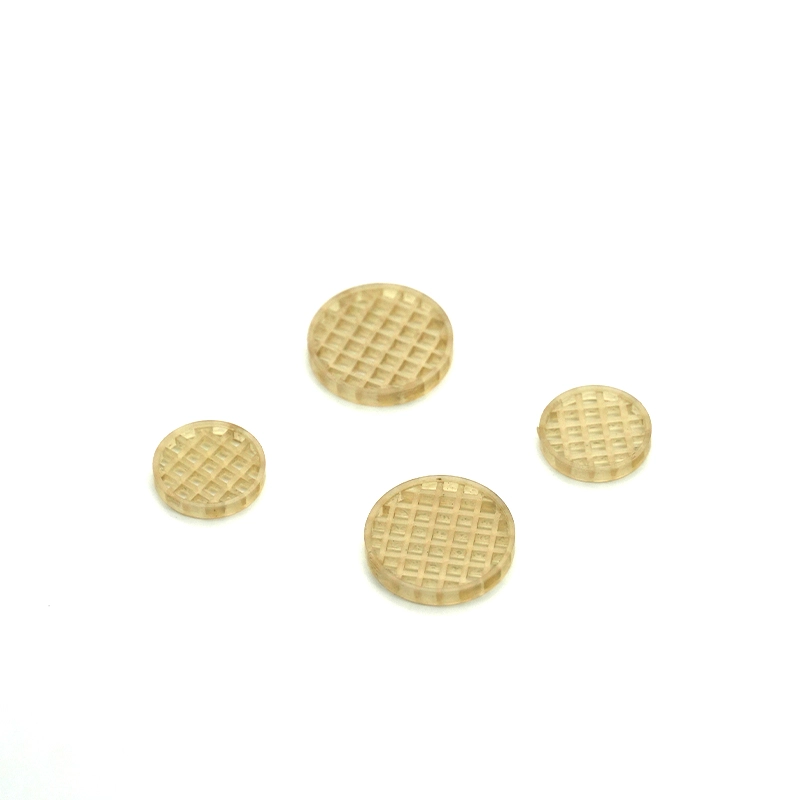
The Bost custom flow meter by injection molding with PES plastic
The Bost Custom PES Injection-Molded Flow Meter offers high-temperature and corrosion resistance, ideal for industrial use. Made with durable PES plastic via precision injection molding, this flow meter ensures reliable, customized performance for demanding applications. Trust Bost for quality and innovation.
Get in touch with Bost
Have any questions or concerns about our products? Please leave us a message here, and our team will get back to you promptly.

24 hours quotes delivered
Submit CAD files, get quote in 24 hours

No MOQ required
From prototyping to high-volume

±0.02 mm Precision
Advanced CNC with full inspections

1,000+ tons in stock
26 materials ready to ship
© 2026 BOST. All Rights Reserved.