
 Scan QR Code
Send My Request
Customizing PE Plastic Bushes: Sizes, Tolerances, Finishes
Wednesday, 12/10/2025
This guide explains how to specify and customize PE Plastic Bushes (plastic bushing) for industrial applications. It covers polyethylene material characteristics, recommended sizes, tolerance strategies, surface finishes, machining and assembly tips, testing and QA, plus practical selection tables and FAQs to help engineers optimize wear resistance and machine performance.
- Customizing PE Plastic Bushes: Sizes, Tolerances, Finishes
- Introduction — Why choose a plastic bushing like PE Plastic Bushes?
- Understanding PE material properties for plastic bushing applications
- Standard sizes and how to choose the right size for your plastic bushing
- Tolerances and fits for reliable performance of a plastic bushing
- Recommended tolerance table for PE Plastic Bushes (guideline)
- Surface finishes and treatments for optimized wear and friction
- Machining, fabrication and assembly considerations for PE Plastic Bushes
- Testing and quality control (ensuring your plastic bushing meets specs)
- Application examples and selection guide for the plastic bushing
- Design best practices — avoiding common pitfalls with plastic bushings
- Why choose Bost PE Plastic Bushes — brand advantages
- FAQ — Frequently Asked Questions about PE Plastic Bushes and plastic bushing customization
- Contact us / View product
- References and authoritative resources
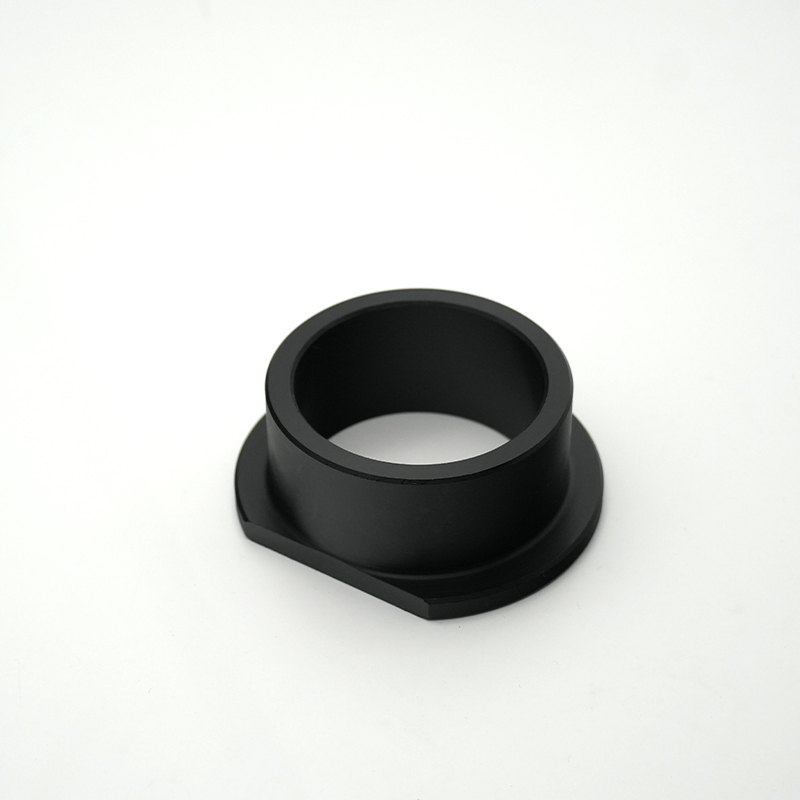
Customizing PE Plastic Bushes: Sizes, Tolerances, Finishes
Introduction — Why choose a plastic bushing like PE Plastic Bushes?
Bost PE Plastic Bushes offer superior wear-resistant shaft protection and friction-reducing adaptation for enhanced machinery performance. Engineered for durability, these bushes minimize wear and extend equipment life, ensuring reliable and efficient operation in demanding industrial applications. Selecting the correct plastic bushing involves understanding polyethylene (PE) properties, standard sizing practices, tolerance strategies, and finishing options that affect friction, wear and service life. Customization isn’t just about fit—it’s also about longevity. To maximize the lifespan of your PE plastic bushes, adopting the best maintenance practices is crucial. Our article on maintenance best practices will show you how to care for your bushes to ensure they last.
Understanding PE material properties for plastic bushing applications
Choosing a plastic bushing begins with material knowledge. Polyethylene (PE) is valued in bearing and bushing applications for its low coefficient of friction, good abrasion resistance, chemical resistance and dimensional stability under load when properly specified. High-density polyethylene (HDPE) and ultra-high-molecular-weight polyethylene (UHMW-PE) are common grades used for bushings. Key performance parameters include tensile strength, elongation, wear rate, and creep under sustained load. These properties determine how the bushing will behave under radial loads, shock loads and elevated temperatures.
Standard sizes and how to choose the right size for your plastic bushing
PE Plastic Bushes are typically available in standard bore diameters, outer diameters and lengths to fit common shafts and housings. When specifying size, consider three critical dimensions: shaft (inner diameter, ID), housing (outer diameter, OD or housing bore), and length (axial width). Rule of thumb: select an ID that allows an interference or clearance fit appropriate to your application’s load and speed. For sliding, wear-reducing applications with moderate radial loads, a slight press or interference fit in the housing and a controlled clearance on the shaft (or a removable split design) can be optimal.
Tolerances and fits for reliable performance of a plastic bushing
Tolerance planning for a plastic bushing differs from metal parts because PE is more compliant and exhibits creep and thermal expansion. Rather than using metal-centric tight tolerances, use tolerance bands that account for: operating temperature range, expected wear, housing material, and mounting method (press-fit, bonded or floating). Typical practice includes:
- Housing bore: slightly undersized relative to bush OD for press-fit; account for cold expansion during installation.
- Shaft clearance: maintain a light running clearance to reduce friction and avoid shaft seizure—clearances often range from 0.1 mm to 0.5 mm depending on diameter and application.
- Axial tolerance: control lengths to maintain positive engagement with shoulders or retaining rings.
Recommended tolerance table for PE Plastic Bushes (guideline)
Use the following guideline table when setting specifications. These values should be validated with prototypes for your specific operating conditions.
| Nominal Shaft Diameter (mm) | Recommended Radial Clearance (mm) | Housing Interference (press-fit) (mm) | Typical Axial Tolerance (mm) |
|---|---|---|---|
| Ø3 - Ø10 | 0.05 - 0.15 | 0 - 0.2 | ±0.2 |
| Ø10 - Ø30 | 0.1 - 0.3 | 0.05 - 0.3 | ±0.3 |
| Ø30 - Ø75 | 0.15 - 0.5 | 0.1 - 0.4 | ±0.5 |
| Ø75+ | 0.2 - 0.8 | 0.2 - 0.6 | ±1.0 |
Surface finishes and treatments for optimized wear and friction
Surface finish directly affects friction, run-in time and service life of a plastic bushing. PE can be finished in several ways to improve performance:
- As-machined: standard finish suitable for moderate loads and speeds.
- Micro-texturing: controlled grooves or cross-hatching that retain lubricants and reduce stick-slip.
- Solid lubricants: impregnation with PTFE or graphite during manufacturing to lower friction coefficient.
- Surface coatings: thin, adherent coatings (for specific PE grades) can improve wear or reduce cold flow, though coatings must be compatible with PE’s low surface energy.
Machining, fabrication and assembly considerations for PE Plastic Bushes
PE machines well with standard turning, boring and milling tools, but material behavior requires attention:
- Tooling: use sharp tools and proper rake angles to reduce heat and improve surface quality.
- Heat: avoid excessive tool temperatures; PE can melt or deform if heat accumulates during cutting.
- Dimensional stability: allow parts to acclimate to ambient temperature after machining before final measurement.
- Press-fit installation: use controlled, uniform pressure and consider heating the bushing or cooling the housing to ease assembly without overstressing the material.
Testing and quality control (ensuring your plastic bushing meets specs)
Quality control for PE Plastic Bushes should include dimensional inspection, hardness (if applicable), friction and wear testing. Common tests:
- Dimensional checks with gauges or CMM: verify ID, OD and axial length per tolerance bands.
- Pin-on-disk or block-on-ring wear tests: estimate wear rates vs. competing materials under representative loads.
- Coefficient of friction measurement: for dry and lubricated conditions.
- Creep/relaxation tests: especially for bushings under sustained load at elevated temperature.
Application examples and selection guide for the plastic bushing
Below are typical application scenarios for PE Plastic Bushes and suggestions for sizing, tolerance and finish:
| Application | Typical Grade | Sizing/Tolerance | Recommended Finish |
|---|---|---|---|
| Conveyor idlers (moderate load) | HDPE / UHMW-PE | ID clearance 0.2–0.5 mm; press-fit housing | As-machined or polished |
| Packing machinery (dry, high-cycle) | UHMW-PE with PTFE | Controlled clearance 0.1–0.3 mm | Micro-textured with PTFE impregnation |
| Marine fittings (corrosive) | UHMW-PE | Looser clearance to allow water ingress 0.3–0.8 mm | Polished, UV-stable grade |
Design best practices — avoiding common pitfalls with plastic bushings
Designers often make metal-centric assumptions that harm plastic bushing performance. Best practices:
- Allow for thermal expansion: PE expands more than steel; design clearances accordingly.
- Avoid extremely tight shaft fits: seizure and increased friction can occur due to creep.
- Use shoulders and retaining features to control axial movement rather than adhesive bonding alone.
- Prototype and test under real load, speed and environmental conditions—bench tests rarely capture in-field contamination and cyclic loading effects.
Why choose Bost PE Plastic Bushes — brand advantages
Bost PE Plastic Bushes combine engineered material selection, quality machining and proven finish options to deliver value in industrial applications. Brand advantages include:
- Purpose-designed grades for wear resistance and low friction.
- Custom sizing and tolerance control backed by QC and testing.
- Finishing options (micro-texturing, PTFE impregnation) to match dry or lubricated systems.
- Technical support to assist with installation, prototyping and lifetime estimation.
FAQ — Frequently Asked Questions about PE Plastic Bushes and plastic bushing customization
Q1: What is the main difference between UHMW-PE and HDPE for bushings?
A1: UHMW-PE generally offers superior wear resistance and lower friction than HDPE due to its extremely high molecular weight. Use UHMW-PE for high-wear, sliding or dry-running applications; HDPE is acceptable for lighter-duty or cost-sensitive uses.
Q2: How do I decide between a press-fit and a floating bushing?
A2: Choose press-fit when you need precise radial location and minimal movement in the housing. Choose floating or split-bushing designs when thermal expansion, shaft misalignment or differential movement is expected.
Q3: Can PE Plastic Bushes be used without lubrication?
A3: Yes—PE, especially UHMW-PE, performs well in dry-running scenarios. For heavy loads or high speeds, consider lubricant reservoirs, micro-texturing or PTFE impregnation to reduce wear.
Q4: What tolerances should I call out on my drawing?
A4: Use the guideline table above as a starting point but always validate with prototypes. Specify ID, OD and axial tolerances that consider operating temperature and expected load.
Q5: How is creep managed in PE bushings?
A5: Minimize sustained high compressive stresses, use larger contact areas, choose stiffer PE grades if available, and design for slightly larger clearances to accommodate potential material flow over time.
Contact us / View product
To discuss custom sizes, tolerances or finishes for PE Plastic Bushes, contact Bost technical sales at sales@bostplastics.com or visit the product page: https://www.bostplastics.com/products/pe-plastic-bushes. Our engineers can provide samples, CAD files, and performance data for your validation testing.
References and authoritative resources
For deeper technical background and standard guidance, refer to these authoritative sources:
- Bushing (bearing) — Wikipedia: https://en.wikipedia.org/wiki/Bushing_(bearing)
- Polyethylene — Wikipedia: https://en.wikipedia.org/wiki/Polyethylene
- Tolerance (engineering) — Wikipedia: https://en.wikipedia.org/wiki/Tolerance_(engineering)
- Matmatch material overview (PE properties): https://matmatch.com/materials/matm-polyethylene-pe
- Plastics Industry Association: https://www.plasticsindustry.org/
These references provide foundational knowledge about bushings, PE polymer behavior, and general tolerance principles to help validate design choices for plastic bushing applications.
Tags
High-Temp Resistant Overmolding
High-Temp Resistant Overmolding
custom insert molding
custom insert molding
Wear-Resistant Spacing
Wear-Resistant Spacing
custom plastic spur gears
custom plastic spur gears
customized injection molded plastic parts
customized injection molded plastic parts
Insulating Adaptation
Insulating Adaptation
Recommended for you
best high-performance plastics for medical implants 2026
Electrical Insulation Advantages of ABS Connectors
IP Ratings and Sealing Solutions for Plastic Connectors
Best injection molded valves: The Bost custom PPO flow valve
Prdoucts Categories
Question you may concern
FAQs
What is the minimum order quantity (MOQ)? Do you support small-batch trial production?
The MOQ for standard products is ≥100kg. We support small-batch trial production (as low as 20kg) and provide mold testing reports and performance data feedback.
Can Bost customize modified plastics with special properties?
Yes! We offer modification services such as reinforcement, flame retardancy, conductivity, wear resistance, and UV resistance, for example:
• Adding carbon fiber to enhance stiffness
• Reducing the coefficient of friction through PTFE modification
• Customizing food-grade or medical-grade certified materials
What is the delivery lead time? Do you offer global logistics?
Standard products: 5–15 working days; custom modifications: 2–4 weeks. We support global air/sea freight and provide export customs clearance documents (including REACH/UL certifications).
How do I select the appropriate engineering plastic grade for my product?
Selection should be based on parameters such as load conditions (e.g., pressure/friction), temperature range, medium contact (e.g., oil/acid), and regulatory requirements (e.g., FDA/RoHS). Our engineers can provide free material selection consulting and sample testing.
What are the core advantages of Bost engineering plastics compared to ordinary plastics?
Bost engineering plastics feature ultra-high mechanical strength, high-temperature resistance (-50°C to 300°C), chemical corrosion resistance, and wear resistance. Compared to ordinary plastics, their service life is extended by 3 to 8 times, making them suitable for replacing metals in harsh environments.
You may also like
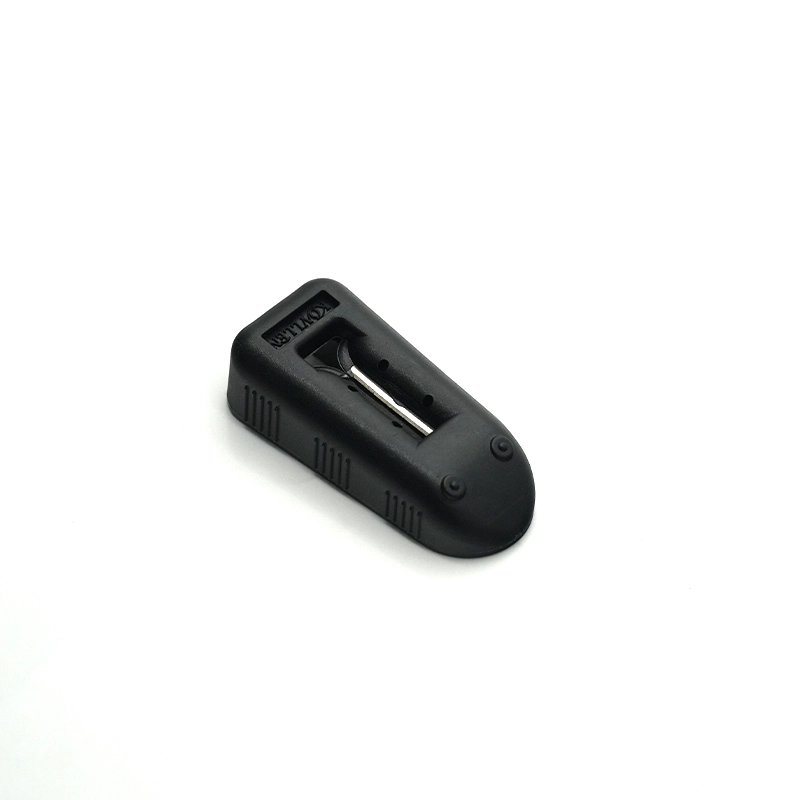
The plastic plug manufactured by Insert molding with stainless steel plate
Bost’s Insert-Molded Stainless Steel Plate Plastic Plug offers superior durability and corrosion resistance. This stainless steel insert durable plastic plug ensures a secure fit and long-lasting performance, ideal for industrial and commercial applications. Robust design meets quality standards.
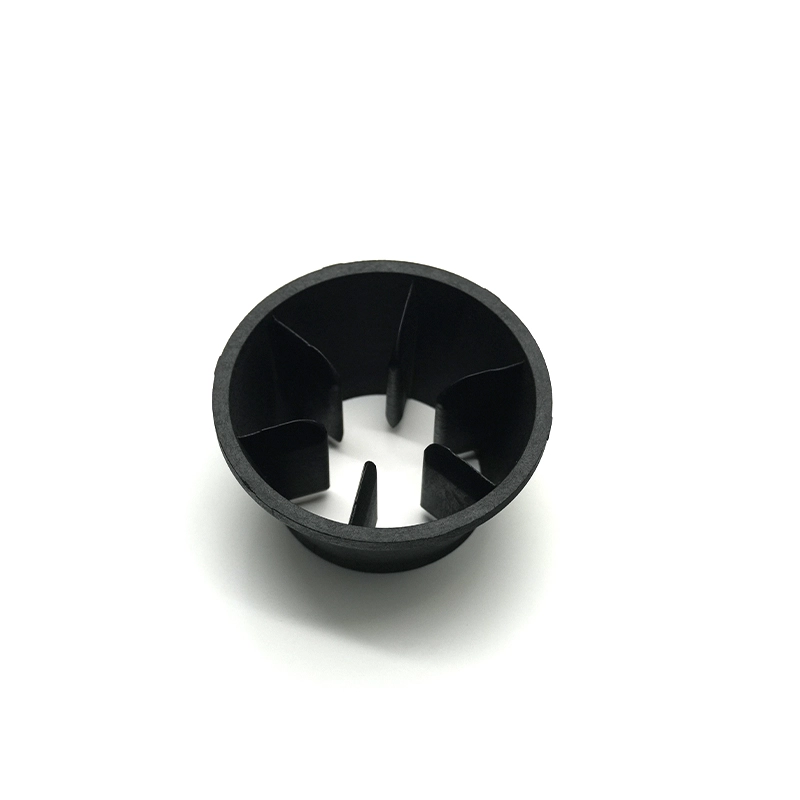
The Bost custom PPO flow valve by injection molding
The BOST Custom PPO Injection-Molded Flow Valve delivers high-temp and corrosion-resistant performance for industrial flow control. Precision-engineered by Bost, this custom PPO valve ensures durable, reliable operation in demanding environments. Optimize your process with BOST’s advanced injection-molded solution.
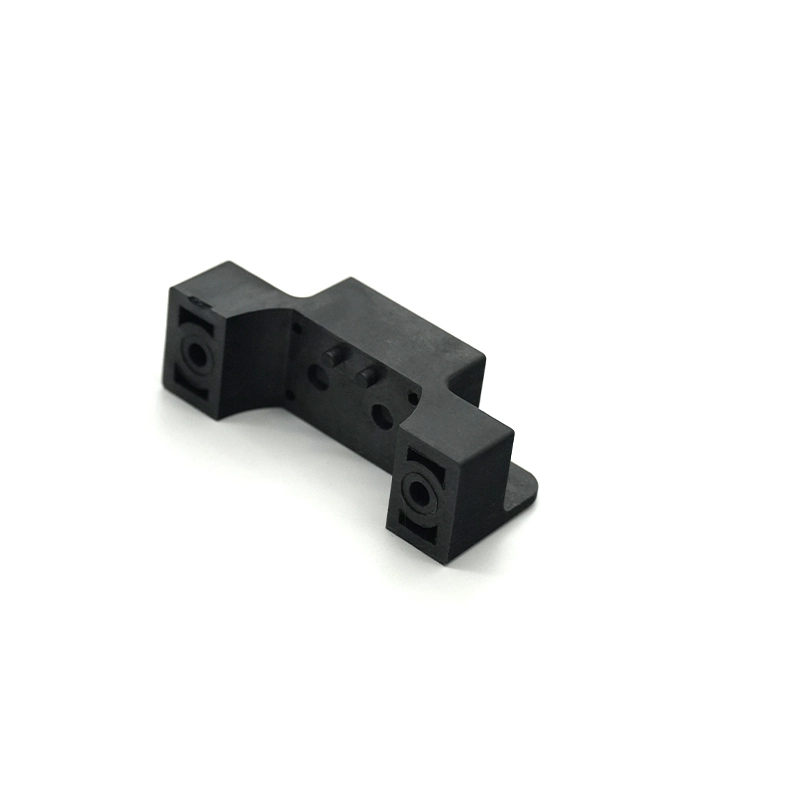
The Bost custom plastic handle by injection molding with high performance PPS material
BOST Custom PPS Injection-Molded Wear-Resistant Handle delivers superior durability and high performance. Made from High Quality PPS material, this injection-molded handle ensures exceptional wear resistance, ideal for demanding applications and long-lasting use. Choose BOST for quality and reliability.
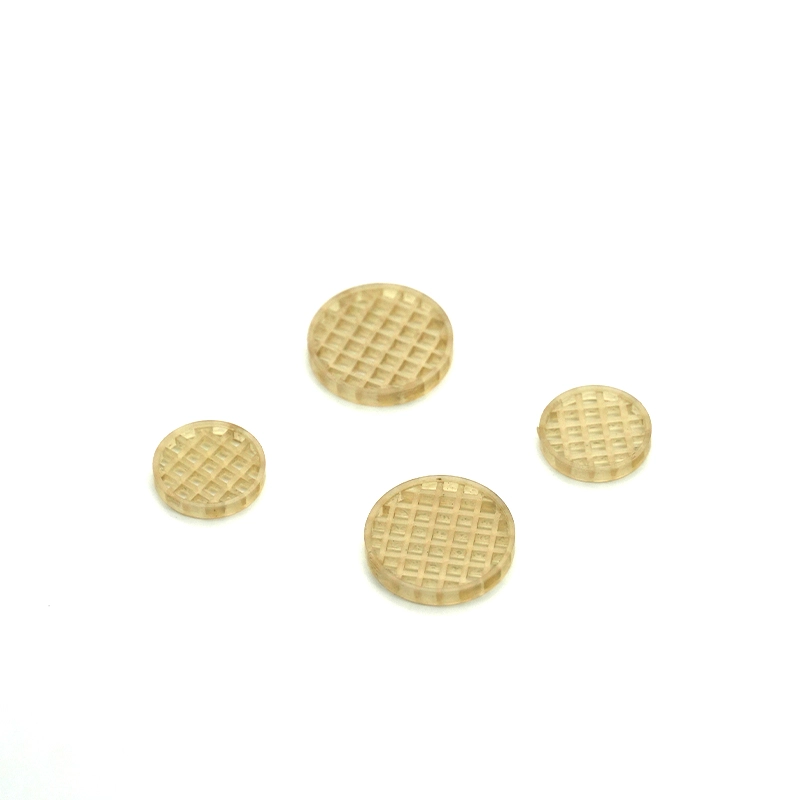
The Bost custom flow meter by injection molding with PES plastic
The Bost Custom PES Injection-Molded Flow Meter offers high-temperature and corrosion resistance, ideal for industrial use. Made with durable PES plastic via precision injection molding, this flow meter ensures reliable, customized performance for demanding applications. Trust Bost for quality and innovation.
Get in touch with Bost
Have any questions or concerns about our products? Please leave us a message here, and our team will get back to you promptly.

24 hours quotes delivered
Submit CAD files, get quote in 24 hours

No MOQ required
From prototyping to high-volume

±0.02 mm Precision
Advanced CNC with full inspections

1,000+ tons in stock
26 materials ready to ship
© 2026 BOST. All Rights Reserved.