
 Scan QR Code
Send My Request
Plastic Injection Molding Basics for Engineering Plastics
Thursday, 09/25/2025
A practical guide to Plastic Injection molding for engineering plastics: core process steps, material selection, mold design, processing parameters, quality control, and how Bost supports high-performance part production.
- Introduction: Why Plastic Injection Molding Matters for Engineering Plastics
- Basic Process Overview of Plastic Injection Molding
- Clamping
- Injection
- Cooling
- Ejection
- Common Engineering Plastics Used in Injection Molding
- Material Selection: Matching Application and Process
- Drying Requirements
- Mold Design Considerations for High-Performance Parts
- Cooling Channel Best Practices
- Surface Finish and Texturing
- Processing Parameters and Typical Ranges
- Troubleshooting Common Injection Molding Defects
- Warping
- Sink Marks
- Short Shot (incomplete fill)
- Burn Marks and Degradation
- Design for Manufacturability (DFM) Guidelines
- Quality Control and Testing for Engineering Plastic Parts
- How Bost Supports Plastic Injection Molding Projects
- Environmental, Regulatory and Sustainability Considerations
- Cost Drivers and Cycle-Time Optimization
- Conclusion: Key Takeaways for Successful Injection Molding
- FAQ — Frequently Asked Questions
- Q1: Which engineering plastics are easiest to injection mold?
- Q2: How important is drying before molding?
- Q3: What are typical shrinkage values and how do they affect design?
- Q4: How can I reduce warpage?
- Q5: How does Bost help with material customization?
- Q6: When should I involve a molder like Bost in the design process?
Introduction: Why Plastic Injection Molding Matters for Engineering Plastics
Plastic Injection molding is the dominant manufacturing method for producing high-volume, high-precision parts from engineering plastics. It combines repeatability, low per-part cost at scale, and flexibility in geometry. For industries such as automotive, electronics, medical devices, and industrial equipment, injection molding enables the reliable production of components made from high-performance polymers like PA, PEEK, POM, PC and specialty modified grades.
Basic Process Overview of Plastic Injection Molding
The injection molding cycle has four core stages: clamping, injection, cooling, and ejection. Each stage must be controlled to secure part quality, dimensional accuracy, and repeatability. Cooling typically consumes 30%–70% of the cycle time depending on part thickness and material thermal conductivity.
Clamping
During clamping, the two halves of the mold are closed and held under force to resist the injection pressure. Proper clamping prevents flash and ensures part geometry consistency. Clamping force is selected based on the projected area of the part and expected cavity pressure.
Injection
The molten plastic is injected into the closed cavity through runners and gates. Injection speed and pressure affect flow patterns, weld lines, and internal stresses. For crystalline materials (e.g., PA or PEEK), filling behavior differs from amorphous materials (e.g., PC), so parameters must be adjusted accordingly.
Cooling
Cooling solidifies the polymer and sets dimensions. Mold temperature control (via cooling/heating channels) and cycle time optimization are critical. For many engineering plastics, proper cooling reduces warpage and shrinkage variance.
Ejection
Once cooled, the part is ejected using pins, sleeves, or stripper plates. Design of ejection systems must avoid part deformation, surface damage, or residual stresses.
Common Engineering Plastics Used in Injection Molding
Choosing the right material determines part performance and manufacturability. Below is a concise comparison of frequently used engineering plastics for injection molding.
| Material | Tensile Strength (MPa) | Melt / Processing Temp (°C) | Typical Mold Temp (°C) | Shrinkage (%) | Typical Uses |
|---|---|---|---|---|---|
| Nylon 6 / PA66 | 60–90 | 220–280 | 60–100 | 1.5–2.5 | Gears, bushings, connectors, automotive under-hood |
| Polyoxymethylene (POM) | 55–75 | 165–175 | 20–80 | 0.2–0.7 | Precision gears, sliding parts, bearings |
| Polycarbonate (PC) | 55–75 | 260–320 | 70–120 | 0.4–0.7 | Transparent housings, lenses, protective components |
| PEEK | 90–120 | 340–380 | 150–200 | 0.3–0.5 | High-temp industrial parts, medical implants, aerospace |
| ABS | 30–50 | 200–260 | 40–80 | 0.4–0.8 | Enclosures, consumer goods, dashboard components |
Material Selection: Matching Application and Process
Select materials based on mechanical requirements, temperature resistance, chemical exposure, surface finish, and cost. Crystalline polymers (e.g., PA, POM, PEEK) often require higher mold temperatures and moisture control (drying) before processing. Amorphous polymers (e.g., PC, ABS) are less sensitive to moisture but may require strict thermal control to reduce stress and sink marks.
Drying Requirements
Many engineering plastics absorb moisture and must be dried prior to molding. Typical drying parameters: nylon often at 80–90°C for 4–6 hours; PEEK may be dried at 150°C for 2–4 hours. Proper drying reduces hydrolysis, surface defects, and tensile property loss.
Mold Design Considerations for High-Performance Parts
Mold design heavily influences cycle time, surface quality, and dimensional stability. Consider gate type and location, runner balance, venting, cooling channel layout, and part ejection features. For precision parts, tight control of cooling and balanced fills minimize warpage.
Cooling Channel Best Practices
Conformal cooling delivers more uniform temperatures for complex geometries, reducing cycle time and warpage. When conformal cooling is not feasible, close-fitting drilled channels and use of high thermal-conductivity mold materials can help.
Surface Finish and Texturing
Surface finish choices affect release and end-use aesthetics. Polished cavities produce glossy parts; textured cavities hide minor defects and reduce appearance of flow lines. For electrically conductive or thermally conductive modified plastics, mold grounding and instrumentation are essential.
Processing Parameters and Typical Ranges
Key parameters are melt temperature, mold temperature, injection speed, packing pressure, and cooling time. These must be optimized for each material and part geometry. Below are typical ranges for guidance (material and part-dependent):
- Nylon (PA): melt 230–260°C, mold 60–100°C
- PC: melt 260–320°C, mold 70–120°C
- PEEK: melt 340–380°C, mold 150–200°C
- POM: melt 165–175°C, mold 20–80°C
- ABS: melt 200–260°C, mold 40–80°C
When optimizing, start with manufacturer-recommended settings, then tune cooling time and packing to minimize voids, sink marks, and dimensional drift.
Troubleshooting Common Injection Molding Defects
Understanding root causes speeds fixes:
Warping
Cause: uneven cooling, differential shrinkage. Fixes: improve cooling balance, increase mold temperature uniformity, alter wall thickness transitions, adjust packing profile.
Sink Marks
Cause: insufficient packing or too-thick sections. Fixes: increase packing pressure/time, add ribs or gussets to stiffen thick areas, raise mold temperature for slower solidification if surface aesthetics demand.
Short Shot (incomplete fill)
Cause: low melt temp, low injection speed, gate too small, or high shear heating and viscosity. Fixes: raise melt temperature, increase injection speed/pressure, verify gate and runner sizing.
Burn Marks and Degradation
Cause: trapped air or too-high shear/heating. Fixes: improve venting, reduce backpressure, ensure proper drying to avoid hydrolysis for moisture-sensitive resins.
Design for Manufacturability (DFM) Guidelines
Design parts with consistent wall thickness, smooth transitions, generous radii, proper draft angles (0.5–2° depending on depth), and accessible ejection surfaces. Use ribs for stiffness instead of increasing wall thickness. Place gates where flow and cosmetic requirements align. Early DFM reviews reduce mold iterations and time-to-market.
Quality Control and Testing for Engineering Plastic Parts
Robust QC ensures performance and regulatory compliance:
- Dimensional inspection using CMM for critical tolerances
- Mechanical testing: tensile, flexural, impact per ASTM/ISO standards
- Thermal testing: HDT (Heat Deflection Temperature), DSC for crystallinity
- Surface inspection: visual, gloss meters, microscopy for defects
- Functional testing: assembly fit, wear testing, electrical or thermal conductivity checks for modified materials
How Bost Supports Plastic Injection Molding Projects
Bost is a professional and innovative high-tech green energy engineering plastics manufacturer specializing in R&D, production, and sales. Bost’s strengths include advanced resin modification, mold design and manufacturing, mechanical processing, and integrated steel-plastic and plastic-rubber solutions. For clients, Bost offers:
- Material selection and modification to achieve anti-scar, corrosion resistance, fatigue durability, abrasion resistance, high-temperature transparency, flame retardancy, conductivity, and thermal management properties.
- End-to-end support from mold design and machining to pilot runs and full-scale injection molding production.
- Engineering guidance on drying, process windows, and cost-effective design modifications to improve yield and reduce cycle time.
Combining a skilled R&D team and production capacity, Bost can tailor polymer formulations and production methods to meet demanding application requirements, including multi-material assemblies and integrated steel-plastic constructions.
Environmental, Regulatory and Sustainability Considerations
Engineering plastics manufacturing must account for environmental controls: energy-efficient molding machines, solvent-free post-processing, recycling of sprues and runners, and selection of recyclable or bio-based resins when possible. Compliance with RoHS, REACH, and industry-specific regulations is essential for global markets. Many customers now request life-cycle data and recycled-content options — Bost can adapt formulations and supply chain documentation to meet these needs.
Cost Drivers and Cycle-Time Optimization
Main cost drivers are material cost, cycle time, scrap rate, and mold complexity. Strategies to reduce cost per part include reducing cooling time via optimized cooling channels, lowering scrap through robust process controls, and simplifying mold designs to reduce cavitation and maintenance. Use of higher-cavitation molds reduces per-part amortized mold cost but increases initial tooling investment.
Conclusion: Key Takeaways for Successful Injection Molding
To produce high-quality engineering plastic parts via Plastic Injection molding, focus on: selecting the right resin and drying regime; designing molds and parts for balanced flow and cooling; tightly controlling processing parameters; and deploying appropriate quality testing. Partnering with a manufacturer like Bost brings material R&D, mold-making expertise, and production experience together to accelerate development and ensure consistent, high-performance parts.
FAQ — Frequently Asked Questions
Q1: Which engineering plastics are easiest to injection mold?
A: Amorphous materials such as ABS and PC are generally easier due to less sensitivity to moisture and clearer flow behavior. Crystalline resins (PA, POM, PEEK) require stricter drying and mold temperature control but offer superior mechanical or thermal properties.
Q2: How important is drying before molding?
A: Very important for hygroscopic engineering plastics (e.g., nylon, PEEK). Insufficient drying causes hydrolysis, resulting in reduced molecular weight, lower strength, surface defects, and discoloration.
Q3: What are typical shrinkage values and how do they affect design?
A: Shrinkage varies by material and part geometry: POM ~0.2–0.7%, PC ~0.4–0.7%, PA ~1.5–2.5%. Design tolerances must account for material-specific shrinkage and anisotropic behavior due to flow orientation.
Q4: How can I reduce warpage?
A: Balance wall thicknesses, optimize cooling distribution, adjust packing profiles, and consider material changes or fiber orientation control. Proper mold design and process control are key.
Q5: How does Bost help with material customization?
A: Bost’s R&D team specializes in modifying polymers to add anti-scar, corrosion resistance, abrasion resistance, flame retardancy, conductivity, and thermal properties. Bost also supports mold design and pilot runs to validate customized materials in production conditions.
Q6: When should I involve a molder like Bost in the design process?
A: Engage early — during prototype or CAD stages. Early collaboration reduces redesign cycles, optimizes mold costs, and helps select materials and processing strategies aligned with mass production requirements.
Tags
custom injection molding
custom injection molding
Tube with Screw
Tube with Screw
Tough Decorative Shell
Tough Decorative Shell
custom plastic injection molding manufacturer
custom plastic injection molding manufacturer
insert plastic molding
insert plastic molding
custom worm gears
custom worm gears
Recommended for you
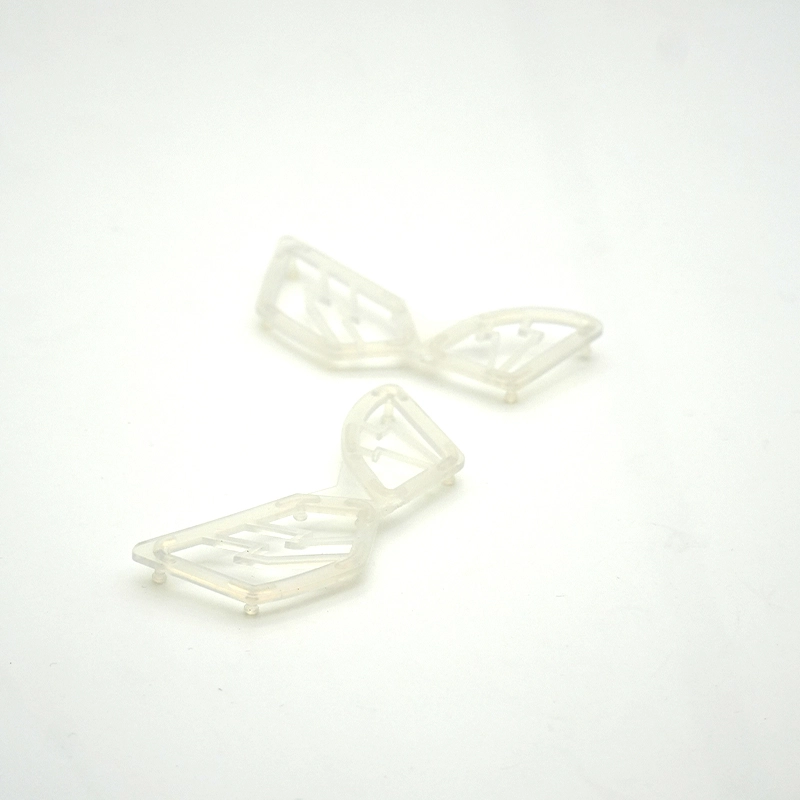
Customizing PP Plastic Spacers: Design Tips for Manufacturers
PEEK Overmolding for Medical Device Applications: Practical Guide for Designers & Manufacturers
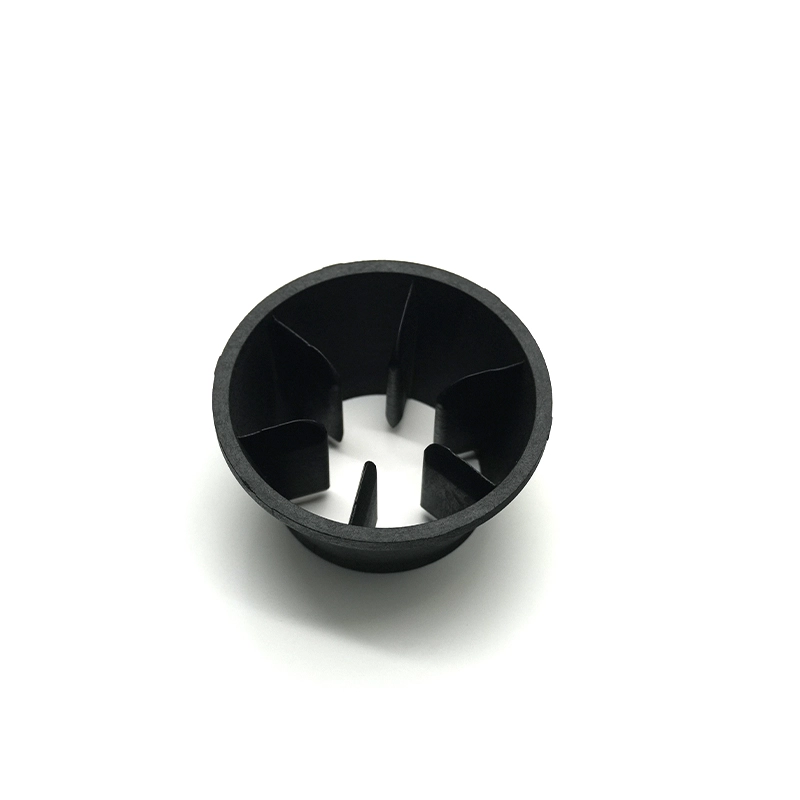
Design guide: tolerances for engineered plastic components
What is fluoroplastic ?
Prdoucts Categories
Question you may concern
FAQs
What is the delivery lead time? Do you offer global logistics?
Standard products: 5–15 working days; custom modifications: 2–4 weeks. We support global air/sea freight and provide export customs clearance documents (including REACH/UL certifications).
Can Bost customize modified plastics with special properties?
Yes! We offer modification services such as reinforcement, flame retardancy, conductivity, wear resistance, and UV resistance, for example:
• Adding carbon fiber to enhance stiffness
• Reducing the coefficient of friction through PTFE modification
• Customizing food-grade or medical-grade certified materials
How do I select the appropriate engineering plastic grade for my product?
Selection should be based on parameters such as load conditions (e.g., pressure/friction), temperature range, medium contact (e.g., oil/acid), and regulatory requirements (e.g., FDA/RoHS). Our engineers can provide free material selection consulting and sample testing.
What are the core advantages of Bost engineering plastics compared to ordinary plastics?
Bost engineering plastics feature ultra-high mechanical strength, high-temperature resistance (-50°C to 300°C), chemical corrosion resistance, and wear resistance. Compared to ordinary plastics, their service life is extended by 3 to 8 times, making them suitable for replacing metals in harsh environments.
What is the minimum order quantity (MOQ)? Do you support small-batch trial production?
The MOQ for standard products is ≥100kg. We support small-batch trial production (as low as 20kg) and provide mold testing reports and performance data feedback.
You may also like
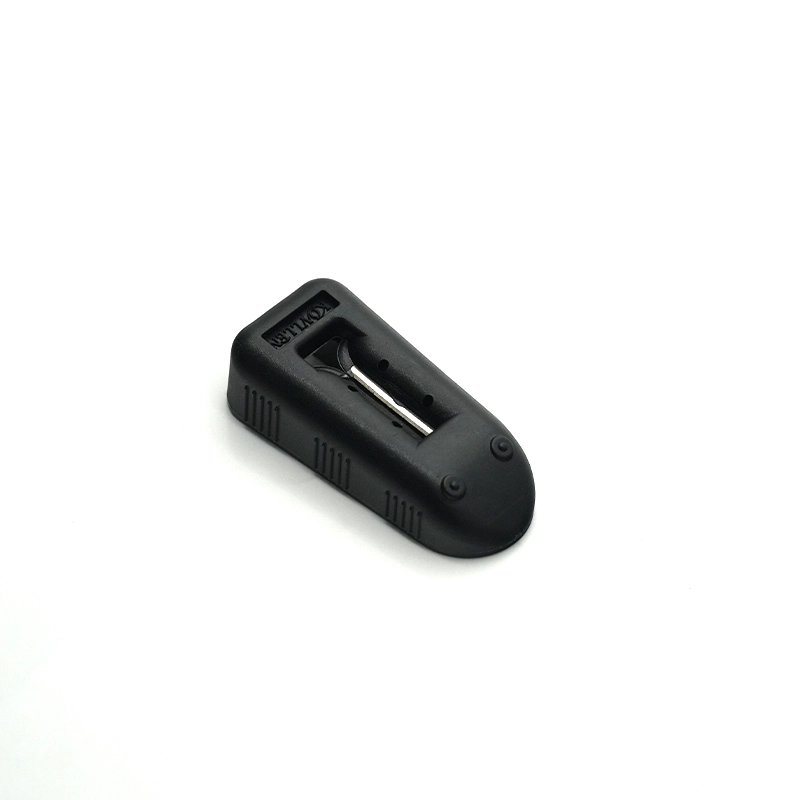
The plastic plug manufactured by Insert molding with stainless steel plate
Bost’s Insert-Molded Stainless Steel Plate Plastic Plug offers superior durability and corrosion resistance. This stainless steel insert durable plastic plug ensures a secure fit and long-lasting performance, ideal for industrial and commercial applications. Robust design meets quality standards.
The Bost custom PPO flow valve by injection molding
The BOST Custom PPO Injection-Molded Flow Valve delivers high-temp and corrosion-resistant performance for industrial flow control. Precision-engineered by Bost, this custom PPO valve ensures durable, reliable operation in demanding environments. Optimize your process with BOST’s advanced injection-molded solution.
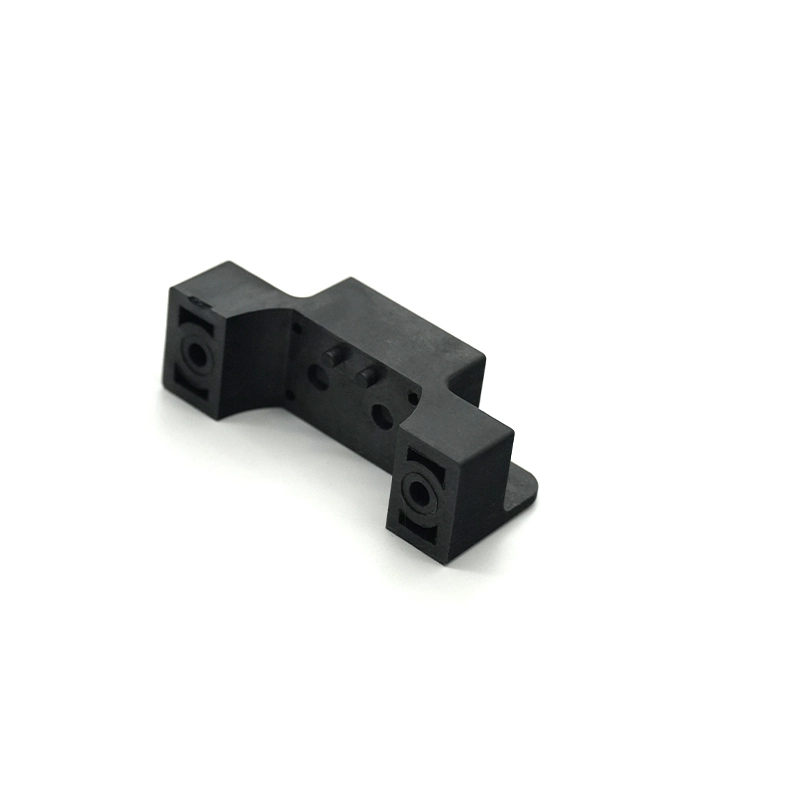
The Bost custom plastic handle by injection molding with high performance PPS material
BOST Custom PPS Injection-Molded Wear-Resistant Handle delivers superior durability and high performance. Made from High Quality PPS material, this injection-molded handle ensures exceptional wear resistance, ideal for demanding applications and long-lasting use. Choose BOST for quality and reliability.
The Bost custom flow meter by injection molding with PES plastic
The Bost Custom PES Injection-Molded Flow Meter offers high-temperature and corrosion resistance, ideal for industrial use. Made with durable PES plastic via precision injection molding, this flow meter ensures reliable, customized performance for demanding applications. Trust Bost for quality and innovation.
Get in touch with Bost
Have any questions or concerns about our products? Please leave us a message here, and our team will get back to you promptly.

24 hours quotes delivered
Submit CAD files, get quote in 24 hours

No MOQ required
From prototyping to high-volume

±0.02 mm Precision
Advanced CNC with full inspections

1,000+ tons in stock
26 materials ready to ship
© 2026 BOST. All Rights Reserved.