
 Scan QR Code
Send My Request
Quality standards and testing for engineered plastic components
Monday, 03/23/2026
This article explains quality standards and testing methods for engineered plastic components used in industrial flow control, focusing on mechanical, thermal, chemical, dimensional and process validation. It highlights best practices and references international standards to help designers, quality engineers and procurement teams select and validate parts such as the BOST Custom PPO Injection-Molded Flow Valve for high-temp, corrosion-resistant applications.
- Critical performance criteria for industrial components
- Mechanical properties: what to test and why
- Fatigue and creep for long-term reliability
- Dimensional tolerances and geometric validation
- Thermal and chemical qualification for polymer flow parts
- High-temperature testing and thermal cycling
- Chemical resistance and corrosion testing
- Comparative materials table
- Standards, certification and test methods to trust
- International and industry standards to reference
- Material traceability and certification
- Regulatory and application-specific requirements
- Process validation and production control for injection-molded valves
- Injection molding process controls
- First article inspection and sample testing
- Ongoing quality assurance and failure analysis
- Design for testing: practical recommendations
- Design features that simplify verification
- Prototyping and accelerated life testing
- Documentation and acceptance criteria
- Frequently Asked Questions (FAQ)
- Q: What makes PPO a good choice for flow valves?
- Q: Which tests should I require for incoming engineered plastic components?
- Q: How do I interpret conflicting material datasheet values?
- Q: Are there standards specifically for valve components made from plastics?
- Q: How can The BOST Custom PPO Injection-Molded Flow Valve help reduce risk?
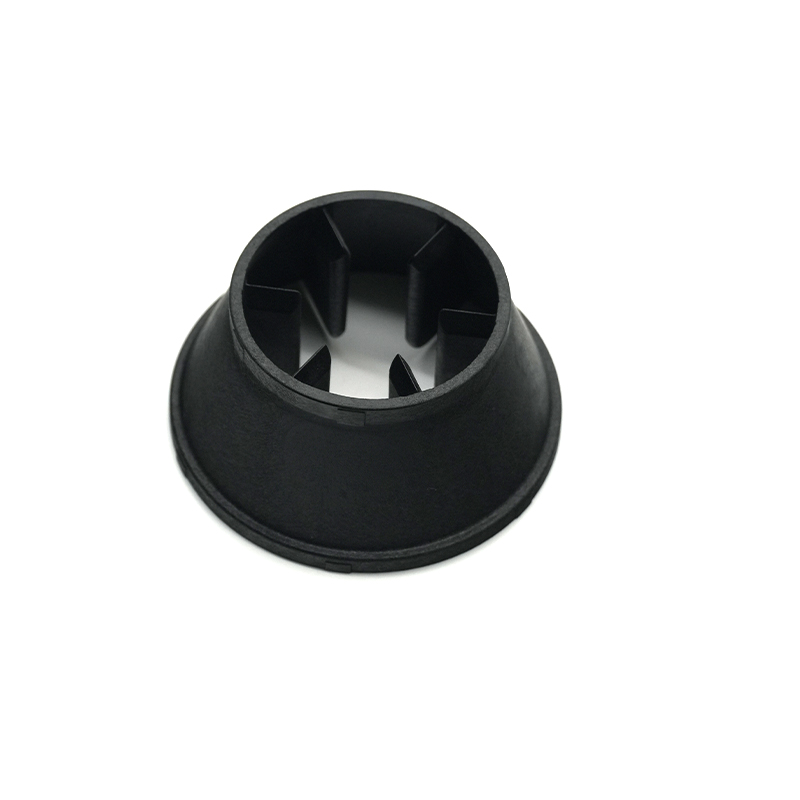
The use of engineered plastic components in industrial systems demands rigorous quality standards and reproducible testing to ensure safety, reliability and long life in harsh operating conditions. This article examines the most relevant test methods, acceptance criteria and traceability practices for polymer components used in flow control, with practical guidance for design, incoming inspection and production validation. It also highlights how The BOST Custom PPO Injection-Molded Flow Valve delivers a high-temperature, corrosion-resistant solution optimized via injection molding for demanding industrial applications.
Critical performance criteria for industrial components
Mechanical properties: what to test and why
Mechanical integrity is the first-line requirement for engineered plastic components. Typical tests include tensile, flexural and impact testing to verify that parts meet required strength, stiffness and toughness. For tensile and flexural testing, standards such as those published by ISO and ASTM International define specimen geometries and test speeds to make results comparable. Results guide material selection (for example selecting PPO over lower-grade nylons) and determine safety factors for pressure-bearing parts like flow valves.
Fatigue and creep for long-term reliability
Many engineered plastic components operate under continuous stress or cyclic loading. Time-dependent behaviors (creep) and fatigue resistance must be characterized for parts expected to last years. Use standardized long-term creep tests and accelerated fatigue protocols to estimate service life at elevated temperatures. These tests are essential for parts such as injection-molded flow valves in high-temperature process lines where polymer relaxation could cause dimensional change or loss of sealing.
Dimensional tolerances and geometric validation
Injection molding can produce complex engineered plastic components with tight tolerances, but warpage, sink and shrinkage must be quantified. Dimensional inspection methods include CMM (coordinate measuring machine), optical scanning and statistical process control (SPC) on critical features such as sealing faces, threaded interfaces and valve seats. A well-defined control plan ties nominal CAD geometry to acceptable tolerance bands and melt/process parameters to ensure reproducible valve action.
Thermal and chemical qualification for polymer flow parts
High-temperature testing and thermal cycling
For flow control in elevated temperatures, glass transition temperature (Tg), heat deflection temperature (HDT) and continuous use temperature are key metrics. Polyphenylene oxide (PPO), the base of The BOST Custom PPO Injection-Molded Flow Valve, is selected for relative thermal stability compared with many commodity plastics. For objective assessment, perform DSC (differential scanning calorimetry) to confirm Tg, and use HDT tests per ISO/ASTM methods to establish temperature thresholds beyond which dimensional stability degrades. Thermal cycling tests simulate startup/shutdown conditions that can induce microcracking or changes in sealing behavior.
Chemical resistance and corrosion testing
Chemical compatibility is a major concern for engineered plastic components used in aggressive media. Conduct immersion tests, swelling and mass-change measurements, and measure mechanical property retention after chemical exposure. Use media representative of real service (acids, bases, solvents, process-specific fluids) and document concentration, temperature and exposure time. Reference material chemical-resistance data from suppliers and databases, and verify by laboratory testing for critical applications.
Comparative materials table
Below is a concise comparison of common high-performance polymers used in engineered plastic components for flow and valve applications. Values are typical ranges—always confirm with supplier/test data for your formulation and part geometry.
| Property | PPO (typical) | PEEK (typical) | PPS (typical) |
|---|---|---|---|
| Continuous use temp (°C) | 90–140 | 250–260 | 180–200 |
| Tensile strength (MPa) | 60–75 | 90–100 | 70–95 |
| Chemical resistance | Good to most aqueous acids/bases; susceptible to some organics | Excellent to most chemicals | Excellent to chemicals; good dimensional stability |
| Typical density (g/cm³) | 1.06–1.08 | 1.30–1.32 | 1.35–1.40 |
| Cost (relative) | Moderate | High | Moderate-High |
Sources for polymer properties include material datasheets and summaries such as the PPO entry on Wikipedia and broader descriptions in the Engineering plastics overview. For specific design limits, refer to supplier datasheets and confirm through testing.
Standards, certification and test methods to trust
International and industry standards to reference
Standards provide the reproducible language needed for procurement, validation and regulatory acceptance. Use ISO and ASTM as primary references for mechanical, thermal and environmental testing. Examples include tensile and flexural methods, impact testing and dimensional tolerancing standards. For traceability and management systems, ISO 9001 provides quality system expectations for manufacturers producing engineered plastic components. See ISO and ASTM for consolidated listings of relevant standards.
Material traceability and certification
Material traceability ties raw resin lots to finished components and is a common contractual requirement in industrial supply chains. Request certificates of conformity (CoC), material test reports (MTR) or resin lot certificates from the supplier. For critical parts, consider third-party testing and retained sample programs to enable root-cause analysis if field failures occur.
Regulatory and application-specific requirements
Some applications impose additional requirements (e.g., potable water contact, food contact, or medical). Verify applicable regulations (for example regional drinking water standards or FDA guidance for food-contact plastics). Even in non-regulated industrial environments, adopting recognized test methods reduces risk and clarifies acceptance criteria with customers.
Process validation and production control for injection-molded valves
Injection molding process controls
Injection molding parameters—melt temperature, hold pressure, cooling profile and mold temperature—directly influence the performance of engineered plastic components. A validated molding process includes process windows, documented tooling maintenance, and control charts for critical dimensions and mechanical properties. For The BOST Custom PPO Injection-Molded Flow Valve, these parameters are tuned to deliver consistent sealing geometry and controlled crystalline/amorphous balance for dimensional stability in high-temp service.
First article inspection and sample testing
Before volume production, perform first article inspections (FAI) that include full dimensional reports, material verification (e.g., FTIR or DSC), functional testing of valve actuation cycles, and initial mechanical tests. FAI establishes a baseline against which production runs are compared. For flow valves, functional tests should measure leakage under pressure, actuation torque/force, and repeatability of valve stroke.
Ongoing quality assurance and failure analysis
Use SPC to detect drift in critical dimensions; combine in-line visual or camera checks with periodic destructive testing to ensure the manufactured components still meet specification. When failures occur, root-cause analysis commonly examines material batch differences, process deviations, assembly torque, or environmental exposure. Retaining detailed manufacturing records and sample archives accelerates troubleshooting.
Design for testing: practical recommendations
Design features that simplify verification
Design parts with clear datum points, inspection-friendly features and witness marks that make CMM or optical scanning easier. For valve seats and sealing faces, specify inspection planes and accessible cross-sections where engineering teams can measure wall thickness, concentricity and surface finish without destructive methods.
Prototyping and accelerated life testing
Rapid prototyping and accelerated life test (ALT) methods help validate designs before large-scale tooling investment. Use thermal ramp tests, pressure cycling and chemical soak tests at elevated concentrations to accelerate failure mechanisms and identify weak points early.
Documentation and acceptance criteria
Define Pass/Fail criteria up front in control plans and inspection sheets. Include allowable deviations, sampling plans (e.g., AQL), and corrective action thresholds. Well-documented acceptance criteria reduce ambiguity in supplier-customer dialogues and support traceability for audits.
Frequently Asked Questions (FAQ)
Q: What makes PPO a good choice for flow valves?
A: Polyphenylene oxide (PPO) balances thermal performance, dimensional stability and chemical resistance for many industrial fluids. It is often chosen when higher-temperature operation and resistance to corrosion are required, while providing cost advantages over ultra-high-performance polymers. Confirm material grade, glass transition data and chemical compatibility for your specific media and temperature.
Q: Which tests should I require for incoming engineered plastic components?
A: At minimum: a dimensional inspection report (CMM or optical), material certificate (resin lot), and functional test results (leakage pressure, actuation force for valves). For critical applications, add tensile/flexural property tests, chemical exposure tests, and a short-term thermal aging study.
Q: How do I interpret conflicting material datasheet values?
A: Datasheet values are often measured under different conditions and specimen geometries. Prefer laboratory tests performed on molded samples produced with the same tooling and processing parameters used for production parts. If in doubt, require supplier-provided test bars molded under production conditions.
Q: Are there standards specifically for valve components made from plastics?
A: There are industry standards for pressure and leakage testing of valves generally (provided by organizations like ISO and ANSI), but plastic-specific guidance is usually drawn from polymer test standards (ISO/ASTM) combined with component-level functional tests defined by the end-user. Work with suppliers to map polymer test methods to valve-level acceptance criteria.
Q: How can The BOST Custom PPO Injection-Molded Flow Valve help reduce risk?
A: The BOST valve is precision-engineered and molded using validated processes to provide consistent sealing geometry, high-temp performance and resistance to corrosive media. BOST maintains material traceability and can support FAI, functional test data and process control documentation to meet demanding industrial quality expectations.
If you have specific application conditions (temperature, chemical media, pressure, cycle rate) and need testing criteria or a quote, contact our technical team to discuss test plans, request material certificates, or arrange sample testing. View product details and request a quote for The BOST Custom PPO Injection-Molded Flow Valve today.
References: ISO (https://www.iso.org), ASTM (https://www.astm.org), Engineering plastics overview (https://en.wikipedia.org/wiki/Engineering_plastic), Polyphenylene oxide (PPO) (https://en.wikipedia.org/wiki/Polyphenylene_oxide), PlasticsEurope (https://www.plasticseurope.org/en).
Tags
High Temperature Resistance
High Temperature Resistance
custom injection molding manufacturer
custom injection molding manufacturer
stable mechanical property
stable mechanical property
High-Performance PEEK
High-Performance PEEK
custom injection molding
custom injection molding
customized injection molded plastic parts
customized injection molded plastic parts
Recommended for you
How to Specify Oil-Resistant Rubber Seal Materials for Procurement
Surface Finish Options for Black ABS Plastic Connectors
best polymers for high-temperature seals 2026
Best engineered plastic components for thermal stability
Prdoucts Categories
Question you may concern
FAQs
What is the delivery lead time? Do you offer global logistics?
Standard products: 5–15 working days; custom modifications: 2–4 weeks. We support global air/sea freight and provide export customs clearance documents (including REACH/UL certifications).
How do I select the appropriate engineering plastic grade for my product?
Selection should be based on parameters such as load conditions (e.g., pressure/friction), temperature range, medium contact (e.g., oil/acid), and regulatory requirements (e.g., FDA/RoHS). Our engineers can provide free material selection consulting and sample testing.
Can Bost customize modified plastics with special properties?
Yes! We offer modification services such as reinforcement, flame retardancy, conductivity, wear resistance, and UV resistance, for example:
• Adding carbon fiber to enhance stiffness
• Reducing the coefficient of friction through PTFE modification
• Customizing food-grade or medical-grade certified materials
What are the core advantages of Bost engineering plastics compared to ordinary plastics?
Bost engineering plastics feature ultra-high mechanical strength, high-temperature resistance (-50°C to 300°C), chemical corrosion resistance, and wear resistance. Compared to ordinary plastics, their service life is extended by 3 to 8 times, making them suitable for replacing metals in harsh environments.
What is the minimum order quantity (MOQ)? Do you support small-batch trial production?
The MOQ for standard products is ≥100kg. We support small-batch trial production (as low as 20kg) and provide mold testing reports and performance data feedback.
You may also like
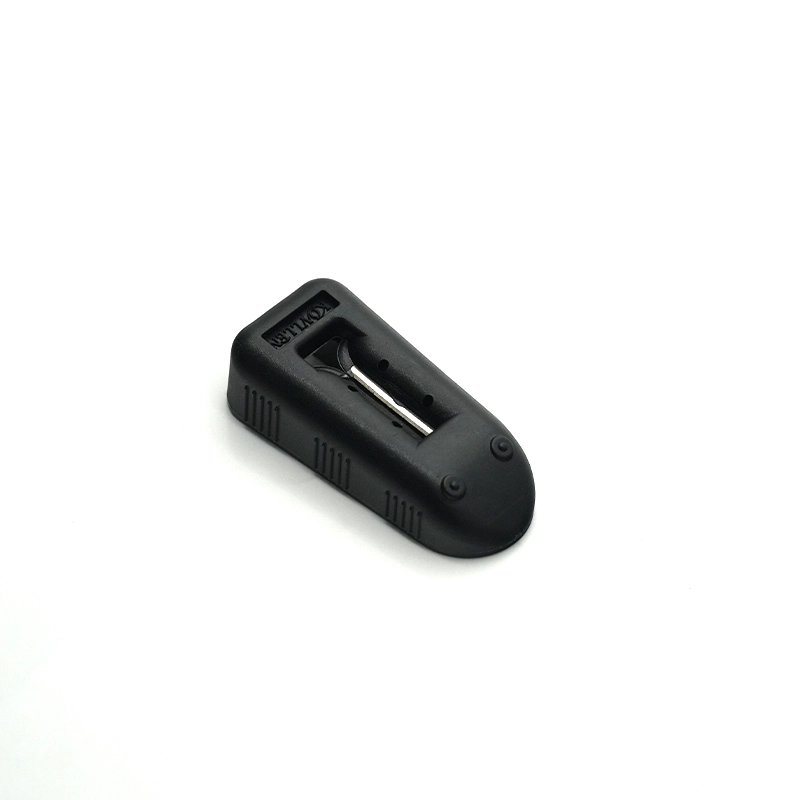
The plastic plug manufactured by Insert molding with stainless steel plate
Bost’s Insert-Molded Stainless Steel Plate Plastic Plug offers superior durability and corrosion resistance. This stainless steel insert durable plastic plug ensures a secure fit and long-lasting performance, ideal for industrial and commercial applications. Robust design meets quality standards.
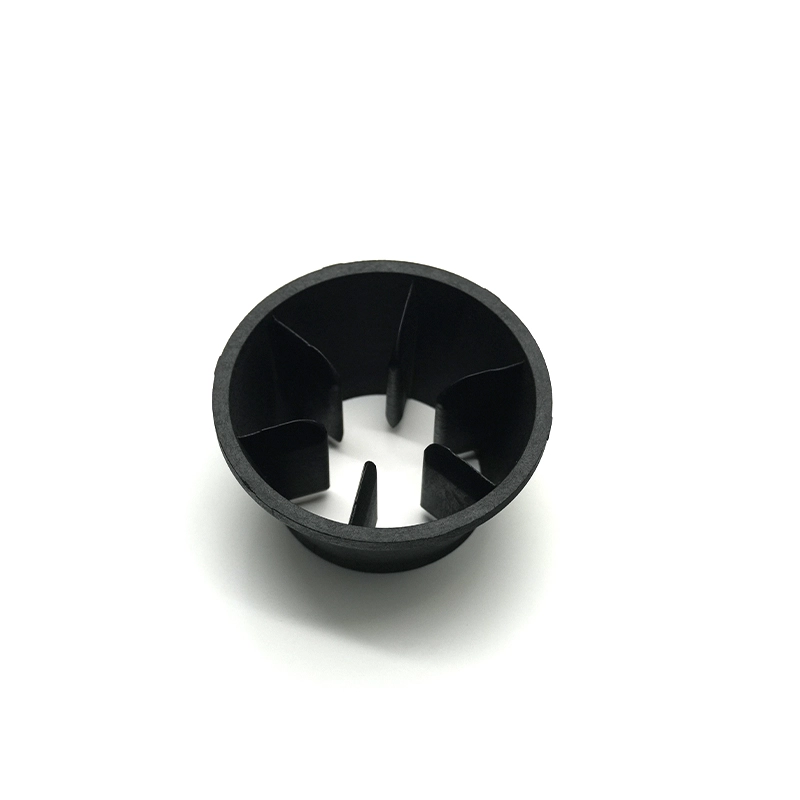
The Bost custom PPO flow valve by injection molding
The BOST Custom PPO Injection-Molded Flow Valve delivers high-temp and corrosion-resistant performance for industrial flow control. Precision-engineered by Bost, this custom PPO valve ensures durable, reliable operation in demanding environments. Optimize your process with BOST’s advanced injection-molded solution.
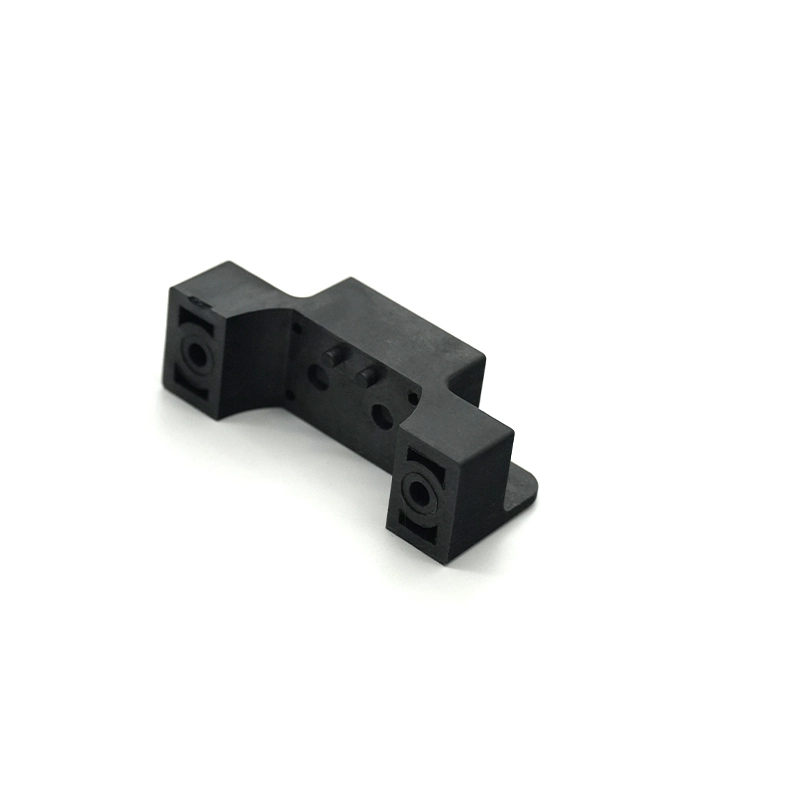
The Bost custom plastic handle by injection molding with high performance PPS material
BOST Custom PPS Injection-Molded Wear-Resistant Handle delivers superior durability and high performance. Made from High Quality PPS material, this injection-molded handle ensures exceptional wear resistance, ideal for demanding applications and long-lasting use. Choose BOST for quality and reliability.
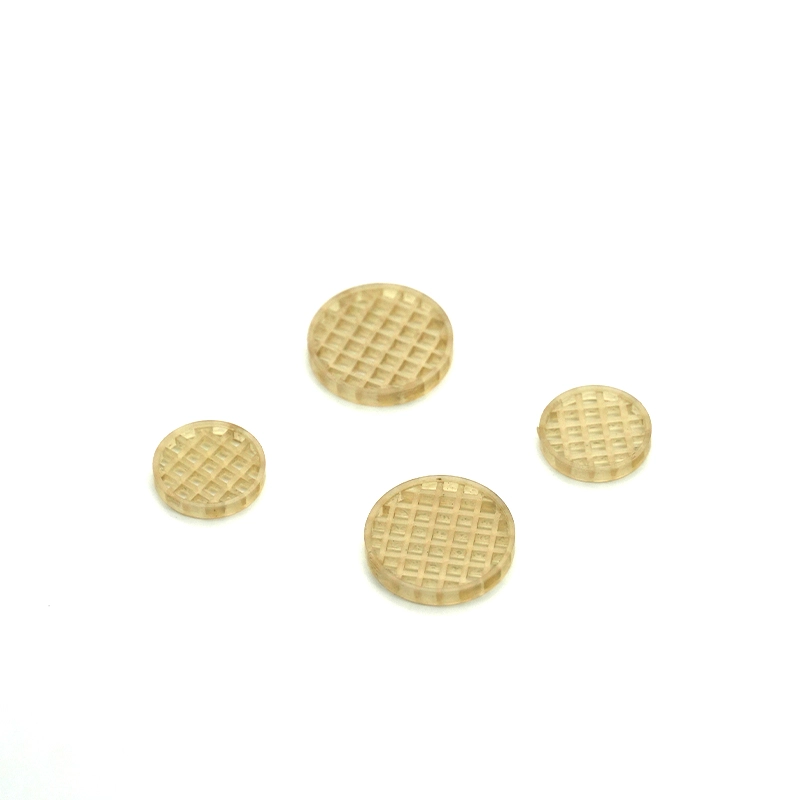
The Bost custom flow meter by injection molding with PES plastic
The Bost Custom PES Injection-Molded Flow Meter offers high-temperature and corrosion resistance, ideal for industrial use. Made with durable PES plastic via precision injection molding, this flow meter ensures reliable, customized performance for demanding applications. Trust Bost for quality and innovation.
Get in touch with Bost
Have any questions or concerns about our products? Please leave us a message here, and our team will get back to you promptly.

24 hours quotes delivered
Submit CAD files, get quote in 24 hours

No MOQ required
From prototyping to high-volume

±0.02 mm Precision
Advanced CNC with full inspections

1,000+ tons in stock
26 materials ready to ship
© 2026 BOST. All Rights Reserved.