 Scan QR Code
Send My Request
Certifications and Standards for UV-Resistant ABS Connectors
Thursday, 01/22/2026
This article explains the certifications, testing standards, and best practices for ensuring UV-resistant ABS connectors used in outdoor installations deliver long-term reliability. It covers relevant engineering plastics considerations, common laboratory and field tests (ASTM, ISO, UL), material selection, UV stabilization strategies, IP and environmental ratings, and how the Bost Black UV-Resistant ABS Outdoor Connector meets weatherproofing and durability needs for demanding applications.
- Understanding UV Resistance in ABS and Its Relevance to Engineering Plastics
- Why UV matters for outdoor ABS connectors
- How UV stabilization is implemented
- Material selection criteria for long-term outdoor use
- Key Standards and Test Methods for UV-Resistant Connectors
- Accelerated weathering: ASTM and ISO methods
- Mechanical and electrical performance post-weathering
- Flammability and safety standards
- Environmental and Regulatory Compliance for Outdoor Connectors
- Ingress protection and sealing standards (IP ratings)
- Chemical resistance and corrosion considerations
- Restricted substances and environmental regulations
- How to Specify, Test and Verify UV-Resistant ABS Connectors in Projects
- Establish relevant performance requirements
- Design for durability and maintainability
- Recommended testing matrix (example)
- Brand and Product Fit: Why Bost Black UV-Resistant ABS Outdoor Connector
- Material and manufacturing advantages
- Field-proven performance and testing evidence
- Application examples and suitability
- Practical Recommendations for Procurement and Field Use
- What to ask suppliers
- Installation and maintenance tips
- When to consider alternative materials
- FAQ — Certifications and Standards for UV-Resistant ABS Connectors
- Q: How long will a UV-resistant ABS connector last outdoors?
- Q: Is carbon black the only way to make ABS UV-resistant?
- Q: What certifications should I require when buying outdoor connectors?
- Q: How do accelerated tests translate to real-world life?
- Q: Can I repaint or coat ABS connectors to improve UV life?
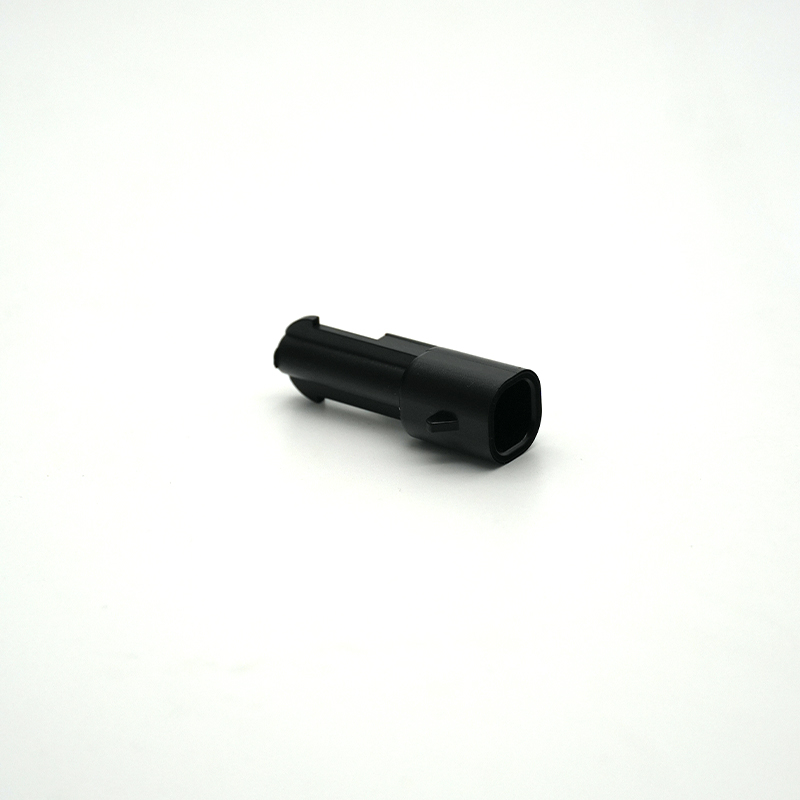
The durability of outdoor electrical and mechanical connections depends not only on design but also on proper selection of engineering plastics and adherence to international standards. For projects requiring long-lasting, weatherproof performance, the Bost Black UV-Resistant ABS Outdoor Connector combines high-quality ABS engineering plastics with UV stabilization to withstand sunlight, temperature cycles, moisture and pollution. This article outlines the key certifications and test protocols you should look for, explains how UV resistance is achieved in ABS connectors, and provides practical guidance for specification, testing, and compliance verification.
With compliance assured, design engineers can confidently address application-specific needs by evaluating key design considerations when using black UV-resistant ABS connectors.
Understanding UV Resistance in ABS and Its Relevance to Engineering Plastics
Why UV matters for outdoor ABS connectors
ABS (acrylonitrile butadiene styrene) is a widely used engineering plastics family known for toughness and dimensional stability. However, the polybutadiene phase and some styrenic components are vulnerable to UV-driven chain scission and oxidation. Left untreated, exposure to sunlight causes surface chalking, discoloration, embrittlement and reduced mechanical properties — all critical failure modes for outdoor connectors. Incorporating UV stabilization measures and validating performance with standards ensures reliable field life.
How UV stabilization is implemented
Manufacturers improve ABS UV performance using several approaches: carbon black (a strong UV absorber), HALS (hindered amine light stabilizers), UV absorbers (e.g., benzotriazoles), and optimized pigment systems. Black ABS filled with carbon black provides excellent UV barrier performance because carbon black converts UV energy to heat and prevents resin photodegradation. In engineering plastics applications like connectors, these additives are formulated to balance UV resistance, mechanical strength, and processability.
Material selection criteria for long-term outdoor use
When specifying connectors for outdoor or exposed environments, consider: UV-stabilized grades of ABS, alternative engineering plastics (polycarbonate blends, ASA, or glass-filled polymers), temperature range, chemical exposure (cleaners, salts), and electrical insulation properties. The Bost Black UV-Resistant ABS Outdoor Connector uses a high-grade ABS compound optimized for weathering, achieving an economical balance of mechanical toughness and UV durability suitable for long-term outdoor installations.
Key Standards and Test Methods for UV-Resistant Connectors
Accelerated weathering: ASTM and ISO methods
Accelerated weathering tests simulate sunlight, moisture, and temperature cycling to predict outdoor performance. Common standards include ASTM D4329 (fluorescent UV/condensation exposure) and ISO 4892-3 (xenon arc exposure). These methods expose samples to controlled UV spectral content, irradiance levels, and condensation or water spray cycles. Test duration is typically expressed in hours (e.g., 500–2000 h) and must be correlated to expected field life using field-data correlation or established equivalence tables.
Mechanical and electrical performance post-weathering
Standards require that connectors maintain mechanical integrity and electrical insulation after weathering. Typical post-test evaluations include tensile/impact testing (e.g., ISO 179/ISO 527 equivalents), dimensional inspection, dielectric strength testing, and visual inspection for cracking or embrittlement. Materials and designs that pass these criteria provide confidence that the connector will survive real-world stresses.
Flammability and safety standards
Flammability classification such as UL 94 remains relevant for many electrical connectors. UL 94 ratings (V-0, V-1, V-2, HB) describe burning behavior and dripping characteristics. For outdoor ABS connectors where fire risk must be minimized, specifying a UL 94 V-0 or V-2 rating (as demanded by the application) is common practice.
Environmental and Regulatory Compliance for Outdoor Connectors
Ingress protection and sealing standards (IP ratings)
Ingress Protection (IP) ratings defined by IEC 60529 describe resistance to solids and liquids. For outdoor connectors, IP65 (dust tight, water jets) or IP67 (dust tight, temporary immersion) are commonly required. Ensure the connector design and assembly processes are validated against the applicable IP testing protocol to confirm that seals, gaskets and mating interfaces maintain protection under mechanical stress and environmental aging.
Chemical resistance and corrosion considerations
Outdoor installations are exposed to road salts, oils, cleaners and humidity; therefore, ASTM D543 (resistance of plastics to chemical reagents) or similar test programs can be used to evaluate the effect of specific chemicals on connector housings. Engineering plastics must be evaluated against the chemical environment they will experience to avoid localized degradation or seal failure.
Restricted substances and environmental regulations
Regulatory compliance such as RoHS (Restriction of Hazardous Substances) and REACH (Registration, Evaluation, Authorisation and Restriction of Chemicals) may apply depending on market and industry. Confirm that the ABS formulation and any flame retardants or additives meet these regulatory limits. For background on chemical regulations affecting plastics, authoritative sources like the European Chemicals Agency provide guidance: ECHA.
How to Specify, Test and Verify UV-Resistant ABS Connectors in Projects
Establish relevant performance requirements
Start specifications by defining environmental exposure (latitude, UV index, salt spray, pollution), expected service life, mechanical and electrical loads, and required certifications (e.g., IP, UL, RoHS). Incorporate accelerated weathering protocols (e.g., ASTM D4329 or ISO 4892-3) with pass/fail acceptance criteria tied to retained tensile strength, impact resistance and visual condition to ensure the connector will meet field expectations.
Design for durability and maintainability
Connector geometry, gasket design, and mating tolerances influence long-term sealing. Use robust sealing materials (silicone or EPDM gaskets), corrosion-resistant contacts (plated copper alloys), and strain relief features. Consider future maintenance: modular designs and replaceable seals simplify repairs, extending the installed life of systems using engineering plastics components.
Recommended testing matrix (example)
Below is a condensed example testing matrix to validate UV-resistant ABS connectors. This table helps procurement and engineering teams plan verification activities.
| Test | Standard | Purpose | Typical Acceptance Criteria |
|---|---|---|---|
| Accelerated UV/Condensation | ASTM D4329 / ISO 4892-3 | Simulate sunlight & moisture | No cracking; ≥80% retained tensile or impact |
| IP Rating (Ingress) | IEC 60529 | Dust & water resistance | Meet specified IP65 / IP67 performance |
| Flammability | UL 94 | Burn behavior | V-0 or V-2 as required |
| Chemical Resistance | ASTM D543 | Exposure to oils/cleaners/salts | No significant swelling, cracking or loss of seal |
Brand and Product Fit: Why Bost Black UV-Resistant ABS Outdoor Connector
Material and manufacturing advantages
The Bost Black UV-Resistant ABS Outdoor Connector uses a carefully formulated ABS compound with UV stabilizers and carbon black pigmentation to provide robust sunlight protection while preserving mechanical toughness. Precision molding and controlled filler content ensure consistent dielectric properties and dimensional accuracy — important characteristics in high-volume production and engineering plastics applications.
Field-proven performance and testing evidence
Bost validates weathering resistance through accelerated UV testing correlated to field data, IP ingress testing for sealing reliability, and mechanical testing after weathering cycles. These verification steps align with common engineering plastics test protocols (ASTM and ISO series) and help customers specify connectors with predictable lifetimes in outdoor environments.
Application examples and suitability
Typical applications include outdoor lighting, signage, telecommunications enclosures, sensor housings, and external electrical junctions — wherever a weatherproof, UV-stable connector is needed. The product’s balance of economics, UV resistance, and environmental sealing makes it a practical choice across multiple industries that rely on durable engineering plastics components.
Practical Recommendations for Procurement and Field Use
What to ask suppliers
Request data sheets showing ABS grade and UV additives, accelerated weathering test reports (ASTM D4329 / ISO 4892-3), IP test certificates (IEC 60529), and UL or other safety lists when applicable. Clarify warranty coverage for outdoor exposure and ask about field references in similar climates to yours.
Installation and maintenance tips
For best performance, install connectors per manufacturer torque and sealing instructions, avoid prolonged exposure to harsh chemicals that exceed the tested chemical resistance, and schedule periodic inspections in high-UV or seaside environments. If paint or coatings are applied, ensure they are compatible with ABS and do not compromise sealing surfaces.
When to consider alternative materials
If you require superior UV resistance without carbon black color (e.g., specific color matching), consider ASA (acrylonitrile styrene acrylate) or UV-stabilized polycarbonate blends that offer improved color stability. For extreme temperature or chemical environments, glass-filled engineering plastics or specialty polymers may be more appropriate.
FAQ — Certifications and Standards for UV-Resistant ABS Connectors
Q: How long will a UV-resistant ABS connector last outdoors?
A: Service life depends on UV index, temperature cycles, pollution and mechanical strain. UV-stabilized black ABS connectors from reputable manufacturers typically provide many years (5–15+ years) of reliable performance in moderate climates. Accelerated weathering data correlated to field exposure give the best projection for specific applications.
Q: Is carbon black the only way to make ABS UV-resistant?
A: No. Carbon black is highly effective and widely used, especially for black parts. However, UV absorbers and HALS chemistries, protective coatings, and alternative UV-stable resins (e.g., ASA) are also used when color or transparency requirements prevent carbon black usage.
Q: What certifications should I require when buying outdoor connectors?
A: At minimum, request accelerated weathering test reports (ASTM D4329 or ISO 4892-3), IP rating test certificates (IEC 60529), and relevant safety/flame tests (e.g., UL 94). For market-specific compliance, confirm RoHS/REACH documentation and any industry-specific approvals (telecom, automotive, etc.).
Q: How do accelerated tests translate to real-world life?
A: Accelerated tests use elevated irradiance, temperature and moisture cycling to simulate years of exposure in weeks or months. Correlation requires field exposure data or established conversion factors; suppliers should provide comparable field data or conservative safety margins when translating accelerated hours to expected outdoor service years.
Q: Can I repaint or coat ABS connectors to improve UV life?
A: Specialized coatings designed for plastics can add protection, but compatibility is critical. Coatings must adhere without causing stress cracking, not fill or block seals, and withstand thermal expansion differences. Consult the connector manufacturer before applying coatings.
For more technical specifications, test reports, or to request samples of the Bost Black UV-Resistant ABS Outdoor Connector, please contact our sales team or view the product details.
Tags
Wear-Resistant Fastening
Wear-Resistant Fastening
Precision-Fit Cover Plate
Precision-Fit Cover Plate
custom plastic injection moulding
custom plastic injection moulding
nylon worm gear plastic gears
nylon worm gear plastic gears
custom plastic spur gears
custom plastic spur gears
NBR material seal
NBR material seal
Recommended for you
Engineering Plastics Guide: Types, Properties, and Applications
PE Plastic Bushes: Benefits vs Metal Bushings
RoHS and REACH Compliance for Plastic Connectors
Quality Control Checklist for PP Plastic Spacer Suppliers
Prdoucts Categories
Question you may concern
FAQs
What are the core advantages of Bost engineering plastics compared to ordinary plastics?
Bost engineering plastics feature ultra-high mechanical strength, high-temperature resistance (-50°C to 300°C), chemical corrosion resistance, and wear resistance. Compared to ordinary plastics, their service life is extended by 3 to 8 times, making them suitable for replacing metals in harsh environments.
How do I select the appropriate engineering plastic grade for my product?
Selection should be based on parameters such as load conditions (e.g., pressure/friction), temperature range, medium contact (e.g., oil/acid), and regulatory requirements (e.g., FDA/RoHS). Our engineers can provide free material selection consulting and sample testing.
Can Bost customize modified plastics with special properties?
Yes! We offer modification services such as reinforcement, flame retardancy, conductivity, wear resistance, and UV resistance, for example:
• Adding carbon fiber to enhance stiffness
• Reducing the coefficient of friction through PTFE modification
• Customizing food-grade or medical-grade certified materials
What is the delivery lead time? Do you offer global logistics?
Standard products: 5–15 working days; custom modifications: 2–4 weeks. We support global air/sea freight and provide export customs clearance documents (including REACH/UL certifications).
What is the minimum order quantity (MOQ)? Do you support small-batch trial production?
The MOQ for standard products is ≥100kg. We support small-batch trial production (as low as 20kg) and provide mold testing reports and performance data feedback.
You may also like
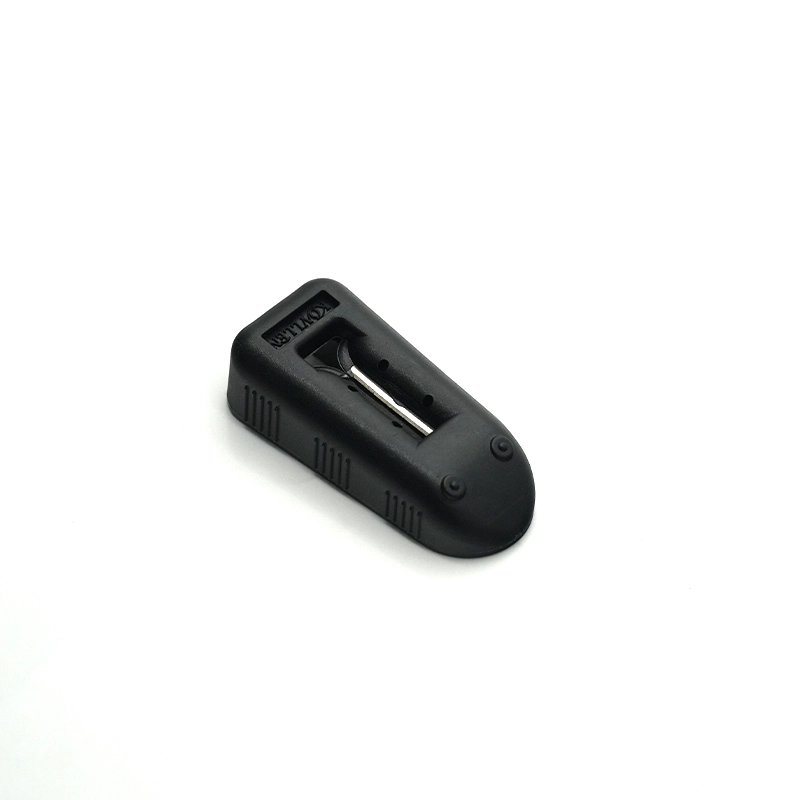
The plastic plug manufactured by Insert molding with stainless steel plate
Bost’s Insert-Molded Stainless Steel Plate Plastic Plug offers superior durability and corrosion resistance. This stainless steel insert durable plastic plug ensures a secure fit and long-lasting performance, ideal for industrial and commercial applications. Robust design meets quality standards.
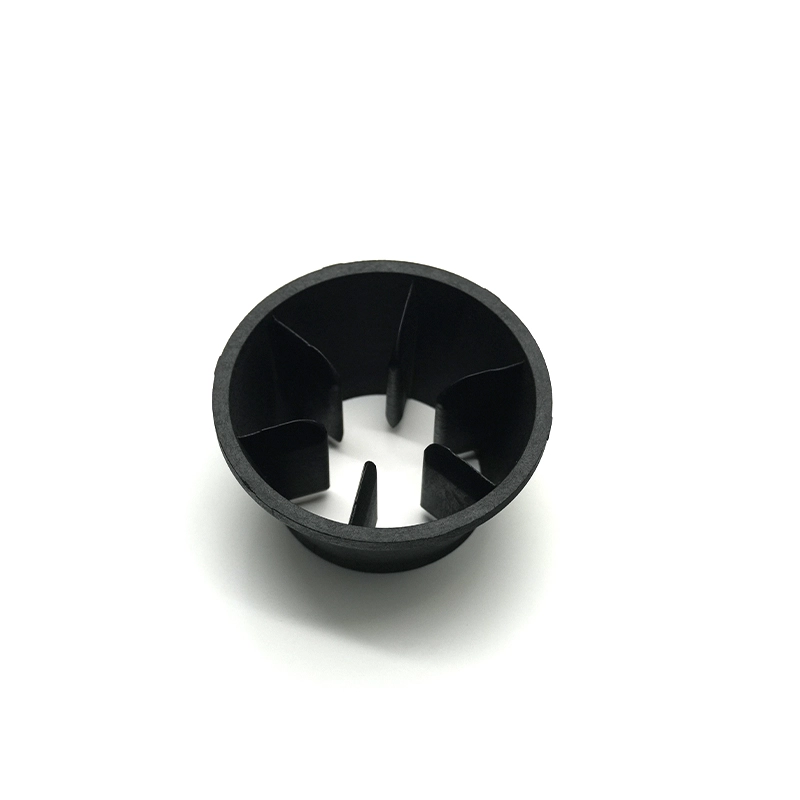
The Bost custom PPO flow valve by injection molding
The BOST Custom PPO Injection-Molded Flow Valve delivers high-temp and corrosion-resistant performance for industrial flow control. Precision-engineered by Bost, this custom PPO valve ensures durable, reliable operation in demanding environments. Optimize your process with BOST’s advanced injection-molded solution.
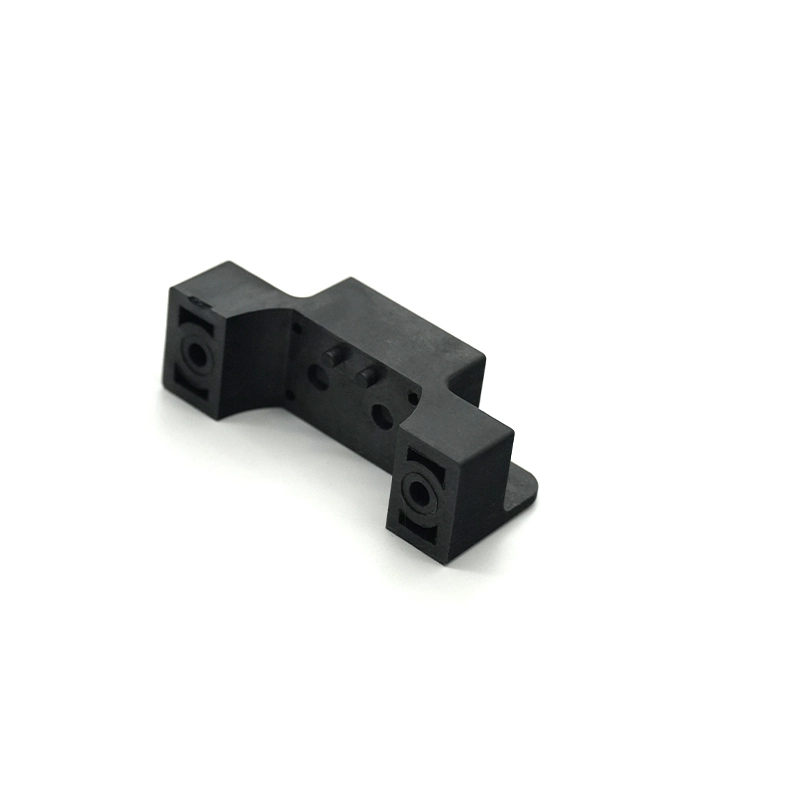
The Bost custom plastic handle by injection molding with high performance PPS material
BOST Custom PPS Injection-Molded Wear-Resistant Handle delivers superior durability and high performance. Made from High Quality PPS material, this injection-molded handle ensures exceptional wear resistance, ideal for demanding applications and long-lasting use. Choose BOST for quality and reliability.
The Bost custom flow meter by injection molding with PES plastic
The Bost Custom PES Injection-Molded Flow Meter offers high-temperature and corrosion resistance, ideal for industrial use. Made with durable PES plastic via precision injection molding, this flow meter ensures reliable, customized performance for demanding applications. Trust Bost for quality and innovation.
Get in touch with Bost
Have any questions or concerns about our products? Please leave us a message here, and our team will get back to you promptly.

24 hours quotes delivered
Submit CAD files, get quote in 24 hours

No MOQ required
From prototyping to high-volume

±0.02 mm Precision
Advanced CNC with full inspections

1,000+ tons in stock
26 materials ready to ship
© 2026 BOST. All Rights Reserved.