
 Scan QR Code
Send My Request
Breaking Tolerance Limits: How Precision Plastic Injection Molding Solves Mass Production Challenges for Complex Custom Plastic Parts
2026-03-13
Bost’s expert custom plastic parts injection molding breaks tolerance limits to tackle mass production challenges. Discover how precision molding delivers high-quality, complex custom plastic parts efficiently, ensuring consistency and superior performance for your business needs.
- Why Do Standard Processes Frequently Fail? Understanding the Core Differences of Precision Plastic Injection Molding
- 1. Meticulous Precision Mold Design and Machining
- 2. Ultimate Closed-Loop Control of the Injection Molding Process
- Real Workshop Case: Eliminating Eccentricity and Warpage in Medical-Grade Custom Plastic Parts
- Conclusion: Find a Knowledgeable Manufacturing Partner to Bring Your Design to Life
In today's advanced manufacturing industry, whether it's miniature fluid valves for medical devices or high-frequency radar housings for automotive ADAS systems, product design is racing toward being "smaller, lighter, and more complex." When companies need to develop and mass-produce custom plastic parts with extremely high precision requirements, traditional manufacturing processes are often backed into a corner. While ordinary injection molding factories are still feeling complacent about a ±0.1mm tolerance, top-tier engineers in the industry are already pursuing absolute precision at the micron level.
As practitioners who have spent years fighting on the front lines of the production floor, we know deeply that when the tolerance requirements on a blueprint enter the range of ±0.01mm or even smaller, the entire manufacturing logic changes completely. This is exactly the realm where Precision Plastic Injection Molding shines. Today, we will peel back the layers of precision manufacturing, deeply explore this highly technical process, and see how it helps companies bridge the gap to mass production.
Why Do Standard Processes Frequently Fail? Understanding the Core Differences of Precision Plastic Injection Molding
Many purchasing managers often feel confused during price comparisons: when outsourcing the production of a batch of custom plastic parts, why do quotes from different suppliers vary by several times? The answer lies in the mastery of "precision."
Standard injection molding focuses on "filling the part," as long as there are no obvious sink marks or flash on the exterior. But Precision Plastic Injection Molding is a meticulous game of thermodynamics, rheology, and mechanical engineering. When dealing with complex geometries, any tiny variable—such as a 2°C fluctuation in workshop temperature, or a 0.1% difference in moisture content between different batches of raw materials—will directly lead to out-of-tolerance dimensions or excessive internal stress in the final product.
True precision manufacturing requires suppliers to establish absolute dominance in the following core dimensions.
1. Meticulous Precision Mold Design and Machining
The mold is the soul of the injection molding industry. In Precision Plastic Injection Molding, mold design is absolutely not just simply drawing out a cavity. To offset the anisotropic shrinkage of polymer materials during the cooling process, we must introduce high-precision Moldflow analysis systems in the early stages to simulate the flow velocity, shear rate, and temperature change of every single point of the melt within the cavity.
Furthermore, for molds used to produce highly demanding custom plastic parts, the machining accuracy must be an order of magnitude higher than the final requirement of the product. To achieve a flawless, flash-free fit, the core and cavity inserts of the mold often rely on high-end slow-feeding wire cut machines and 5-axis CNC machines for micron-level processing. If the venting groove is machined just 0.01mm too deep, it will cause fatal flash instantly upon injection for highly flowable, high-performance materials like PEEK or LCP.
2. Ultimate Closed-Loop Control of the Injection Molding Process
Having a good mold also requires top-tier equipment capable of mastering it. In our injection molding process, we prefer to use all-electric injection molding machines. Compared to traditional hydraulic machines, all-electric equipment can precisely control the screw's injection position to within 0.01mm, with an extremely low fluctuation rate in injection pressure.
But hardware is just the foundation; the real challenge lies in parameter optimization. On the actual production line, process engineers need to precisely balance multi-stage injection speeds and the holding pressure switch-over point (V/P transfer). If the holding pressure is applied too early, stress marks will appear on the product's surface; if applied too late, shrink voids will form inside the product, severely compromising mechanical strength. This ultimate mastery over the process window is the very essence of precision injection molding.
Real Workshop Case: Eliminating Eccentricity and Warpage in Medical-Grade Custom Plastic Parts
Theory is shallow without practice; let's look at a real customer complaint case that happened in our workshop. A medical pump manufacturer was testing their new generation of micro infusion pumps and found severe abnormal noise and jamming in the gear transmission module. After analysis, the problem was traced to a custom plastic part (a transmission gear) with a diameter of only 8mm made of POM (Polyoxymethylene). Because the original supplier's process was not up to standard, the gear suffered from microscopic elliptical eccentric deformation after molding.
Due to the critical nature of the medical industry, there was no room for error in this project. Once our engineering team took over, we immediately brought it into our standard Precision Plastic Injection Molding workflow. We discovered that the cooling water channel design of the original mold was too simplistic, causing inconsistent cooling rates between the gear teeth and the central axis, which resulted in internal stress warpage.
We re-optimized the mold by adding beryllium copper inserts inside the gear axis to accelerate heat dissipation. Simultaneously, we adopted an extremely gentle, multi-stage stepped holding pressure strategy on the injection machine, allowing the POM material to crystallize slowly and uniformly within the mold cavity. The final mass-produced gears delivered not only had their eccentricity strictly controlled to within 0.005mm but also featured an extremely high surface finish, completely solving the abnormal noise issue of the client's infusion pump.
Conclusion: Find a Knowledgeable Manufacturing Partner to Bring Your Design to Life
In today's rapidly changing market, an excellent product design is merely the entry ticket. The ability to translate complex blueprints into stable, high-quality custom plastic parts is a company's true moat. Precision Plastic Injection Molding is not a capability that can be acquired simply by buying and selling equipment; it is a foundation built upon countless problem-solving efforts and endless days and nights of technological research by the factory.
At BOST, we deeply understand that behind every microscopic dimension lies the client's ultimate pursuit of quality. With over a decade of experience in precision injection molding, top-tier processing equipment, and a rigorous quality control system, we have helped numerous B2B clients worldwide cross the chasm from R&D to mass production.
Is your next project also facing extremely stringent tolerance challenges or complex structural difficulties? Do not let outdated manufacturing processes limit the pace of your innovation. We invite you to visit our official website at https://www.gz-bost.com today and submit your 3D drawings. Let our senior engineering team provide you with in-depth DFM analysis and highly competitive quotes for your high-precision custom plastic parts!
Recommended for you
Pushing Limits: How PEEK injection molding is Reshaping Precision Manufacturing in Medical and Aerospace
In-Depth Analysis of High Performance Plastic Injection Molding: Conquering Precision Manufacturing Challenges in Extreme Environments
How to Evaluate a Reliable "Injection Molding Manufacturer"? Three Technical Observations from Bost
Decoding High-Performance "Custom Injection Molding Parts": Bost's Three Critical Gates to Reliable Molding
Prdoucts Categories
FAQ
FAQs
What are the core advantages of Bost engineering plastics compared to ordinary plastics?
Bost engineering plastics feature ultra-high mechanical strength, high-temperature resistance (-50°C to 300°C), chemical corrosion resistance, and wear resistance. Compared to ordinary plastics, their service life is extended by 3 to 8 times, making them suitable for replacing metals in harsh environments.
What is the delivery lead time? Do you offer global logistics?
Standard products: 5–15 working days; custom modifications: 2–4 weeks. We support global air/sea freight and provide export customs clearance documents (including REACH/UL certifications).
What is the minimum order quantity (MOQ)? Do you support small-batch trial production?
The MOQ for standard products is ≥100kg. We support small-batch trial production (as low as 20kg) and provide mold testing reports and performance data feedback.
Can Bost customize modified plastics with special properties?
Yes! We offer modification services such as reinforcement, flame retardancy, conductivity, wear resistance, and UV resistance, for example:
• Adding carbon fiber to enhance stiffness
• Reducing the coefficient of friction through PTFE modification
• Customizing food-grade or medical-grade certified materials
How do I select the appropriate engineering plastic grade for my product?
Selection should be based on parameters such as load conditions (e.g., pressure/friction), temperature range, medium contact (e.g., oil/acid), and regulatory requirements (e.g., FDA/RoHS). Our engineers can provide free material selection consulting and sample testing.
You may also like
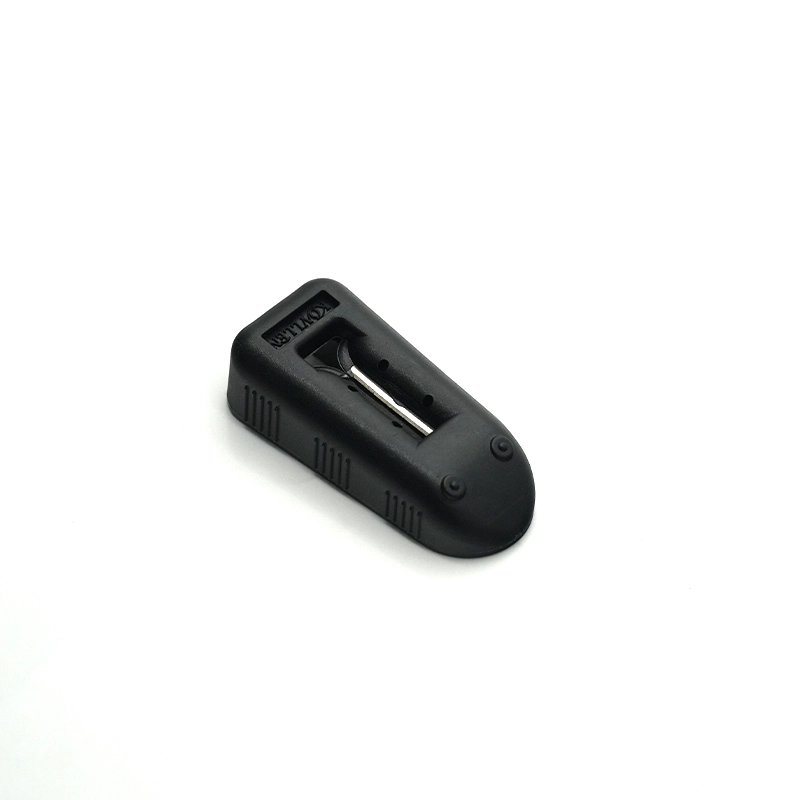
The plastic plug manufactured by Insert molding with stainless steel plate
More Details →
The plastic plug manufactured by Insert molding with stainless steel plate
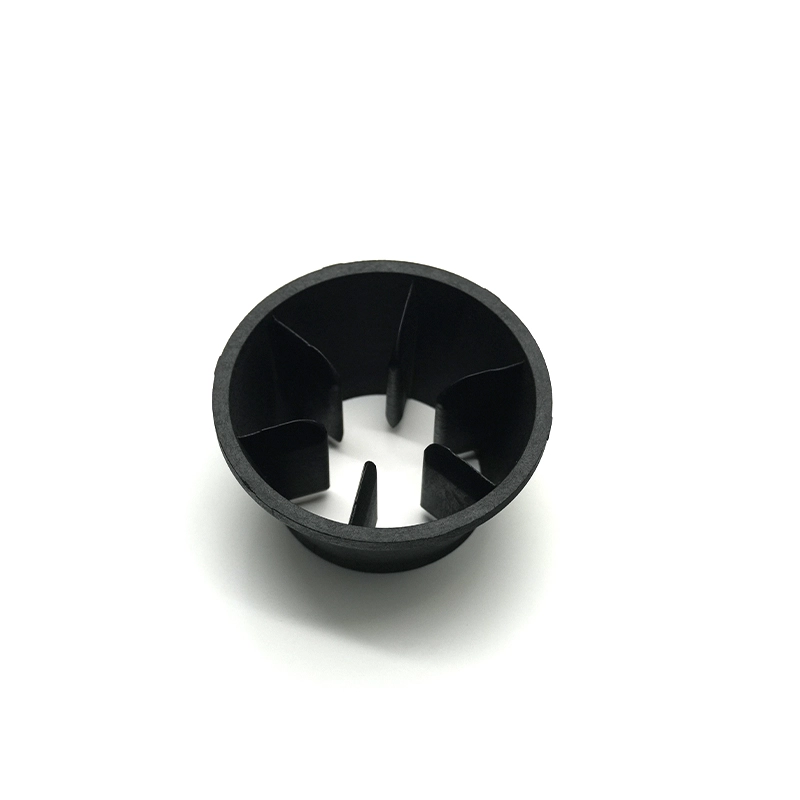
The Bost custom PPO flow valve by injection molding
More Details →
The Bost custom PPO flow valve by injection molding
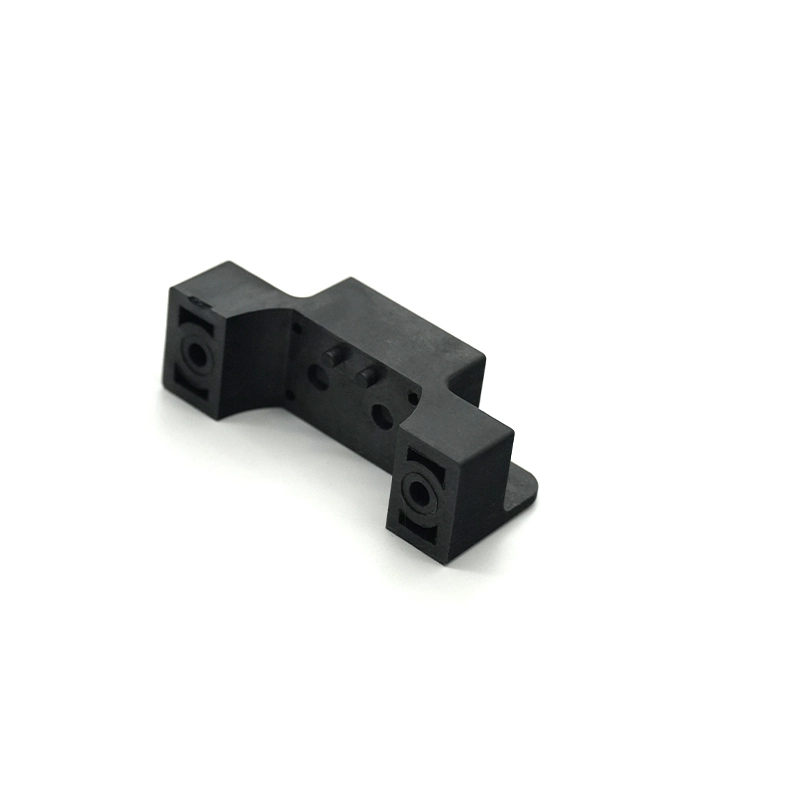
The Bost custom plastic handle by injection molding with high performance PPS material
More Details →
The Bost custom plastic handle by injection molding with high performance PPS material
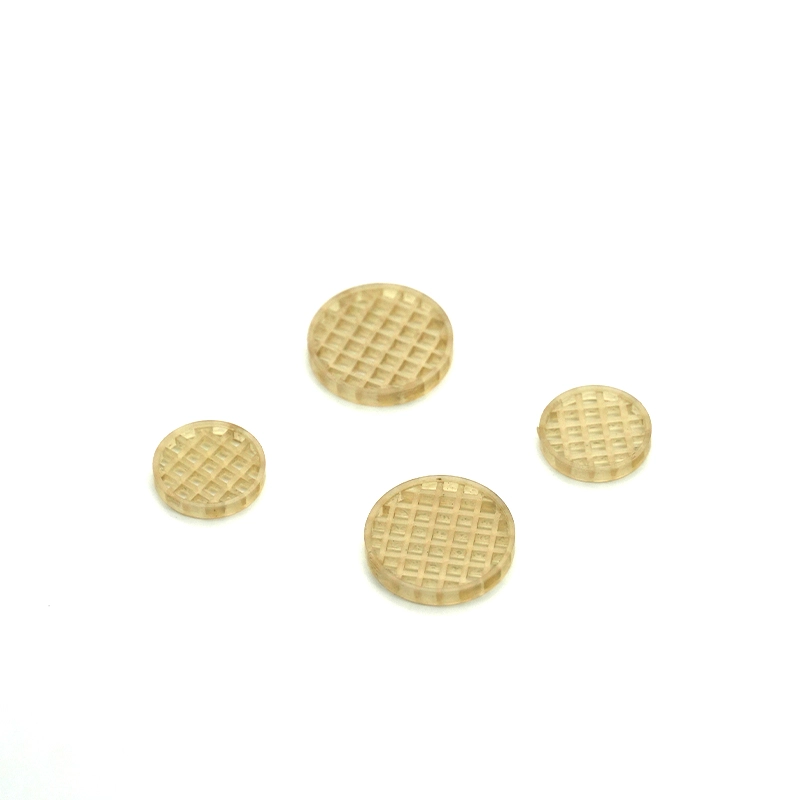
The Bost custom flow meter by injection molding with PES plastic
More Details →
The Bost custom flow meter by injection molding with PES plastic
Leave a Message
Have any questions or concerns about our products? Please leave us a message here, and our team will get back to you promptly.

24 hours quotes delivered
Submit CAD files, get quote in 24 hours

No MOQ required
From prototyping to high-volume

±0.02 mm Precision
Advanced CNC with full inspections

1,000+ tons in stock
26 materials ready to ship
© 2026 BOST. All Rights Reserved.