
 Scan QR Code
Send My Request
In-Depth Analysis of High Performance Plastic Injection Molding: Conquering Precision Manufacturing Challenges in Extreme Environments
2026-03-13
Bost's high performance plastic injection molding delivers precision components for extreme environments. We conquer manufacturing challenges with advanced materials and engineering, ensuring reliability where it matters most.
- In-Depth Analysis of High Performance Plastic Injection Molding: Conquering Precision Manufacturing Challenges in Extreme Environments
- Why Has High Performance Plastic Injection Molding Become a Necessity for High-End Manufacturing?
- Overcoming the Core Technical Barriers in the Injection Molding Process
- 1. Thermal Management and Temperature Control at Extreme Limits
- 2. Tailor-Made Mold Design for Specialty Materials
- 3. Balancing Screw Structure and Shear Heat
- Real Scenario Reconstruction: Solving Critical Customer Pain Points
- Finding a Reliable Injection Molding Partner: Start Your Precision Manufacturing Journey
In-Depth Analysis of High Performance Plastic Injection Molding: Conquering Precision Manufacturing Challenges in Extreme Environments
In today's advanced manufacturing sector, engineers are facing unprecedented challenges: how to reduce product weight while ensuring that components maintain absolute structural integrity in extreme high temperatures, high pressures, and highly corrosive environments? As traditional metal materials are gradually phased out due to issues with weight, processing costs, or electromagnetic interference, high performance plastic injection molding has emerged as the key to breaking through these bottlenecks.
As a practitioner deeply involved in the injection molding industry for many years, we have seen far too many project failures on the production line caused by improper material selection or out-of-control process parameters. When searching for injection molding suppliers, many buyers and engineers often focus solely on the bottom-line quote, completely overlooking the highly complex physical and chemical changes that high-performance polymers (such as PEEK, PPS, PEI, etc.) undergo during the actual molding process. Today, from the perspective of real-world production, we will deeply deconstruct the underlying logic of high performance plastic injection molding and explore how to truly solve those manufacturing pain points that give engineers headaches through scientific mold design and injection molding processes.
Why Has High Performance Plastic Injection Molding Become a Necessity for High-End Manufacturing?
Commodity plastics (like PP and ABS) perform excellently in everyday consumer goods, but they are often completely inadequate in aerospace, medical devices, and under-the-hood applications of new energy vehicles. The molecular chain structure of high-performance plastics endows them with exceptional thermal stability, mechanical strength, and chemical resistance.
However, transforming these top-of-the-pyramid materials into high-precision components is inseparable from the support of high performance plastic injection molding technology. This is not simply about melting pellets and injecting them into a mold; it is a systematic engineering feat involving thermodynamics, fluid dynamics, and polymer materials science. Through mature precision injection molding techniques, we can achieve:
-
True "Plastic Replacing Steel": Achieving up to 50% weight reduction while maintaining or even surpassing the strength of certain metals.
-
Complex Geometric Integration: Consolidating parts that originally required welding or assembling multiple metal pieces into a single molded component, drastically reducing assembly costs and potential failure risks.
-
Stringent Tolerance Control: In medical implants or precision electronic connectors, a microscopic dimensional deviation can lead to fatal consequences. High-performance injection molding can lock tolerances down to the micron level.
Overcoming the Core Technical Barriers in the Injection Molding Process
On the front lines of the production floor, we know full well that high performance plastic injection molding is by no means an easy task. The higher the performance ceiling of the material, the narrower its processing window becomes. Below are several core dimensions that we must strictly control in the workshop every single day.
1. Thermal Management and Temperature Control at Extreme Limits
High-performance plastics typically have extremely high melting points. Taking PEEK as an example, its processing temperature often needs to reach between 380°C and 400°C, and the mold temperature must be stably maintained at 160°C to over 200°C. If the mold temperature is too low, the material will undergo poor crystallization the moment it touches the mold wall, resulting in cold slugs on the product surface, a sudden increase in internal stress, and ultimately brittle fracture during use by the end customer.
To solve this problem, we need to equip our injection molding machines with high-temperature oil controllers and design extremely complex conformal cooling (or heating) water channels inside the mold to ensure uniform temperature distribution across every inch of the cavity surface. This extreme pursuit of thermal management is a prerequisite for the success of high performance plastic injection molding.
2. Tailor-Made Mold Design for Specialty Materials
When dealing with high-performance materials, traditional mold design experience often fails. This is because these materials exhibit entirely different rheological properties under high temperatures and high pressures. When we carry out mold design, we must run hundreds of simulations in advance using mold flow analysis (Moldflow) software.
-
Shrinkage and Deformation Prediction: The shrinkage rate of high-temperature materials exhibits anisotropy in different flow directions. If the gate location is improperly designed, the product is highly prone to severe warpage after cooling.
-
Optimization of the Venting System: During the high performance plastic injection molding process, extremely high injection speeds cause the air in the cavity to be rapidly compressed, generating high temperatures of several hundred degrees (the diesel effect). If the venting grooves are not reasonably designed, the edges of the material will be directly burned and charred.
3. Balancing Screw Structure and Shear Heat
The core of an injection molding machine is the screw. For high-performance plastics reinforced with glass or carbon fibers (such as 30% glass-fiber reinforced PPS), if the compression ratio or flight depth of the screw is incorrect, it will not only severely break the glass fibers (losing the reinforcement effect) but also generate excessive shear heat. This causes the material to degrade, yellow, or even carbonize directly inside the barrel. This requires suppliers to possess the hardware capability to select dedicated screw assemblies for different materials.
Real Scenario Reconstruction: Solving Critical Customer Pain Points
Let us recall a real customer pain point scenario. A top-tier medical device manufacturer once approached us with blueprints for a surgical instrument handle. Their previous supplier used standard engineering plastics, but after the product underwent repeated 134°C high-temperature and high-pressure steam sterilization (autoclaving) in the hospital, severe micro-cracking and dimensional deformation occurred, leading to water ingress and the destruction of internal electronic components.
After our team intervened, we quickly switched the strategy to a high performance plastic injection molding solution based on Radel (PPSU) material. We re-optimized the mold design, specifically implementing smooth transitions for areas with abrupt wall thickness changes, and utilized a hot runner system to reduce injection pressure loss. The final mass-produced components not only flawlessly passed over 1000 sterilization tests, but their highly polished surface finish also greatly elevated the premium feel of the end medical product. This is the direct commercial value that a professional injection molding process can bring.
Finding a Reliable Injection Molding Partner: Start Your Precision Manufacturing Journey
Undeniably, executing high-quality high performance plastic injection molding is an asset-heavy business with a high technological threshold. It requires suppliers to have not only top-tier molding equipment and precision inspection instruments but also a team of "veterans" who deeply understand materials, molds, and processes.
At BOST, we have focused for years on conquering various complex precision injection molding challenges. From early DFM (Design for Manufacturability) reviews and high-precision mold tooling to final mass production in cleanrooms, we provide B2B customers worldwide with end-to-end high-performance plastic solutions. We know that every component delivered to our customers carries the success or failure of the entire project.
Is your next project also facing challenges related to high temperature resistance, corrosion resistance, or extreme dimensional stability? Do not let process bottlenecks limit your product innovation. We invite you to visit our official website at https://www.gz-bost.com and get in touch with our senior engineering team. Let us delve into your blueprints and requirements to provide you with highly competitive high-performance injection molding solutions and accurate quotes.
Recommended for you
Breaking Tolerance Limits: How Precision Plastic Injection Molding Solves Mass Production Challenges for Complex Custom Plastic Parts
Pushing Limits: How PEEK injection molding is Reshaping Precision Manufacturing in Medical and Aerospace
How to Evaluate a Reliable "Injection Molding Manufacturer"? Three Technical Observations from Bost
Decoding High-Performance "Custom Injection Molding Parts": Bost's Three Critical Gates to Reliable Molding
Prdoucts Categories
FAQ
FAQs
What are the core advantages of Bost engineering plastics compared to ordinary plastics?
Bost engineering plastics feature ultra-high mechanical strength, high-temperature resistance (-50°C to 300°C), chemical corrosion resistance, and wear resistance. Compared to ordinary plastics, their service life is extended by 3 to 8 times, making them suitable for replacing metals in harsh environments.
Can Bost customize modified plastics with special properties?
Yes! We offer modification services such as reinforcement, flame retardancy, conductivity, wear resistance, and UV resistance, for example:
• Adding carbon fiber to enhance stiffness
• Reducing the coefficient of friction through PTFE modification
• Customizing food-grade or medical-grade certified materials
What is the delivery lead time? Do you offer global logistics?
Standard products: 5–15 working days; custom modifications: 2–4 weeks. We support global air/sea freight and provide export customs clearance documents (including REACH/UL certifications).
What is the minimum order quantity (MOQ)? Do you support small-batch trial production?
The MOQ for standard products is ≥100kg. We support small-batch trial production (as low as 20kg) and provide mold testing reports and performance data feedback.
How do I select the appropriate engineering plastic grade for my product?
Selection should be based on parameters such as load conditions (e.g., pressure/friction), temperature range, medium contact (e.g., oil/acid), and regulatory requirements (e.g., FDA/RoHS). Our engineers can provide free material selection consulting and sample testing.
You may also like
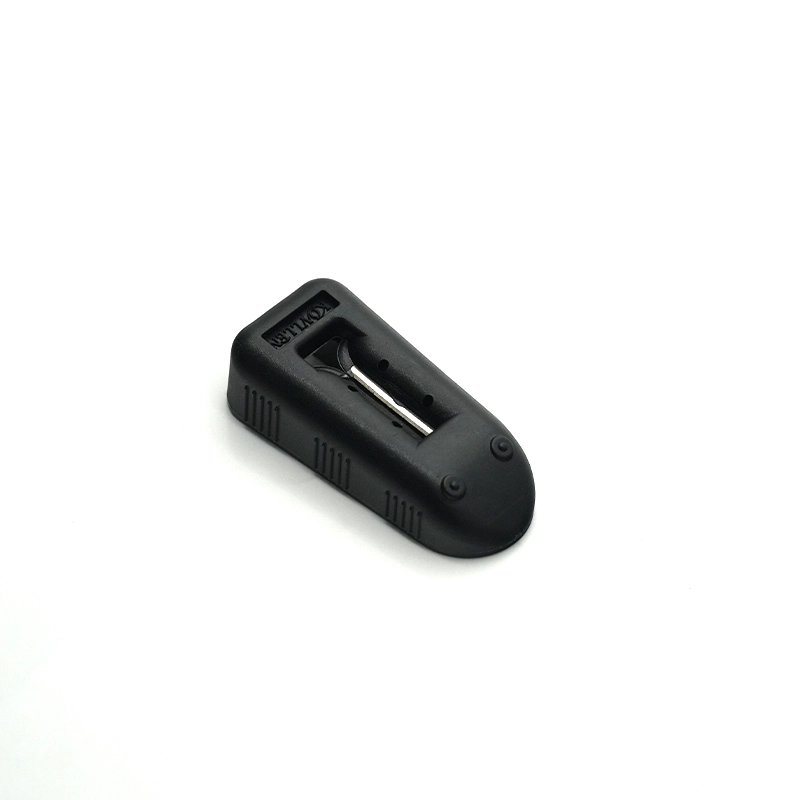
The plastic plug manufactured by Insert molding with stainless steel plate
More Details →
The plastic plug manufactured by Insert molding with stainless steel plate
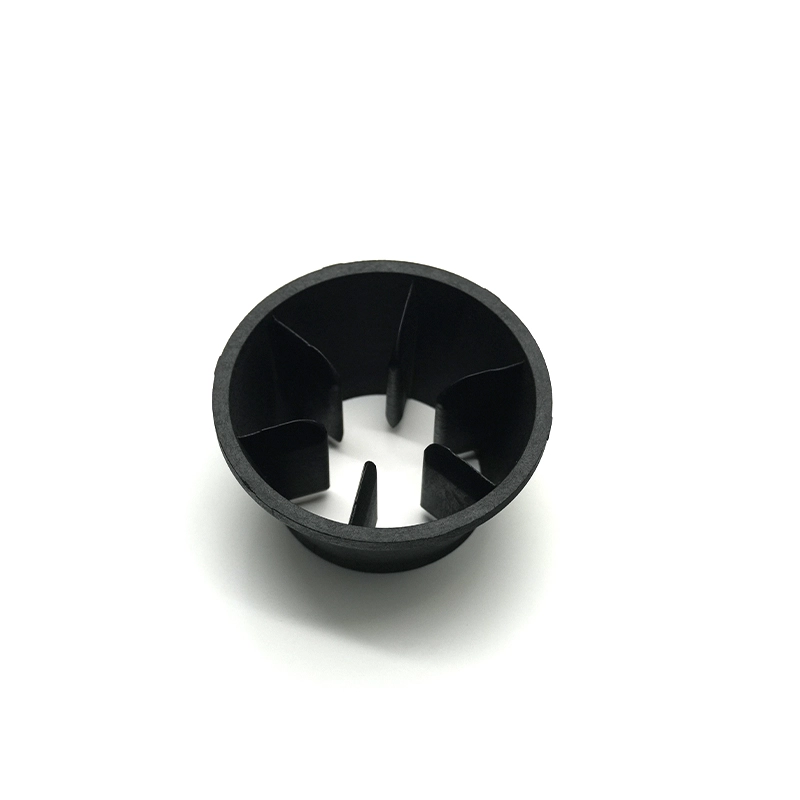
The Bost custom PPO flow valve by injection molding
More Details →
The Bost custom PPO flow valve by injection molding
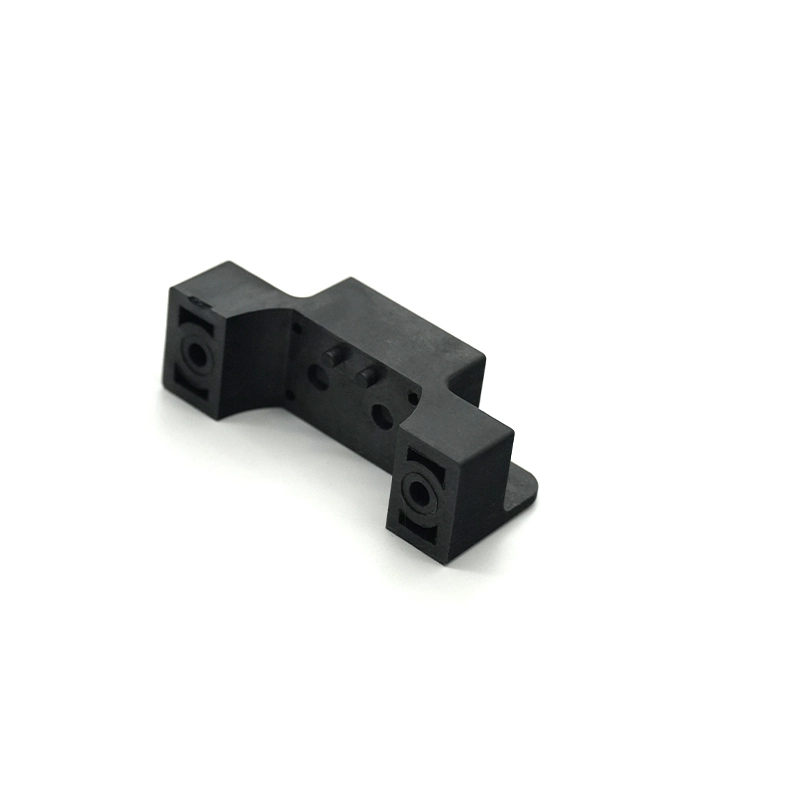
The Bost custom plastic handle by injection molding with high performance PPS material
More Details →
The Bost custom plastic handle by injection molding with high performance PPS material
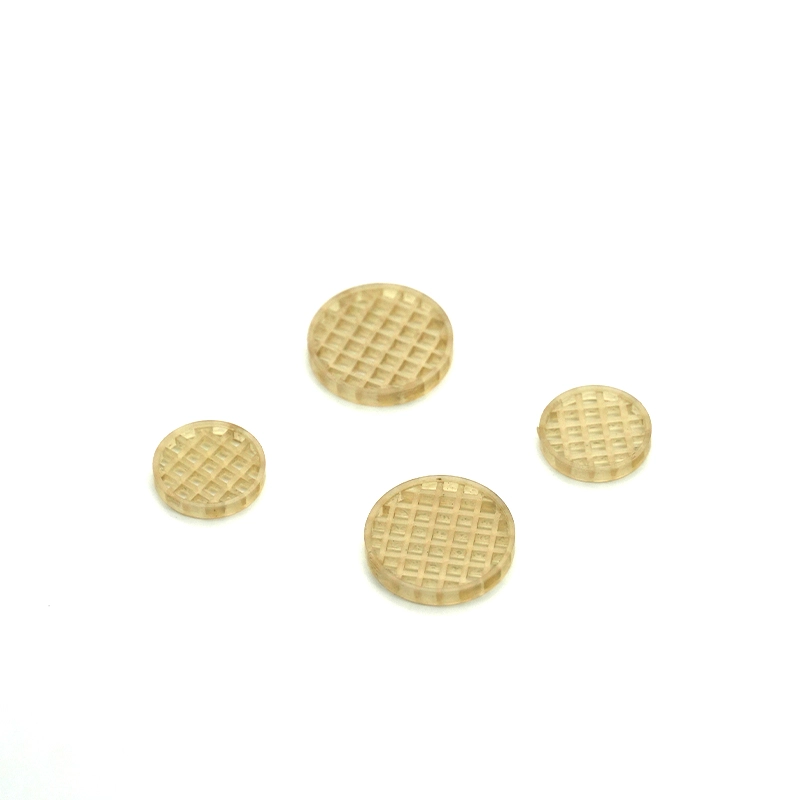
The Bost custom flow meter by injection molding with PES plastic
More Details →
The Bost custom flow meter by injection molding with PES plastic
Leave a Message
Have any questions or concerns about our products? Please leave us a message here, and our team will get back to you promptly.

24 hours quotes delivered
Submit CAD files, get quote in 24 hours

No MOQ required
From prototyping to high-volume

±0.02 mm Precision
Advanced CNC with full inspections

1,000+ tons in stock
26 materials ready to ship
© 2026 BOST. All Rights Reserved.