
 Scan QR Code
Send My Request
Pushing Limits: How PEEK injection molding is Reshaping Precision Manufacturing in Medical and Aerospace
2026-03-13
Discover how Bost leverages PEEK injection molding to redefine precision manufacturing in medical and aerospace industries. Our advanced techniques push limits, ensuring superior quality, durability, and performance for critical applications. Explore innovation with Bost’s expertise in PEEK injection molding today.
- Pushing Limits: How PEEK injection molding is Reshaping Precision Manufacturing in Medical and Aerospace
- Why is PEEK injection molding the "Touchstone" of High-End Manufacturing?
- Mastering Special Polymers: Core Process Difficulties of PEEK injection molding
- 1. Extremely Strict Thermal Management and Crystallinity Control
- 2. Mold Design Tailored for Ultra-High Temperature Environments
- 3. Injection Machine Hardware Modifications to Prevent Material Degradation
- Real Production Line Storm: Saving a Medical Device Project on the Verge of Failure
- Finding a PEEK Injection Molding Partner with Real Expertise
Pushing Limits: How PEEK injection molding is Reshaping Precision Manufacturing in Medical and Aerospace
At the very pinnacle of the special engineering plastics pyramid, Polyetheretherketone (PEEK) is undoubtedly a dazzling jewel. As a semi-crystalline thermoplastic polymer, PEEK has become the preferred alternative to traditional metals in aerospace, medical implants, and semiconductor equipment, thanks to its high melting point of up to 343°C, exceptional chemical resistance, and outstanding mechanical strength.
However, knowing the material and being able to process it flawlessly are two entirely different things. On the production line, we often see many companies attempting to produce PEEK parts through CNC machining. But when faced with complex geometries and the need for mass production, the high cost of material waste and extremely low yield rates are often prohibitive. At this point, PEEK injection molding becomes the only true solution for achieving scalable, low-cost precision manufacturing. Today, from the perspective of frontline engineers, we will deeply deconstruct this highly challenging process and see how those difficult manufacturing pain points are conquered one by one.
Why is PEEK injection molding the "Touchstone" of High-End Manufacturing?
Compared to conventional ABS or PC materials, the processing difficulty of PEEK increases exponentially. Many buyers suffer great losses when searching for suppliers if they evaluate them solely based on machine tonnage. True PEEK injection molding rigorously tests a factory's comprehensive engineering capabilities.
It is not simply a matter of melting plastic pellets and injecting them into a mold cavity. Under the extreme conditions of high temperature and high pressure, the rheological properties of the PEEK melt are extremely sensitive. If there is even a few degrees of deviation in the injection molding process parameters, the crystallinity of the product will be severely compromised, and a part that should be as solid as a rock may become as brittle as glass. It is fair to say that the ability to stably and high-quality mass-produce PEEK parts is the "touchstone" that tests whether an injection molding factory possesses top-tier precision injection molding capabilities.
Mastering Special Polymers: Core Process Difficulties of PEEK injection molding
In actual workshop operations, to perfectly control this "temperamental" material, our engineers battle the following core technical barriers every single day:
1. Extremely Strict Thermal Management and Crystallinity Control
Unlocking PEEK's performance depends heavily on its internal crystallinity. During the PEEK injection molding process, the heating temperature of the barrel usually needs to be set between 380°C and 400°C. Even more critical is the mold temperature—to allow PEEK to fully crystallize within the mold cavity (manifested by the product exhibiting an opaque beige or brownish-yellow color, rather than a translucent amorphous state), the mold temperature must be strictly and stably maintained at 170°C to over 200°C.
If the mold temperature controller lacks sufficient power, or if the temperature distribution on the cavity surface is uneven, the product surface will suffer from severe cold slugs and delamination, or even generate massive internal residual stresses, leading to catastrophic fracture of the part during use. This requires us to be equipped with dedicated ultra-high-temperature oil heaters and high-temperature-resistant insulation plates.
2. Mold Design Tailored for Ultra-High Temperature Environments
Facing a melt approaching 400°C, traditional mold design philosophies are almost entirely ineffective here. Ordinary mold steel is highly susceptible to annealing deformation under such alternating thermal stresses. Therefore, we must select high-hardness, high-heat-resistant premium hot-work tool steels (such as H13 or S136) and subject them to special heat treatments.
Furthermore, the PEEK melt generates tremendous shear friction during high-speed injection, causing the air in the cavity to be compressed and heated instantly, easily triggering the "diesel effect" which burns the edges of the product. Therefore, during the mold design phase, engineers must utilize Moldflow analysis software to accurately predict the location of weld lines and design extremely smooth venting grooves and a rational hot runner system to ensure a perfect balance between venting and filling.
3. Injection Machine Hardware Modifications to Prevent Material Degradation
Because PEEK has an extremely narrow thermal stability window at high temperatures, if the melt stays in the injection machine barrel for too long, or if an unreasonable screw compression ratio design generates excessive shear heat, the material will rapidly degrade. This results in irremovable black spots and yellow streaks on the product surface. To ensure the yield rate of PEEK injection molding, we typically need to equip our machines with dedicated low-compression-ratio, dead-corner-free screw assemblies, and utilize specific high-temperature purging materials for an extremely rigorous cleaning procedure during shutdowns or material changes.
Real Production Line Storm: Saving a Medical Device Project on the Verge of Failure
Let us share a real case we experienced a few months ago. A well-known orthopedic medical device company was driven into a corner while developing a PEEK retractor for minimally invasive spinal surgery. During the mold trials conducted by their previous supplier, not only did the product's shrinkage severely exceed tolerances, but the snap-fit areas frequently broke during simulated stress testing. With the product launch date looming and facing imminent delay, the client came to us with an almost ruined mold.
After our engineering team took over, we quickly performed sectioning and DSC (Differential Scanning Calorimetry) analysis on the failed parts. We discovered the root cause: the original supplier's mold temperature only reached 140°C, causing severely poor crystallization of the PEEK material, realizing less than 60% of its physical properties.
We decisively overhauled the mold: re-planned the distribution of internal heating cartridges, increased the cooling and holding time for critical load-bearing areas, and relocated the gates to improve molecular orientation. In the subsequent PEEK injection molding trial run, we precisely locked the mold temperature at 185°C. The ultimately delivered parts not only displayed a perfectly uniform color on the surface but also maintained dimensional accuracy within ±0.02mm, successfully helping the client pass extremely rigorous mechanical fatigue tests. This is the immense commercial value that deep optimization of the injection molding process can salvage.
Finding a PEEK Injection Molding Partner with Real Expertise
In the arena of precision manufacturing, choosing the right material is only the first step towards success. How to perfectly translate the design on a blueprint into a physical entity is the key that determines the success or failure of a project. PEEK injection molding is absolutely not something that can be mastered just by buying a few new machines; it requires "hardcore experience" built upon countless trial-and-error iterations and endless days and nights of parameter tuning.
At BOST, we have a senior engineering team with a deep understanding of the characteristics of special polymer materials, as well as a modern precision injection molding workshop equipped with top-tier high-temperature resistant systems. From early DFM evaluation and high-difficulty precision mold manufacturing to final mass production in a cleanroom environment, we provide you with full-chain guarantees.
Are you also struggling with the manufacturing of highly difficult, high-precision PEEK components? Do not let immature processes slow down your R&D progress. Visit our official website https://www.gz-bost.com immediately to get in touch with our technical experts. Submit your 3D drawings, and let us provide you with a highly competitive, accurate quote and technical support using our professional PEEK injection molding solutions.
Recommended for you
Breaking Tolerance Limits: How Precision Plastic Injection Molding Solves Mass Production Challenges for Complex Custom Plastic Parts
In-Depth Analysis of High Performance Plastic Injection Molding: Conquering Precision Manufacturing Challenges in Extreme Environments
How to Evaluate a Reliable "Injection Molding Manufacturer"? Three Technical Observations from Bost
Decoding High-Performance "Custom Injection Molding Parts": Bost's Three Critical Gates to Reliable Molding
Prdoucts Categories
FAQ
FAQs
How do I select the appropriate engineering plastic grade for my product?
Selection should be based on parameters such as load conditions (e.g., pressure/friction), temperature range, medium contact (e.g., oil/acid), and regulatory requirements (e.g., FDA/RoHS). Our engineers can provide free material selection consulting and sample testing.
What are the core advantages of Bost engineering plastics compared to ordinary plastics?
Bost engineering plastics feature ultra-high mechanical strength, high-temperature resistance (-50°C to 300°C), chemical corrosion resistance, and wear resistance. Compared to ordinary plastics, their service life is extended by 3 to 8 times, making them suitable for replacing metals in harsh environments.
Can Bost customize modified plastics with special properties?
Yes! We offer modification services such as reinforcement, flame retardancy, conductivity, wear resistance, and UV resistance, for example:
• Adding carbon fiber to enhance stiffness
• Reducing the coefficient of friction through PTFE modification
• Customizing food-grade or medical-grade certified materials
What is the delivery lead time? Do you offer global logistics?
Standard products: 5–15 working days; custom modifications: 2–4 weeks. We support global air/sea freight and provide export customs clearance documents (including REACH/UL certifications).
What is the minimum order quantity (MOQ)? Do you support small-batch trial production?
The MOQ for standard products is ≥100kg. We support small-batch trial production (as low as 20kg) and provide mold testing reports and performance data feedback.
You may also like
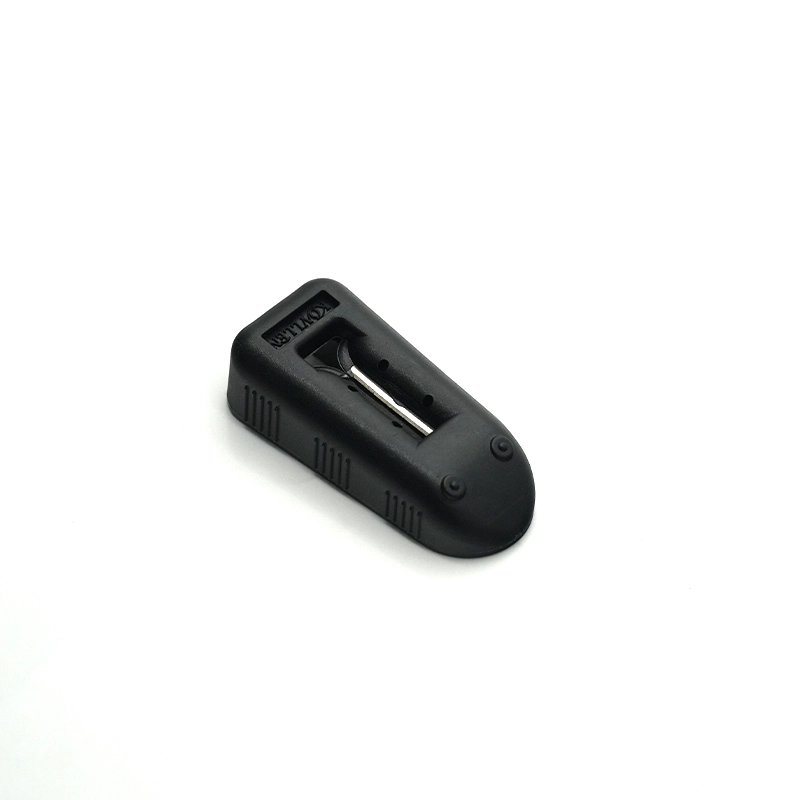
The plastic plug manufactured by Insert molding with stainless steel plate
More Details →
The plastic plug manufactured by Insert molding with stainless steel plate
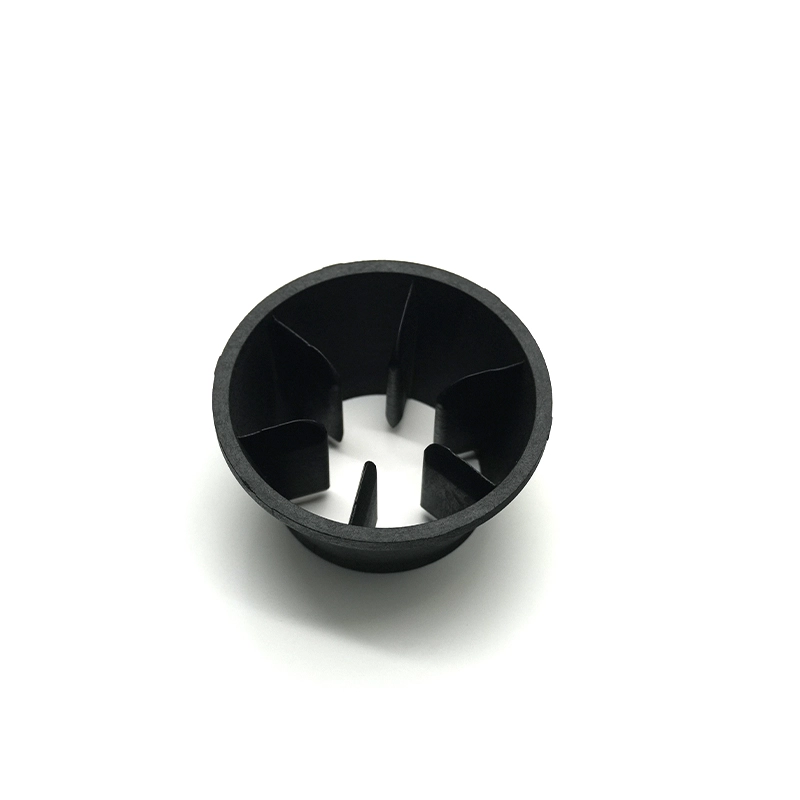
The Bost custom PPO flow valve by injection molding
More Details →
The Bost custom PPO flow valve by injection molding
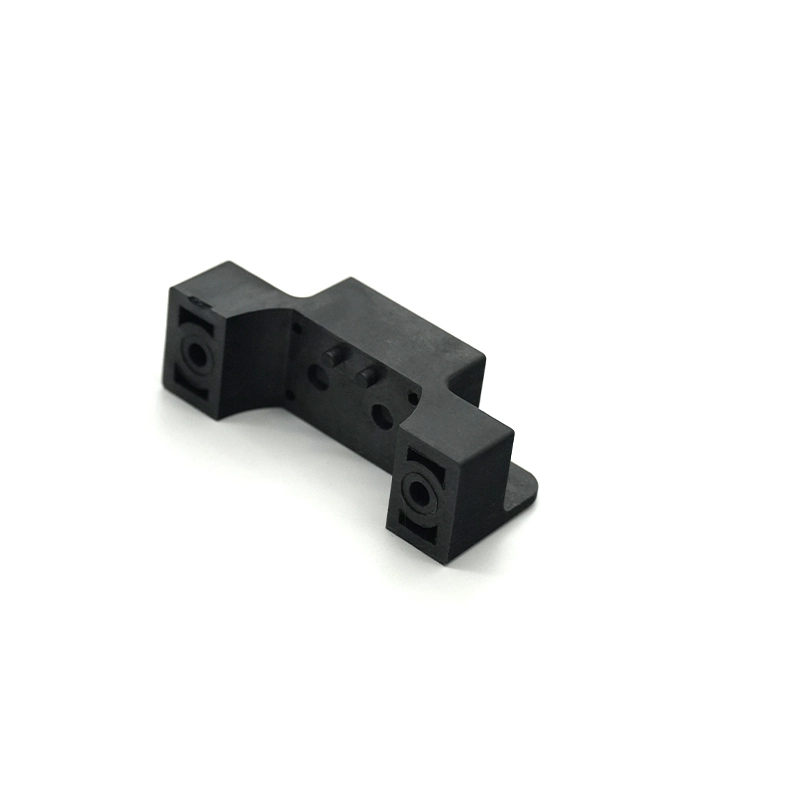
The Bost custom plastic handle by injection molding with high performance PPS material
More Details →
The Bost custom plastic handle by injection molding with high performance PPS material
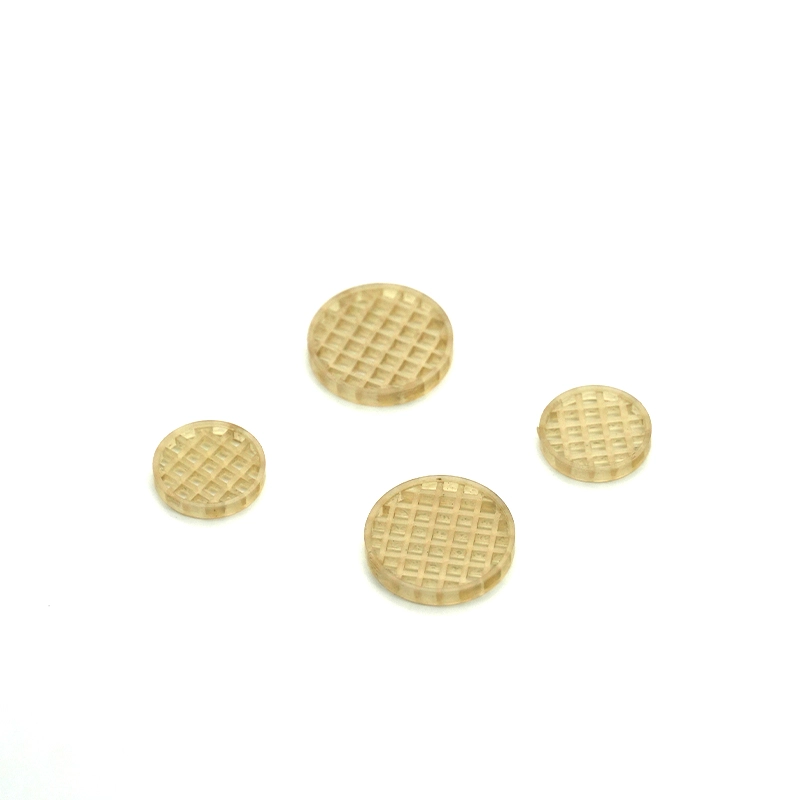
The Bost custom flow meter by injection molding with PES plastic
More Details →
The Bost custom flow meter by injection molding with PES plastic
Leave a Message
Have any questions or concerns about our products? Please leave us a message here, and our team will get back to you promptly.

24 hours quotes delivered
Submit CAD files, get quote in 24 hours

No MOQ required
From prototyping to high-volume

±0.02 mm Precision
Advanced CNC with full inspections

1,000+ tons in stock
26 materials ready to ship
© 2026 BOST. All Rights Reserved.