
 Scan QR Code
Send My Request
Decoding High-Performance "Custom Injection Molding Parts": Bost's Three Critical Gates to Reliable Molding
2026-03-12
Bost's Expertise in Custom Injection Molding Parts: Mastering Material, Precision Mold, and Process Control for Unmatched Reliability and Performance.
Decoding High-Performance "Custom Injection Molding Parts": Bost's Three Critical Gates to Reliable Molding
For over a decade of deep involvement in precision engineering plastics, the team at Bost has consistently pondered a fundamental question: Why do some seemingly simple injection molded parts encounter endless problems during mass production? Why does the same drawing yield vastly different quality levels from different suppliers?
The answer often lies hidden in the technical details that are invisible on the surface. As a manufacturer specializing in high-performance engineering plastics like PEEK, PEI, and PPS, we have come to a profound realization: truly reliable custom injection molding parts services are not about machine tonnage or quoting speed. They are about the systematic capability to solve complex engineering problems. Today, drawing from Bost's technical expertise and on-the-ground experience, I want to share the three critical gates we strictly adhere to when delivering every high-performance injection molded component.
Gate One: Deep "Material-Mold Dialogue," Not Just Drawing Transfer
Many projects start on the wrong foot because communication is too "shallow." The client sends a drawing, the supplier glances at "PEEK" in the material block, and immediately starts quoting and mold flow analysis. This skips the most crucial step: understanding the real-world environment this PEEK component will operate in.
Bost's On-the-Ground Experience:
We once took on a medical device project requiring a critical PEEK insulator. The original supplier had gone bankrupt, leaving only drawings. Instead of rushing a quote, we scheduled a two-hour technical discussion with the client's engineers. We needed to know: Where is this part installed? What are the ambient temperatures? Does it primarily bear tensile or torsional loads? How did the original parts fail?
This conversation revealed that while the original drawings specified the right material, they completely ignored the internal stress generated during precision injection molding at points of abrupt wall thickness change. This stress was invisible during static testing but became a crack initiation point under the thermal cycling of long-term operation.
The Bost Approach:
So, when we discuss custom injection molding parts, the first gate is never about simple "processing as drawn." Our engineers act like investigators, asking questions about your application. Because only by understanding the part's "mission" in the real world can we, at the mold design stage, mitigate risks at the source—by optimizing gate locations, adjusting draft angles, or suggesting local wall thickness modifications. This deep "material-application-design" dialogue is the foundation upon which Bost delivers reliable components.
Gate Two: A Seamless "Springboard" from Prototype to Production, No Turning Back
Many innovative companies and R&D teams have stepped in this trap: to save time and cost, they use a rapid prototyping shop for a few dozen samples. Testing goes well, so they prepare for mold production and scaling. That's when they discover the prototype shop has no injection machines, or only small ones, and cannot handle mass production. Everything resets: finding a new supplier, redoing DFM, re-cutting molds, re-conducting trials. All previous experience and data are lost, and project timelines double.
Bost's One-Stop Logic
Bost deliberately bridges the entire journey from prototype to production. This isn't just about having both CNC machining centers and an injection workshop on-site; it's about the deep continuity of our engineering team's methodology.
When your project is in the validation phase, needing only dozens of PEEK samples, we machine them quickly and cost-effectively using 5-axis CNC. But simultaneously, our injection molding engineers are already reviewing the drawings with a "mass production mindset":
Could this sharp corner become a stress concentration point during injection?
Is this rib height too high, risking ejection deformation?
Based on current wall thickness, what mold temperature is needed to ensure proper crystallinity?
By the time validation is complete and mold manufacturing begins, all these potential production stability issues have already been addressed on the drawings. You don't need to find a new supplier or pay twice for mold design reviews. Bost provides a one-way ticket from prototype to production, saving you months and countless communication costs.
Gate Three: A "Data Brain" for Process Control, Not Reliance on a Veteran's "Feel"
This is the most insidious and critical gate. Many suppliers can deliver beautiful samples, but fail spectacularly at mass production. Why? Because samples are meticulously tuned over half a day by the shop's most experienced master technician. But during production, with a different operator, slight material batch variations, or humidity changes, the process parameters drift, and yields collapse.
Bost's Scientific Molding Practice
In our workshop, we often say: "Feel reflects experience, but data guarantees stability." True custom injection molding parts service must be built on a "scientific molding" foundation.
Locking Down the "Sweet Spot" with Data: For every new mold's first run, we conduct a comprehensive process capability study. By monitoring filling pressure across different injection speeds, we identify the most stable process window for this specific material in this specific tool. This window, locked in by data, becomes the baseline for all subsequent production. Any operator running parameters within this window delivers合格 parts.
Let Sensors Be the "Quality Inspectors": We install pressure sensors inside the mold cavity to monitor every single cycle in real-time. When the pressure curve shows abnormal fluctuations—like a pressure spike from trapped gas—the system automatically alarms and can even isolate that specific part. This real-time, automated process control transforms quality from "post-mortem inspection" to "prevention."
Only when a supplier establishes this kind of data-driven system can they confidently tell you, "Our CPK values consistently exceed 1.33," rather than just saying, "Our master technician has twenty years of experience."
Conclusion: Reliable "Custom Injection Molding Parts" Are Embedded in Bost's Technical DNA
Reflecting on the thousands of projects we have served over the years, the Bost team is more convinced than ever: a truly reliable custom injection molding parts service isn't about selling machine tonnage or hours. It's about selling the capability to solve complex engineering problems.
A partner who truly understands materials, mold design, and process control can help you avoid the pitfalls that might otherwise keep you up at night, right from the start of your project. This is precisely the direction the Bost team has dedicated over a decade to pursuing and refining.
If your next project involves high-performance materials like PEEK, PEI, or PPS, or if you have any questions about seamless transition from prototype to production, we welcome a discussion. As a testament to our commitment, Bost consistently offers free DFM analysis to every client, helping you optimize your design before any steel is cut.
Click here to visit Bost's official website to submit your project drawings or requirements and receive professional technical feedback and customized solutions.
Recommended for you
Breaking Tolerance Limits: How Precision Plastic Injection Molding Solves Mass Production Challenges for Complex Custom Plastic Parts
Pushing Limits: How PEEK injection molding is Reshaping Precision Manufacturing in Medical and Aerospace
In-Depth Analysis of High Performance Plastic Injection Molding: Conquering Precision Manufacturing Challenges in Extreme Environments
How to Evaluate a Reliable "Injection Molding Manufacturer"? Three Technical Observations from Bost
Prdoucts Categories
FAQ
FAQs
How do I select the appropriate engineering plastic grade for my product?
Selection should be based on parameters such as load conditions (e.g., pressure/friction), temperature range, medium contact (e.g., oil/acid), and regulatory requirements (e.g., FDA/RoHS). Our engineers can provide free material selection consulting and sample testing.
Can Bost customize modified plastics with special properties?
Yes! We offer modification services such as reinforcement, flame retardancy, conductivity, wear resistance, and UV resistance, for example:
• Adding carbon fiber to enhance stiffness
• Reducing the coefficient of friction through PTFE modification
• Customizing food-grade or medical-grade certified materials
What are the core advantages of Bost engineering plastics compared to ordinary plastics?
Bost engineering plastics feature ultra-high mechanical strength, high-temperature resistance (-50°C to 300°C), chemical corrosion resistance, and wear resistance. Compared to ordinary plastics, their service life is extended by 3 to 8 times, making them suitable for replacing metals in harsh environments.
What is the minimum order quantity (MOQ)? Do you support small-batch trial production?
The MOQ for standard products is ≥100kg. We support small-batch trial production (as low as 20kg) and provide mold testing reports and performance data feedback.
What is the delivery lead time? Do you offer global logistics?
Standard products: 5–15 working days; custom modifications: 2–4 weeks. We support global air/sea freight and provide export customs clearance documents (including REACH/UL certifications).
You may also like
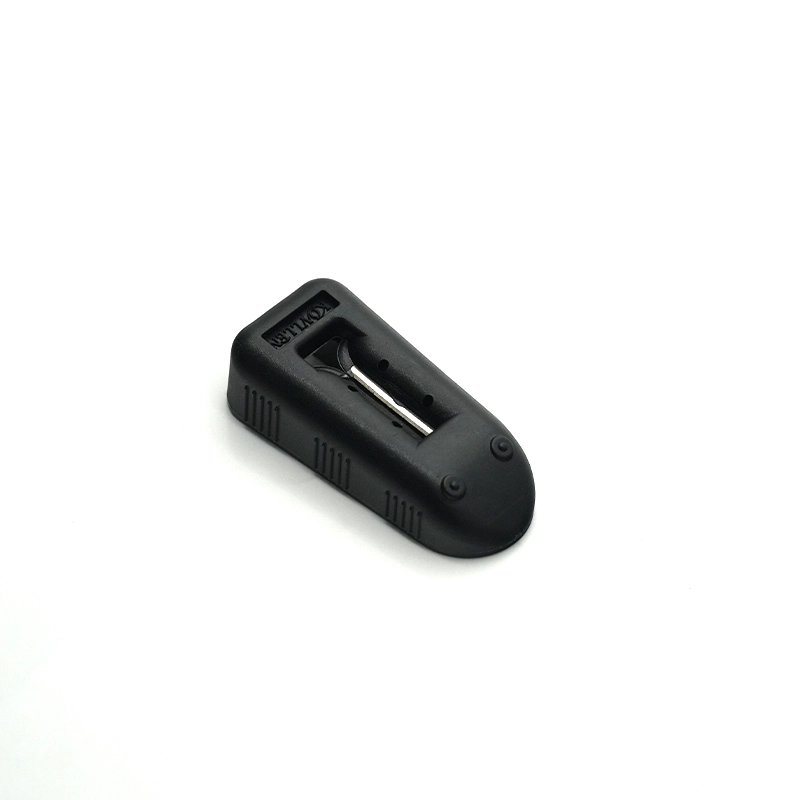
The plastic plug manufactured by Insert molding with stainless steel plate
More Details →
The plastic plug manufactured by Insert molding with stainless steel plate
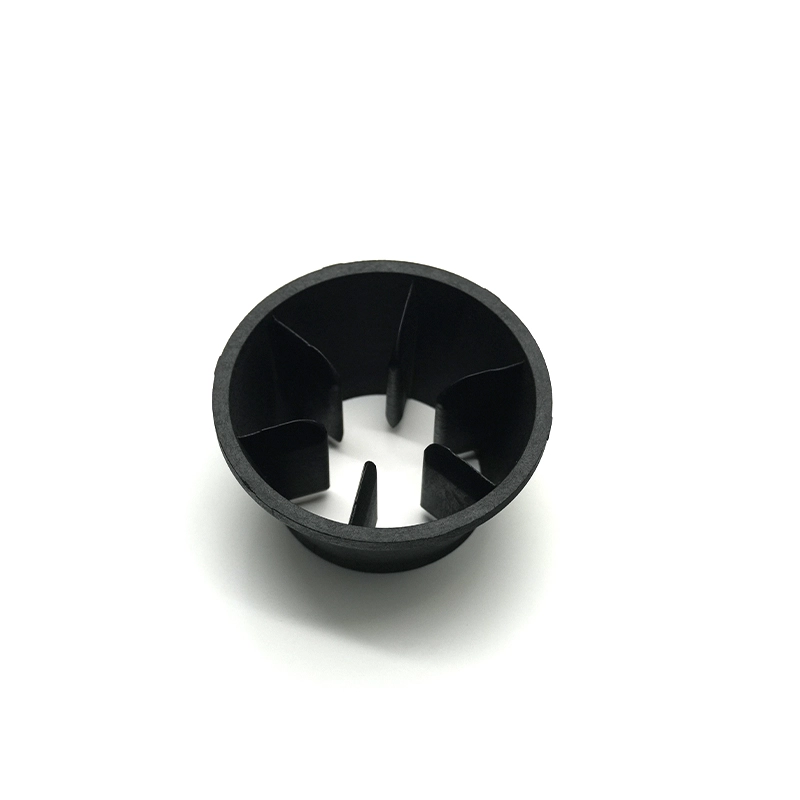
The Bost custom PPO flow valve by injection molding
More Details →
The Bost custom PPO flow valve by injection molding
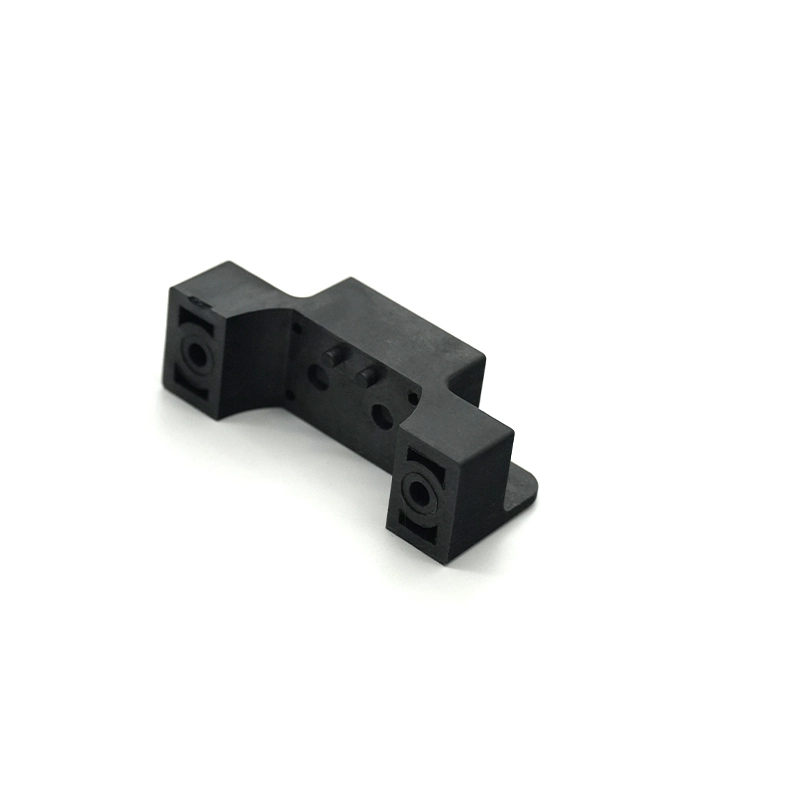
The Bost custom plastic handle by injection molding with high performance PPS material
More Details →
The Bost custom plastic handle by injection molding with high performance PPS material
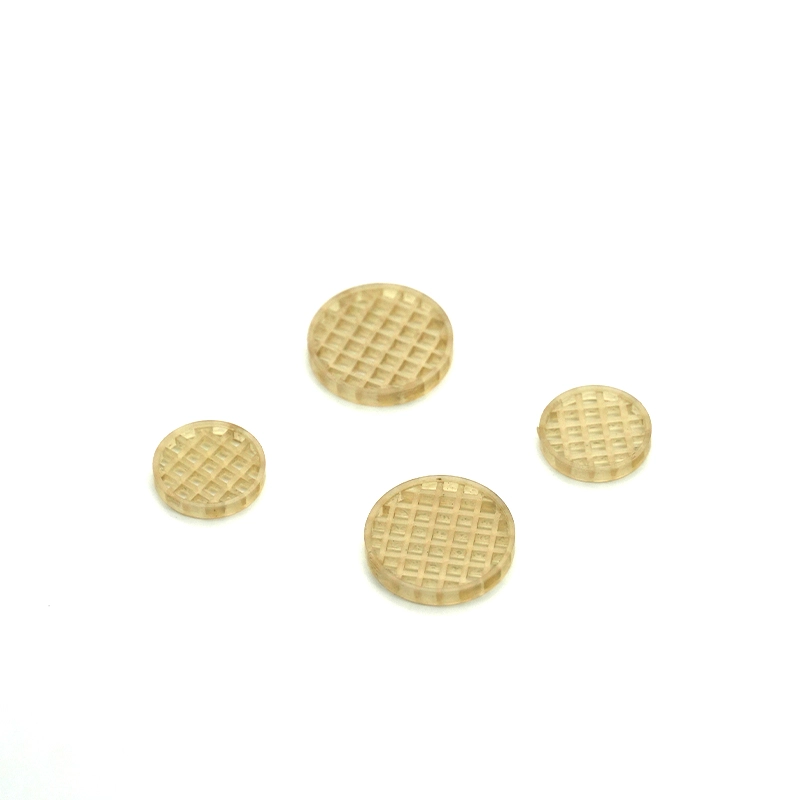
The Bost custom flow meter by injection molding with PES plastic
More Details →
The Bost custom flow meter by injection molding with PES plastic
Leave a Message
Have any questions or concerns about our products? Please leave us a message here, and our team will get back to you promptly.

24 hours quotes delivered
Submit CAD files, get quote in 24 hours

No MOQ required
From prototyping to high-volume

±0.02 mm Precision
Advanced CNC with full inspections

1,000+ tons in stock
26 materials ready to ship
© 2026 BOST. All Rights Reserved.