




 Scan QR Code
Send My Request
From Prototype to Mass Production: How to Create Zero-Defect custom plastic parts (A Comprehensive Guide to Core Processes and Pitfalls)
2026-03-22
Discover Bost’s comprehensive guide on creating zero-defect custom plastic parts. Learn core processes and avoid pitfalls in producing custom injection molded plastic parts with a trusted custom plastic parts manufacturer. Ensure quality from prototype to mass production.
In today's highly integrated global supply chain, finding a supplier capable of stably and punctually delivering high-quality custom plastic parts for new products remains one of the biggest headaches for hardware R&D engineers and procurement managers.
Often, a design looks flawless on paper, but during the actual first tool trial (T1) stage, the resulting samples are disastrous: obvious sink marks on the surface, difficult-to-remove flash (burrs), or severe dimensional discrepancies discovered during assembly. These issues not only ruthlessly consume R&D budgets but also fatally delay a product's time-to-market.
Manufacturing custom plastic parts is by no means a simple process of "melting plastic and injecting it into a block of iron." It is a comprehensive engineering discipline involving polymer materials science, precision machining, and fluid dynamics. Today, drawing on years of B2B manufacturing experience, we will deeply analyze the core logic behind high-quality custom plastic parts and guide you to avoid the "invisible pitfalls" in the injection molding process.
Why is it So Difficult to Consistently Deliver High-Quality custom plastic parts?
Before discussing solutions, we must first recognize the root causes of defects in custom plastic parts. Most production failures can be attributed to the following core pain points:
1. The "Inherent Deficiencies" of Mold Design
There is an old saying in the industry: "70% mold, 30% injection." If the initial mold design is flawed, no amount of effort by the setup engineer later on will help.
For example, when designing custom plastic parts with uneven wall thicknesses, if the cooling channels are not reasonably planned, the cooling rate of the thick-walled areas will be significantly slower than that of the thin-walled areas. This uneven shrinkage will generate immense internal stress within the part, ultimately causing severe warpage after it is ejected from the mold. Furthermore, if the gate location and size are improperly selected, it is highly likely to leave ugly flow marks on the product surface or cause trapped air burns at the end of the cavity.
2. "Loss of Control" in Injection Molding Process Parameters
Different resin materials (such as PC, ABS, PA66, or even PEEK) have drastically different processing windows.
During the actual production of custom plastic parts, minute fluctuations in melt temperature, injection speed, pack and hold pressure, and cooling time will directly reflect on the dimensional tolerances of the final product. Some inexperienced factories still rely on the traditional mode of "technicians adjusting machines based on feeling." Once a material batch changes or the ambient temperature fluctuates, the product yield rate will plummet drastically.
3. Hidden Dangers of Regrind and Material Moisture
To cut costs, some suppliers will mix an excessively high proportion of regrind (recycled material) into the production line. This completely destroys the molecular chains of the polymer, causing the parts to become brittle and resulting in a steep decline in physical properties. Additionally, highly hygroscopic materials like Nylon (PA) or Polycarbonate (PC) must undergo strict dehumidifying and drying before the injection molding process. If not, the vaporization of moisture at high temperatures will form silver streaks (splay) on the product surface or even cause internal voids.
The Three Core Pillars of Creating Top-Tier custom plastic parts
To escape the aforementioned manufacturing quagmire and truly achieve the mass production and delivery of precision parts, excellent injection molding enterprises usually build technical barriers in the following three dimensions:
1. Deep Involvement of Upfront DFM (Design for Manufacturability)
The most efficient cost control and quality assurance always happen before the mold steel is cut.
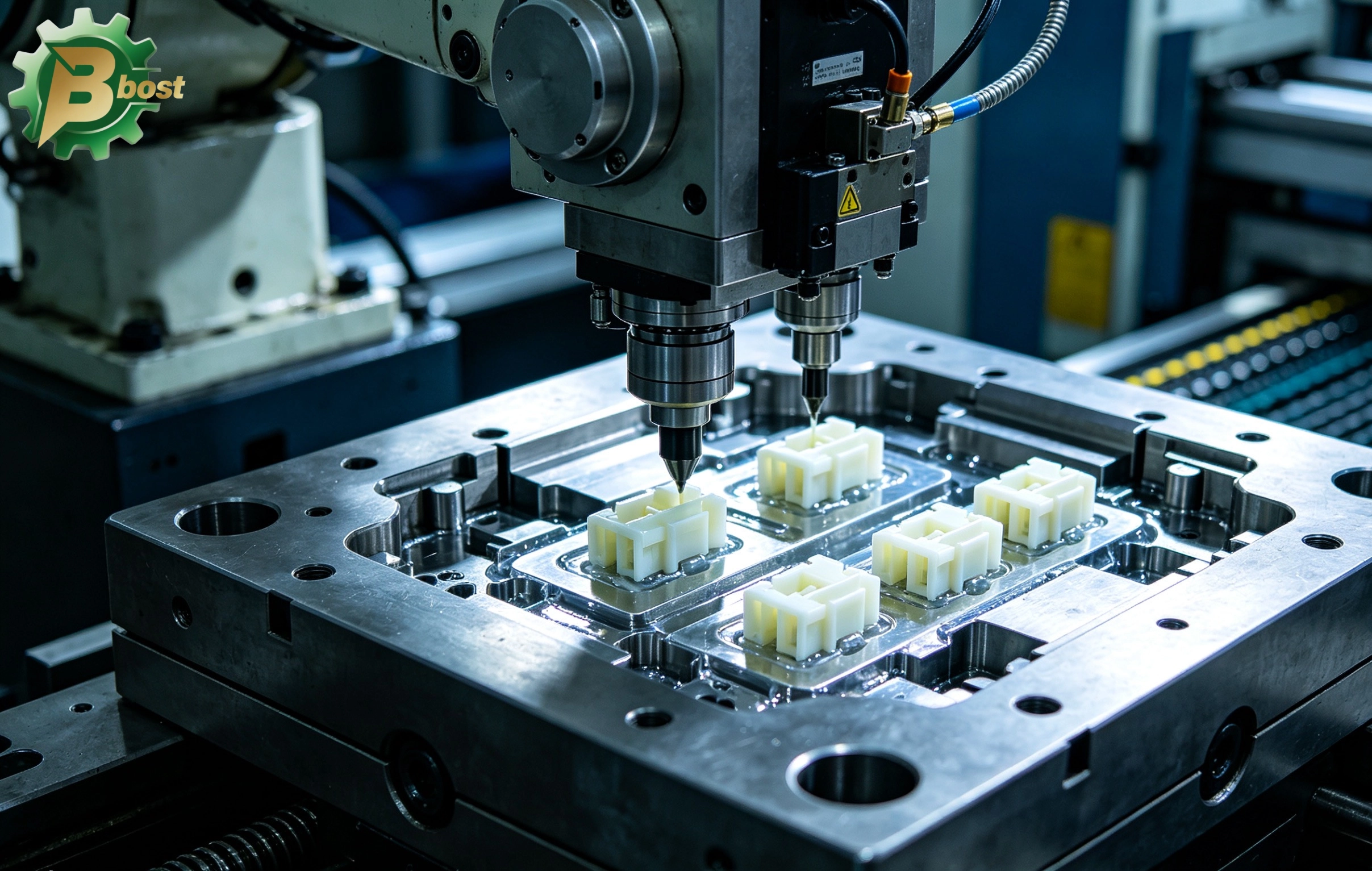
When we receive a customer's 3D drawing for custom plastic parts, the first step is never to quote and start mold making directly. Instead, our senior mold engineers conduct a detailed DFM evaluation. We use professional mold flow analysis software (Moldflow) to simulate the entire process of plastic melt filling, packing, and cooling inside the cavity. Through this step, we can identify unreasonable undercuts, insufficient draft angles, and high-risk areas prone to weld lines in advance, and collaborate with the customer to optimize the design.
2. Implementing Precision Injection Molding and "Scientific Molding" Systems
Saying goodbye to blind trial and error, true precision injection molding relies on a data-driven Scientific Molding philosophy.
When producing highly demanding custom plastic parts, we strictly monitor the actual melt temperature at the front of the injection machine's screw and the actual pressure inside the mold cavity. By accurately setting the V/P transfer point (the switch from velocity to pressure), we ensure that the machine smoothly transitions to the packing phase the exact moment the cavity is completely filled. This data-based closed-loop control is the only way to ensure part dimensions remain consistent over hundreds of thousands of production cycles.
3. Strict Tolerance Control and Automated Quality Inspection
For custom plastic parts in the medical, automotive, or high-end electronics sectors, tolerances often need to be controlled within an extremely narrow range (such as ±0.02mm or tighter). This requires not only highly repeatable injection molding machines but also high-precision inspection equipment like Coordinate Measuring Machines (CMM) and 2D vision measuring systems. By establishing First Article Inspection (FAI) and in-process SPC (Statistical Process Control) systems, we nip any minute dimensional drift in the bud.
Finding a Manufacturing Partner Who Truly Understands custom plastic parts
Whether facing complex precision gears, consumer electronics housings with extremely high cosmetic requirements, or industrial structural parts that must withstand extreme environments, manufacturing custom plastic parts is a hardcore test of a factory's comprehensive capabilities. Choosing a supplier with rock-bottom prices but lacking an engineering foundation often means endless modifications, scrap, and skyrocketing hidden costs down the line.
As experts deeply rooted in the field of precision manufacturing for years, the BOST team understands this perfectly. We not only possess advanced precision injection molding machine fleets ranging from tens of tons to over a thousand tons, but also have a team of engineers who understand design, master materials, and have a paranoid pursuit of quality. From 3D printing verification of conceptual prototypes and precision manufacturing of high-lifespan molds, to the final mass injection molding and assembly of custom plastic parts, we provide you with a one-stop, highly cost-effective customized solution.
Stop letting an unreliable supply chain drag down your R&D progress. Visit our official website https://www.gz-bost.com right now to get in touch with our senior engineering team. Submit your project requirements to receive a free DFM analysis and a highly competitive customized quote! Let BOST use professional manufacturing prowess to flawlessly bring your outstanding designs to life.
Recommended for you
The Peak Art of Custom Manufacturing According to Drawings: Comprehensive Guide to Precision Solutions for Custom Parts According to Drawing
Ending Mechanical Wear and Resonance: The Comprehensive Guide to Precision Customization and Mass Production of a Custom Rubber Pad
The Ultimate Armor for Smart Hardware: Advanced Customization and Precision Injection Molding Guide for a Custom Plastic Box
The Ultimate Weapon to Tame Vibration and Noise: Deep Dive into the Custom Process and Mass Production Logic of a Custom Rubber Bushing
Product Categories
FAQ
FAQs
Can Bost customize modified plastics with special properties?
Yes! We offer modification services such as reinforcement, flame retardancy, conductivity, wear resistance, and UV resistance, for example:
• Adding carbon fiber to enhance stiffness
• Reducing the coefficient of friction through PTFE modification
• Customizing food-grade or medical-grade certified materials
What is the delivery lead time? Do you offer global logistics?
Standard products: 5–15 working days; custom modifications: 2–4 weeks. We support global air/sea freight and provide export customs clearance documents (including REACH/UL certifications).
How do I select the appropriate engineering plastic grade for my product?
Selection should be based on parameters such as load conditions (e.g., pressure/friction), temperature range, medium contact (e.g., oil/acid), and regulatory requirements (e.g., FDA/RoHS). Our engineers can provide free material selection consulting and sample testing.
What is the minimum order quantity (MOQ)? Do you support small-batch trial production?
The MOQ for standard products is ≥100kg. We support small-batch trial production (as low as 20kg) and provide mold testing reports and performance data feedback.
What are the core advantages of Bost engineering plastics compared to ordinary plastics?
Bost engineering plastics feature ultra-high mechanical strength, high-temperature resistance (-50°C to 300°C), chemical corrosion resistance, and wear resistance. Compared to ordinary plastics, their service life is extended by 3 to 8 times, making them suitable for replacing metals in harsh environments.
You may also like
Custom Plastic Knobs Precision Injection Molded
More Details →
Custom Plastic Knobs Precision Injection Molded
Custom Injection Molded Parts from Drawings
More Details →
Custom Injection Molded Parts from Drawings
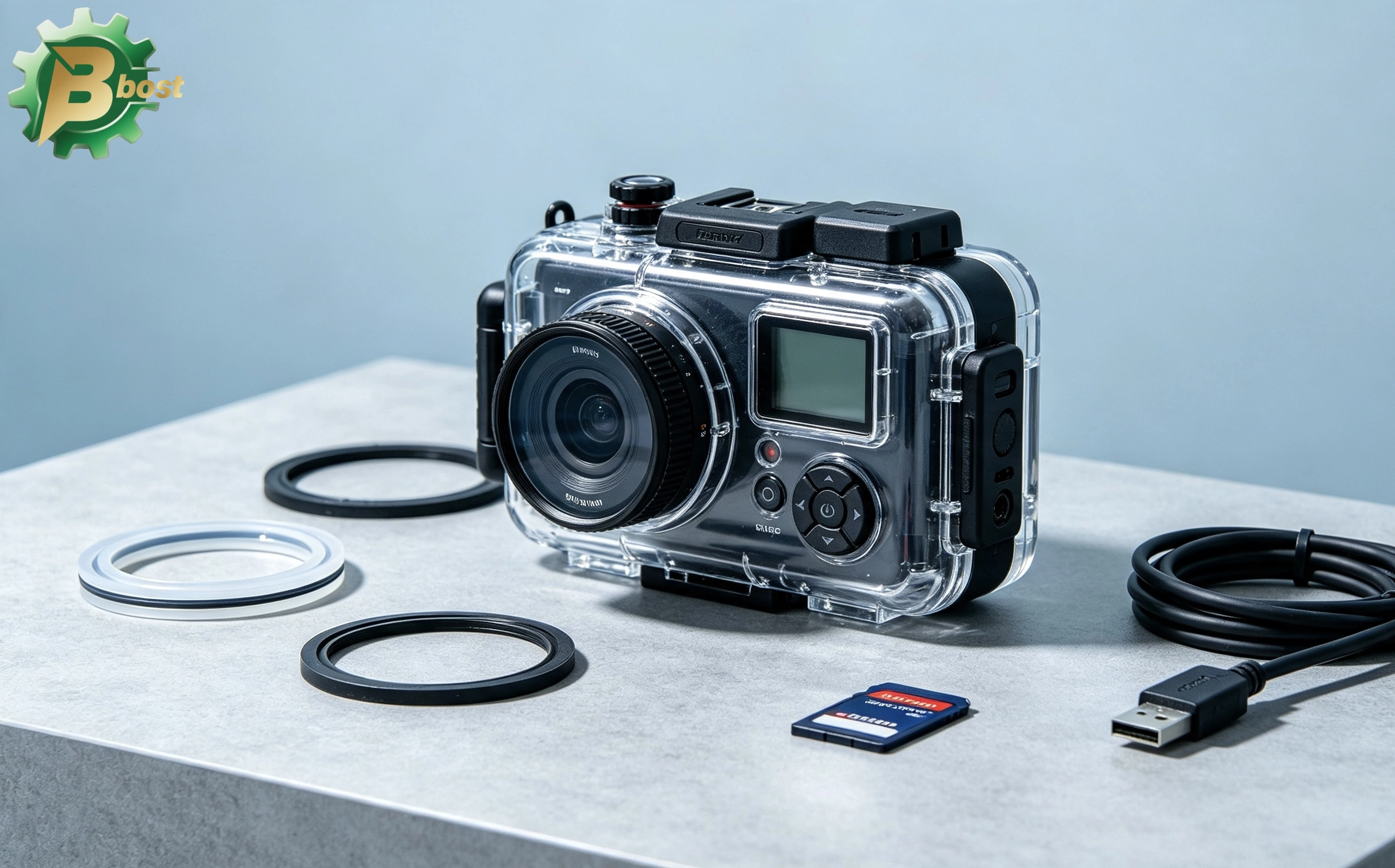
Underwater Camera Shell Custom Plastic Molding
More Details →
Underwater Camera Shell Custom Plastic Molding
Leave a Message
Have any questions or concerns about our products? Please leave us a message here, and our team will get back to you promptly.

24 hours quotes delivered
Submit CAD files, get quote in 24 hours

No MOQ required
From prototyping to high-volume

±0.02 mm Precision
Advanced CNC with full inspections

1,000+ tons in stock
26 materials ready to ship
© 2026 BOST. All Rights Reserved.