
 Scan QR Code
Send My Request
In-Depth Analysis: How to Maximize the Value of Engineering Plastic in Precision Injection Molding
2026-03-23
Experiencing pain points like shrinkage, short shots, or cracking when producing Engineering Plastic parts? This article deeply analyzes how to perfectly overcome processing challenges through scientific precision injection molding processes and excellent mold design, providing you with professional mass production solutions.
The competition in the manufacturing industry is becoming increasingly white-hot. Many product engineers and procurement managers face a highly tricky dilemma during the early stages of project development: how to guarantee extreme mechanical strength, temperature resistance, and corrosion resistance of components under hellish cost pressures? After traditional metal materials gradually exposed their shortcomings of excessive weight and exorbitant processing costs, the answer often points to one core material—Engineering Plastic.
However, choosing the right material is only the first step of a long journey. In actual production workshops, we frequently see this situation: a customer spends a premium to purchase top-tier imported Engineering Plastic resins, but the final injection-molded products are riddled with defects like sink marks, deformation, or internal stress cracking. Why? Because the processing threshold for Engineering Plastic is exceptionally high; it places almost stringent demands on the injection molding process, equipment precision, and temperature control.
Today, drawing on over a decade of industry experience, we will provide an in-depth analysis of how to truly unlock the full potential of Engineering Plastic in the production of complex components through scientific engineering control.
Why is High-End Manufacturing Inseparable from Engineering Plastic?
Unlike ordinary commodity plastics (such as PP or PE), Engineering Plastic is born to withstand severe mechanical stress and harsh chemical environments. Whether it is heat-resistant components around automotive engine compartments, autoclavable handles in medical devices, or high-strength structural parts in the aerospace sector, Engineering Plastic demonstrates irreplaceable advantages.
Outstanding Mechanical Properties and Dimensional Stability: For example, PA66 (Nylon) or PC (Polycarbonate) reinforced with glass fiber can achieve tensile strength and hardness that rival certain alloy materials.
Excellent Heat and Chemical Resistance: Specialty Engineering Plastic like PEEK or PPS can operate for extended periods in high-temperature environments above 200°C and are immune to the vast majority of industrial solvents.
Lightweighting and Cost-Effectiveness: Through "replacing steel with plastic," companies can not only significantly reduce the overall weight of the product (which is especially crucial for new energy vehicles) but also eliminate complex metal machining processes through one-step injection molding.
But the flip side of this "double-edged sword" is: the higher the performance of the Engineering Plastic, the more complex its molecular chain structure, the higher its melt viscosity, and the narrower its processing window. This directly tests the precision injection molding capabilities of the OEM manufacturer.
Three Core Pain Points and Solutions in the Engineering Plastic Injection Molding Process
In the process of helping global clients bring their projects to life, we have summarized the three most common pitfalls when processing Engineering Plastic. Only by overcoming these technical barriers can we guarantee the yield rate of the final delivered parts.
1. Shrinkage and Warpage: The "Invisible Killers" of Dimensional Stability
This is the biggest headache for product engineers. As Engineering Plastic cools from a high-temperature molten state to a solid state, volumetric shrinkage inevitably occurs. Semi-crystalline plastics (such as POM and PA), in particular, often have larger shrinkage rates and exhibit anisotropy. If the product wall thickness is unevenly designed, or if cooling time is improperly controlled, the difference in cooling speed will generate massive internal pulling forces, ultimately manifesting as surface sink marks or overall warpage.
Solution Strategy: To address this issue, the setting of holding pressure and holding time is critical. We need to continuously replenish plastic into the mold cavity before the melt completely solidifies and seals the gate. More importantly, professional Moldflow analysis software must be used early on to predict shrinkage risks in advance, thereby optimizing the product's wall thickness distribution during the design phase.
2. Poor Melt Flow and Short Shots
Many high-performance Engineering Plastic melts have extremely high viscosity, like thick honey, resulting in very poor fluidity. When encountering thin-walled products or complex structures with extreme flow-length ratios, the plastic melt often cools and solidifies at the flow front before completely filling the mold cavity, leading to the "short shot" phenomenon.
Solution Strategy: Blindly increasing injection pressure and barrel temperature is a very amateurish approach, as this easily causes thermal degradation of the material (yellowing, brittleness). The correct approach is to optimize the velocity profile in the injection molding process, utilizing multi-stage injection; simultaneously, upgrade the injection system of the molding machine to ensure the equipment has high-speed response capabilities. Furthermore, a rational venting system design is crucial to prevent trapped air from causing incomplete fills.
3. Unpredictable Cracking Caused by Excessive Internal Stress
Some Engineering Plastic parts look flawless right off the production line, but suddenly crack after sitting in the warehouse for a few days, or during assembly when driving screws. This is a classic internal stress release issue. An excessively fast injection speed or a mold temperature that is too low will cause the polymer chains to instantly "freeze" in a highly oriented state, thereby burying an invisible "bomb" inside the product.
Solution Strategy: Strict mold temperature control is the foolproof way to release internal stress. For sensitive materials like PC, high-specification mold temperature controllers must be used to heat the mold to the appropriate temperature (usually between 80°C and 120°C), allowing the plastic to cool slowly and uniformly within the mold. When necessary, an additional post-molding annealing process is required.
Excellent Mold Design: The Foundation Determining the Success or Failure of Engineering Plastic
There is an old saying in the industry: "Seven parts mold, three parts process." If fatal flaws are left during the mold design phase, even the most experienced process technicians won't be able to salvage it later. Tailored to the characteristics of Engineering Plastic, a qualified precision mold must possess the following qualities:
Rational Gating System: The location and size of the gate directly dictate the filling pattern of the melt. For glass-fiber-filled Engineering Plastic, if the gate is too small, it easily generates immense shear heat, causing material degradation and glass fiber breakage, which severely compromises the product's strength.
Conformal Cooling Channel Design: Traditional straight-line cooling channels often fail to adequately cool deep cavities or complex curved surfaces of a product. Introducing 3D-printed conformal cooling channels allows the cooling medium to perfectly hug the product contour, achieving uniform temperature reduction. This not only shortens the molding cycle by more than 20% but also fundamentally eliminates warpage issues caused by uneven cooling.
High-Hardness Mold Steel: During high-speed injection, Engineering Plastic (especially glass-filled materials) causes severe scouring and wear on the mold cavity. High-hardness mold steels that have undergone quenching treatments, such as S136 or H13, must be selected and paired with titanium alloy coatings to ensure the precision injection molding accuracy of the mold remains undiminished even after hundreds of thousands of cycles.
Finding a Reliable Injection Molding Partner: Why Choose Us?
Mastering Engineering Plastic is not about talking on paper; it requires a complete closed-loop system from material property analysis, mold flow simulation, and precision machining to scientific injection molding. In pursuit of short-term low quotes, many companies choose inexperienced OEMs, ultimately paying steep trial-and-error costs and the price of missed market opportunities.
If you are looking for a trustworthy manufacturing partner for your next highly difficult, high-demand R&D project, we are ready to provide you with professional technical support at any time. With years of deep cultivation in the field of complex components, we possess advanced imported injection molding equipment, a top-tier mold design team, and a strict quality control system, enabling us to flawlessly tackle various Engineering Plastic processing challenges.
Your pain points are the subjects we conquer. We welcome you to visit our official website at https://www.gz-bost.com to gain a deeper understanding of our successful cases in the field of precision manufacturing. Or, contact our engineering team right now to get a free DFM (Design for Manufacturability) evaluation and a detailed quote. Let us work together to unlock the infinite potential of Engineering Plastic and transform your brilliant ideas into perfect industrial products.
Recommended for you
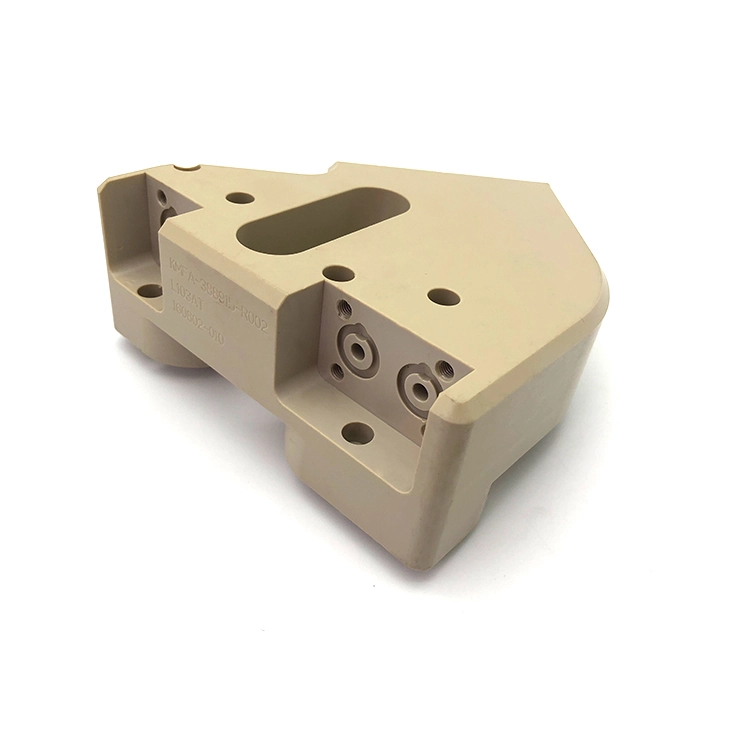
The Ultimate Engineer's Guide: Mastering the Four Core Dimensions of Over Molding Mass Production
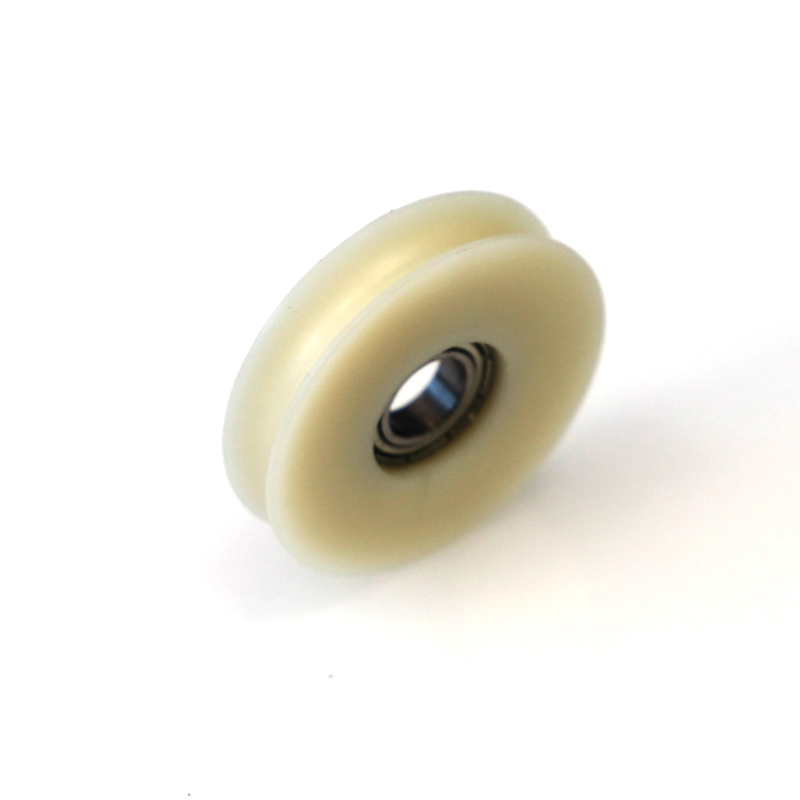
In-Depth Analysis: How to Break Through Product Design and Assembly Bottlenecks with High-Quality Over Molding Processes
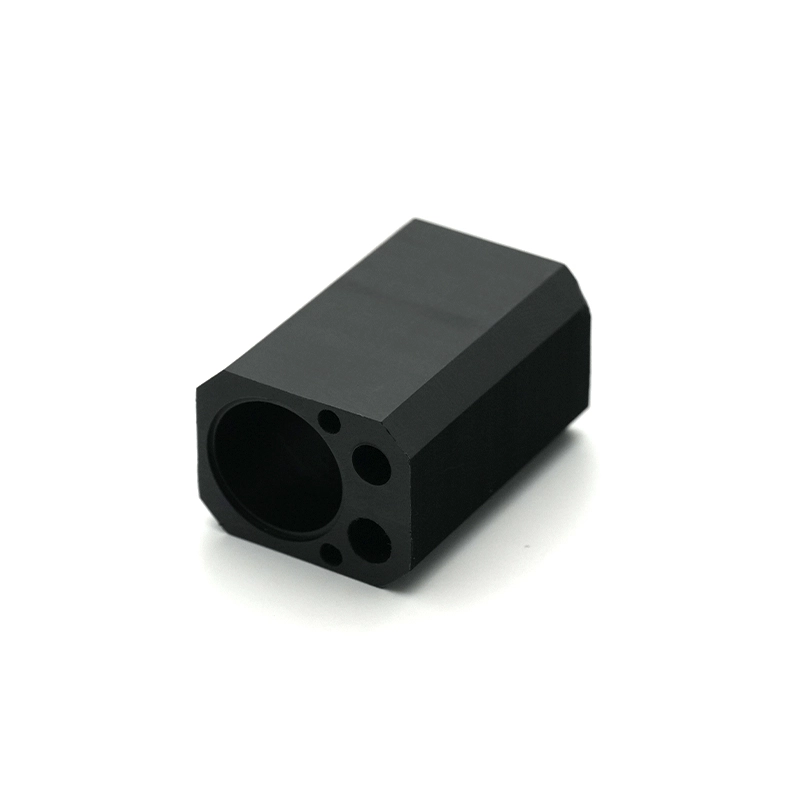
The Ultimate Engineer’s Guide: From Material Selection to Mass Production, How to Build Perfect Engineering Plastic Components
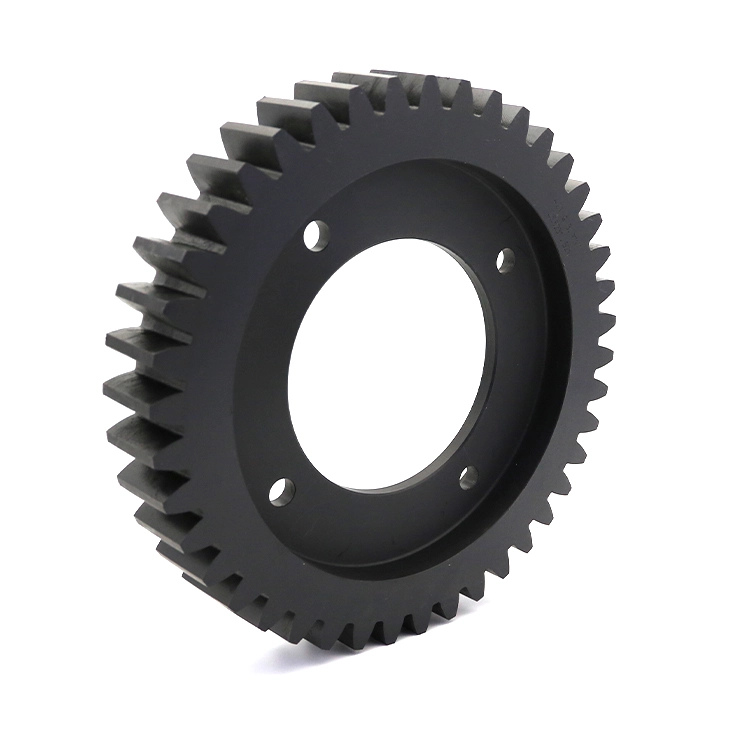
The Wrong Material, A Costly Mistake: How to Choose the Right Special Engineering Plastics for Precision Injection Molding to Reduce Costs and Increas
Prdoucts Categories
FAQ
FAQs
How do I select the appropriate engineering plastic grade for my product?
Selection should be based on parameters such as load conditions (e.g., pressure/friction), temperature range, medium contact (e.g., oil/acid), and regulatory requirements (e.g., FDA/RoHS). Our engineers can provide free material selection consulting and sample testing.
What is the minimum order quantity (MOQ)? Do you support small-batch trial production?
The MOQ for standard products is ≥100kg. We support small-batch trial production (as low as 20kg) and provide mold testing reports and performance data feedback.
What are the core advantages of Bost engineering plastics compared to ordinary plastics?
Bost engineering plastics feature ultra-high mechanical strength, high-temperature resistance (-50°C to 300°C), chemical corrosion resistance, and wear resistance. Compared to ordinary plastics, their service life is extended by 3 to 8 times, making them suitable for replacing metals in harsh environments.
What is the delivery lead time? Do you offer global logistics?
Standard products: 5–15 working days; custom modifications: 2–4 weeks. We support global air/sea freight and provide export customs clearance documents (including REACH/UL certifications).
Can Bost customize modified plastics with special properties?
Yes! We offer modification services such as reinforcement, flame retardancy, conductivity, wear resistance, and UV resistance, for example:
• Adding carbon fiber to enhance stiffness
• Reducing the coefficient of friction through PTFE modification
• Customizing food-grade or medical-grade certified materials
You may also like
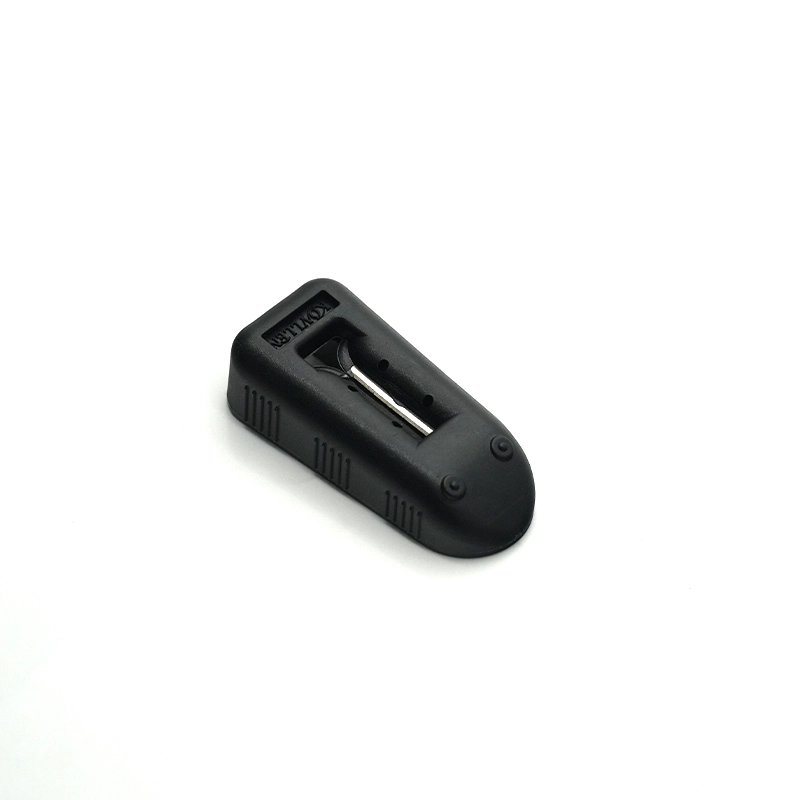
The plastic plug manufactured by Insert molding with stainless steel plate
More Details →
The plastic plug manufactured by Insert molding with stainless steel plate
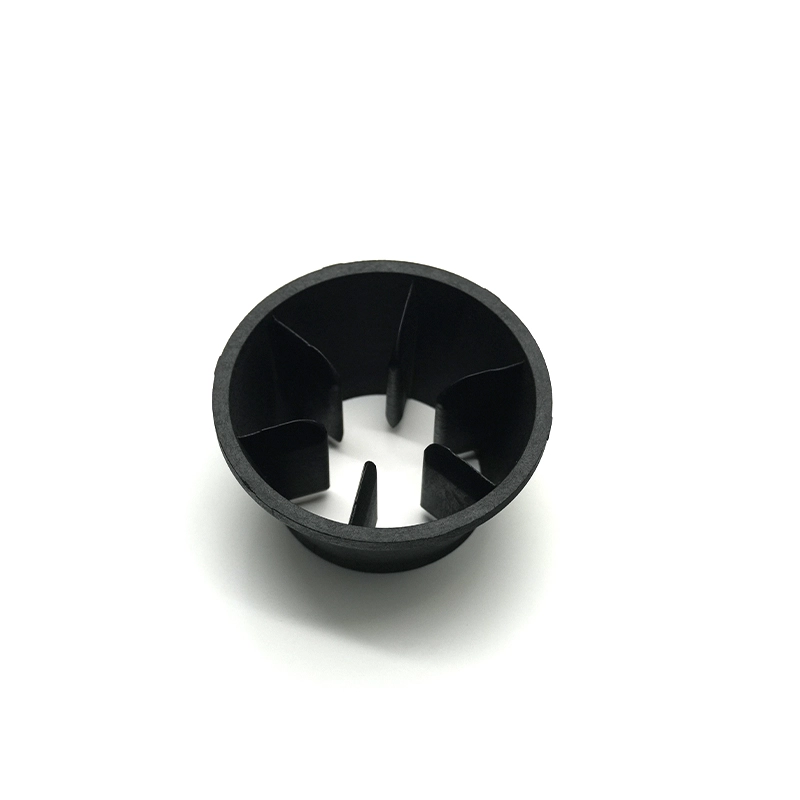
The Bost custom PPO flow valve by injection molding
More Details →
The Bost custom PPO flow valve by injection molding
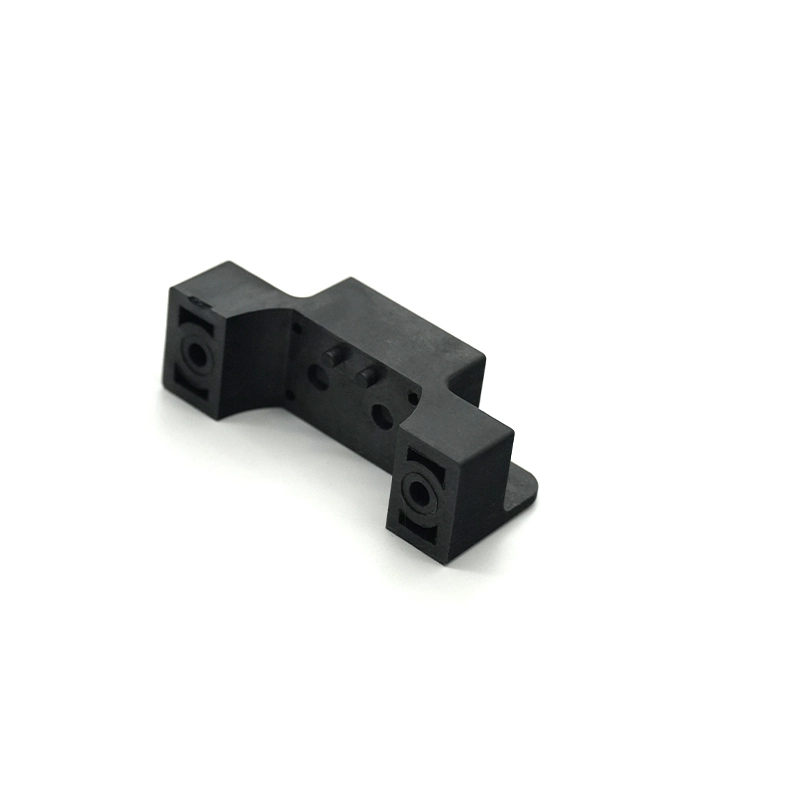
The Bost custom plastic handle by injection molding with high performance PPS material
More Details →
The Bost custom plastic handle by injection molding with high performance PPS material
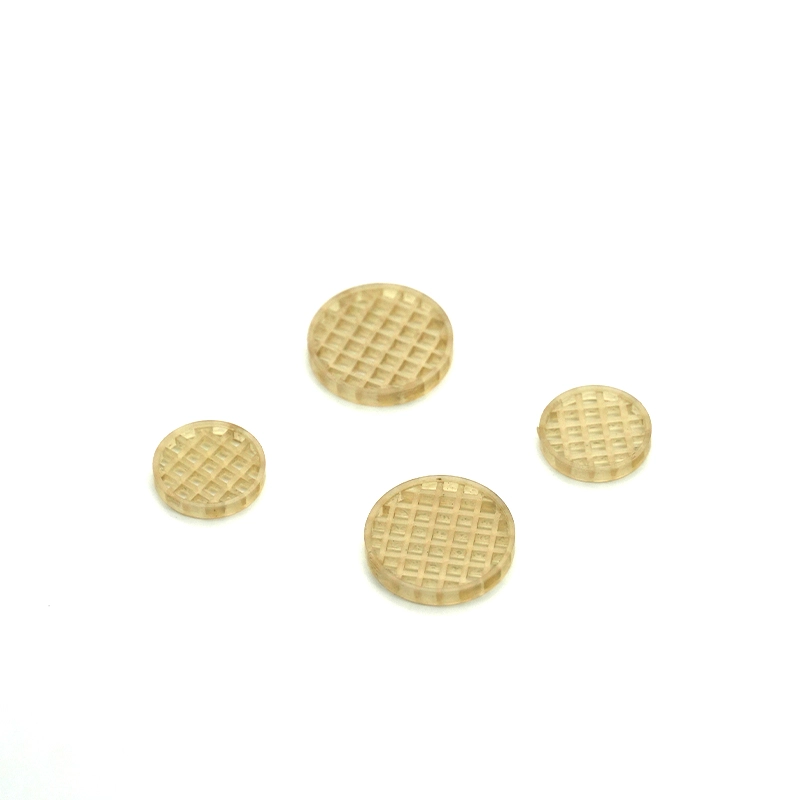
The Bost custom flow meter by injection molding with PES plastic
More Details →
The Bost custom flow meter by injection molding with PES plastic
Leave a Message
Have any questions or concerns about our products? Please leave us a message here, and our team will get back to you promptly.

24 hours quotes delivered
Submit CAD files, get quote in 24 hours

No MOQ required
From prototyping to high-volume

±0.02 mm Precision
Advanced CNC with full inspections

1,000+ tons in stock
26 materials ready to ship
© 2026 BOST. All Rights Reserved.