
 Scan QR Code
Send My Request
Precision Injection Molding in Medical & Automotive: Mastering Material Selection and Tolerance Control
2026-03-10
In the fields of medical devices and new energy vehicles (EVs), product lightweighting, biocompatibility, and extremely narrow tolerances (+/- 0.02mm) in harsh environments have become non - negotiable hard indicators. As high - specification precision injection molding gradually replaces traditional metal processing, how to perfectly handle special engineering plastics such as PEEK, PPS, or 50% high - glass - fiber composites has become the core dividing line that sets manufacturing enterprises apart.
This article delves deep into the engineering truths behind high - value - added precision injection molding projects, pointing out that "the machining accuracy of molds is only the foundation, and mastering the thermodynamic behavior of materials is the key." The article unfolds around the following four core dimensions:
Overcoming anisotropic shrinkage: Analyze the physical properties of materials such as glass fibers during the injection molding process and provide engineering ideas to solve the serious warping of slender components.
Processing barriers of special plastics: In response to the high - temperature crystallization requirements of medical - grade PEEK and the mold wear pain points of automotive - grade PPS + GF, propose customized equipment and mold steel solutions.
Data - driven scientific injection molding (Scientific Molding): Abandon traditional empiricism and demonstrate how to create a "zero - defect" mass - production system through cavity pressure monitoring and segmented control technology.
Pre - mold flow analysis (Moldflow): Emphasize the necessity of using CAE simulation technology to accurately predict and eliminate weld lines and air pockets before "starting to make the mold".
Precision Injection Molding in Medical & Automotive: Mastering Material Selection and Tolerance Control
The medical device and new energy vehicle (EV) sectors share a common, uncompromising demand: extreme lightweighting, exceptional biocompatibility, and ultra-tight tolerances in harsh operating environments. As a result, traditional metal machining is rapidly being superseded by high-specification injection molding.
However, achieving tight tolerances of +/- 0.02mm with specialty engineering plastics—such as PEEK, PPS, or 50% glass-fiber composites—presents a formidable challenge for average molding facilities. To overcome the technical bottlenecks of high-value precision injection molding, engineering teams must seamlessly integrate scientific material selection with advanced, data-driven process control.
The Reality of Tolerances: Moving Beyond the Steel
A common misconception among structural engineers is that if a CNC machine mills the mold cavity with high accuracy, the molded part's tolerance is guaranteed. In high-end precision injection molding, mold accuracy is merely the baseline. The true engineering challenge lies in managing thermomechanical material behavior.
Managing Anisotropic Shrinkage
Every plastic undergoes volumetric shrinkage as it cools from a melt to a solid state. During injection, a polymer's shrinkage rate in the flow direction often differs drastically from its transverse direction.
This is particularly critical for glass-fiber-reinforced plastics. Under high injection pressure, glass fibers align with the flow direction, causing massive anisotropy in both tensile strength and shrinkage. Without precise mold flow management, this physical characteristic inevitably causes severe warpage in long, thin, or narrow components.
Processing High-Performance Specialty Plastics
High-end medical and automotive projects rely on top-tier specialty engineering plastics. While their end-use performance is outstanding, their processing windows are notoriously narrow, requiring specialized equipment and deep material expertise.
Material Class Common Resins Key Applications Primary Molding Challenges & Engineering Solutions
Medical-Grade PEEK, ULTEM (PEI) Orthopedic implants, surgical instruments, sterilizable connectors. **Challenge
This rewrite shifts the tone from a standard informative blog post to a thought-leadership piece, positioning your company as an elite, data-driven engineering partner capable of solving the industry's hardest problems.
Precision Injection Molding in Medical & Automotive: Mastering Material Selection and Tolerance Control
The medical device and new energy vehicle (EV) sectors share a common, uncompromising demand: extreme lightweighting, exceptional biocompatibility, and ultra-tight tolerances in harsh operating environments. As a result, traditional metal machining is rapidly being superseded by high-specification injection molding.
However, achieving tight tolerances of +/- 0.02mm with specialty engineering plastics—such as PEEK, PPS, or 50% glass-fiber composites—presents a formidable challenge for average molding facilities. To overcome the technical bottlenecks of high-value precision injection molding, engineering teams must seamlessly integrate scientific material selection with advanced, data-driven process control.
The Reality of Tolerances: Moving Beyond the Steel
A common misconception among structural engineers is that if a CNC machine mills the mold cavity with high accuracy, the molded part's tolerance is guaranteed. In high-end precision injection molding, mold accuracy is merely the baseline. The true engineering challenge lies in managing thermomechanical material behavior.
Managing Anisotropic Shrinkage
Every plastic undergoes volumetric shrinkage as it cools from a melt to a solid state. During injection, a polymer's shrinkage rate in the flow direction often differs drastically from its transverse direction.
This is particularly critical for glass-fiber-reinforced plastics. Under high injection pressure, glass fibers align with the flow direction, causing massive anisotropy in both tensile strength and shrinkage. Without precise mold flow management, this physical characteristic inevitably causes severe warpage in long, thin, or narrow components.
Processing High-Performance Specialty Plastics
High-end medical and automotive projects rely on top-tier specialty engineering plastics. While their end-use performance is outstanding, their processing windows are notoriously narrow, requiring specialized equipment and deep material expertise.
Material Class Common Resins Key Applications Primary Molding Challenges & Engineering Solutions
Medical-Grade PEEK, ULTEM (PEI) Orthopedic implants, surgical instruments, sterilizable connectors. Challenge: Extreme melt temperatures (380°C–400°C) and the need for full crystallization.
Solution: Specialized high-temp heater bands, high-temperature oil controllers (mold heated to 160°C–200°C), and custom thermal expansion gap designs.
EV Lightweighting PA66+30%GF, PPS Battery housings, motor brackets, electronic control systems. Challenge: High glass-fiber content acts as an abrasive, causing severe mold erosion and flash.
Solution: Implementation of powder metallurgy steel and specialized surface coatings (e.g., Titanium plating, TD coating) to ensure tool longevity.
Scientific Molding: The Data-Driven Path to "Zero-Defect"
Relying on a technician's "rule of thumb" to adjust parameters is entirely unviable for precision manufacturing. Minor shifts in ambient temperature or material moisture content can invalidate previous settings, leading to batch failures.
To guarantee consistency, we implement a decoupled **""Scientific Molding" methodology based on cavity pressure and melt viscosity:
Fill Stage: Utilizing precise velocity control to rapidly inject the melt until the cavity is 95%–98% full. This focuses entirely on the melt's rheology without the interference of holding pressure.
**Pack &Pack & Hold Stage: Upon reaching the exact V/P (Velocity-to-Pressure) transfer position, the machine switches to pressure control, packing precise amounts of additional material to compensate for volumetric shrinkage.
Cooling Stage: Maintaining calculated cooling time after gate freeze until the part achieves sufficient rigidity for flawless ejection.
By embedding high-sensitivity pressure sensors (such as Kistler) inside the mold, we monitor the cavity pressure curve for every single cycle in real-time. Any micro-deviation triggers an automatic rejection. This purely data-driven approach is the foundation for achieving "zero-defect" mass production.
Moldflow Analysis: Identifying Defects Before Cutting Steel
Before cutting expensive mold steel, advanced CAE software for Moldflow Analysis is a mandatory step in our precision engineering process.
Complex automotive housings or medical devices typically require multi-point gating, which inevitably creates weld lines (knit lines) where flow fronts meet. If a weld line occurs on a structural weak point or a cosmetic surface, the component fails. Through rigorous Moldflow simulation, our engineers test various gate locations, injection speeds, and mold temperatures to accurately predict and eliminate weld lines, air traps, and final warpage before physical manufacturing begins.
Conclusion
In the critical sectors of medical and automotive manufacturing, successful injection molding is not just about running a machine—it requires the seamless, scientifically validated integration of equipment, materials, molds, and process control. A single oversight in material selection or mold design can lead to devastating project delays or product recalls.
If your R&D project involves high-temperature specialty plastics, stringent +/- 0.02mm tolerances, or complex geometries, you cannot afford to rely on guesswork. Partner with an elite manufacturing team equipped with an advanced scientific molding system and a dedicated mold flow analysis division to ensure your project's success from concept to mass production.
Recommended for you
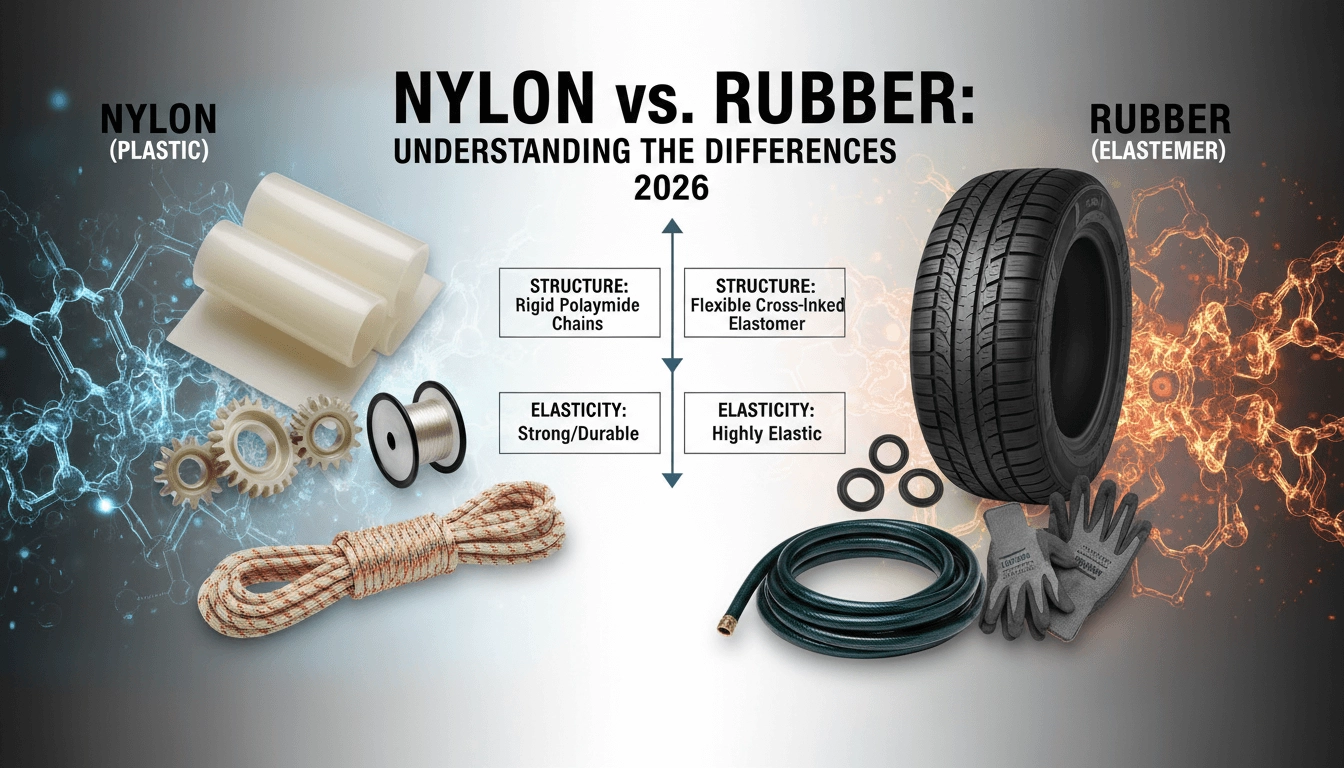
Is Nylon a Plastic or a Type of Rubber? Understanding the Differences 2026
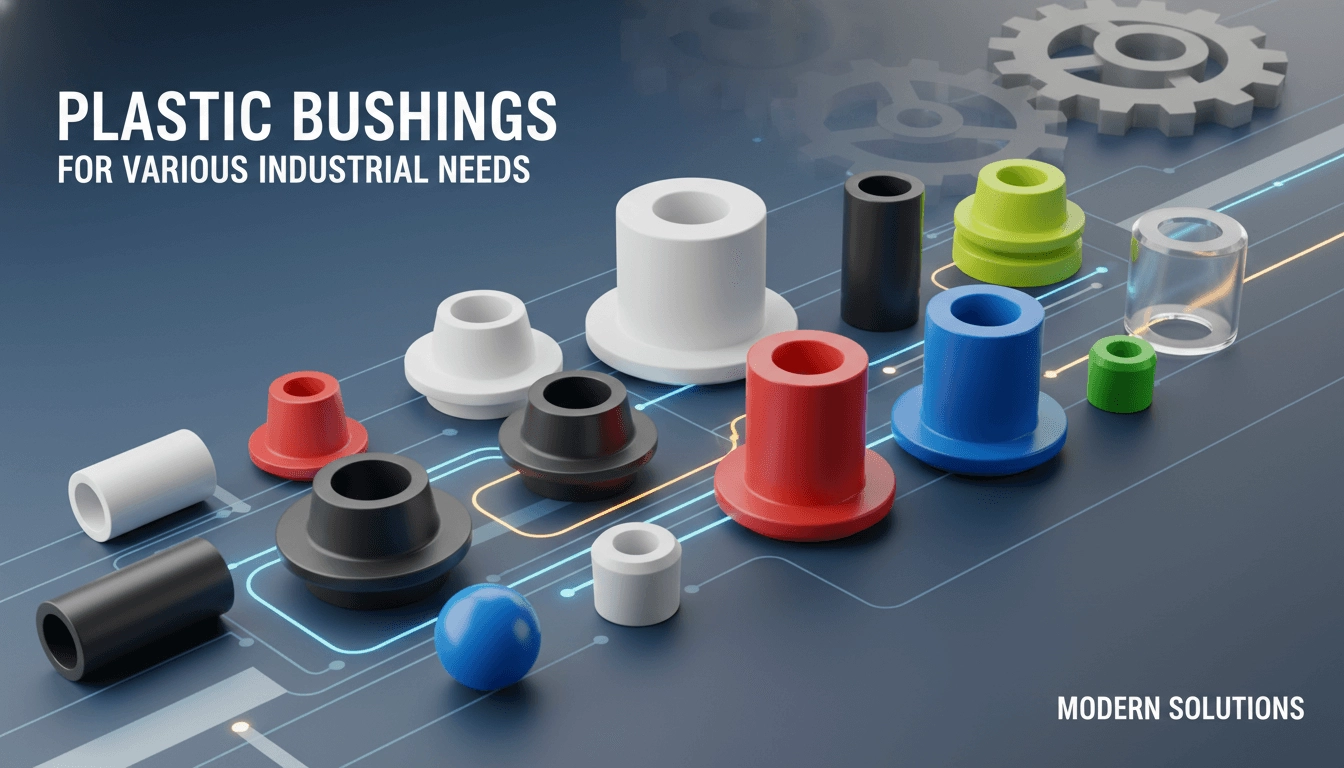
2026 Strategic Procurement Guide: How to Choose the Best Quality Plastic Bushings for Various Industrial Needs

ABS Plastic vs. PVC: Which Plastic Should You Choose 2026?
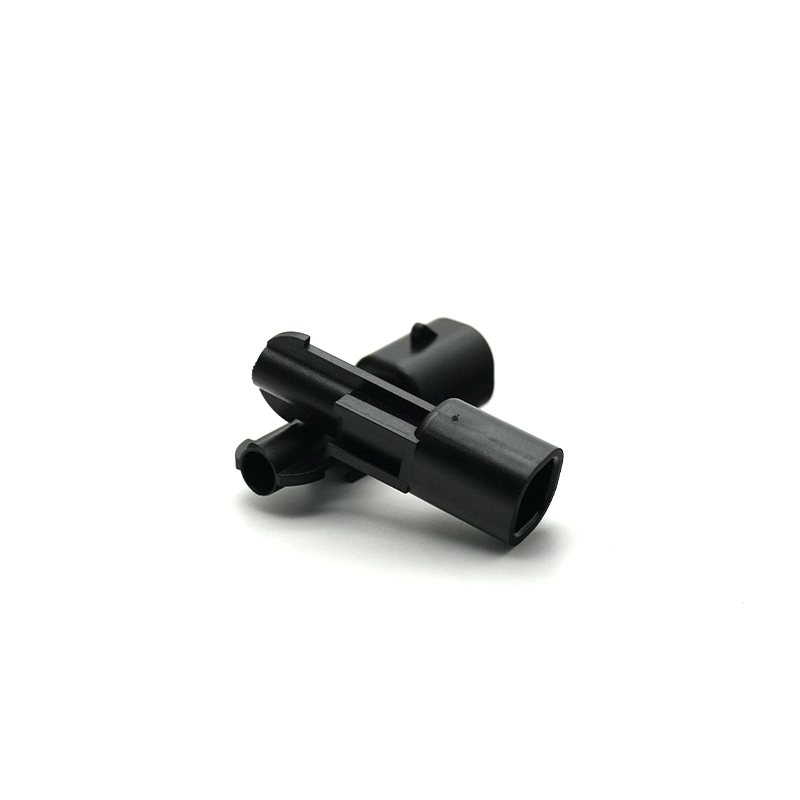
Best Suppliers for Industrial Engineering Plastics: Key Standards and Collaborative Advantages
Prdoucts Categories
FAQ
FAQs
What is the delivery lead time? Do you offer global logistics?
Standard products: 5–15 working days; custom modifications: 2–4 weeks. We support global air/sea freight and provide export customs clearance documents (including REACH/UL certifications).
Can Bost customize modified plastics with special properties?
Yes! We offer modification services such as reinforcement, flame retardancy, conductivity, wear resistance, and UV resistance, for example:
• Adding carbon fiber to enhance stiffness
• Reducing the coefficient of friction through PTFE modification
• Customizing food-grade or medical-grade certified materials
What are the core advantages of Bost engineering plastics compared to ordinary plastics?
Bost engineering plastics feature ultra-high mechanical strength, high-temperature resistance (-50°C to 300°C), chemical corrosion resistance, and wear resistance. Compared to ordinary plastics, their service life is extended by 3 to 8 times, making them suitable for replacing metals in harsh environments.
What is the minimum order quantity (MOQ)? Do you support small-batch trial production?
The MOQ for standard products is ≥100kg. We support small-batch trial production (as low as 20kg) and provide mold testing reports and performance data feedback.
How do I select the appropriate engineering plastic grade for my product?
Selection should be based on parameters such as load conditions (e.g., pressure/friction), temperature range, medium contact (e.g., oil/acid), and regulatory requirements (e.g., FDA/RoHS). Our engineers can provide free material selection consulting and sample testing.
You may also like
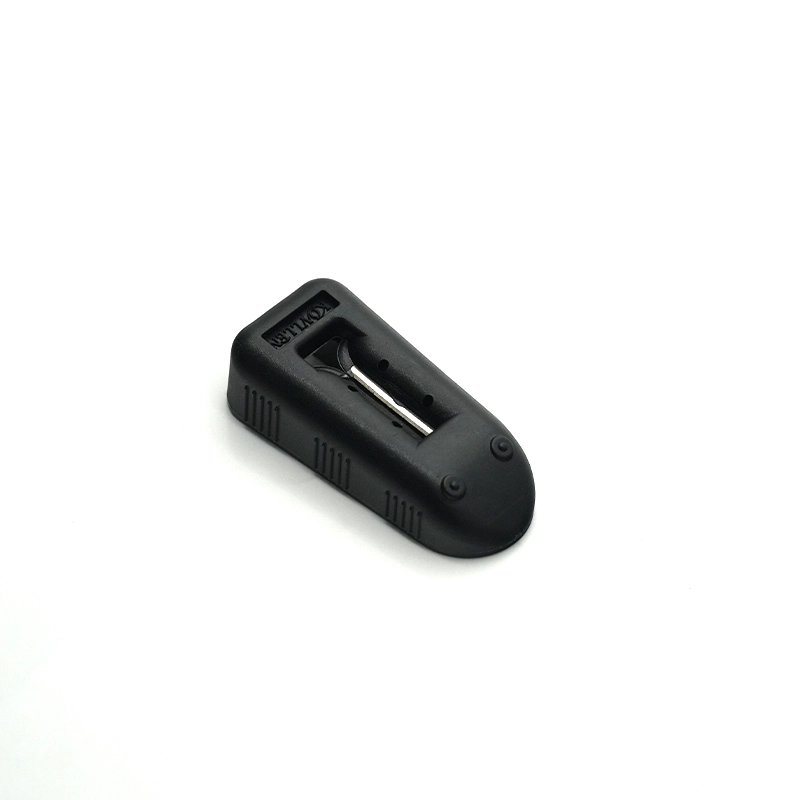
The plastic plug manufactured by Insert molding with stainless steel plate
More Details →
The plastic plug manufactured by Insert molding with stainless steel plate
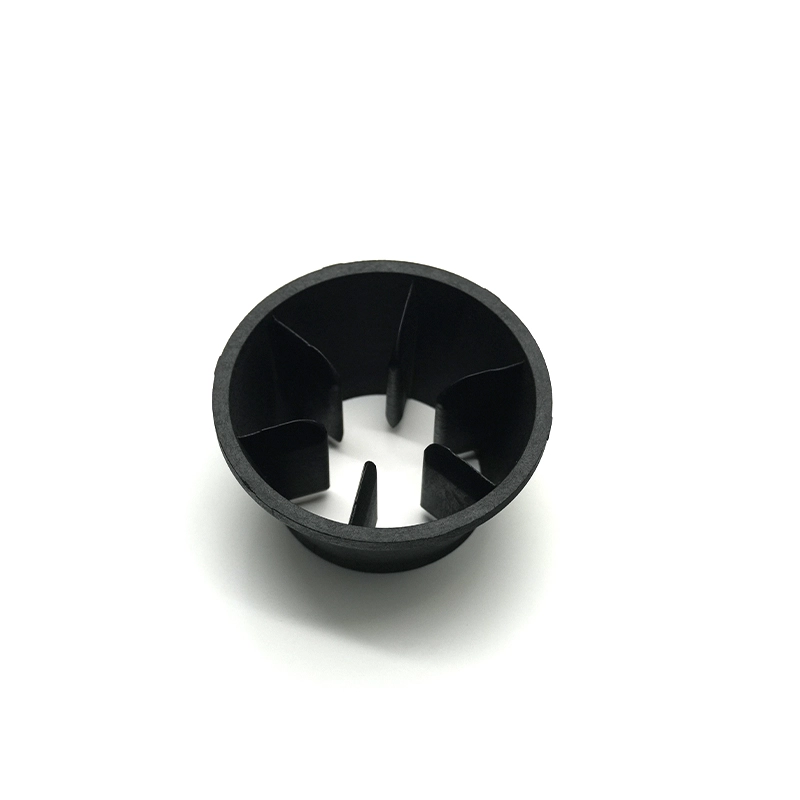
The Bost custom PPO flow valve by injection molding
More Details →
The Bost custom PPO flow valve by injection molding
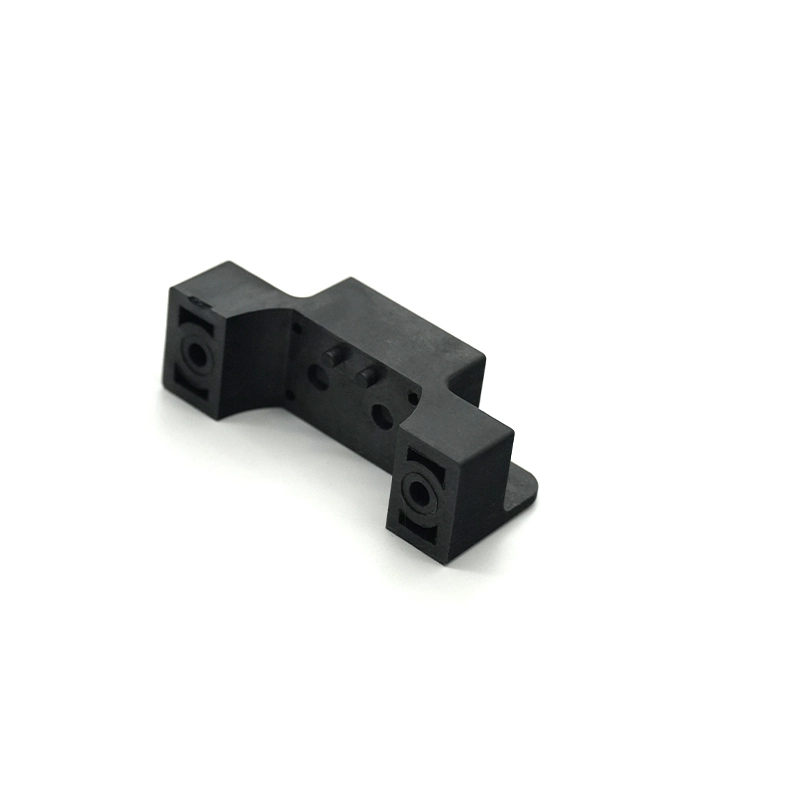
The Bost custom plastic handle by injection molding with high performance PPS material
More Details →
The Bost custom plastic handle by injection molding with high performance PPS material
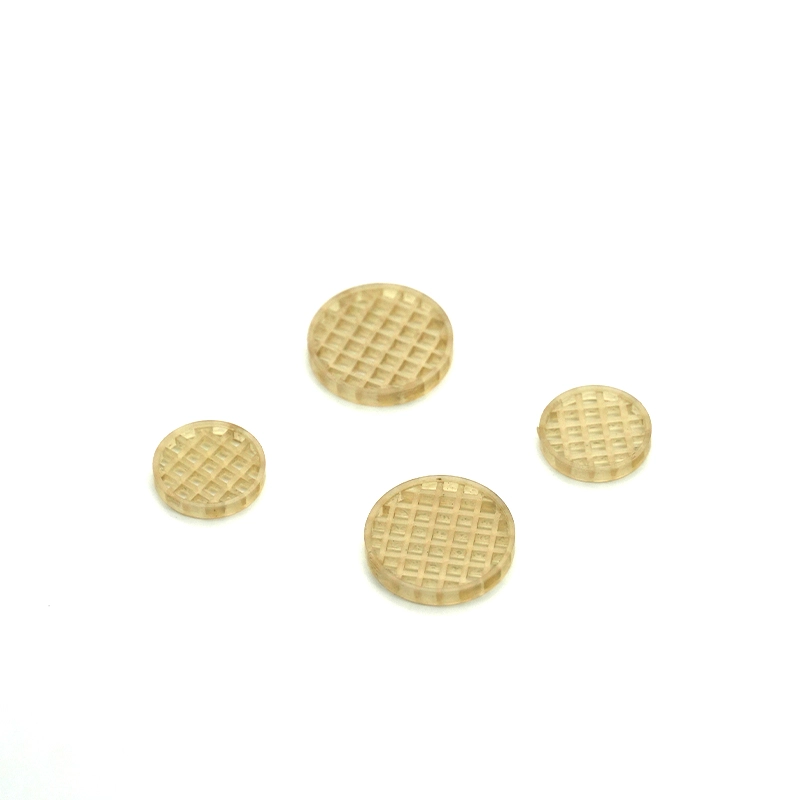
The Bost custom flow meter by injection molding with PES plastic
More Details →
The Bost custom flow meter by injection molding with PES plastic
Leave a Message
Have any questions or concerns about our products? Please leave us a message here, and our team will get back to you promptly.

24 hours quotes delivered
Submit CAD files, get quote in 24 hours

No MOQ required
From prototyping to high-volume

±0.02 mm Precision
Advanced CNC with full inspections

1,000+ tons in stock
26 materials ready to ship
© 2026 BOST. All Rights Reserved.