





 Scan QR Code
Send My Request
What are the common processing methods for engineering plastics? | Insights by Bost
2025-09-24
Explore the various processing techniques for engineering plastics, including injection molding, extrusion, blow molding, and more, to understand their applications and benefits.
Common Processing Methods for Engineering Plastics
Engineering plastics are versatile materials used across various industries due to their strength, durability, and adaptability. Understanding the common processing methods is essential for selecting the appropriate technique for specific applications. Below are some of the primary methods used in processing engineering plastics:
Injection Molding
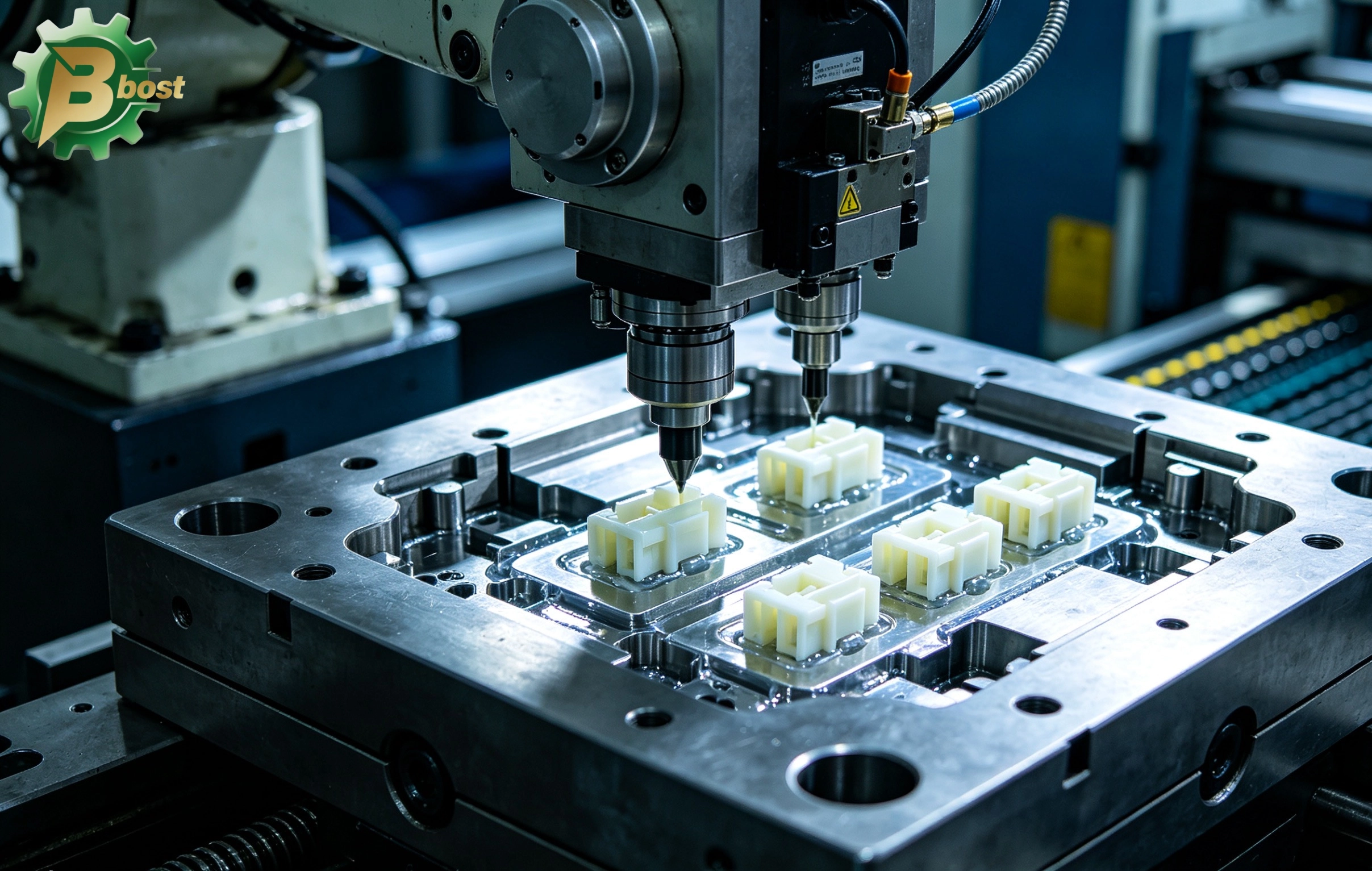
Injection molding is a widely used technique where heated plastic is injected into a mold cavity under high pressure. This method is suitable for producing complex shapes with high precision and is commonly used for manufacturing components in automotive, consumer electronics, and medical devices.
Extrusion
Extrusion involves forcing melted plastic through a die to create continuous profiles such as pipes, sheets, and films. The extruded material is then cooled and cut into desired lengths. This process is efficient for producing large quantities of uniform products and is prevalent in the production of packaging materials and construction components.
Blow Molding
Blow molding is used to create hollow plastic products like bottles and containers. The process includes inflating a heated plastic tube inside a mold to form the desired shape. This method is ideal for mass production of lightweight containers and is commonly used in the beverage and packaging industries.
Compression Molding
Compression molding involves placing a pre-measured amount of plastic material into an open mold cavity, which is then closed and heated to cure the material. This technique is often used for thermosetting plastics and is suitable for producing large, intricate parts such as automotive body panels and electrical components.
Rotational Molding
Rotational molding, or rotomolding, is a process where plastic powder is placed into a mold, which is then heated and rotated along two perpendicular axes. This results in a uniform, hollow product. It's commonly used for producing large, hollow items like tanks and playground equipment.
Thermoforming
Thermoforming involves heating a plastic sheet until it becomes pliable, then forming it over a mold using vacuum or pressure. After cooling, the formed part retains its shape. This method is suitable for producing large parts with shallow depths, such as trays and packaging materials.
Die Forming
Die forming is a continuous process where molten polymer is extruded through a die to create products with a constant cross-sectional profile. This method is used for producing sheets, films, pipes, and rods.
Laser Welding
Laser welding of polymers uses focused laser beams to melt and join plastic parts. This technique offers precision and is suitable for applications requiring hermetic seals, such as in medical device manufacturing.
Electron-Beam Processing
Electron-beam processing involves using electron beams to crosslink polymer chains, enhancing material properties like strength and chemical resistance. This method is used to improve the performance of thermoplastics in various applications.
Fibre-Reinforced Plastics (FRP)
FRP involves embedding fibers like glass or carbon into a polymer matrix to create composite materials with enhanced strength-to-weight ratios. This technique is widely used in aerospace, automotive, and construction industries.
Conclusion
Selecting the appropriate processing method for engineering plastics depends on factors such as material properties, desired product characteristics, and production volume. Understanding these methods enables manufacturers to optimize production processes and achieve high-quality products.
Bost's Advantages
Bost offers a comprehensive range of engineering plastics and processing solutions tailored to meet diverse industry needs. With a focus on quality, innovation, and customer satisfaction, Bost ensures reliable and efficient processing methods for optimal product performance.
Recommended for you
The Peak Art of Custom Manufacturing According to Drawings: Comprehensive Guide to Precision Solutions for Custom Parts According to Drawing
Ending Mechanical Wear and Resonance: The Comprehensive Guide to Precision Customization and Mass Production of a Custom Rubber Pad
The Ultimate Armor for Smart Hardware: Advanced Customization and Precision Injection Molding Guide for a Custom Plastic Box
The Ultimate Weapon to Tame Vibration and Noise: Deep Dive into the Custom Process and Mass Production Logic of a Custom Rubber Bushing
Product Categories
FAQ
FAQs
What is the minimum order quantity (MOQ)? Do you support small-batch trial production?
The MOQ for standard products is ≥100kg. We support small-batch trial production (as low as 20kg) and provide mold testing reports and performance data feedback.
How do I select the appropriate engineering plastic grade for my product?
Selection should be based on parameters such as load conditions (e.g., pressure/friction), temperature range, medium contact (e.g., oil/acid), and regulatory requirements (e.g., FDA/RoHS). Our engineers can provide free material selection consulting and sample testing.
What is the delivery lead time? Do you offer global logistics?
Standard products: 5–15 working days; custom modifications: 2–4 weeks. We support global air/sea freight and provide export customs clearance documents (including REACH/UL certifications).
What are the core advantages of Bost engineering plastics compared to ordinary plastics?
Bost engineering plastics feature ultra-high mechanical strength, high-temperature resistance (-50°C to 300°C), chemical corrosion resistance, and wear resistance. Compared to ordinary plastics, their service life is extended by 3 to 8 times, making them suitable for replacing metals in harsh environments.
Can Bost customize modified plastics with special properties?
Yes! We offer modification services such as reinforcement, flame retardancy, conductivity, wear resistance, and UV resistance, for example:
• Adding carbon fiber to enhance stiffness
• Reducing the coefficient of friction through PTFE modification
• Customizing food-grade or medical-grade certified materials
You may also like
Custom Plastic Knobs Precision Injection Molded
More Details →
Custom Plastic Knobs Precision Injection Molded
Custom Injection Molded Parts from Drawings
More Details →
Custom Injection Molded Parts from Drawings
Underwater Camera Shell Custom Plastic Molding
More Details →
Underwater Camera Shell Custom Plastic Molding
Leave a Message
Have any questions or concerns about our products? Please leave us a message here, and our team will get back to you promptly.

24 hours quotes delivered
Submit CAD files, get quote in 24 hours

No MOQ required
From prototyping to high-volume

±0.02 mm Precision
Advanced CNC with full inspections

1,000+ tons in stock
26 materials ready to ship
© 2026 BOST. All Rights Reserved.