
 Scan QR Code
Send My Request
What are the most common applications of engineering plastics? | Insights by Bost
2025-09-20
Explore the diverse applications of engineering plastics across various industries, their advantages, and key considerations for procurement. Learn how Bost's expertise can guide your sourcing decisions.
- Understanding Engineering Plastics: Applications, Benefits, and Considerations
- 1. What Are Engineering Plastics?
- 2. What Are the Most Common Applications of Engineering Plastics?
- 3. What Are the Benefits of Using Engineering Plastics?
- 4. What Are the Key Considerations When Procuring Engineering Plastics?
- 5. How Is the Engineering Plastics Market Evolving?
- 6. What Are the Challenges in Using Engineering Plastics?
- 7. How Can Bost Assist in Procuring Engineering Plastics?
- 8. What Are the Future Trends in Engineering Plastics?
- Conclusion
- About Bost
Understanding Engineering Plastics: Applications, Benefits, and Considerations
Engineering plastics are a class of polymers that offer superior mechanical and thermal properties compared to standard plastics. These materials have become integral in various industries due to their strength, durability, and versatility. In this article, we will explore the most common applications of engineering plastics, their benefits, and key considerations for procurement.
1. What Are Engineering Plastics?
Engineering plastics are high-performance polymers designed to withstand demanding mechanical and thermal conditions. Unlike commodity plastics, they possess enhanced properties such as higher strength, stiffness, and resistance to heat and chemicals. Common examples include polyamides (PA), polycarbonates (PC), and polyether ether ketone (PEEK).
2. What Are the Most Common Applications of Engineering Plastics?
Engineering plastics are utilized across various industries due to their unique properties:
Automotive Industry: Components like bumpers, dashboards, and interior trims are often made from engineering plastics, offering lightweight solutions that improve fuel efficiency and performance.
Electrical and Electronics: These materials are used in manufacturing electrical housings, connectors, and circuit boards, providing electrical insulation and resistance to heat.
Aerospace: Engineering plastics are employed in aircraft components, including interior panels and structural parts, to reduce weight and enhance fuel efficiency.
Medical Devices: Materials like PEEK are used in medical implants and devices due to their biocompatibility and strength.
3. What Are the Benefits of Using Engineering Plastics?
Lightweight: Engineering plastics are lighter than metals, contributing to energy savings and improved performance in applications like automotive and aerospace.
Corrosion Resistance: Unlike metals, engineering plastics do not corrode, making them ideal for applications exposed to harsh environments.
Design Flexibility: These materials can be molded into complex shapes, allowing for innovative product designs and integration of multiple functions into a single component.
Electrical Insulation: Many engineering plastics offer excellent electrical insulating properties, essential for electronic components.
4. What Are the Key Considerations When Procuring Engineering Plastics?
Material Selection: Choose the appropriate type of engineering plastic based on the specific requirements of your application, such as mechanical strength, thermal stability, and chemical resistance.
Supplier Reliability: Ensure that the supplier has a proven track record of delivering high-quality materials and can meet your production timelines.
Cost Implications: While engineering plastics can be more expensive than standard plastics, their performance benefits may justify the investment.
Sustainability: Consider the environmental impact of the materials, including their recyclability and the supplier's sustainability practices.
5. How Is the Engineering Plastics Market Evolving?
The global engineering plastics market is experiencing significant growth. Valued at approximately USD 107.2 billion in 2022, it is projected to reach USD 140.9 billion by 2027, growing at a compound annual growth rate (CAGR) of 5.6%. This growth is driven by increasing demand in automotive, electrical and electronics, and medical device industries.
6. What Are the Challenges in Using Engineering Plastics?
Material Costs: Engineering plastics can be more expensive than traditional materials, which may impact the overall cost of production.
Processing Requirements: Some engineering plastics require specialized processing techniques, which can add complexity to manufacturing.
Environmental Concerns: The disposal and recycling of engineering plastics can pose environmental challenges, necessitating sustainable practices.
7. How Can Bost Assist in Procuring Engineering Plastics?
Bost offers comprehensive solutions for sourcing engineering plastics, leveraging our extensive industry knowledge and supplier network. We assist clients in selecting the right materials, ensuring quality compliance, and optimizing procurement processes to meet specific application needs.
8. What Are the Future Trends in Engineering Plastics?
The engineering plastics industry is moving towards:
Sustainability: Development of bio-based and recyclable engineering plastics to reduce environmental impact.
Advanced Manufacturing: Integration of smart manufacturing technologies to enhance production efficiency and material properties.
Customization: Tailoring materials to meet specific performance requirements of emerging applications.
Conclusion
Engineering plastics play a crucial role in modern manufacturing, offering solutions that enhance performance, reduce weight, and improve durability across various industries. When procuring these materials, it is essential to consider factors such as material properties, supplier reliability, and cost implications. Partnering with experienced suppliers like Bost can provide valuable insights and support in navigating the complexities of engineering plastics procurement.
About Bost
Bost is a leading provider of engineering plastics solutions, offering a wide range of high-quality materials tailored to meet the specific needs of our clients. With a focus on innovation, sustainability, and customer satisfaction, Bost is committed to delivering materials that drive performance and value in every application.
Recommended for you

The Peak Art of Custom Manufacturing According to Drawings: Comprehensive Guide to Precision Solutions for Custom Parts According to Drawing

Ending Mechanical Wear and Resonance: The Comprehensive Guide to Precision Customization and Mass Production of a Custom Rubber Pad

The Ultimate Armor for Smart Hardware: Advanced Customization and Precision Injection Molding Guide for a Custom Plastic Box

The Ultimate Weapon to Tame Vibration and Noise: Deep Dive into the Custom Process and Mass Production Logic of a Custom Rubber Bushing
Product Categories
FAQ
FAQs
Can Bost customize modified plastics with special properties?
Yes! We offer modification services such as reinforcement, flame retardancy, conductivity, wear resistance, and UV resistance, for example:
• Adding carbon fiber to enhance stiffness
• Reducing the coefficient of friction through PTFE modification
• Customizing food-grade or medical-grade certified materials
What is the delivery lead time? Do you offer global logistics?
Standard products: 5–15 working days; custom modifications: 2–4 weeks. We support global air/sea freight and provide export customs clearance documents (including REACH/UL certifications).
How do I select the appropriate engineering plastic grade for my product?
Selection should be based on parameters such as load conditions (e.g., pressure/friction), temperature range, medium contact (e.g., oil/acid), and regulatory requirements (e.g., FDA/RoHS). Our engineers can provide free material selection consulting and sample testing.
What is the minimum order quantity (MOQ)? Do you support small-batch trial production?
The MOQ for standard products is ≥100kg. We support small-batch trial production (as low as 20kg) and provide mold testing reports and performance data feedback.
What are the core advantages of Bost engineering plastics compared to ordinary plastics?
Bost engineering plastics feature ultra-high mechanical strength, high-temperature resistance (-50°C to 300°C), chemical corrosion resistance, and wear resistance. Compared to ordinary plastics, their service life is extended by 3 to 8 times, making them suitable for replacing metals in harsh environments.
You may also like

Custom Plastic Knobs Precision Injection Molded
More Details →
Custom Plastic Knobs Precision Injection Molded

Custom Injection Molded Parts from Drawings
More Details →
Custom Injection Molded Parts from Drawings
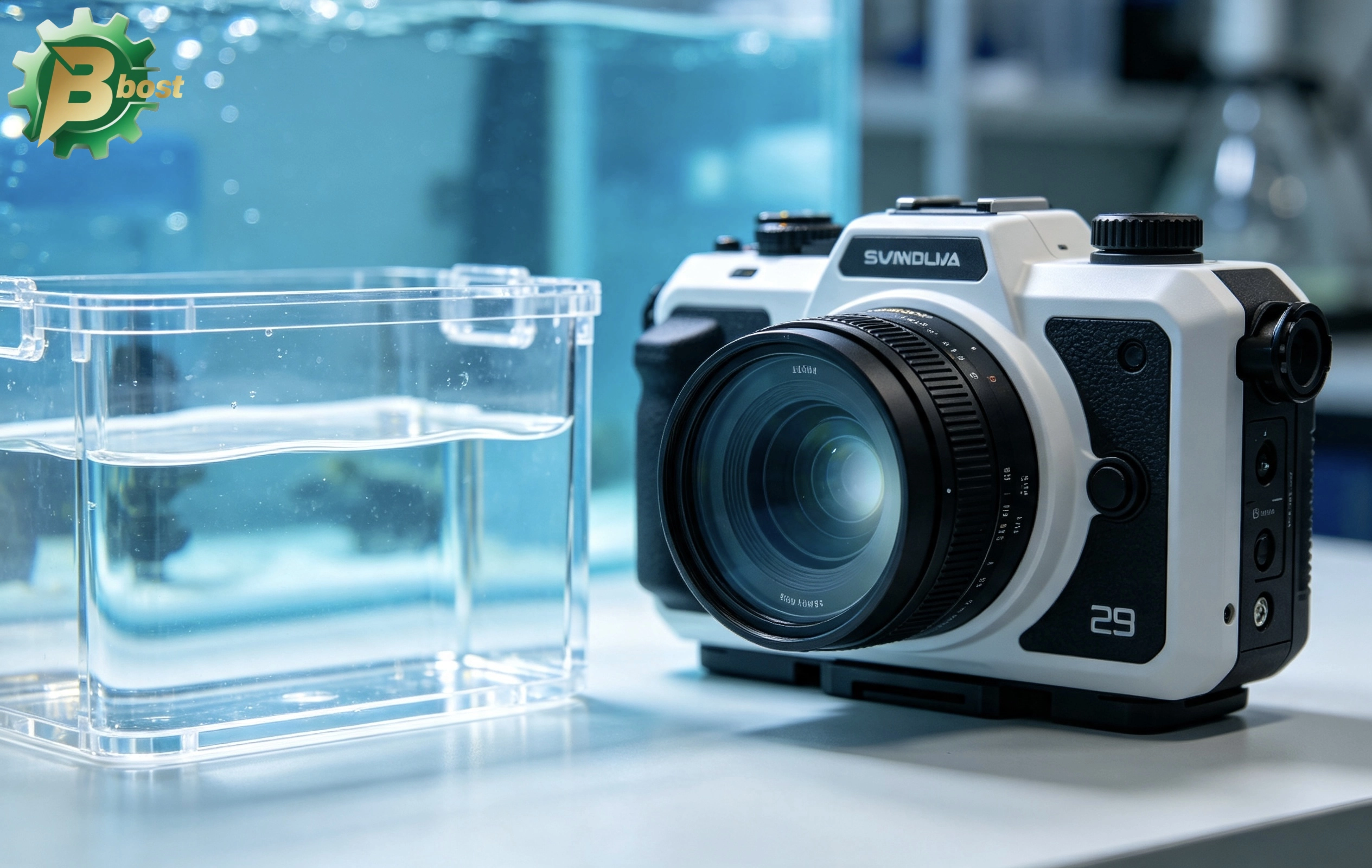
Underwater Camera Enclosure Plastic Injection Service
More Details →
Underwater Camera Enclosure Plastic Injection Service

Underwater Camera Shell Custom Plastic Molding
More Details →
Underwater Camera Shell Custom Plastic Molding
Leave a Message
Have any questions or concerns about our products? Please leave us a message here, and our team will get back to you promptly.

24 hours quotes delivered
Submit CAD files, get quote in 24 hours

No MOQ required
From prototyping to high-volume

±0.02 mm Precision
Advanced CNC with full inspections

1,000+ tons in stock
26 materials ready to ship
© 2026 BOST. All Rights Reserved.