
 Scan QR Code
Send My Request
What are sustainable options in engineering plastics?
2026-01-19
Explore the essential aspects of engineering plastics, their applications, and sustainable alternatives to make informed procurement decisions in the industry.
- Understanding Engineering Plastics and Sustainable Alternatives
- 1. What Are Engineering Plastics?
- 2. What Are Sustainable Options in Engineering Plastics?
- 3. How Do Sustainable Engineering Plastics Compare to Traditional Plastics?
- 4. What Are the Benefits of Using Sustainable Engineering Plastics?
- 5. What Are the Challenges in Implementing Sustainable Engineering Plastics?
- 6. How Can Companies Transition to Sustainable Engineering Plastics?
- 7. What Are Some Examples of Sustainable Engineering Plastics?
- 8. How Does Bost Incorporate Sustainability in Its Engineering Plastics?
- Conclusion
- References
Understanding Engineering Plastics and Sustainable Alternatives
1. What Are Engineering Plastics?
Engineering plastics are a group of plastic materials that possess superior mechanical and thermal properties compared to standard commodity plastics. These materials are designed for applications requiring enhanced performance, such as higher strength, durability, and resistance to heat and chemicals. Common examples include polyamides (nylons), polycarbonates, and poly(methyl methacrylate) (PMMA).
2. What Are Sustainable Options in Engineering Plastics?
Sustainable engineering plastics are materials that offer the performance characteristics of traditional engineering plastics while minimizing environmental impact. These options include:
Bio-based Plastics: Derived from renewable resources, such as plant-based materials, reducing reliance on fossil fuels.
Recycled Plastics: Utilizing post-industrial or post-consumer recycled plastics to produce new products, thereby reducing waste and conserving resources.
Biodegradable Plastics: Designed to break down more quickly in the environment, reducing long-term pollution.
Wood-Plastic Composites (WPCs): Combining wood fibers with plastic to create durable materials that can be recycled and have a lower environmental footprint.
3. How Do Sustainable Engineering Plastics Compare to Traditional Plastics?
Sustainable engineering plastics aim to match or exceed the performance of traditional plastics while offering environmental benefits. For instance, bio-based plastics can provide similar strength and durability as their petroleum-based counterparts. However, factors such as cost, availability, and processing methods may vary, and it's essential to evaluate these aspects based on specific application requirements.
4. What Are the Benefits of Using Sustainable Engineering Plastics?
Environmental Impact Reduction: Lower carbon footprint and decreased pollution due to the use of renewable resources and recycling.
Regulatory Compliance: Meeting increasing environmental regulations and standards.
Market Demand: Aligning with consumer preferences for eco-friendly products.
Resource Conservation: Reducing dependence on finite fossil fuels and promoting resource efficiency.
5. What Are the Challenges in Implementing Sustainable Engineering Plastics?
Material Properties: Ensuring that sustainable plastics meet the necessary performance standards for specific applications.
Cost Considerations: Bio-based and recycled plastics may have higher production costs compared to traditional plastics.
Supply Chain Limitations: Availability of sustainable materials can be limited, affecting production scalability.
Processing Techniques: Adapting manufacturing processes to accommodate new materials may require investment in new equipment or training.
6. How Can Companies Transition to Sustainable Engineering Plastics?
Material Assessment: Evaluate the performance requirements of your products and identify suitable sustainable materials.
Supplier Collaboration: Work closely with suppliers to source high-quality sustainable plastics.
Process Optimization: Modify manufacturing processes to integrate sustainable materials effectively.
Lifecycle Analysis: Conduct assessments to understand the environmental impact of materials throughout their lifecycle.
7. What Are Some Examples of Sustainable Engineering Plastics?
Isosorbide-Based Polymers: Derived from renewable resources, offering high thermal and mechanical properties suitable for engineering applications.
Glass-Filled Polymers: Incorporating glass fibers to enhance strength and durability, often used in structural components.
Twin-Wall Polycarbonate Sheets: Providing strength and insulation properties, used in applications like greenhouses and skylights.
8. How Does Bost Incorporate Sustainability in Its Engineering Plastics?
Bost is committed to sustainability by integrating eco-friendly practices in its engineering plastics production. The company focuses on:
Utilizing Recycled Materials: Incorporating post-industrial and post-consumer recycled plastics into their products to reduce waste and conserve resources.
Developing Bio-Based Plastics: Investing in research and development to create plastics derived from renewable resources, minimizing environmental impact.
Optimizing Manufacturing Processes: Implementing energy-efficient and waste-reducing manufacturing techniques to enhance overall sustainability.
By choosing Bost, you partner with a company dedicated to providing high-quality engineering plastics that meet your performance needs while supporting environmental responsibility.
Conclusion
Understanding the landscape of engineering plastics and the sustainable alternatives available is crucial for making informed procurement decisions. By considering factors such as material properties, environmental impact, and cost, companies can select the most appropriate materials for their applications. Embracing sustainable engineering plastics not only benefits the environment but also aligns with evolving market demands and regulatory requirements.
References
Engineering Plastics. (n.d.). In Wikipedia. Retrieved January 19, 2026, from https://en.wikipedia.org/wiki/Engineering_plastic
Sustainable and recyclable super engineering thermoplastic from biorenewable monomer. (2019). Nature Communications, 10(1), 1-9. https://doi.org/10.1038/s41467-019-10582-6
Plastics & Sustainability: Grey is the New Green. (2022). Wiley. https://www.wiley.com/en-us/network/professional-development/careers/sustainability/plastics-sustainability-grey-is-the-new-green
Engineering the elimination of end-of-life plastic waste. (2021). National Science Foundation. https://www.nsf.gov/news/engineering-elimination-end-life-plastic-waste
Glass-filled polymer. (n.d.). In Wikipedia. Retrieved January 19, 2026, from https://en.wikipedia.org/wiki/Glass-filled_polymer
Twinwall plastic. (n.d.). In Wikipedia. Retrieved January 19, 2026, from https://en.wikipedia.org/wiki/Twinwall_plastic
Wood-Plastic Composites production requires high formulation quality the feeding system. (n.d.). K-Tron. https://www.ktron.com/industries/wood-plastic-composites-production-requires-high-formulation-quality-the-feeding-system
Ecobricks. (n.d.). In Wikipedia. Retrieved January 19, 2026, from https://en.wikipedia.org/wiki/Ecobricks
Korea Engineering Plastics. (n.d.). In Wikipedia. Retrieved January 19, 2026, from https://en.wikipedia.org/wiki/Korea_Engineering_Plastics
Bost. (n.d.). Retrieved January 19, 2026, from https://www.bost.com
Recommended for you
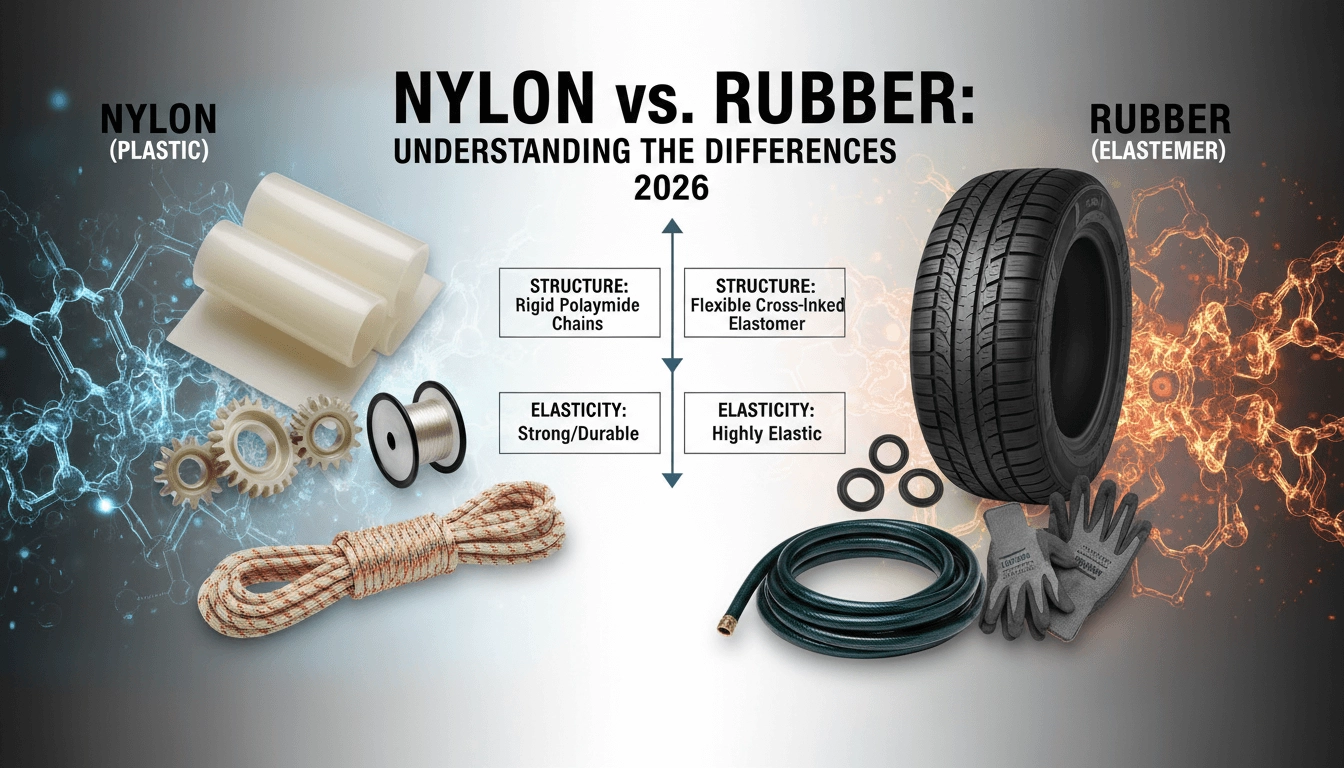
Is Nylon a Plastic or a Type of Rubber? Understanding the Differences 2026
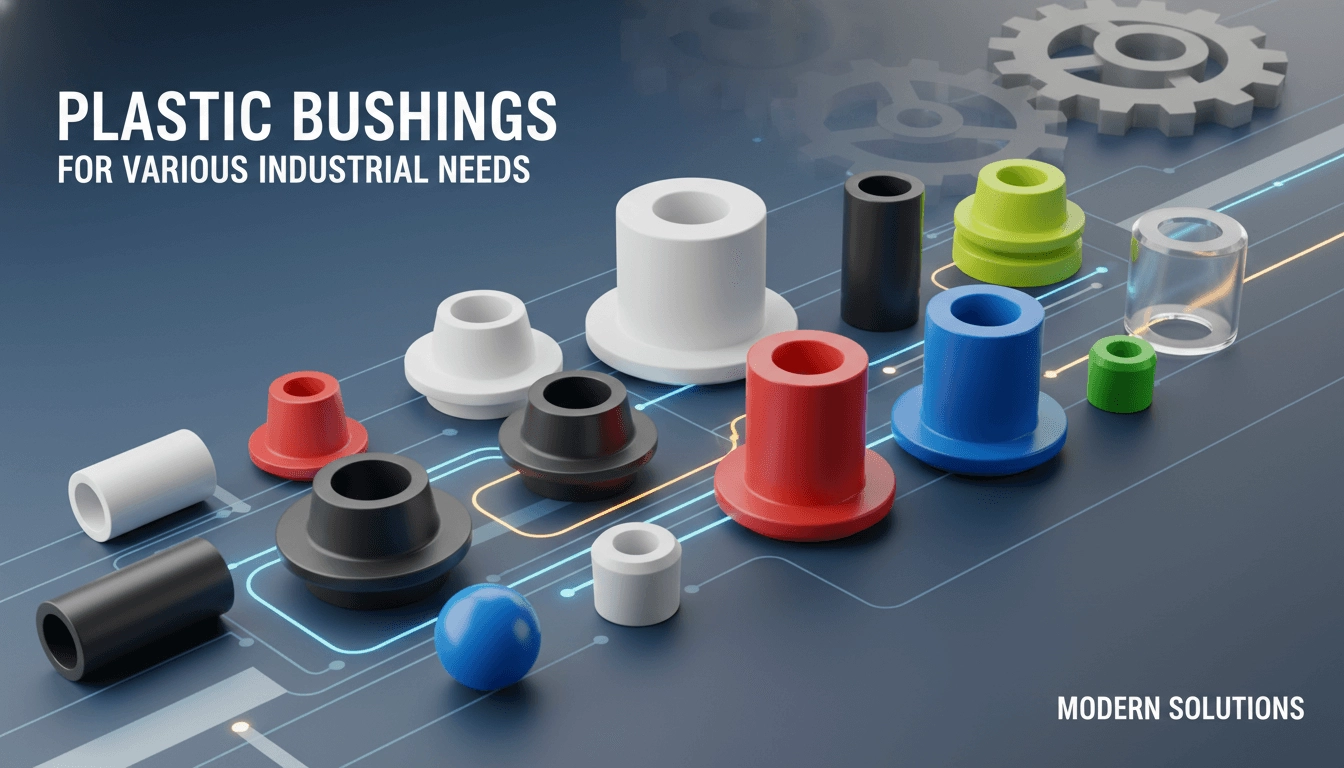
2026 Strategic Procurement Guide: How to Choose the Best Quality Plastic Bushings for Various Industrial Needs

ABS Plastic vs. PVC: Which Plastic Should You Choose 2026?
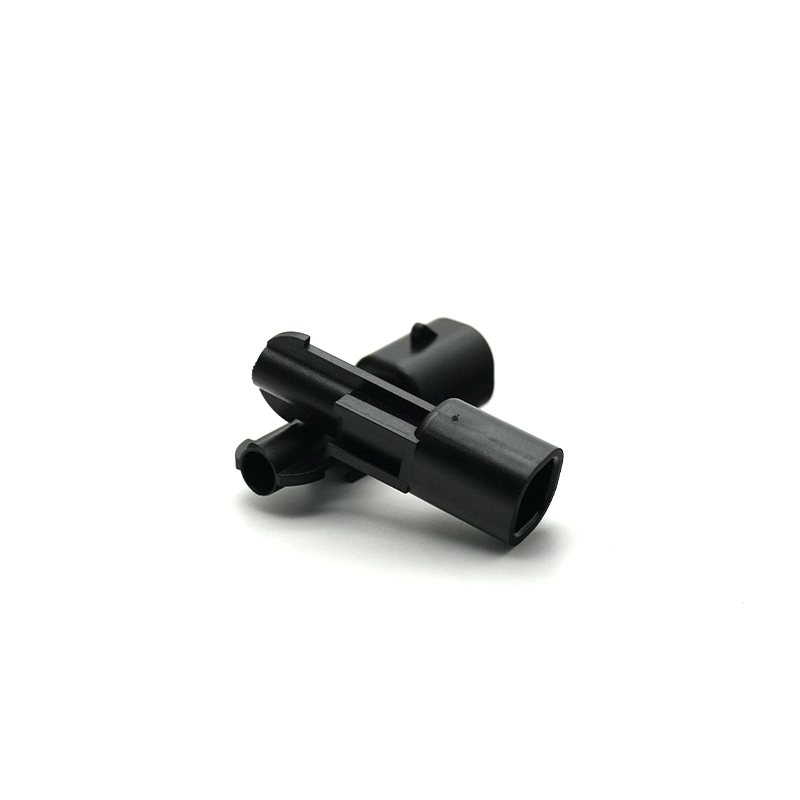
Best Suppliers for Industrial Engineering Plastics: Key Standards and Collaborative Advantages
Prdoucts Categories
FAQ
FAQs
How do I select the appropriate engineering plastic grade for my product?
Selection should be based on parameters such as load conditions (e.g., pressure/friction), temperature range, medium contact (e.g., oil/acid), and regulatory requirements (e.g., FDA/RoHS). Our engineers can provide free material selection consulting and sample testing.
What are the core advantages of Bost engineering plastics compared to ordinary plastics?
Bost engineering plastics feature ultra-high mechanical strength, high-temperature resistance (-50°C to 300°C), chemical corrosion resistance, and wear resistance. Compared to ordinary plastics, their service life is extended by 3 to 8 times, making them suitable for replacing metals in harsh environments.
Can Bost customize modified plastics with special properties?
Yes! We offer modification services such as reinforcement, flame retardancy, conductivity, wear resistance, and UV resistance, for example:
• Adding carbon fiber to enhance stiffness
• Reducing the coefficient of friction through PTFE modification
• Customizing food-grade or medical-grade certified materials
What is the minimum order quantity (MOQ)? Do you support small-batch trial production?
The MOQ for standard products is ≥100kg. We support small-batch trial production (as low as 20kg) and provide mold testing reports and performance data feedback.
What is the delivery lead time? Do you offer global logistics?
Standard products: 5–15 working days; custom modifications: 2–4 weeks. We support global air/sea freight and provide export customs clearance documents (including REACH/UL certifications).
You may also like
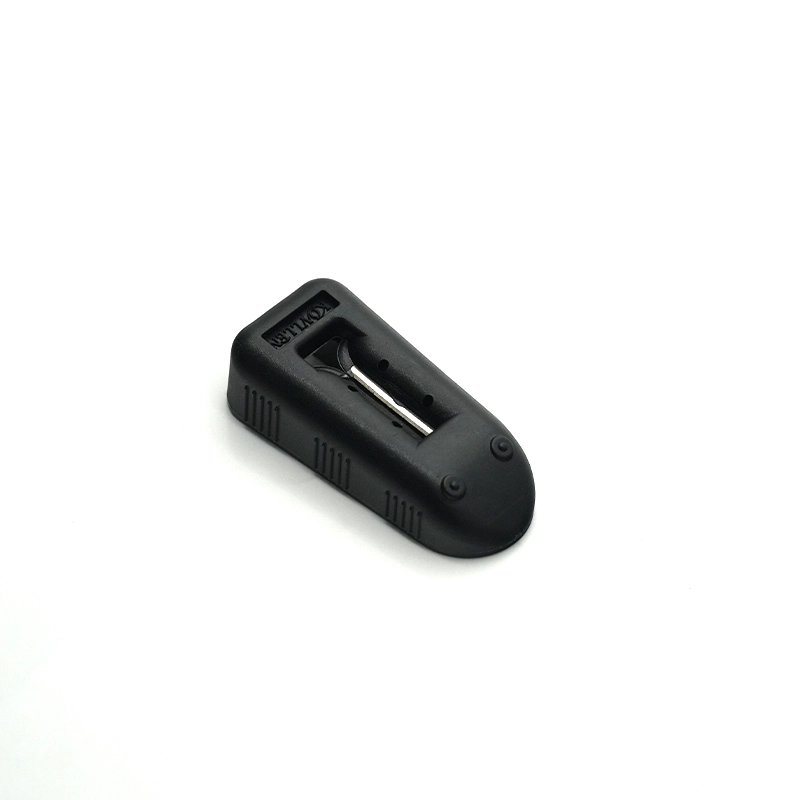
The plastic plug manufactured by Insert molding with stainless steel plate
More Details →
The plastic plug manufactured by Insert molding with stainless steel plate
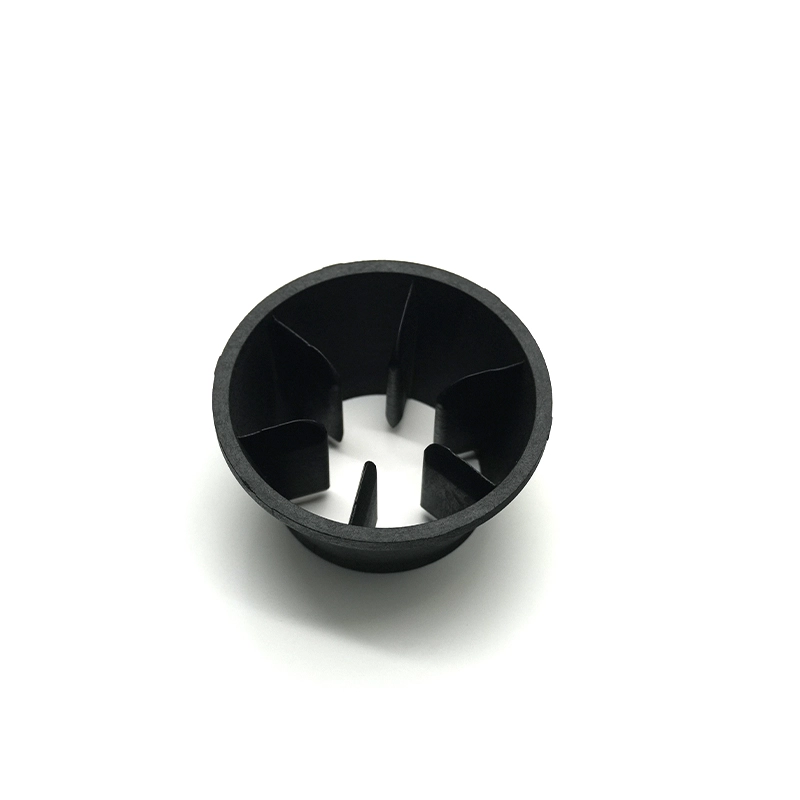
The Bost custom PPO flow valve by injection molding
More Details →
The Bost custom PPO flow valve by injection molding
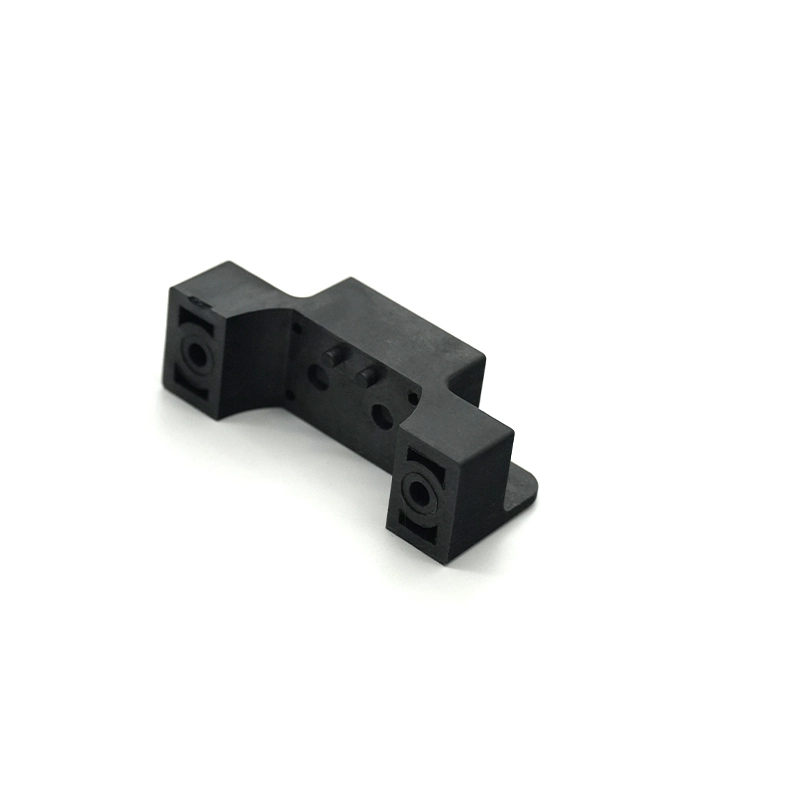
The Bost custom plastic handle by injection molding with high performance PPS material
More Details →
The Bost custom plastic handle by injection molding with high performance PPS material
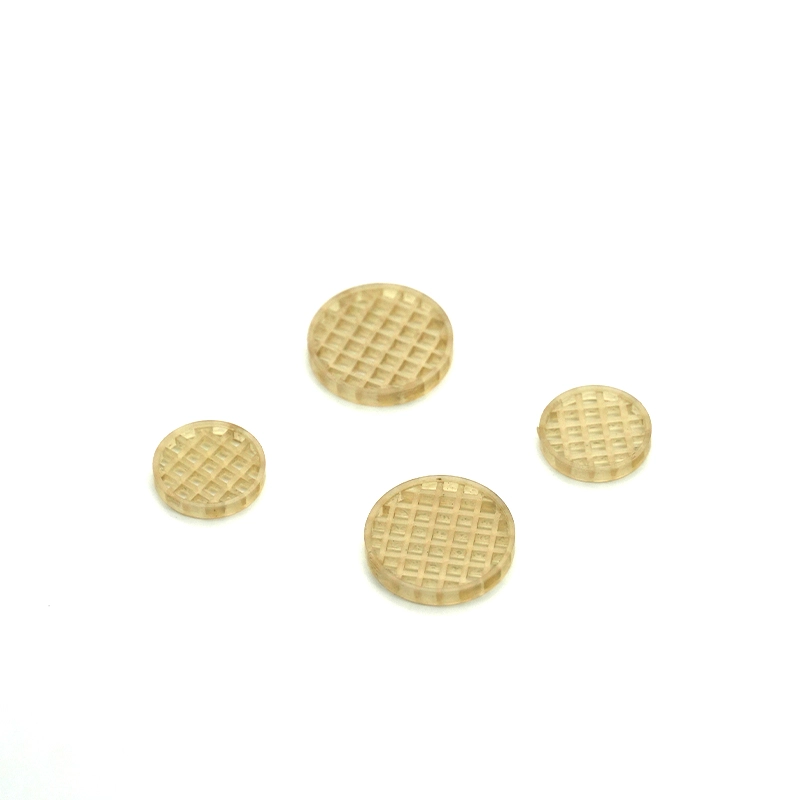
The Bost custom flow meter by injection molding with PES plastic
More Details →
The Bost custom flow meter by injection molding with PES plastic
Leave a Message
Have any questions or concerns about our products? Please leave us a message here, and our team will get back to you promptly.

24 hours quotes delivered
Submit CAD files, get quote in 24 hours

No MOQ required
From prototyping to high-volume

±0.02 mm Precision
Advanced CNC with full inspections

1,000+ tons in stock
26 materials ready to ship
© 2026 BOST. All Rights Reserved.