
 Scan QR Code
Send My Request
What engineered plastics suit electrical insulation needs?
2026-01-20
Explore the essential factors in selecting engineered plastics for electrical insulation, including material properties, applications, and considerations for procurement.
- Key Considerations for Engineered Plastics in Electrical Insulation
- 1. What are engineered plastics, and why are they used in electrical insulation?
- 2. What properties should engineered plastics possess for effective electrical insulation?
- 3. Which engineered plastics are commonly used for electrical insulation?
- 4. How do environmental factors affect the performance of engineered plastics in electrical insulation?
- 5. What are the key considerations when procuring engineered plastics for electrical insulation?
- 6. How does Bost's engineered plastic solutions stand out in the market?
When selecting engineered plastics for electrical insulation, it's crucial to understand their properties, applications, and procurement considerations to ensure optimal performance and reliability.
Key Considerations for Engineered Plastics in Electrical Insulation
1. What are engineered plastics, and why are they used in electrical insulation?
Engineered plastics are high-performance polymers designed to meet specific mechanical, thermal, and electrical requirements. In electrical insulation, they provide reliable dielectric properties, mechanical strength, and thermal stability, making them suitable for components like connectors, circuit boards, and cable insulations.
2. What properties should engineered plastics possess for effective electrical insulation?
Effective electrical insulation requires plastics with:
High Dielectric Strength: Ability to withstand high voltages without breakdown.
Low Dielectric Constant and Dissipation Factor: Minimizing energy loss and signal distortion.
High Volume Resistivity: Preventing leakage currents.
Thermal Stability: Maintaining performance across a wide temperature range.
Chemical Resistance: Withstanding exposure to various chemicals without degradation.
These properties ensure the material's reliability and longevity in electrical applications.
3. Which engineered plastics are commonly used for electrical insulation?
Several engineered plastics are favored for electrical insulation due to their specific properties:
Polycarbonate (PC): Offers high impact resistance and good dielectric properties, suitable for electrical housings and circuit boards.
Polyimide (PI): Known for exceptional thermal stability and dielectric strength, ideal for high-temperature applications.
Polyethylene (PE): Provides excellent electrical insulation and is commonly used in high-voltage cable insulation.
Polytetrafluoroethylene (PTFE): Offers high dielectric strength and chemical resistance, making it suitable for high-frequency insulators.
Polyamide (PA/Nylon): Combines good electrical properties with mechanical strength, used in connectors and switchgear components.
4. How do environmental factors affect the performance of engineered plastics in electrical insulation?
Environmental factors such as temperature fluctuations, humidity, UV exposure, and chemical environments can impact the performance of engineered plastics. Selecting materials with appropriate resistance to these factors is essential to maintain insulation integrity and prevent premature failure.
5. What are the key considerations when procuring engineered plastics for electrical insulation?
When procuring engineered plastics for electrical insulation, consider the following:
Material Specifications: Ensure the material meets the required electrical, mechanical, and thermal properties for your application.
Compliance and Certifications: Verify that the material complies with industry standards and certifications, such as UL ratings.
Supplier Reputation: Choose suppliers with a proven track record in providing high-quality materials.
Cost and Availability: Assess the material's cost-effectiveness and availability to ensure timely procurement.
Environmental Impact: Consider the material's environmental footprint and recyclability to align with sustainability goals.
By carefully evaluating these factors, you can select engineered plastics that offer optimal performance and reliability for electrical insulation applications.
6. How does Bost's engineered plastic solutions stand out in the market?
Bost offers a comprehensive range of engineered plastic solutions tailored for electrical insulation needs. Their products are known for high dielectric strength, thermal stability, and resistance to environmental factors, ensuring long-term reliability in various applications. Bost's commitment to quality and innovation makes them a trusted partner for sourcing engineered plastics in the electrical industry.
In conclusion, selecting the right engineered plastic for electrical insulation involves understanding material properties, environmental considerations, and procurement factors. By partnering with reputable suppliers like Bost, you can ensure the success and durability of your electrical components.
References:
Essentra Components. (n.d.). Ultimate guide to engineered plastics.
Boyd Corporation. (n.d.). Electrical Insulation.
Agrati Group. (n.d.). Electrical Insulation.
DXTSEALS. (n.d.). Insulation Properties of Plastic Washers and Their Applications in Electrical Equipment.
NORDIO PLASTIC. (n.d.). Electrical Insulation Plastics.
Curbell Plastics. (n.d.). Plastics Dielectric for Electrical Insulators.
Haysite Reinforced Plastics. (n.d.). Electrical Insulation.
Marian Inc. (n.d.). Electrical Insulators.
Interstate Specialty Products. (n.d.). Electrical Insulation.
Polymer Industries. (n.d.). Electrical.
New England Die Cutting. (n.d.). Electrical Insulators.
Is Plastic an Effective Electrical Insulator? (n.d.).
Thyssenkrupp Materials NA. (n.d.). Engineering Plastic Products.
Oreate AI Blog. (n.d.). Research on the Application of Insulating Engineering Plastics in the Electrical and Electronics Industry.
High-voltage cable. (n.d.).
By understanding these aspects and leveraging the expertise of suppliers like Bost, you can make informed decisions in selecting engineered plastics that meet your electrical insulation requirements.
Recommended for you
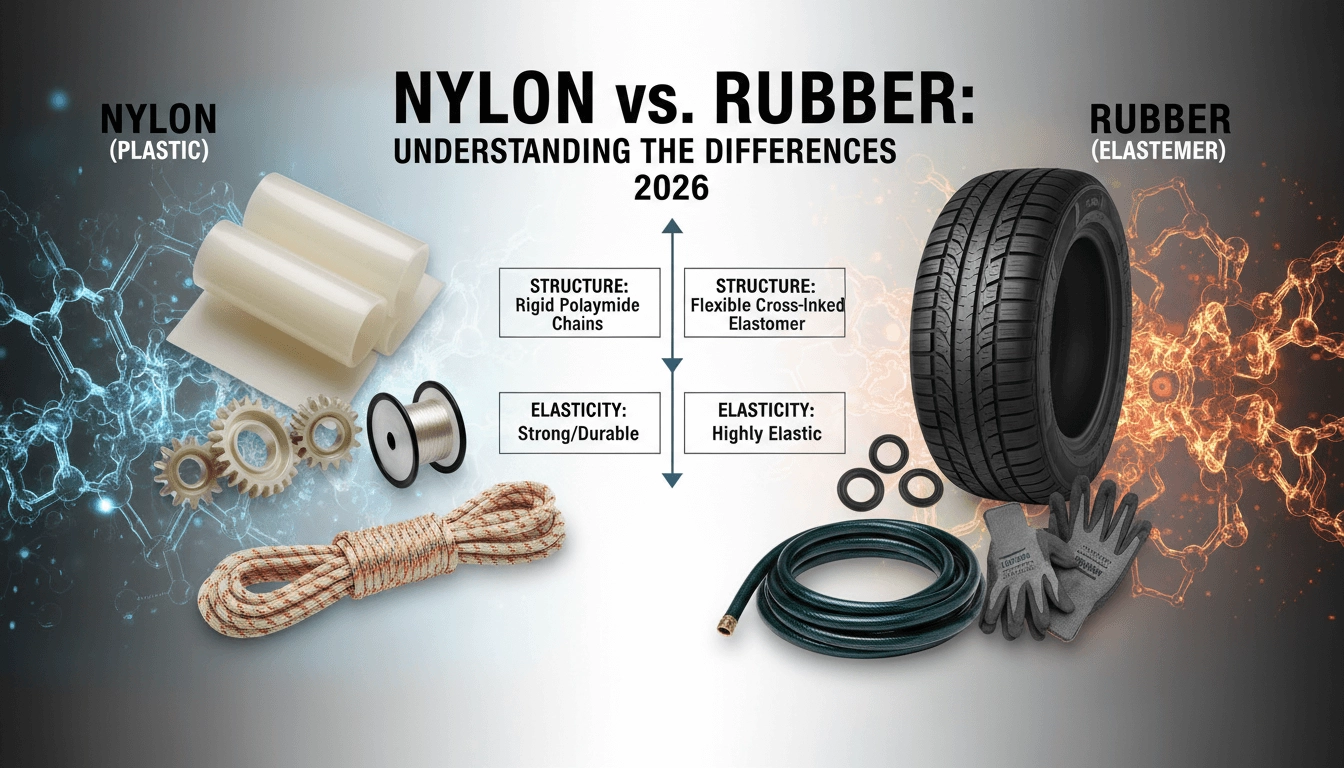
Is Nylon a Plastic or a Type of Rubber? Understanding the Differences 2026
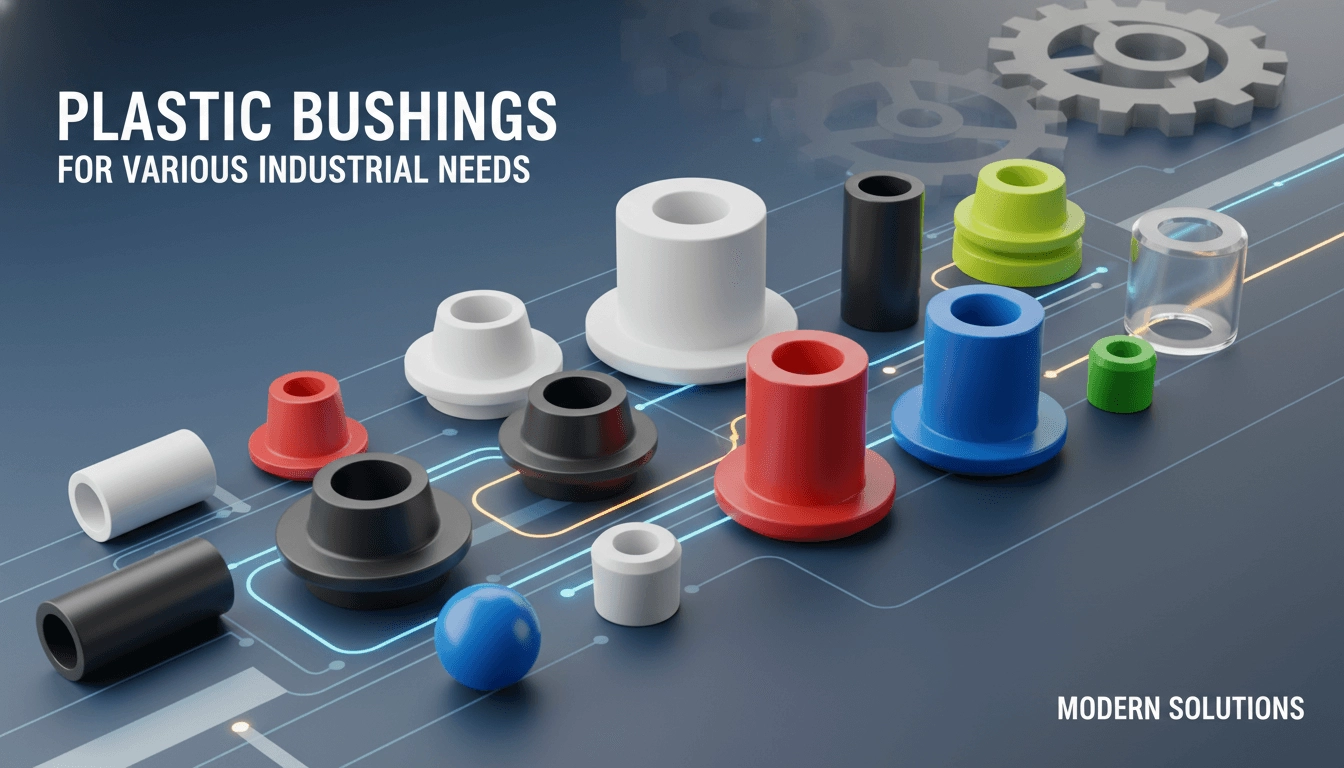
2026 Strategic Procurement Guide: How to Choose the Best Quality Plastic Bushings for Various Industrial Needs

ABS Plastic vs. PVC: Which Plastic Should You Choose 2026?
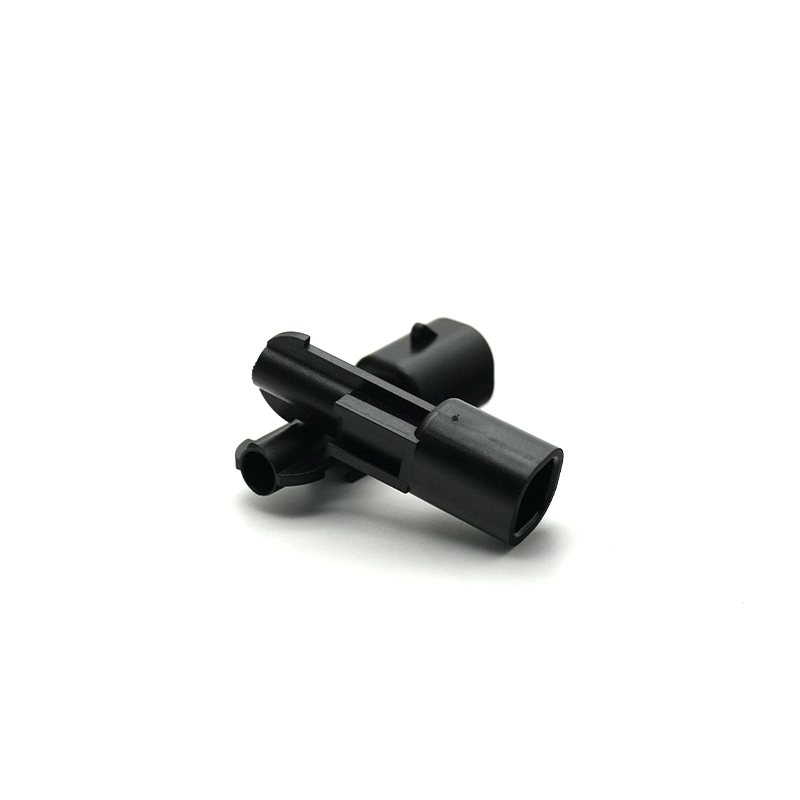
Best Suppliers for Industrial Engineering Plastics: Key Standards and Collaborative Advantages
Prdoucts Categories
FAQ
FAQs
What is the delivery lead time? Do you offer global logistics?
Standard products: 5–15 working days; custom modifications: 2–4 weeks. We support global air/sea freight and provide export customs clearance documents (including REACH/UL certifications).
Can Bost customize modified plastics with special properties?
Yes! We offer modification services such as reinforcement, flame retardancy, conductivity, wear resistance, and UV resistance, for example:
• Adding carbon fiber to enhance stiffness
• Reducing the coefficient of friction through PTFE modification
• Customizing food-grade or medical-grade certified materials
What is the minimum order quantity (MOQ)? Do you support small-batch trial production?
The MOQ for standard products is ≥100kg. We support small-batch trial production (as low as 20kg) and provide mold testing reports and performance data feedback.
How do I select the appropriate engineering plastic grade for my product?
Selection should be based on parameters such as load conditions (e.g., pressure/friction), temperature range, medium contact (e.g., oil/acid), and regulatory requirements (e.g., FDA/RoHS). Our engineers can provide free material selection consulting and sample testing.
What are the core advantages of Bost engineering plastics compared to ordinary plastics?
Bost engineering plastics feature ultra-high mechanical strength, high-temperature resistance (-50°C to 300°C), chemical corrosion resistance, and wear resistance. Compared to ordinary plastics, their service life is extended by 3 to 8 times, making them suitable for replacing metals in harsh environments.
You may also like
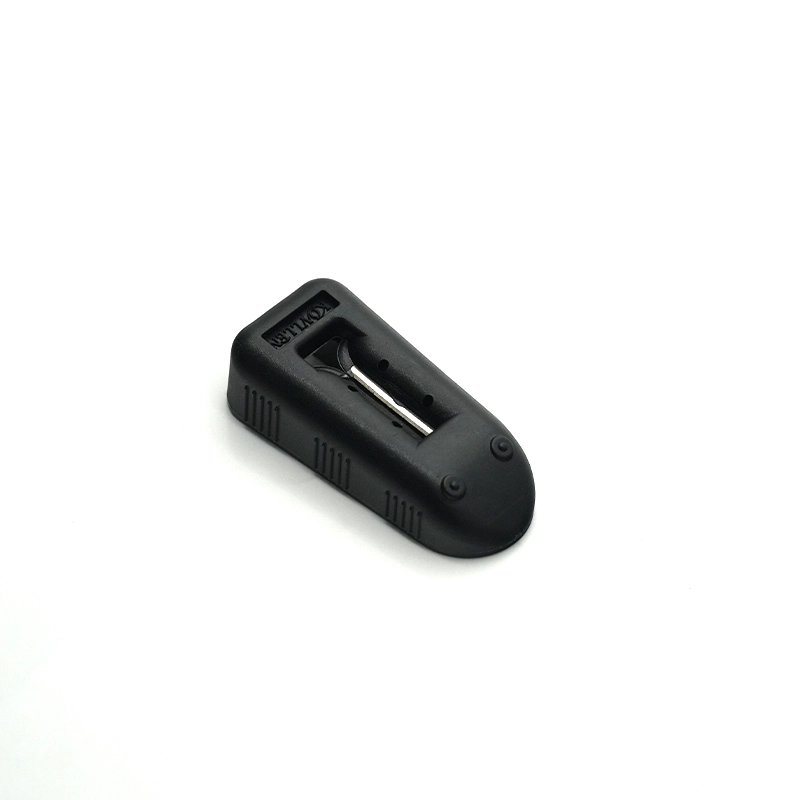
The plastic plug manufactured by Insert molding with stainless steel plate
More Details →
The plastic plug manufactured by Insert molding with stainless steel plate
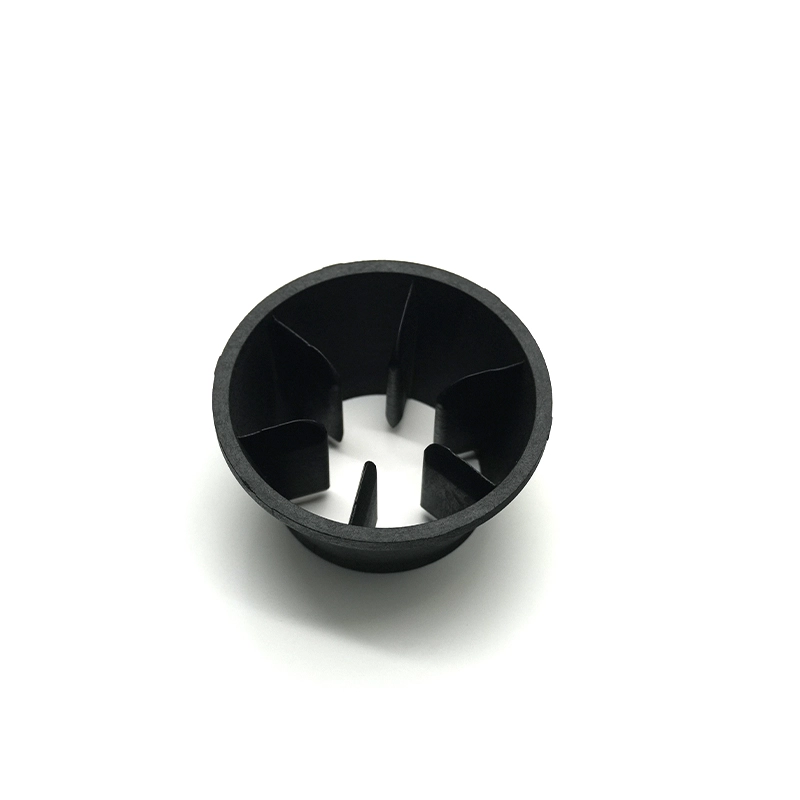
The Bost custom PPO flow valve by injection molding
More Details →
The Bost custom PPO flow valve by injection molding
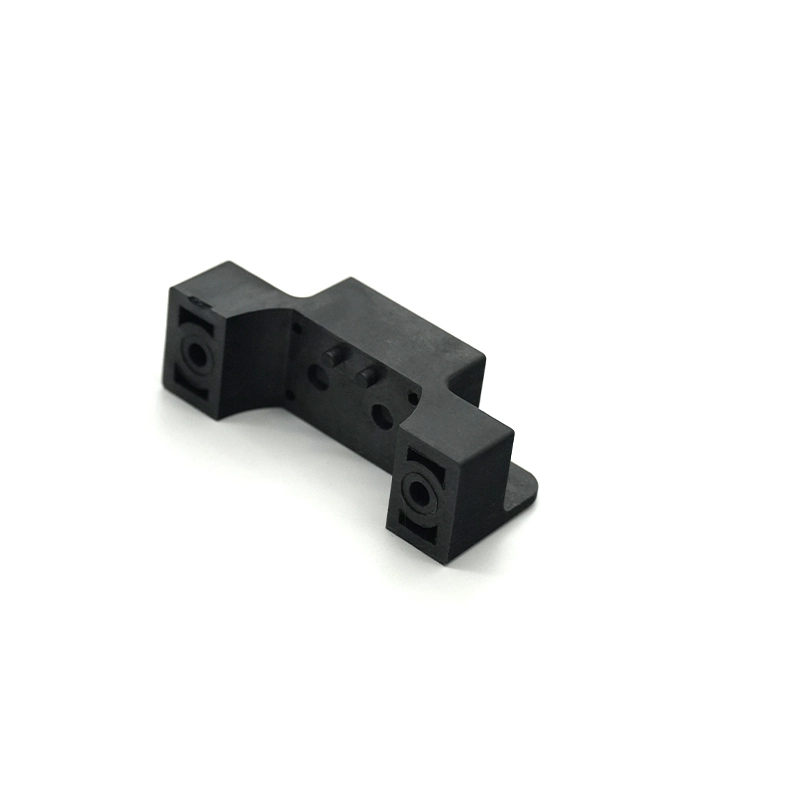
The Bost custom plastic handle by injection molding with high performance PPS material
More Details →
The Bost custom plastic handle by injection molding with high performance PPS material
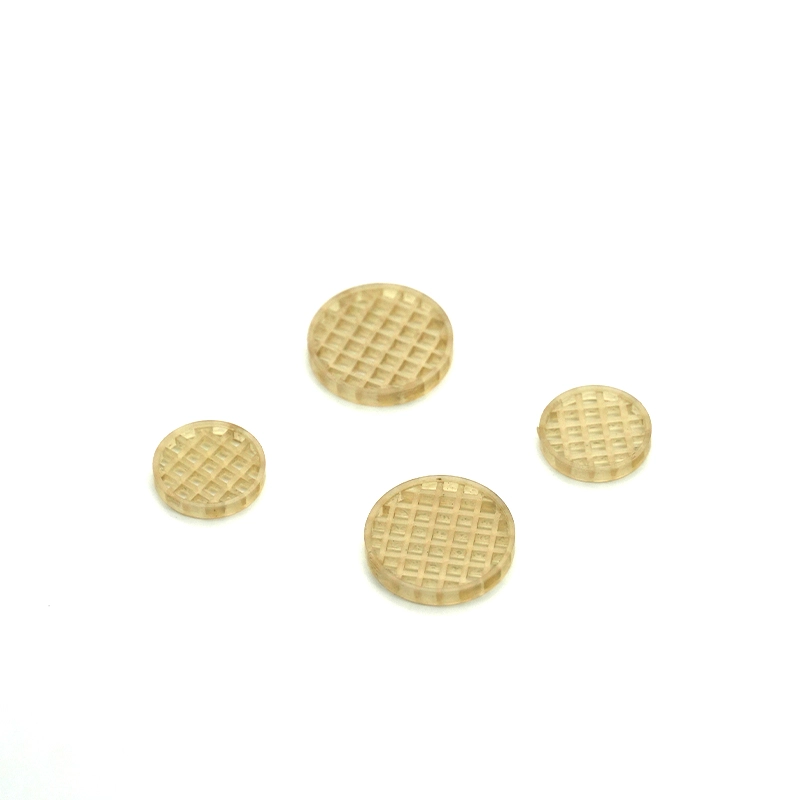
The Bost custom flow meter by injection molding with PES plastic
More Details →
The Bost custom flow meter by injection molding with PES plastic
Leave a Message
Have any questions or concerns about our products? Please leave us a message here, and our team will get back to you promptly.

24 hours quotes delivered
Submit CAD files, get quote in 24 hours

No MOQ required
From prototyping to high-volume

±0.02 mm Precision
Advanced CNC with full inspections

1,000+ tons in stock
26 materials ready to ship
© 2026 BOST. All Rights Reserved.