




 Scan QR Code
Send My Request
How do insert materials affect corrosion and durability?
2025-12-14
Explore how insert molding improves product durability and corrosion resistance in engineering plastics, with insights into material selection, process optimization, and design considerations.
Insert molding is a specialized manufacturing process that integrates metal inserts into plastic components, resulting in parts with enhanced strength, durability, and corrosion resistance. This technique is particularly beneficial in applications where traditional assembly methods may fall short.
What is Insert Molding?
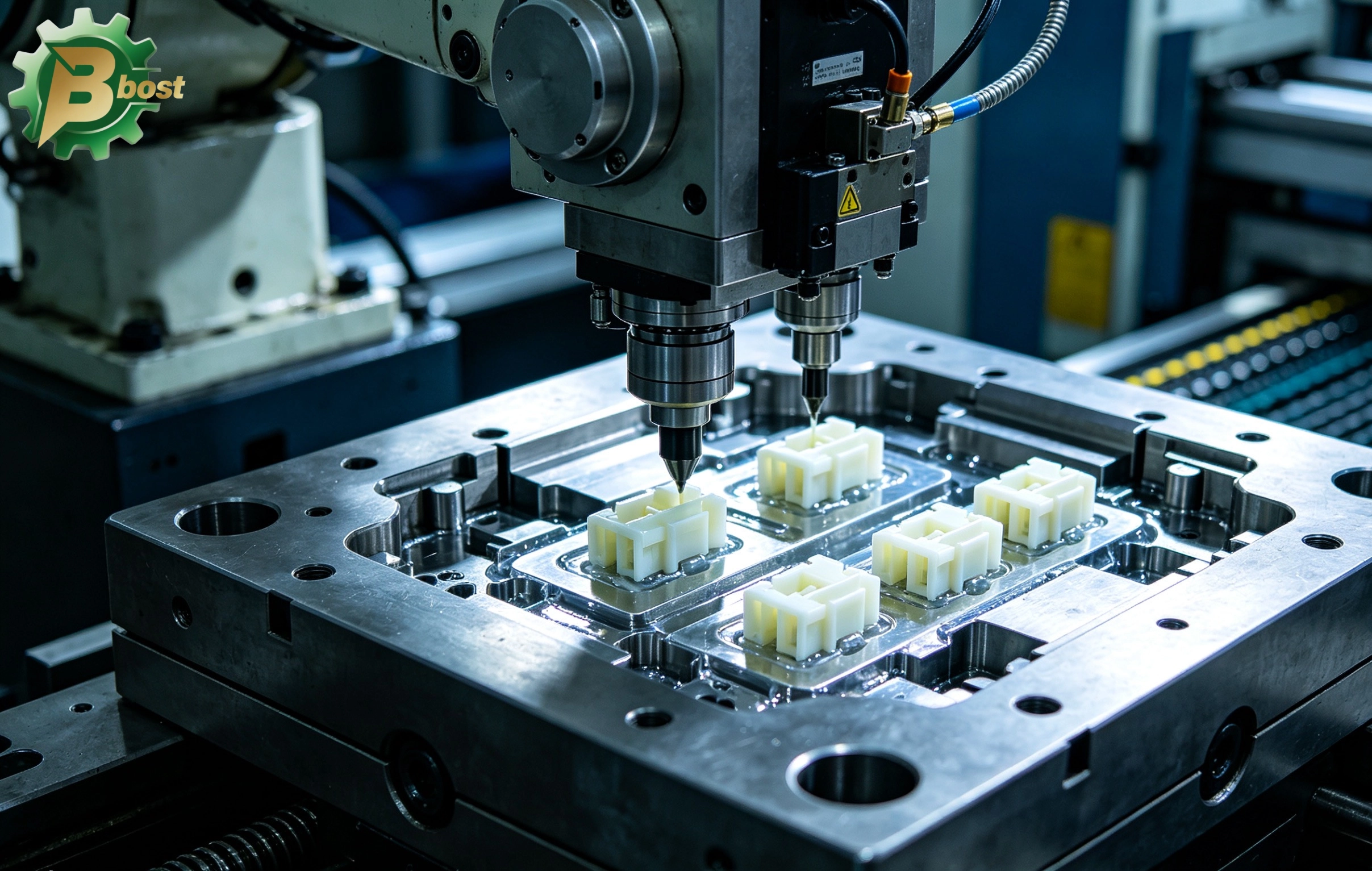
Insert molding involves placing a pre-formed metal component, such as a threaded insert or bushing, into a mold cavity before injecting molten plastic. The plastic encapsulates the insert, creating a single, unified part upon cooling. This process eliminates the need for secondary assembly steps, streamlining production and improving part integrity.
How Does Insert Molding Enhance Product Durability?
By permanently bonding metal inserts with plastic, insert molding creates components that are more robust and resistant to mechanical stress. The direct integration of metal and plastic eliminates potential weak points found in traditional assemblies, leading to parts that can withstand higher loads and resist wear over time.
What Role Do Insert Materials Play in Corrosion Resistance?
The choice of insert material significantly influences the corrosion resistance of the final product. Materials like stainless steel and brass offer superior resistance to environmental factors such as moisture and chemicals, thereby extending the component's lifespan. Selecting the appropriate insert material is crucial for applications exposed to corrosive environments.
How Does Material Compatibility Affect the Insert Molding Process?
Ensuring compatibility between the insert material and the plastic resin is vital for achieving a strong bond. Factors such as thermal expansion coefficients, processing temperatures, and surface energy must be considered to prevent issues like stress concentrations or insert displacement. For instance, using plated brass inserts with thermoplastics like nylon can enhance adhesion and overall part strength. ((https://www.gz-bost.com/insert-molding-fundamentals.html))
What Design Considerations Are Essential for Successful Insert Molding?
Proper design is key to the success of insert molding. Designers should account for insert geometry, material selection, wall thickness, and draft angles to ensure manufacturability and part performance. Incorporating features like undercuts or knurls on metal inserts can improve mechanical interlock with the plastic, enhancing pull-out resistance.
How Do Process Parameters Influence Durability and Corrosion Resistance?
Optimizing process parameters such as melt temperature, injection speed, and cooling rates is essential for achieving desired material properties. For example, controlling the cooling rate can influence the crystallization of semi-crystalline materials like nylon, affecting their dimensional stability and resistance to environmental factors. ((https://www.gz-bost.com/insert-molding-fundamentals.html))
What Are the Advantages of Insert Molding Over Traditional Assembly Methods?
Insert molding offers several advantages over traditional assembly methods, including reduced labor costs, improved part strength, and enhanced sealing capabilities. By integrating metal inserts directly into the plastic during the molding process, manufacturers can produce components that are both lightweight and durable, meeting the demands of various industries.
How Does Bost Enhance Insert Molding Capabilities?
Bost specializes in providing high-quality insert molding solutions, offering expertise in material selection, design optimization, and process control. With a focus on durability and corrosion resistance, Bost delivers components that meet the stringent requirements of industries such as automotive, medical devices, and consumer electronics. ((https://www.gz-bost.com/insert-molding-fundamentals.html))
In conclusion, insert molding is a pivotal process in the engineering plastics industry, offering enhanced durability and corrosion resistance through the strategic integration of metal inserts. By understanding the intricacies of material compatibility, design considerations, and process optimization, manufacturers can produce superior components that stand the test of time.
Recommended for you
The Peak Art of Custom Manufacturing According to Drawings: Comprehensive Guide to Precision Solutions for Custom Parts According to Drawing
Ending Mechanical Wear and Resonance: The Comprehensive Guide to Precision Customization and Mass Production of a Custom Rubber Pad
The Ultimate Armor for Smart Hardware: Advanced Customization and Precision Injection Molding Guide for a Custom Plastic Box
The Ultimate Weapon to Tame Vibration and Noise: Deep Dive into the Custom Process and Mass Production Logic of a Custom Rubber Bushing
Product Categories
FAQ
FAQs
What are the core advantages of Bost engineering plastics compared to ordinary plastics?
Bost engineering plastics feature ultra-high mechanical strength, high-temperature resistance (-50°C to 300°C), chemical corrosion resistance, and wear resistance. Compared to ordinary plastics, their service life is extended by 3 to 8 times, making them suitable for replacing metals in harsh environments.
What is the delivery lead time? Do you offer global logistics?
Standard products: 5–15 working days; custom modifications: 2–4 weeks. We support global air/sea freight and provide export customs clearance documents (including REACH/UL certifications).
How do I select the appropriate engineering plastic grade for my product?
Selection should be based on parameters such as load conditions (e.g., pressure/friction), temperature range, medium contact (e.g., oil/acid), and regulatory requirements (e.g., FDA/RoHS). Our engineers can provide free material selection consulting and sample testing.
Can Bost customize modified plastics with special properties?
Yes! We offer modification services such as reinforcement, flame retardancy, conductivity, wear resistance, and UV resistance, for example:
• Adding carbon fiber to enhance stiffness
• Reducing the coefficient of friction through PTFE modification
• Customizing food-grade or medical-grade certified materials
What is the minimum order quantity (MOQ)? Do you support small-batch trial production?
The MOQ for standard products is ≥100kg. We support small-batch trial production (as low as 20kg) and provide mold testing reports and performance data feedback.
You may also like
Custom Plastic Knobs Precision Injection Molded
More Details →
Custom Plastic Knobs Precision Injection Molded
Custom Injection Molded Parts from Drawings
More Details →
Custom Injection Molded Parts from Drawings
Underwater Camera Shell Custom Plastic Molding
More Details →
Underwater Camera Shell Custom Plastic Molding
Leave a Message
Have any questions or concerns about our products? Please leave us a message here, and our team will get back to you promptly.

24 hours quotes delivered
Submit CAD files, get quote in 24 hours

No MOQ required
From prototyping to high-volume

±0.02 mm Precision
Advanced CNC with full inspections

1,000+ tons in stock
26 materials ready to ship
© 2026 BOST. All Rights Reserved.