




 Scan QR Code
Send My Request
What design guidelines optimize insert molding for plastics?
2025-12-06
Explore essential design guidelines and best practices for insert molding in engineering plastics, including material selection, geometry considerations, and common pitfalls to avoid.
Comprehensive Guide to Insert Molding in Engineering Plastics
Insert molding is a specialized injection molding process that integrates pre-formed inserts—such as metals, ceramics, or other plastics—into a molded plastic part. This technique enhances the part's strength, functionality, and aesthetic appeal, making it invaluable in industries like automotive, consumer electronics, and industrial equipment. To optimize insert molding for engineering plastics, it's crucial to adhere to specific design guidelines and be aware of common challenges.
1. What is Insert Molding?
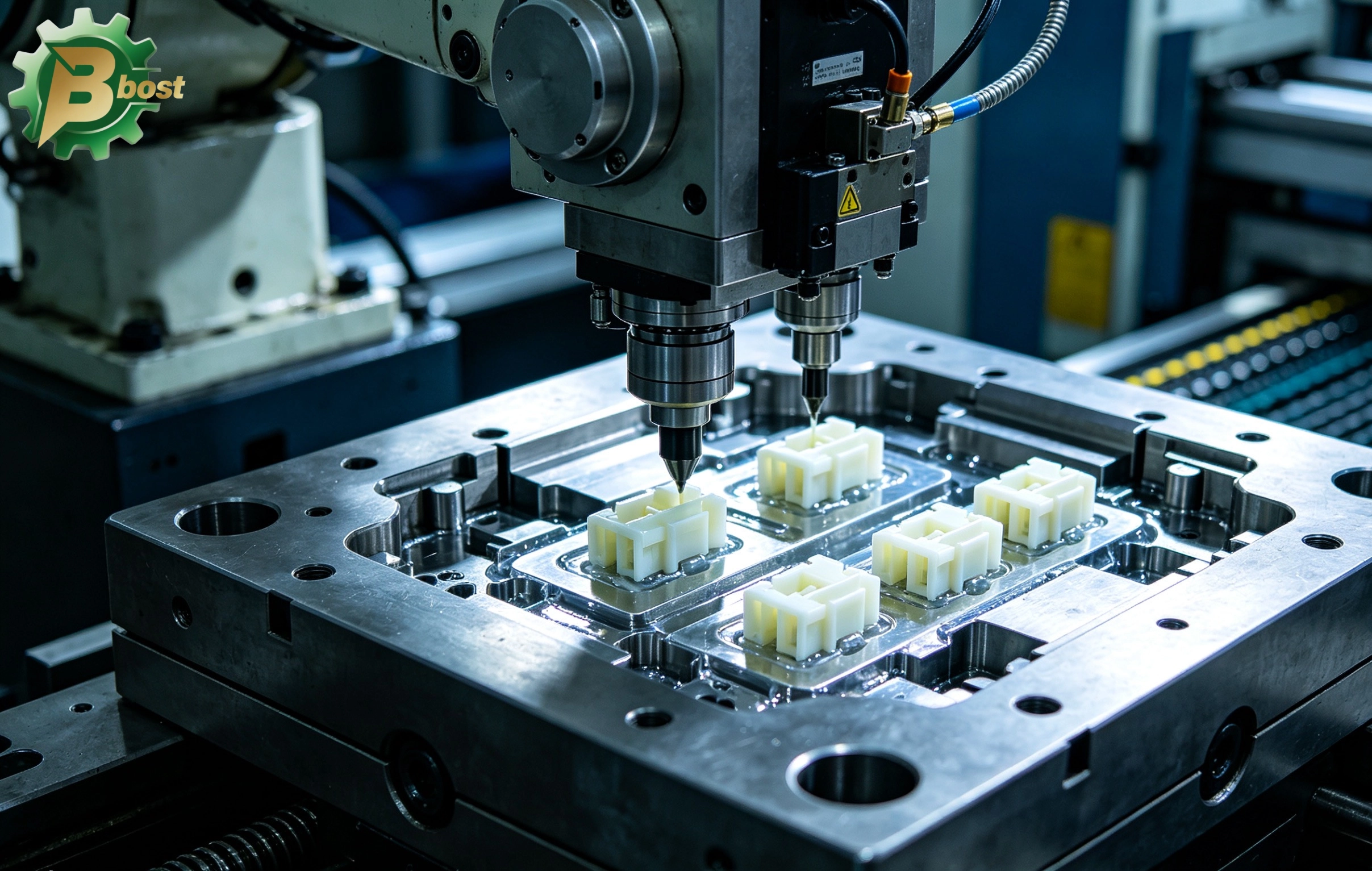
Insert molding involves placing a pre-made insert into a mold cavity before injecting molten plastic. The plastic encapsulates the insert, forming a robust bond through mechanical interlocking and, in some cases, chemical bonding. This process eliminates the need for separate assembly steps, resulting in a unified component that leverages the strengths of both materials.
2. What Materials Are Commonly Used for Inserts?
The choice of insert material depends on the application's requirements:
Metals: Brass, stainless steel, aluminum, and magnets are frequently used due to their strength and durability.
Ceramics: Ideal for applications requiring electrical insulation.
Plastics: Other plastic components can serve as inserts when compatible materials are needed.
Selecting the appropriate insert material is vital for ensuring a strong bond and optimal performance of the final product.
3. What Are the Key Design Guidelines for Insert Molding?
To achieve successful insert molding, consider the following design principles:
Insert Placement: Position inserts with sufficient clearance from the part's edge—ideally at least twice the wall thickness—to prevent cracking during ejection or under load.
Geometry and Clearances: Avoid sharp corners and incorporate rounded transitions to reduce stress concentrations and facilitate material flow. Ensure adequate polymer thickness around inserts to prevent sink marks and stress concentrations.
Bosses and Threads: Design bosses and threaded features with sufficient root diameter and fillets to avoid stress risers. For molded-in threaded metal inserts, ensure embedment depth provides pull-out resistance based on expected loads.
Mold Design and Fixturing: Utilize proper fixturing to hold inserts in place during injection, preventing displacement from melt flow or clamp force. Place inserts to minimize flow-induced drag and ensure consistent results.
Venting and Cooling: Incorporate vents near inserts to avoid trapped air pockets and balanced cooling channels to reduce cycle time and thermal distortion.
Processing Parameters and Quality Control: Control melt temperature, injection speed, packing, and mold temperature to maintain consistent polymer flow around inserts. Establish quality checks for insert position, overmold thickness, and dimensional tolerance to meet customer requirements.
4. What Are Common Challenges in Insert Molding?
Engineers may encounter several issues during insert molding:
Insert Misalignment: To prevent inserts from shifting during molding, use stronger fixturing, adjust gating, or reduce injection speed.
Sink Marks and Voids: Insufficient pack/hold or thin sections can lead to sink marks and voids near inserts. Increasing local wall thickness or adding ribs can address these issues.
Delamination or Poor Adhesion: Contamination or incompatible materials can cause delamination. Revising surface preparation or material selection can mitigate this problem.
5. How Does Bost Ensure Quality in Insert Molding?
Bost, a leading provider in the engineering plastics industry, adheres to stringent quality control measures in insert molding:
Material Selection: Bost carefully selects materials compatible with both the insert and the molded plastic to ensure a strong bond and optimal performance.
Design Expertise: Bost's engineering team applies comprehensive design guidelines to optimize insert placement, geometry, and fixturing, minimizing common molding issues.
Advanced Processing: Utilizing state-of-the-art equipment and precise process controls, Bost ensures consistent quality and repeatability in production.
Quality Assurance: Bost conducts thorough testing, including pull-out tests, torque tests for threaded inserts, and environmental exposures, to verify the integrity and durability of the final product.
By partnering with Bost, clients benefit from a commitment to excellence in insert molding, resulting in high-quality, reliable engineering plastic components.
References:
(https://www.gz-bost.com/insert-molding-design-guidelines-engineering-plastics.html)
(https://attractiveplastics.com/insert-molding/insert-molding-comprehensive-design-guideline/)
(https://www.rapiddirect.com/blog/insert-molding-design-guide/)
(https://www.amazingplastics.com/insert-molding-ultimate-guide/)
(https://www.protolabs.com/services/injection-molding/insert-molding/design-guidelines/)
(https://facfox.com/docs/kb/the-design-guideline-for-injection-molding)
Recommended for you
The Peak Art of Custom Manufacturing According to Drawings: Comprehensive Guide to Precision Solutions for Custom Parts According to Drawing
Ending Mechanical Wear and Resonance: The Comprehensive Guide to Precision Customization and Mass Production of a Custom Rubber Pad
The Ultimate Armor for Smart Hardware: Advanced Customization and Precision Injection Molding Guide for a Custom Plastic Box
The Ultimate Weapon to Tame Vibration and Noise: Deep Dive into the Custom Process and Mass Production Logic of a Custom Rubber Bushing
Product Categories
FAQ
FAQs
What are the core advantages of Bost engineering plastics compared to ordinary plastics?
Bost engineering plastics feature ultra-high mechanical strength, high-temperature resistance (-50°C to 300°C), chemical corrosion resistance, and wear resistance. Compared to ordinary plastics, their service life is extended by 3 to 8 times, making them suitable for replacing metals in harsh environments.
How do I select the appropriate engineering plastic grade for my product?
Selection should be based on parameters such as load conditions (e.g., pressure/friction), temperature range, medium contact (e.g., oil/acid), and regulatory requirements (e.g., FDA/RoHS). Our engineers can provide free material selection consulting and sample testing.
Can Bost customize modified plastics with special properties?
Yes! We offer modification services such as reinforcement, flame retardancy, conductivity, wear resistance, and UV resistance, for example:
• Adding carbon fiber to enhance stiffness
• Reducing the coefficient of friction through PTFE modification
• Customizing food-grade or medical-grade certified materials
What is the delivery lead time? Do you offer global logistics?
Standard products: 5–15 working days; custom modifications: 2–4 weeks. We support global air/sea freight and provide export customs clearance documents (including REACH/UL certifications).
What is the minimum order quantity (MOQ)? Do you support small-batch trial production?
The MOQ for standard products is ≥100kg. We support small-batch trial production (as low as 20kg) and provide mold testing reports and performance data feedback.
You may also like
Custom Plastic Knobs Precision Injection Molded
More Details →
Custom Plastic Knobs Precision Injection Molded
Custom Injection Molded Parts from Drawings
More Details →
Custom Injection Molded Parts from Drawings
Underwater Camera Shell Custom Plastic Molding
More Details →
Underwater Camera Shell Custom Plastic Molding
Leave a Message
Have any questions or concerns about our products? Please leave us a message here, and our team will get back to you promptly.

24 hours quotes delivered
Submit CAD files, get quote in 24 hours

No MOQ required
From prototyping to high-volume

±0.02 mm Precision
Advanced CNC with full inspections

1,000+ tons in stock
26 materials ready to ship
© 2026 BOST. All Rights Reserved.