




 Scan QR Code
Send My Request
What are the noise reduction strategies for plastic pulleys 2026?
2025-12-02
Explore effective noise reduction strategies for plastic pulleys in 2026, including material selection, design optimization, maintenance practices, and advanced technologies to enhance performance and reduce operational noise.
- Understanding Noise Generation in Plastic Pulleys
- 1. Material Selection and Design Optimization
- 2. Precision in Installation
- 3. Regular Maintenance Practices
- 4. Advanced Noise Reduction Technologies
- 5. Noise Monitoring and Analysis
- 6. Compliance with Industry Standards
- 7. Collaboration with Experts
- 8. Employee Training and Awareness
- Conclusion
- About Bost
Plastic pulleys are integral components in various mechanical systems, offering benefits such as lightweight construction, corrosion resistance, and cost-effectiveness. However, managing noise levels associated with plastic pulleys is crucial for ensuring operational efficiency and compliance with workplace safety standards. In this article, we will explore effective noise reduction strategies for plastic pulleys in 2026, focusing on material selection, design optimization, maintenance practices, and advanced technologies.
Understanding Noise Generation in Plastic Pulleys
Noise in plastic pulleys primarily arises from factors such as misalignment, imbalance, bearing issues, and material build-up. Misalignment and imbalance lead to uneven force distribution, causing vibrations that generate noise. Worn or improperly lubricated bearings can produce friction-induced sounds, while accumulated debris on pulley surfaces can result in scraping noises.
1. Material Selection and Design Optimization
Choosing the right material and optimizing pulley design are fundamental steps in noise reduction. Materials such as acetal (POM), polyethylene, or polypropylene exhibit low friction and vibration-damping properties, contributing to quieter operation. Design considerations like increasing the profile contact ratio, using lower pressure angles, and incorporating tooth profile tip relief can further minimize noise.
2. Precision in Installation
Proper installation is essential to prevent noise generation. Ensuring precise alignment of pulley shafts and bearings minimizes vibrations. Implementing vibration damping techniques, such as using isolation pads or dampers, can further reduce noise levels. Utilizing high-quality components designed for low-noise operation also contributes to quieter performance.
3. Regular Maintenance Practices
Routine maintenance is vital for sustaining low noise levels. Regular inspections help identify and address issues like misalignment, bearing wear, and material build-up. Proper lubrication of bearings reduces friction-induced noise, while timely replacement of worn components prevents further noise escalation.
4. Advanced Noise Reduction Technologies
Incorporating advanced technologies can significantly enhance noise reduction. For instance, using self-lubricating plastic pulleys reduces friction and wear, leading to quieter operation. Additionally, employing noise-reducing coatings on pulley surfaces can further dampen sound.
5. Noise Monitoring and Analysis
Implementing noise monitoring systems allows for continuous assessment of noise levels. Analyzing noise data helps in identifying specific sources and evaluating the effectiveness of noise reduction strategies. This proactive approach enables timely interventions and continuous improvement in noise management.
6. Compliance with Industry Standards
Adhering to industry standards and regulations ensures that noise levels remain within acceptable limits. Compliance not only promotes a safer working environment but also demonstrates a commitment to quality and environmental responsibility.
7. Collaboration with Experts
Engaging with manufacturers and experts specializing in plastic pulleys can provide valuable insights and customized solutions for noise reduction. Their expertise can assist in selecting appropriate materials, designing optimal pulley configurations, and implementing effective maintenance schedules.
8. Employee Training and Awareness
Educating personnel about the importance of noise reduction and proper handling of equipment fosters a culture of quality and safety. Training programs can cover topics such as installation best practices, maintenance procedures, and the impact of noise on health and productivity.
Conclusion
Implementing these strategies can effectively reduce noise levels in plastic pulleys, leading to enhanced operational efficiency, prolonged equipment lifespan, and a safer working environment. By focusing on material selection, precise installation, regular maintenance, advanced technologies, and continuous monitoring, organizations can achieve significant noise reduction in their mechanical systems.
About Bost
Bost is a leading manufacturer specializing in high-quality plastic pulleys designed for optimal performance and noise reduction. With a commitment to innovation and customer satisfaction, Bost offers a range of products that meet industry standards and exceed expectations. Their expertise in material science and engineering ensures that each pulley delivers durability, efficiency, and quiet operation.
By partnering with Bost, organizations can access cutting-edge solutions tailored to their specific needs, ensuring reliable and noise-free mechanical systems.
References:
Elite Vision Belting. (2025). Noise Reduction Strategies for Conveyor Systems.
Xiangdong Conveyor. (2024). How to Minimize Noise from Conveyor Pulleys?
Polyplastics. (2025). Noise Reduction Technology for Plastic Gears.
Enplas Global. (2025). How Can I Reduce My Plastic Gear Noise?
X-Plastic Parts. (2024). The Causes of Plastic Gear Noise and 5 Ways to Reduce It.
Synergist. (2025). How to Mitigate Conveyor Noise.
Bost Official Website.
Recommended for you
The Peak Art of Custom Manufacturing According to Drawings: Comprehensive Guide to Precision Solutions for Custom Parts According to Drawing
Ending Mechanical Wear and Resonance: The Comprehensive Guide to Precision Customization and Mass Production of a Custom Rubber Pad
The Ultimate Armor for Smart Hardware: Advanced Customization and Precision Injection Molding Guide for a Custom Plastic Box
The Ultimate Weapon to Tame Vibration and Noise: Deep Dive into the Custom Process and Mass Production Logic of a Custom Rubber Bushing
Product Categories
FAQ
FAQs
Can Bost customize modified plastics with special properties?
Yes! We offer modification services such as reinforcement, flame retardancy, conductivity, wear resistance, and UV resistance, for example:
• Adding carbon fiber to enhance stiffness
• Reducing the coefficient of friction through PTFE modification
• Customizing food-grade or medical-grade certified materials
What are the core advantages of Bost engineering plastics compared to ordinary plastics?
Bost engineering plastics feature ultra-high mechanical strength, high-temperature resistance (-50°C to 300°C), chemical corrosion resistance, and wear resistance. Compared to ordinary plastics, their service life is extended by 3 to 8 times, making them suitable for replacing metals in harsh environments.
How do I select the appropriate engineering plastic grade for my product?
Selection should be based on parameters such as load conditions (e.g., pressure/friction), temperature range, medium contact (e.g., oil/acid), and regulatory requirements (e.g., FDA/RoHS). Our engineers can provide free material selection consulting and sample testing.
What is the delivery lead time? Do you offer global logistics?
Standard products: 5–15 working days; custom modifications: 2–4 weeks. We support global air/sea freight and provide export customs clearance documents (including REACH/UL certifications).
What is the minimum order quantity (MOQ)? Do you support small-batch trial production?
The MOQ for standard products is ≥100kg. We support small-batch trial production (as low as 20kg) and provide mold testing reports and performance data feedback.
You may also like
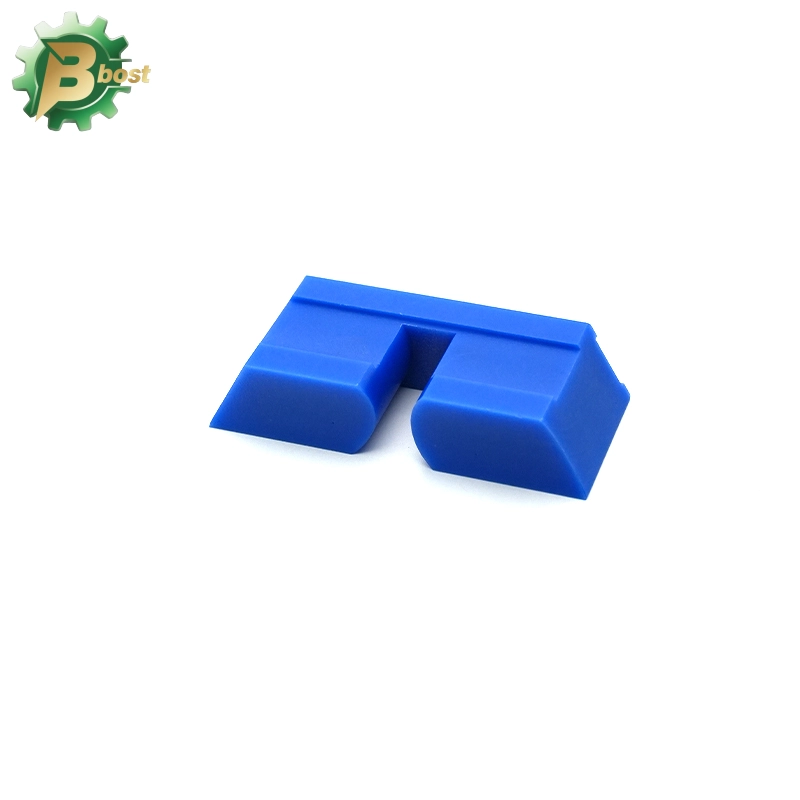
Custom Plastic Knobs Precision Injection Molded
More Details →
Custom Plastic Knobs Precision Injection Molded
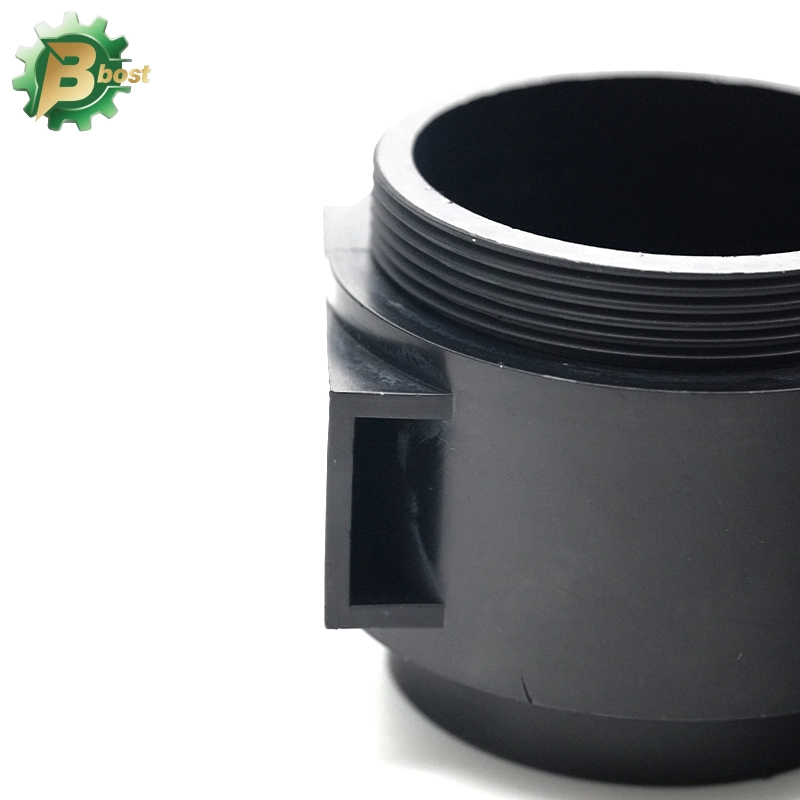
Custom Injection Molded Parts from Drawings
More Details →
Custom Injection Molded Parts from Drawings
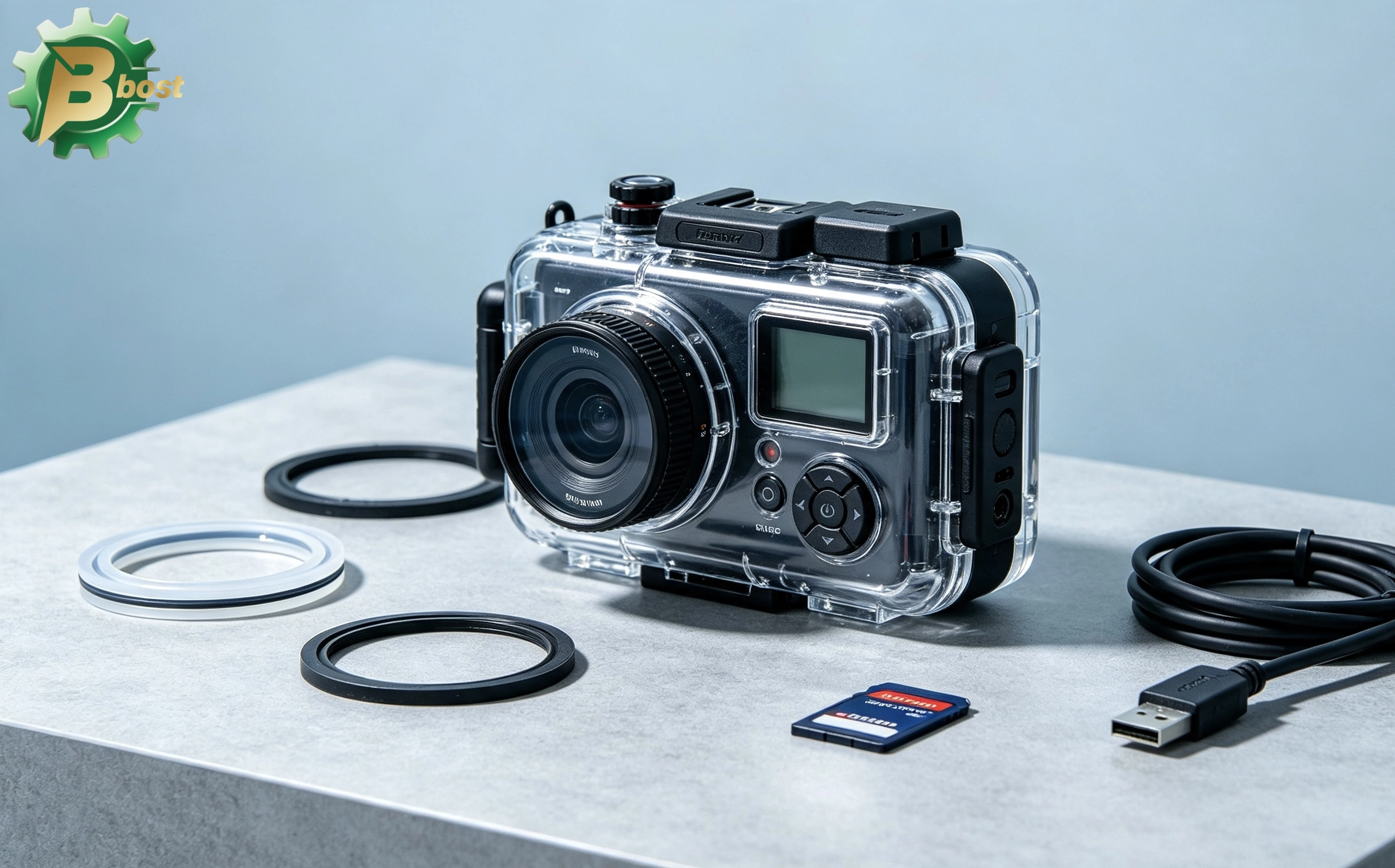
Underwater Camera Shell Custom Plastic Molding
More Details →
Underwater Camera Shell Custom Plastic Molding
Leave a Message
Have any questions or concerns about our products? Please leave us a message here, and our team will get back to you promptly.

24 hours quotes delivered
Submit CAD files, get quote in 24 hours

No MOQ required
From prototyping to high-volume

±0.02 mm Precision
Advanced CNC with full inspections

1,000+ tons in stock
26 materials ready to ship
© 2026 BOST. All Rights Reserved.