




 Scan QR Code
Send My Request
What role do plastic pulleys play in automation 2026?
2025-12-01
Explore the role of plastic pulleys in automation, their advantages, limitations, and considerations for procurement in the engineering plastics industry.
Plastic pulleys have become integral components in automation systems, offering a range of benefits that enhance performance and efficiency. This guide delves into the role of plastic pulleys in automation, their advantages and limitations, and key considerations for procurement in the engineering plastics industry.
What Are Plastic Pulleys and Their Role in Automation?
Plastic pulleys are mechanical components made from various engineering plastics, designed to guide or transmit motion in systems such as conveyor belts, timing mechanisms, and drive systems. In automation, they play a crucial role in reducing weight, minimizing maintenance, and improving energy efficiency.
Advantages of Plastic Pulleys in Automation
Lightweight Design
Plastic pulleys are significantly lighter than their metal counterparts, leading to reduced inertia and energy consumption. This weight reduction is particularly beneficial in applications requiring rapid acceleration and deceleration, such as robotics and automated machinery.
Corrosion Resistance
Unlike metal pulleys, plastic pulleys are inherently resistant to corrosion, making them ideal for environments exposed to moisture, chemicals, or corrosive substances. This resistance extends their service life and reduces maintenance costs.
Self-Lubricating Properties
Many engineering plastics used in pulleys, such as POM (Polyoxymethylene), exhibit self-lubricating characteristics, reducing friction and wear without the need for additional lubricants. This feature enhances operational efficiency and minimizes maintenance requirements.
Cost-Effectiveness
The manufacturing processes for plastic pulleys are often simpler and more cost-effective compared to metal pulleys. This affordability makes them an attractive option for applications where budget constraints are a consideration.
Limitations of Plastic Pulleys in Automation
Load-Bearing Capacity
Plastic pulleys generally have lower load-bearing capacities compared to metal pulleys. Excessive loads can lead to deformation or failure, making them unsuitable for heavy-duty applications.
Temperature Sensitivity
Most plastics have limited resistance to high temperatures. In environments with elevated temperatures, plastic pulleys may soften or lose structural integrity, necessitating careful material selection based on operating conditions.
Chemical Sensitivity
Certain plastics are susceptible to degradation when exposed to specific chemicals or solvents. It's essential to assess the chemical compatibility of the pulley material with the operating environment to prevent material failure.
Considerations for Procuring Plastic Pulleys
Material Selection
Choosing the appropriate plastic material is critical. Materials like POM offer self-lubricating properties, while others may provide enhanced chemical resistance. Understanding the specific requirements of the application will guide material selection.
Supplier Evaluation
Assessing suppliers for quality assurance, manufacturing capabilities, and adherence to industry standards ensures the procurement of reliable and durable plastic pulleys.
Cost-Benefit Analysis
While plastic pulleys are cost-effective, it's important to conduct a thorough cost-benefit analysis, considering factors like performance requirements, maintenance costs, and potential downtime.
Environmental Considerations
Evaluating the environmental impact of plastic materials, including recyclability and sustainability, aligns with corporate social responsibility goals and regulatory compliance.
Conclusion
Plastic pulleys offer significant advantages in automation systems, including reduced weight, corrosion resistance, and cost-effectiveness. However, their limitations in load-bearing capacity and temperature sensitivity require careful consideration. By understanding these factors and conducting thorough evaluations, procurement professionals can make informed decisions that enhance system performance and reliability.
Bost's Advantages in Plastic Pulley Procurement
Bost stands out in the procurement of plastic pulleys by offering a comprehensive understanding of the engineering plastics market and its evolving dynamics. With a focus on sustainability, cost-effectiveness, and performance optimization, Bost provides tailored solutions that align with the specific needs of procurement professionals. Leveraging Bost's expertise ensures access to high-quality plastic pulleys that meet both current and future industry demands. ((https://www.gz-bost.com/plastic-pulleys-vs-metal-pulleys-2026-comparison.html))
Data References
Verified Market Reports — October 2025
Intel Market Research — November 2025
Mordor Intelligence — November 2025
Lucintel — November 2025
Future Market Insights, Inc. — November 2025
6Wresearch — November 2025
Towards Chemical and Materials — November 2025
PR Newswire — November 2025
Recommended for you
The Peak Art of Custom Manufacturing According to Drawings: Comprehensive Guide to Precision Solutions for Custom Parts According to Drawing
Ending Mechanical Wear and Resonance: The Comprehensive Guide to Precision Customization and Mass Production of a Custom Rubber Pad
The Ultimate Armor for Smart Hardware: Advanced Customization and Precision Injection Molding Guide for a Custom Plastic Box
The Ultimate Weapon to Tame Vibration and Noise: Deep Dive into the Custom Process and Mass Production Logic of a Custom Rubber Bushing
Product Categories
FAQ
FAQs
How do I select the appropriate engineering plastic grade for my product?
Selection should be based on parameters such as load conditions (e.g., pressure/friction), temperature range, medium contact (e.g., oil/acid), and regulatory requirements (e.g., FDA/RoHS). Our engineers can provide free material selection consulting and sample testing.
Can Bost customize modified plastics with special properties?
Yes! We offer modification services such as reinforcement, flame retardancy, conductivity, wear resistance, and UV resistance, for example:
• Adding carbon fiber to enhance stiffness
• Reducing the coefficient of friction through PTFE modification
• Customizing food-grade or medical-grade certified materials
What is the delivery lead time? Do you offer global logistics?
Standard products: 5–15 working days; custom modifications: 2–4 weeks. We support global air/sea freight and provide export customs clearance documents (including REACH/UL certifications).
What are the core advantages of Bost engineering plastics compared to ordinary plastics?
Bost engineering plastics feature ultra-high mechanical strength, high-temperature resistance (-50°C to 300°C), chemical corrosion resistance, and wear resistance. Compared to ordinary plastics, their service life is extended by 3 to 8 times, making them suitable for replacing metals in harsh environments.
What is the minimum order quantity (MOQ)? Do you support small-batch trial production?
The MOQ for standard products is ≥100kg. We support small-batch trial production (as low as 20kg) and provide mold testing reports and performance data feedback.
You may also like
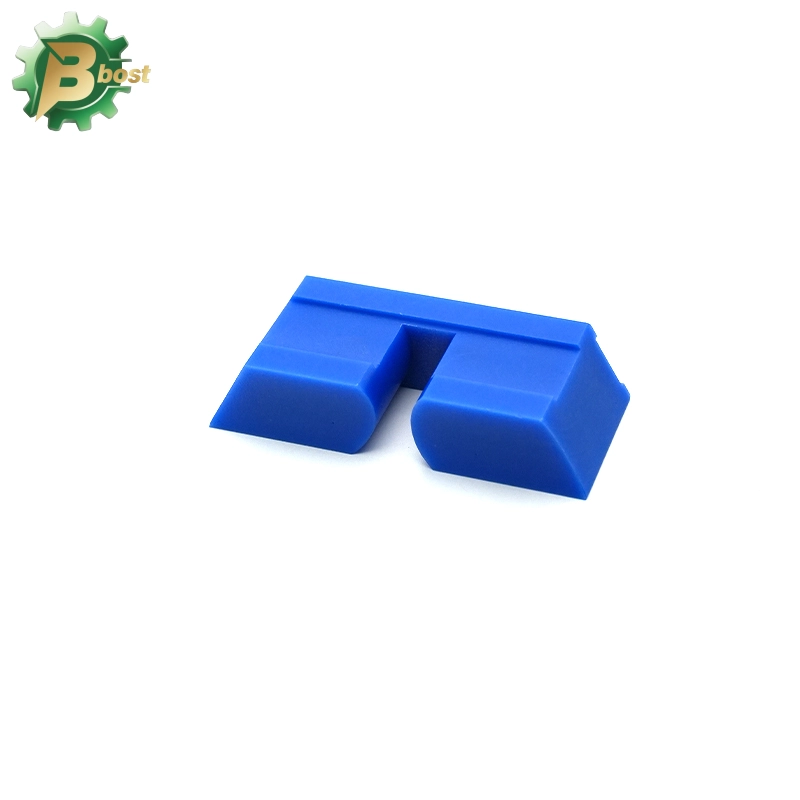
Custom Plastic Knobs Precision Injection Molded
More Details →
Custom Plastic Knobs Precision Injection Molded
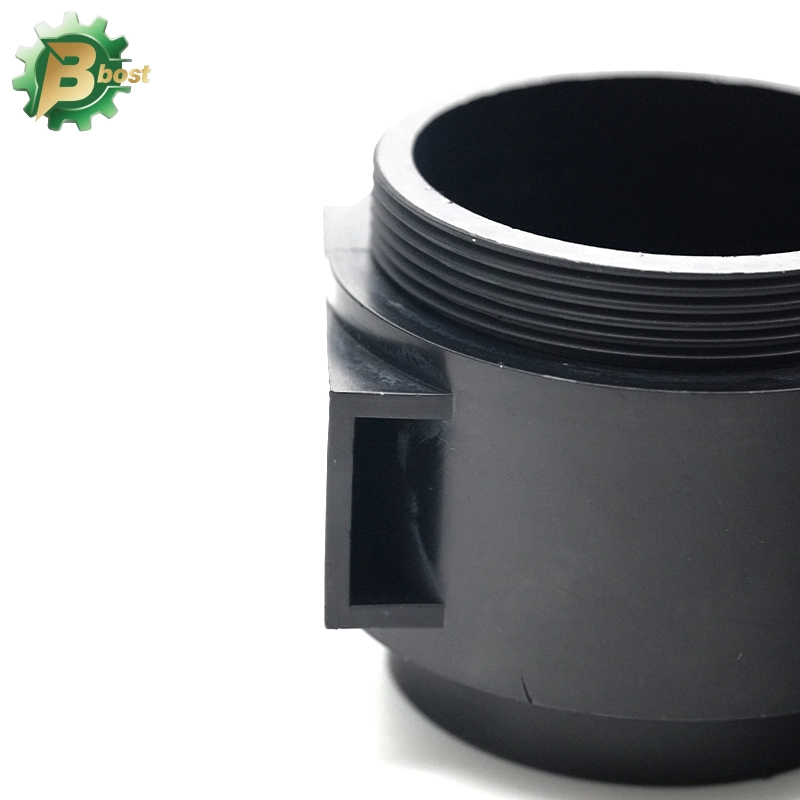
Custom Injection Molded Parts from Drawings
More Details →
Custom Injection Molded Parts from Drawings
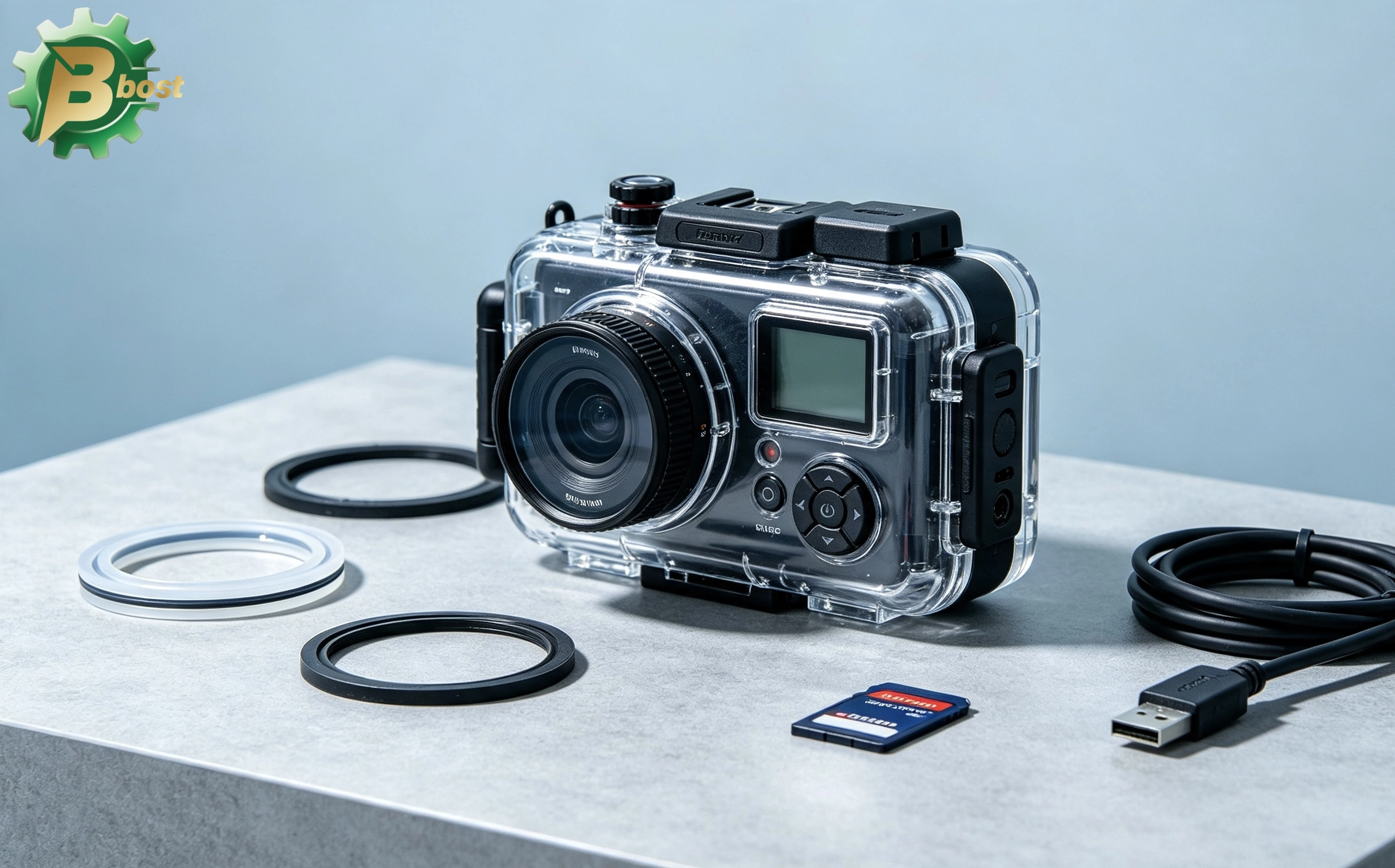
Underwater Camera Shell Custom Plastic Molding
More Details →
Underwater Camera Shell Custom Plastic Molding
Leave a Message
Have any questions or concerns about our products? Please leave us a message here, and our team will get back to you promptly.

24 hours quotes delivered
Submit CAD files, get quote in 24 hours

No MOQ required
From prototyping to high-volume

±0.02 mm Precision
Advanced CNC with full inspections

1,000+ tons in stock
26 materials ready to ship
© 2026 BOST. All Rights Reserved.