




 Scan QR Code
Send My Request
What tolerances are realistic for machined plastic spacers?
2026-01-03
Explore essential aspects of plastic spacers, including material selection, manufacturing methods, tolerance standards, and their applications in engineering projects. Learn how to choose the right plastic spacer for your needs and understand the factors influencing their performance and durability.
- Understanding Plastic Spacers: Key Considerations for Engineering Applications
- 1. What materials are commonly used for plastic spacers?
- 2. How are plastic spacers manufactured?
- 3. What are the standard tolerances for machined plastic spacers?
- 4. How does material selection affect the performance of plastic spacers?
- 5. What are the limitations of plastic spacers in engineering applications?
- 6. How do manufacturing processes impact the tolerances of plastic spacers?
- 7. What are the best practices for designing plastic spacers?
- 8. How can I ensure the quality and reliability of plastic spacers in my projects?
- Conclusion: Why Choose Bost for Your Plastic Spacer Needs
Understanding Plastic Spacers: Key Considerations for Engineering Applications
Plastic spacers are integral components in various engineering applications, serving to maintain precise gaps between parts, reduce friction, and prevent direct contact between surfaces. Selecting the appropriate plastic spacer involves understanding material properties, manufacturing methods, tolerance standards, and specific application requirements. Below are some common questions and answers to guide you in making informed decisions when procuring plastic spacers.
1. What materials are commonly used for plastic spacers?
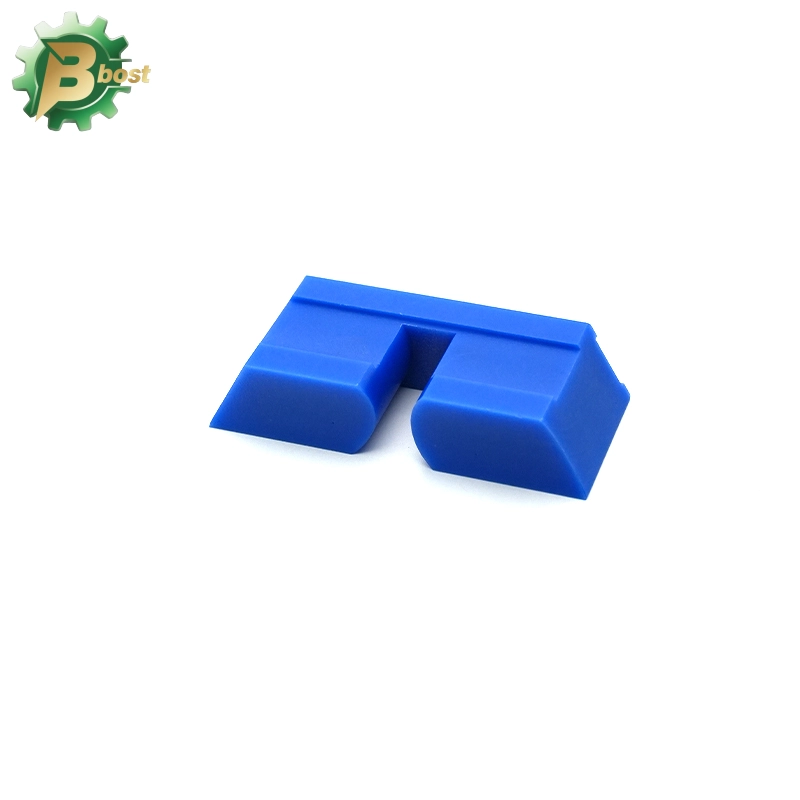
Plastic spacers are typically manufactured from high-grade materials such as Nylon 66, known for its durability and crack resistance. Other materials include Acetal, Acrylic, and Polycarbonate, each offering unique properties suitable for different applications. For instance, Acetal provides low friction and high stiffness, making it ideal for precision components.
2. How are plastic spacers manufactured?
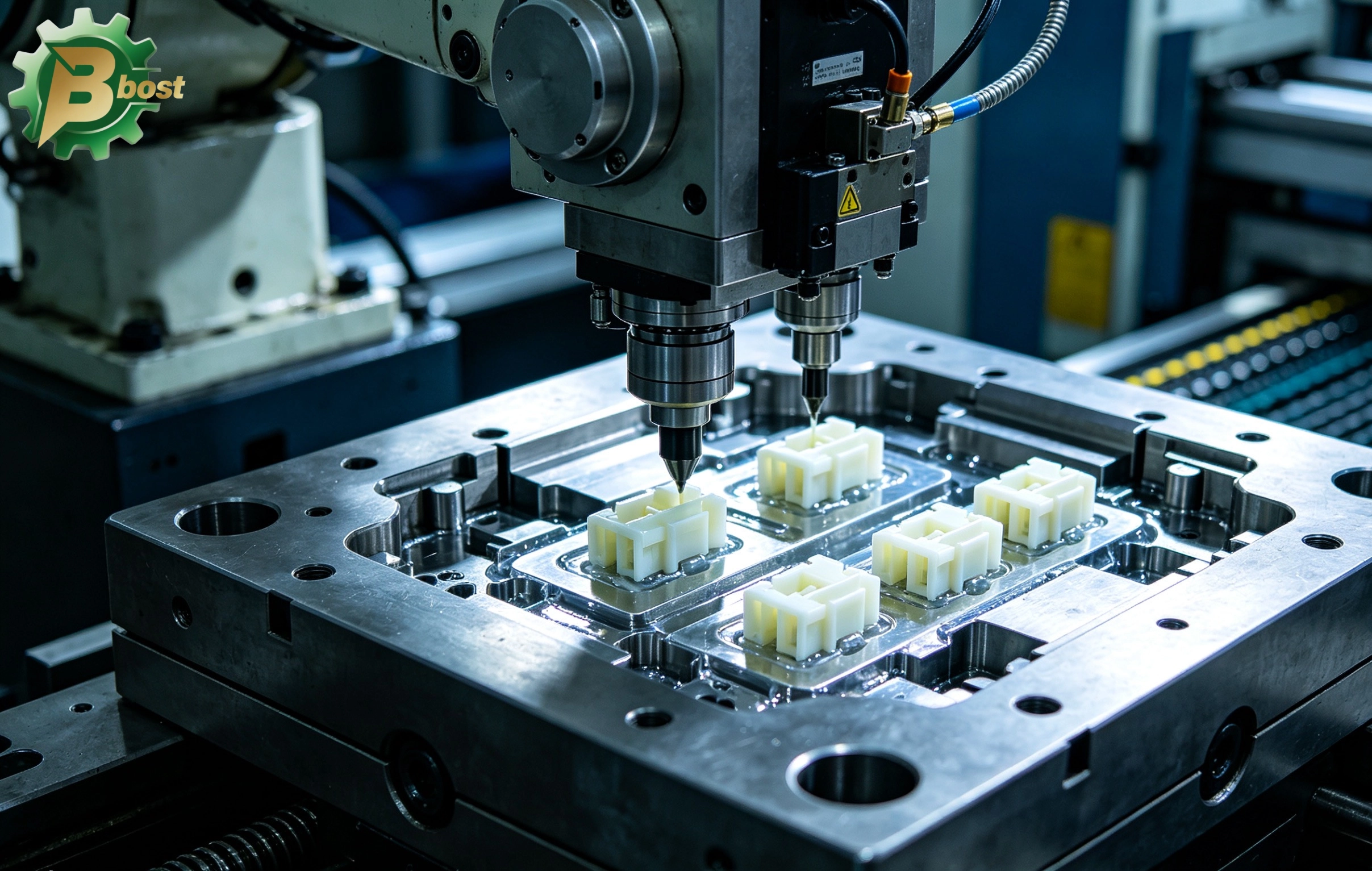
Plastic spacers can be produced through various methods, including injection molding, machining, and thermoforming. The choice of manufacturing process depends on factors such as part complexity, material selection, and production volume. Injection molding is commonly used for high-volume production due to its efficiency and cost-effectiveness.
3. What are the standard tolerances for machined plastic spacers?
Tolerances for machined plastic spacers vary based on material and part size. For example, Nylon parts can achieve tolerances of ±0.0025 inches for the first inch in length, plus an additional ±0.00125 inches for every inch thereafter. It's essential to consult material-specific tolerance charts to ensure precision in your designs.
4. How does material selection affect the performance of plastic spacers?
Material selection significantly influences the performance of plastic spacers. Factors such as thermal expansion, chemical resistance, and mechanical properties must be considered. For instance, materials like Acetal and Nylon are known for their stability and low thermal expansion, making them suitable for applications requiring tight tolerances.
5. What are the limitations of plastic spacers in engineering applications?
While plastic spacers offer numerous advantages, they have limitations, including limited load-bearing capacity and potential deformation under high temperatures. They may not be suitable for heavy-duty or load-bearing structures, as they can bend or collapse under significant weight. Additionally, plastic spacers can melt or deform at high temperatures, compromising structural integrity in fire-prone environments.
6. How do manufacturing processes impact the tolerances of plastic spacers?
Manufacturing processes, such as injection molding and machining, impact the achievable tolerances of plastic spacers. Injection molding tolerances are influenced by factors like material shrinkage rates and mold quality. For example, different materials have varying shrinkage rates, affecting the final dimensions of the part.
7. What are the best practices for designing plastic spacers?
Designing plastic spacers requires careful consideration of factors such as material selection, part geometry, and manufacturing methods. Adhering to Design for Manufacturability (DFM) principles ensures that parts are produced efficiently and within specified tolerances. It's also crucial to account for factors like thermal expansion and material shrinkage to maintain dimensional accuracy.
8. How can I ensure the quality and reliability of plastic spacers in my projects?
To ensure the quality and reliability of plastic spacers, collaborate with reputable manufacturers who adhere to industry standards and conduct thorough quality control processes. Reviewing material certifications, understanding manufacturing capabilities, and specifying clear tolerance requirements are essential steps in procuring high-quality plastic spacers.
Conclusion: Why Choose Bost for Your Plastic Spacer Needs
When selecting plastic spacers for your engineering projects, partnering with a trusted manufacturer like Bost offers several advantages. Bost provides a comprehensive range of high-quality plastic spacers tailored to meet diverse application requirements. With a commitment to precision, durability, and customer satisfaction, Bost ensures that each spacer is manufactured to exacting standards, delivering reliable performance in your applications.
Recommended for you
The Peak Art of Custom Manufacturing According to Drawings: Comprehensive Guide to Precision Solutions for Custom Parts According to Drawing
Ending Mechanical Wear and Resonance: The Comprehensive Guide to Precision Customization and Mass Production of a Custom Rubber Pad
The Ultimate Armor for Smart Hardware: Advanced Customization and Precision Injection Molding Guide for a Custom Plastic Box
The Ultimate Weapon to Tame Vibration and Noise: Deep Dive into the Custom Process and Mass Production Logic of a Custom Rubber Bushing
Product Categories
FAQ
FAQs
What are the core advantages of Bost engineering plastics compared to ordinary plastics?
Bost engineering plastics feature ultra-high mechanical strength, high-temperature resistance (-50°C to 300°C), chemical corrosion resistance, and wear resistance. Compared to ordinary plastics, their service life is extended by 3 to 8 times, making them suitable for replacing metals in harsh environments.
What is the delivery lead time? Do you offer global logistics?
Standard products: 5–15 working days; custom modifications: 2–4 weeks. We support global air/sea freight and provide export customs clearance documents (including REACH/UL certifications).
How do I select the appropriate engineering plastic grade for my product?
Selection should be based on parameters such as load conditions (e.g., pressure/friction), temperature range, medium contact (e.g., oil/acid), and regulatory requirements (e.g., FDA/RoHS). Our engineers can provide free material selection consulting and sample testing.
Can Bost customize modified plastics with special properties?
Yes! We offer modification services such as reinforcement, flame retardancy, conductivity, wear resistance, and UV resistance, for example:
• Adding carbon fiber to enhance stiffness
• Reducing the coefficient of friction through PTFE modification
• Customizing food-grade or medical-grade certified materials
What is the minimum order quantity (MOQ)? Do you support small-batch trial production?
The MOQ for standard products is ≥100kg. We support small-batch trial production (as low as 20kg) and provide mold testing reports and performance data feedback.
You may also like
Custom Plastic Knobs Precision Injection Molded
More Details →
Custom Plastic Knobs Precision Injection Molded
Custom Injection Molded Parts from Drawings
More Details →
Custom Injection Molded Parts from Drawings
Underwater Camera Shell Custom Plastic Molding
More Details →
Underwater Camera Shell Custom Plastic Molding
Leave a Message
Have any questions or concerns about our products? Please leave us a message here, and our team will get back to you promptly.

24 hours quotes delivered
Submit CAD files, get quote in 24 hours

No MOQ required
From prototyping to high-volume

±0.02 mm Precision
Advanced CNC with full inspections

1,000+ tons in stock
26 materials ready to ship
© 2026 BOST. All Rights Reserved.