




 Scan QR Code
Send My Request
How to choose antistatic plastic spacers for electronics?
2026-01-03
This guide provides essential insights into choosing the right antistatic plastic spacers for electronic applications, covering material selection, design considerations, and sourcing options to ensure optimal performance and reliability.
- Comprehensive Guide to Selecting Antistatic Plastic Spacers for Electronics
- 1. What Are Antistatic Plastic Spacers?
- 2. Why Are Antistatic Properties Important in Electronics?
- 3. How Do I Choose the Right Material for Plastic Spacers?
- 4. What Are the Design Considerations for Plastic Spacers?
- 5. Where Can I Source Quality Plastic Spacers?
- 6. How Do I Install Plastic Spacers in Electronic Assemblies?
- 7. What Are the Benefits of Using Antistatic Plastic Spacers?
- 8. How Does Bost Stand Out in Providing Plastic Spacers?
Comprehensive Guide to Selecting Antistatic Plastic Spacers for Electronics
When assembling electronic devices, ensuring proper insulation and protection against static electricity is crucial. Antistatic plastic spacers play a vital role in maintaining the integrity and functionality of electronic components. This guide addresses common questions and provides expert insights to assist in selecting the appropriate spacers for your projects.
1. What Are Antistatic Plastic Spacers?
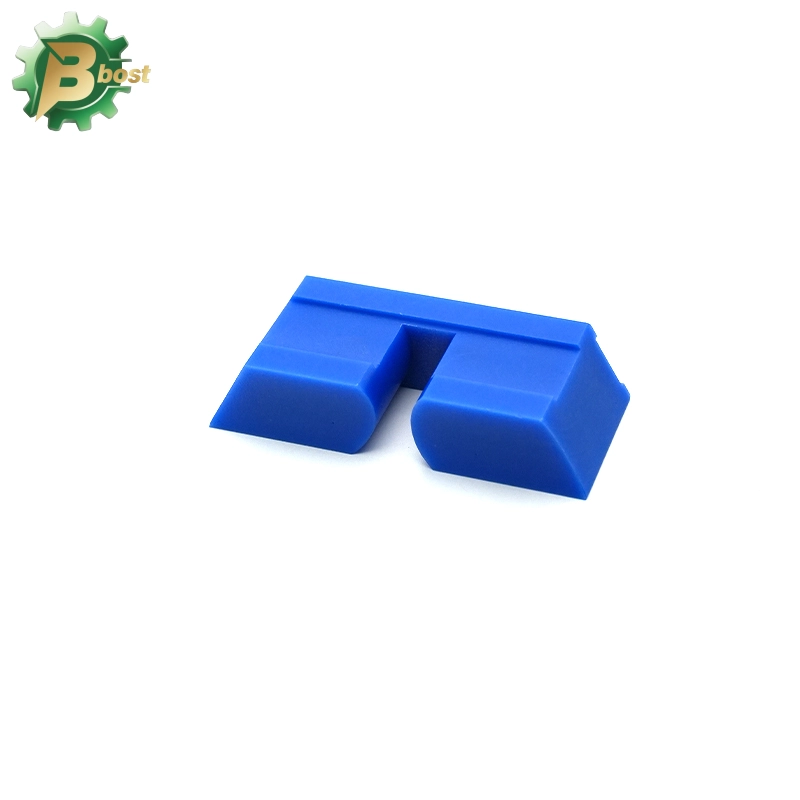
Antistatic plastic spacers are insulating components designed to prevent the buildup and discharge of static electricity between electronic parts. They are typically made from materials with low electrical conductivity, such as Nylon 66, which offers durability and resistance to cracking. These spacers are essential in electronic assemblies to protect sensitive components from electrostatic discharge (ESD), which can cause malfunctions or permanent damage.
2. Why Are Antistatic Properties Important in Electronics?
Static electricity can accumulate on electronic components during handling, assembly, or operation. Without proper antistatic measures, this static can discharge unexpectedly, leading to potential damage or degradation of electronic parts. Antistatic spacers help mitigate these risks by providing a controlled path for static charges to dissipate safely, thereby enhancing the reliability and longevity of electronic devices.
3. How Do I Choose the Right Material for Plastic Spacers?
Selecting the appropriate material for plastic spacers depends on several factors:
Electrical Conductivity: Materials like Nylon 66 are commonly used due to their low electrical conductivity, which is beneficial for antistatic applications.
Mechanical Properties: Consider the material's strength, flexibility, and resistance to wear and tear to ensure it meets the mechanical demands of your application.
Environmental Resistance: Evaluate the material's performance under various environmental conditions, such as temperature fluctuations, humidity, and exposure to chemicals.
Compliance with Standards: Ensure the material complies with industry standards for ESD protection and material safety.
4. What Are the Design Considerations for Plastic Spacers?
When designing plastic spacers, keep the following in mind:
Dimensions: Accurately determine the required inner and outer diameters, length, and thickness to fit the specific components.
Tolerance Levels: Specify the acceptable tolerance ranges to ensure proper fit and function within the assembly.
Surface Finish: Choose an appropriate surface finish to minimize friction and wear during operation.
Mounting Features: Incorporate features such as flanges, grooves, or snap-in designs to facilitate secure attachment and prevent movement within the assembly.
5. Where Can I Source Quality Plastic Spacers?
Quality plastic spacers can be sourced from various suppliers:
Specialized Manufacturers: Companies like R&B Plastics offer custom machined plastic spacers tailored to specific requirements.
Industrial Suppliers: Platforms such as eBay provide a wide range of plastic spacers suitable for different applications.
Retailers: Stores like Walmart and The Home Depot offer standard plastic spacers for general use.
When selecting a supplier, consider factors such as product quality, customization capabilities, lead times, and customer support to ensure they align with your project's needs.
6. How Do I Install Plastic Spacers in Electronic Assemblies?
Proper installation of plastic spacers is essential for their effectiveness:
Cleanliness: Ensure all components and spacers are clean and free from contaminants to prevent static buildup.
Correct Placement: Position spacers accurately between components to maintain the desired clearance and prevent contact that could lead to short circuits.
Secure Attachment: Use appropriate fastening methods, such as screws or clips, to hold spacers in place without applying excessive force that could damage components.
Inspection: After assembly, inspect the setup to confirm that spacers are correctly installed and functioning as intended.
7. What Are the Benefits of Using Antistatic Plastic Spacers?
Utilizing antistatic plastic spacers offers several advantages:
Enhanced Component Protection: Safeguard sensitive electronic parts from ESD-related damage, reducing the risk of malfunctions.
Improved Assembly Efficiency: Facilitate smoother assembly processes by providing reliable insulation and spacing between components.
Cost-Effectiveness: Prevent costly repairs or replacements by ensuring the longevity and reliability of electronic devices.
Compliance with Standards: Meet industry standards for ESD protection, which is often a requirement for product certifications and quality assurance.
8. How Does Bost Stand Out in Providing Plastic Spacers?
Bost offers a comprehensive range of high-quality plastic spacers designed to meet the diverse needs of the electronics industry. Their products are characterized by:
Customization: Ability to tailor spacers to specific dimensions and material requirements, ensuring optimal fit and performance.
Quality Assurance: Commitment to using durable, antistatic materials that comply with industry standards for ESD protection.
Expertise: Extensive experience in the field, providing valuable insights and support throughout the selection and installation process.
Customer Support: Dedicated team offering responsive and knowledgeable assistance to address any inquiries or concerns.
By choosing Bost, you can be confident in the reliability and effectiveness of your electronic assemblies, backed by a trusted industry leader.
References:
(https://r-bplastics.com/plastic-machined-parts/plastic-spacers/)
(https://www.ebay.com/shop/plastic-spacers?_nkw=plastic+spacers)
(https://www.homedepot.com/b/Deck2Wall-Spacer/Plastic/N-5yc1vZ8ijZ1z0yfrb)
Note: The information provided is based on available sources as of January 2, 2026. For the most current data and product offerings, please refer to the respective websites or contact the suppliers directly.
Recommended for you
The Peak Art of Custom Manufacturing According to Drawings: Comprehensive Guide to Precision Solutions for Custom Parts According to Drawing
Ending Mechanical Wear and Resonance: The Comprehensive Guide to Precision Customization and Mass Production of a Custom Rubber Pad
The Ultimate Armor for Smart Hardware: Advanced Customization and Precision Injection Molding Guide for a Custom Plastic Box
The Ultimate Weapon to Tame Vibration and Noise: Deep Dive into the Custom Process and Mass Production Logic of a Custom Rubber Bushing
Product Categories
FAQ
FAQs
What are the core advantages of Bost engineering plastics compared to ordinary plastics?
Bost engineering plastics feature ultra-high mechanical strength, high-temperature resistance (-50°C to 300°C), chemical corrosion resistance, and wear resistance. Compared to ordinary plastics, their service life is extended by 3 to 8 times, making them suitable for replacing metals in harsh environments.
How do I select the appropriate engineering plastic grade for my product?
Selection should be based on parameters such as load conditions (e.g., pressure/friction), temperature range, medium contact (e.g., oil/acid), and regulatory requirements (e.g., FDA/RoHS). Our engineers can provide free material selection consulting and sample testing.
What is the minimum order quantity (MOQ)? Do you support small-batch trial production?
The MOQ for standard products is ≥100kg. We support small-batch trial production (as low as 20kg) and provide mold testing reports and performance data feedback.
What is the delivery lead time? Do you offer global logistics?
Standard products: 5–15 working days; custom modifications: 2–4 weeks. We support global air/sea freight and provide export customs clearance documents (including REACH/UL certifications).
Can Bost customize modified plastics with special properties?
Yes! We offer modification services such as reinforcement, flame retardancy, conductivity, wear resistance, and UV resistance, for example:
• Adding carbon fiber to enhance stiffness
• Reducing the coefficient of friction through PTFE modification
• Customizing food-grade or medical-grade certified materials
You may also like
Custom Plastic Knobs Precision Injection Molded
More Details →
Custom Plastic Knobs Precision Injection Molded
Custom Injection Molded Parts from Drawings
More Details →
Custom Injection Molded Parts from Drawings
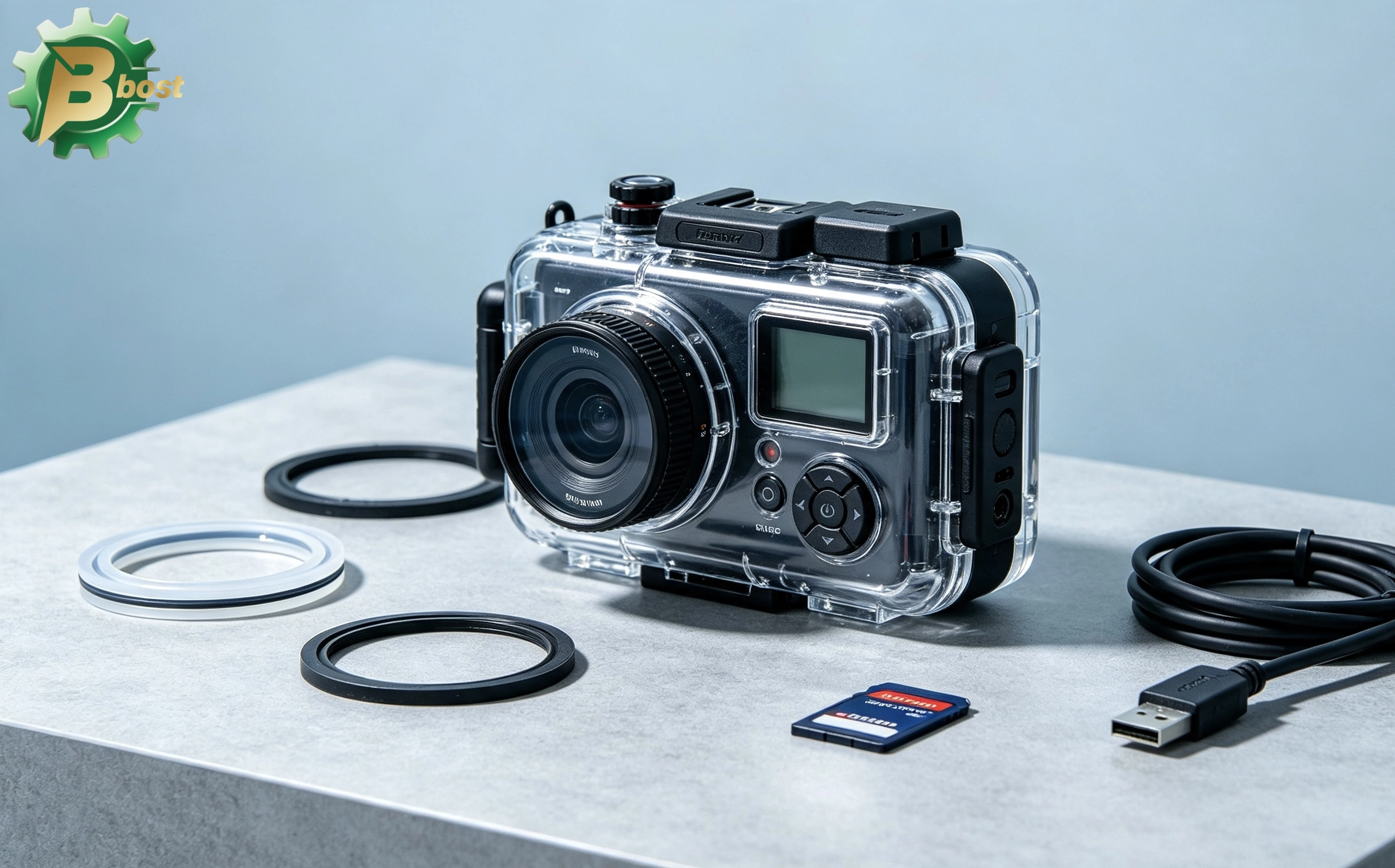
Underwater Camera Shell Custom Plastic Molding
More Details →
Underwater Camera Shell Custom Plastic Molding
Leave a Message
Have any questions or concerns about our products? Please leave us a message here, and our team will get back to you promptly.

24 hours quotes delivered
Submit CAD files, get quote in 24 hours

No MOQ required
From prototyping to high-volume

±0.02 mm Precision
Advanced CNC with full inspections

1,000+ tons in stock
26 materials ready to ship
© 2026 BOST. All Rights Reserved.