
 Scan QR Code
Send My Request
What are the key specs to request for plastic spacers?
2025-12-24
Explore key considerations for selecting plastic spacers, including material properties, dimensions, load capacity, and industry standards, to make informed purchasing decisions in the engineering plastics sector.
- Understanding Plastic Spacers: Key Considerations for Engineering Applications
- 1. What Materials Are Suitable for Plastic Spacers?
- 2. How Do I Determine the Appropriate Dimensions for Plastic Spacers?
- 3. What Load Capacity Should Plastic Spacers Have?
- 4. What Industry Standards and Certifications Should Be Considered?
- 5. How Do Environmental Factors Affect the Selection of Plastic Spacers?
- 6. What Are the Cost Considerations When Purchasing Plastic Spacers?
- 7. How Do I Ensure Quality Assurance in Plastic Spacers?
- 8. What Are the Advantages of Choosing Bost Plastic Spacers?
Understanding Plastic Spacers: Key Considerations for Engineering Applications
Plastic spacers are integral components in various engineering applications, providing precise spacing and support between parts. Selecting the appropriate spacer involves evaluating several critical factors to ensure optimal performance and durability. Below are key considerations to guide your purchasing decisions:
1. What Materials Are Suitable for Plastic Spacers?
The choice of material for plastic spacers significantly impacts their performance:
Nylon (Polyamide): Known for its strength and durability, nylon is commonly used in electronic enclosures and PCB supports.
High-Density Polyethylene (HDPE): Offers excellent chemical resistance and is often used in construction applications.
Polyvinyl Chloride (PVC): Provides good mechanical properties and is used in various industrial applications.
Polypropylene (PP): Known for its chemical resistance and low moisture absorption, suitable for various applications.
Selecting the right material depends on factors such as environmental conditions, load requirements, and chemical exposure.
2. How Do I Determine the Appropriate Dimensions for Plastic Spacers?
Accurate dimensions are crucial for the effective performance of spacers:
Length and Diameter: Ensure the spacer's length and diameter match the components it is intended to separate. For instance, a spacer with a length of 6.35 mm and a diameter of 12.70 mm is suitable for specific applications.
Tolerance Levels: Specify acceptable tolerances to ensure proper fit and function.
Thread Specifications: If the spacer includes threads, ensure they are compatible with the mating parts.
Consulting detailed product datasheets and manufacturer specifications is essential for accurate dimension selection.
3. What Load Capacity Should Plastic Spacers Have?
The load capacity of a spacer must align with the application's requirements:
Compressive Strength: For construction applications, spacers should withstand compressive forces of at least 2,000 psi without exceeding 5% deformation.
Creep Resistance: Evaluate the material's resistance to deformation under sustained load over time.
Safety Factors: Incorporate appropriate safety margins to account for unexpected loads or material inconsistencies.
Conducting thorough load analysis and consulting with engineers can aid in selecting spacers with adequate load-bearing capabilities.
4. What Industry Standards and Certifications Should Be Considered?
Compliance with industry standards ensures quality and reliability:
ASTM Standards: For example, ASTM D695 specifies compressive properties, and ISO 604 outlines deformation testing methods.
Flammability Ratings: Materials like nylon may have UL94 V-0 ratings, indicating low flammability, which is crucial for electronic applications.
Food and Pharmaceutical Compliance: Materials should meet FDA-compliant USP Class VI standards for applications in the food and pharmaceutical industries.
Verifying certifications ensures the spacer meets the necessary safety and performance criteria.
5. How Do Environmental Factors Affect the Selection of Plastic Spacers?
Environmental conditions play a significant role in spacer performance:
Temperature Extremes: Materials like nylon can operate effectively in temperatures ranging from -40°C to +120°C.
Chemical Exposure: HDPE offers excellent chemical resistance, making it suitable for environments with exposure to various chemicals.
UV Exposure: UV-stabilized materials are necessary for outdoor applications to prevent degradation from sunlight.
Assessing the operating environment is essential for selecting spacers that will maintain performance and longevity.
6. What Are the Cost Considerations When Purchasing Plastic Spacers?
Cost is a critical factor in procurement decisions:
Material Costs: Nylon spacers may cost around $0.04 per piece, while specialty products can be priced higher.
Bulk Discounts: Purchasing in larger quantities often results in cost savings.
Total Lifecycle Cost: Consider factors such as durability, maintenance, and potential downtime to assess the overall value.
Balancing initial costs with long-term performance and reliability is key to making cost-effective purchasing decisions.
7. How Do I Ensure Quality Assurance in Plastic Spacers?
Ensuring quality involves several steps:
Material Traceability: Request batch-specific resin documentation to verify material quality.
Third-Party Testing: Seek testing reports that validate performance metrics such as compression set resistance and UV stability.
Supplier Certifications: Choose suppliers with ISO 9001 certification to ensure consistent quality management practices.
Implementing these measures helps in obtaining spacers that meet the required standards and specifications.
8. What Are the Advantages of Choosing Bost Plastic Spacers?
Bost offers several benefits in spacer solutions:
High-Quality Materials: Utilizing premium materials ensures durability and reliability.
Customization Options: Bost provides tailored solutions to meet specific application requirements.
Compliance with Standards: Products adhere to relevant industry standards and certifications.
Competitive Pricing: Offers cost-effective solutions without compromising on quality.
Choosing Bost for your plastic spacer needs ensures a combination of quality, reliability, and value.
Recommended for you
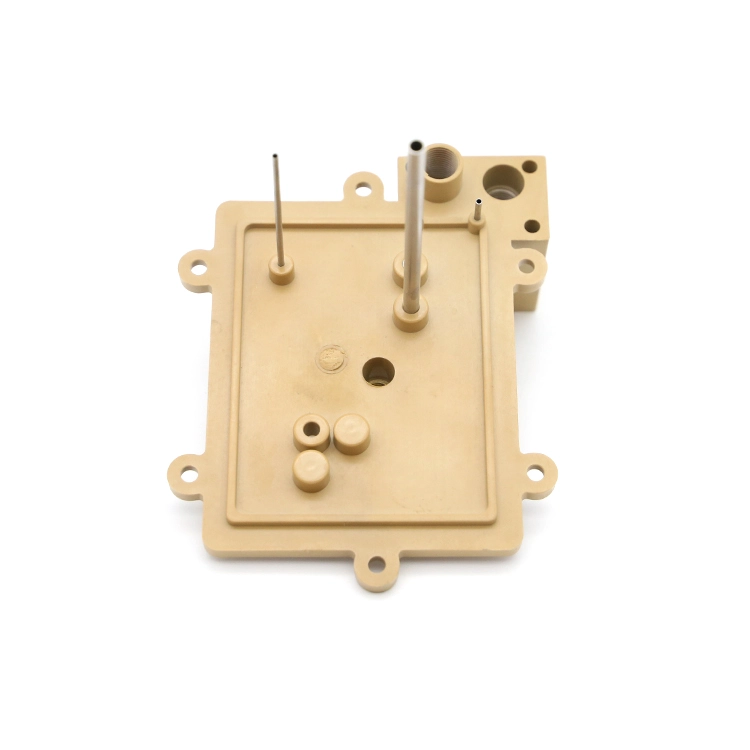
Plastic Injection Molding Services: Do You Really Understand Their True Value?
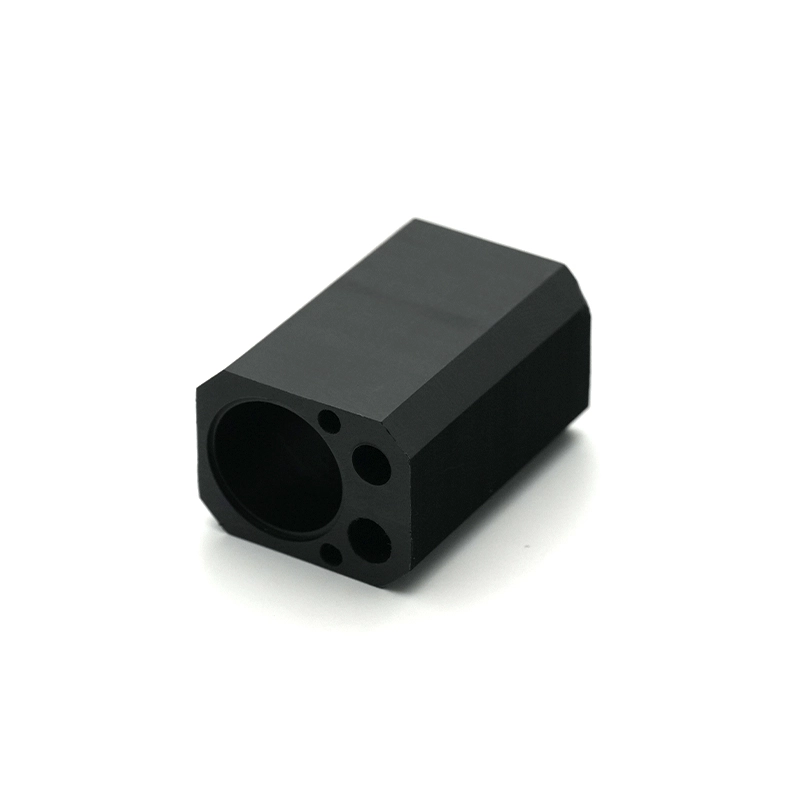
Custom Plastic Injection Molding: Is It Really Just About “Opening a Mold”?
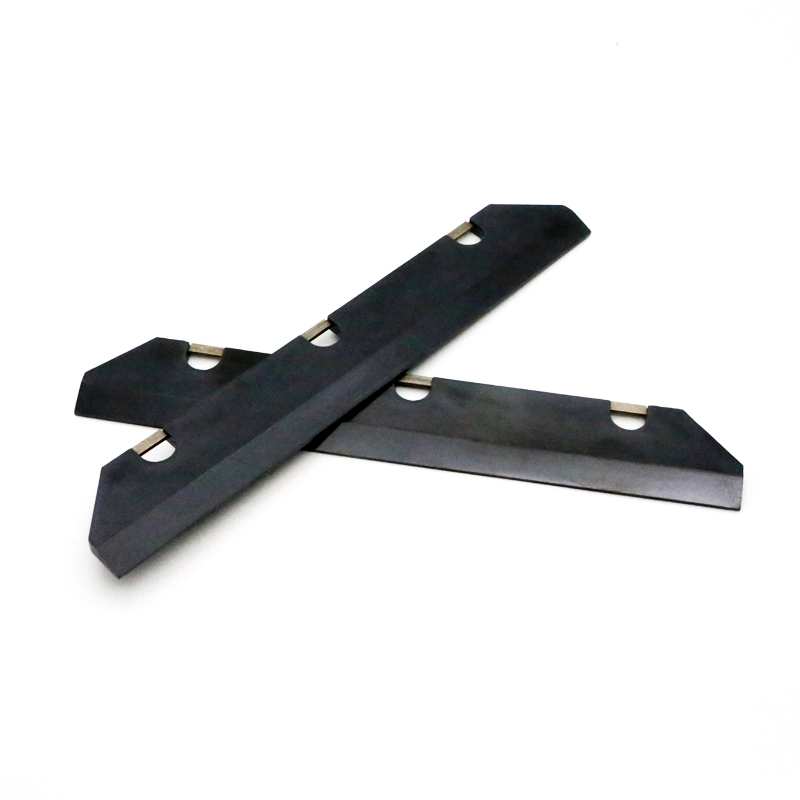
How to Choose a Plastic Injection Molding Supplier? 5 Key Points to Avoid Million-Dollar Losses
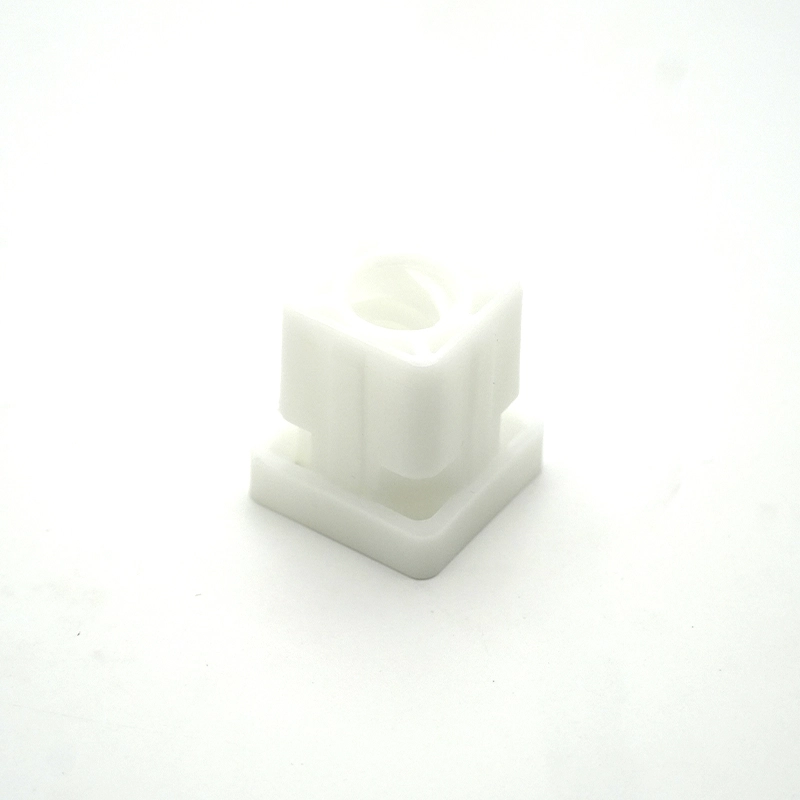
In-Depth Guide: How to Optimize Injection Molding Processes for Enhanced Quality and Cost-Efficiency?
Prdoucts Categories
FAQ
FAQs
What are the core advantages of Bost engineering plastics compared to ordinary plastics?
Bost engineering plastics feature ultra-high mechanical strength, high-temperature resistance (-50°C to 300°C), chemical corrosion resistance, and wear resistance. Compared to ordinary plastics, their service life is extended by 3 to 8 times, making them suitable for replacing metals in harsh environments.
How do I select the appropriate engineering plastic grade for my product?
Selection should be based on parameters such as load conditions (e.g., pressure/friction), temperature range, medium contact (e.g., oil/acid), and regulatory requirements (e.g., FDA/RoHS). Our engineers can provide free material selection consulting and sample testing.
What is the minimum order quantity (MOQ)? Do you support small-batch trial production?
The MOQ for standard products is ≥100kg. We support small-batch trial production (as low as 20kg) and provide mold testing reports and performance data feedback.
What is the delivery lead time? Do you offer global logistics?
Standard products: 5–15 working days; custom modifications: 2–4 weeks. We support global air/sea freight and provide export customs clearance documents (including REACH/UL certifications).
Can Bost customize modified plastics with special properties?
Yes! We offer modification services such as reinforcement, flame retardancy, conductivity, wear resistance, and UV resistance, for example:
• Adding carbon fiber to enhance stiffness
• Reducing the coefficient of friction through PTFE modification
• Customizing food-grade or medical-grade certified materials
You may also like
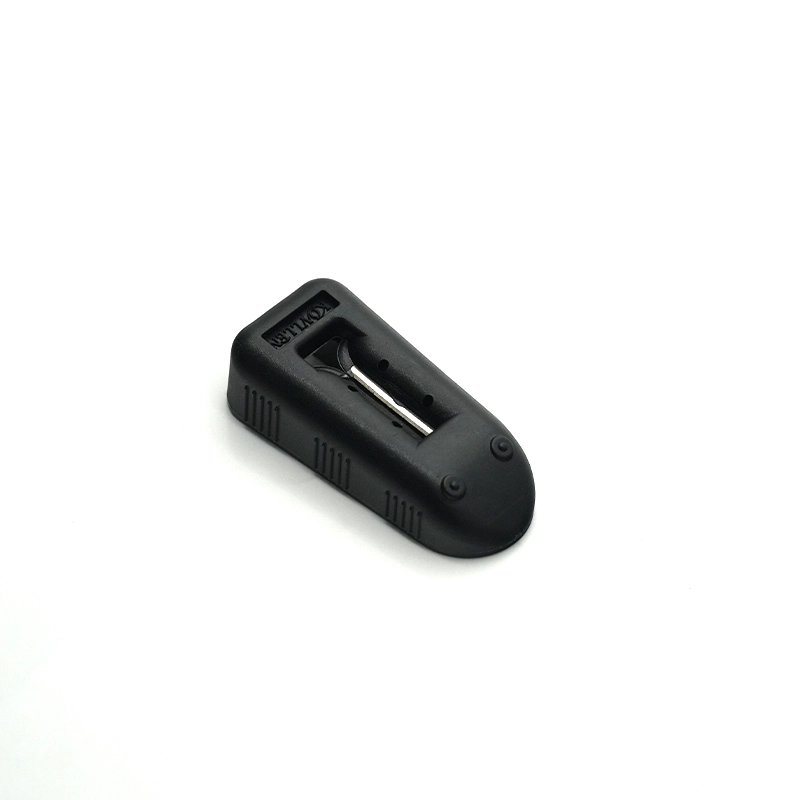
The plastic plug manufactured by Insert molding with stainless steel plate
More Details →
The plastic plug manufactured by Insert molding with stainless steel plate
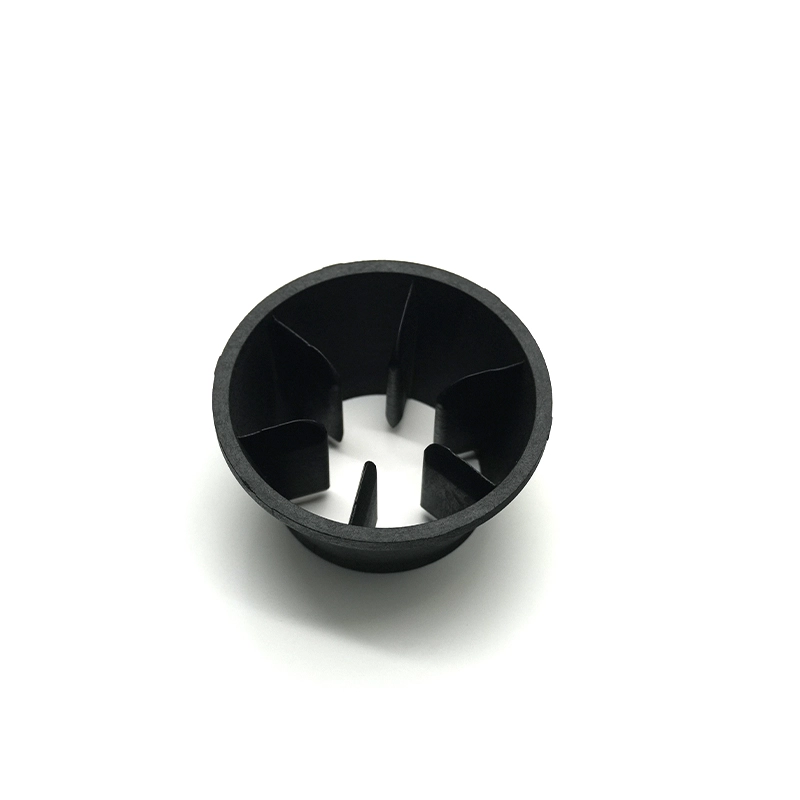
The Bost custom PPO flow valve by injection molding
More Details →
The Bost custom PPO flow valve by injection molding
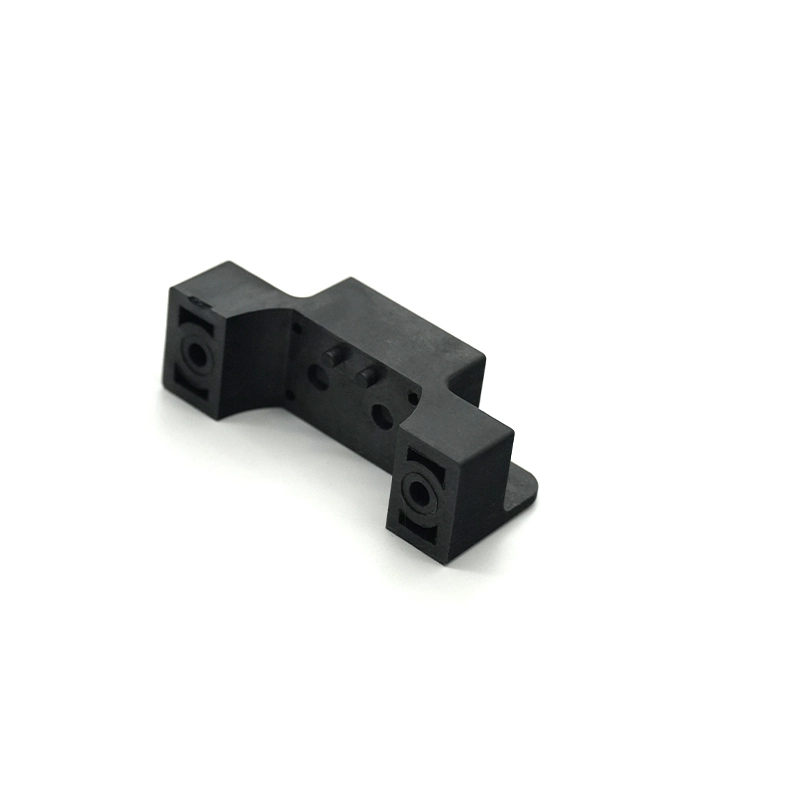
The Bost custom plastic handle by injection molding with high performance PPS material
More Details →
The Bost custom plastic handle by injection molding with high performance PPS material
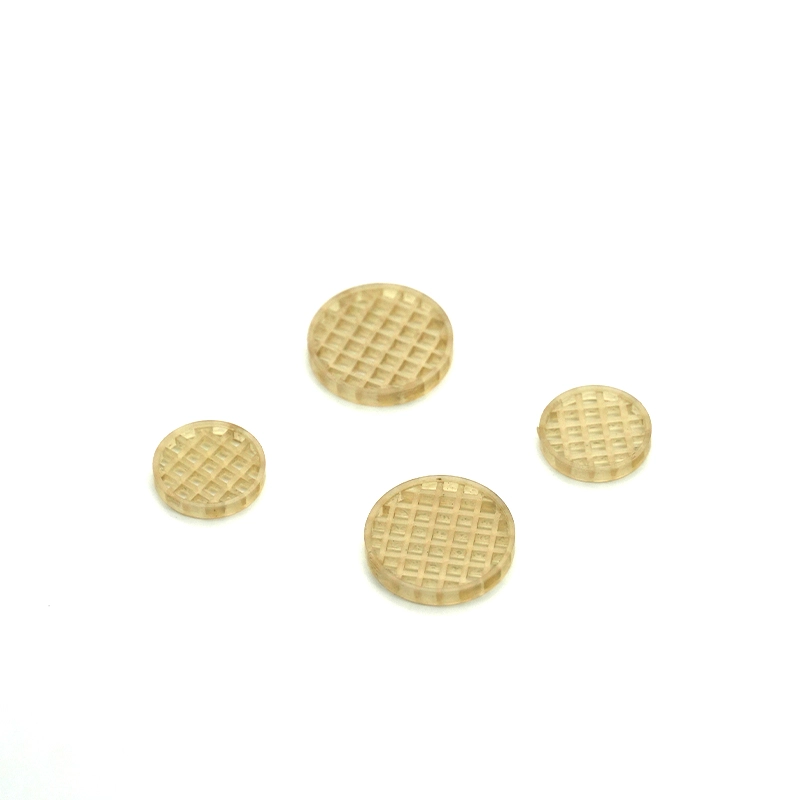
The Bost custom flow meter by injection molding with PES plastic
More Details →
The Bost custom flow meter by injection molding with PES plastic
Leave a Message
Have any questions or concerns about our products? Please leave us a message here, and our team will get back to you promptly.

24 hours quotes delivered
Submit CAD files, get quote in 24 hours

No MOQ required
From prototyping to high-volume

±0.02 mm Precision
Advanced CNC with full inspections

1,000+ tons in stock
26 materials ready to ship
© 2026 BOST. All Rights Reserved.