
 Scan QR Code
Send My Request
What plastics perform well in corrosive chemical environments?
2026-01-21
Explore essential insights into engineered plastics, their performance in corrosive chemical environments, and key factors to consider when selecting materials for procurement. This guide provides valuable information for professionals in the engineering plastics industry.
- Understanding Engineered Plastics: Key Considerations for Procurement in Corrosive Chemical Environments
- 1. What are engineered plastics, and how do they differ from commodity plastics?
- 2. Which plastics exhibit excellent resistance to corrosive chemicals?
- 3. How do temperature and chemical concentration affect the performance of engineered plastics?
- 4. What are the mechanical properties to consider when selecting plastics for corrosive environments?
- 5. How does water absorption impact the performance of engineered plastics?
- 6. What are the challenges in machining engineered plastics for corrosive environments?
- 7. How do environmental factors like UV exposure and humidity affect the performance of engineered plastics?
- 8. What are the best practices for selecting engineered plastics for corrosive chemical environments?
- Conclusion: Bost's Advantages in Engineered Plastics
Understanding Engineered Plastics: Key Considerations for Procurement in Corrosive Chemical Environments
When selecting materials for applications exposed to corrosive chemicals, it's crucial to understand the properties of various engineered plastics. Below are some common questions and answers to guide your procurement decisions.
1. What are engineered plastics, and how do they differ from commodity plastics?
Engineered plastics, also known as high-performance plastics, are materials designed to perform under demanding conditions, offering superior mechanical, thermal, and chemical properties compared to commodity plastics. Unlike standard plastics, engineered plastics are tailored for specific applications requiring enhanced performance.
2. Which plastics exhibit excellent resistance to corrosive chemicals?
Several engineered plastics are renowned for their chemical resistance:
PTFE (Polytetrafluoroethylene): Known for its exceptional chemical inertness, PTFE resists almost all chemicals, including strong acids and bases. It remains stable over a broad temperature range, from -200°C to 260°C (-328°F to 500°F).
PEEK (Polyether Ether Ketone): Offers excellent resistance to organic solvents and aqueous environments, with a continuous service temperature up to 260°C (500°F).
PVDF (Polyvinylidene Fluoride): Withstands harsh environments involving hydrochloric acid, sulfuric acid, chlorine, and bromine, making it suitable for handling aggressive chemicals.
3. How do temperature and chemical concentration affect the performance of engineered plastics?
Temperature and chemical concentration significantly influence the performance of engineered plastics. Elevated temperatures can accelerate chemical reactions, potentially degrading the material. Similarly, higher concentrations of corrosive agents can increase the rate of material degradation. It's essential to consult material datasheets and conduct compatibility testing under specific operating conditions to ensure material suitability.
4. What are the mechanical properties to consider when selecting plastics for corrosive environments?
Key mechanical properties to consider include:
Tensile Strength: Indicates the material's ability to withstand pulling forces without breaking.
Impact Strength: Reflects the material's resistance to sudden impacts or shocks.
Flexural Modulus: Measures the material's stiffness when subjected to bending forces.
Selecting a material with appropriate mechanical properties ensures structural integrity and longevity in corrosive environments.
5. How does water absorption impact the performance of engineered plastics?
Water absorption can affect the dimensional stability and mechanical properties of engineered plastics. Materials with high water absorption may experience swelling, leading to dimensional changes and potential loss of mechanical strength. It's crucial to select materials with low water absorption rates for applications exposed to moisture or humid conditions.
6. What are the challenges in machining engineered plastics for corrosive environments?
Machining engineered plastics can present challenges due to their hardness and chemical resistance. Specialized equipment and techniques may be required to achieve precise dimensions and surface finishes. Additionally, some materials may be prone to environmental stress cracking, necessitating careful handling during machining processes.
7. How do environmental factors like UV exposure and humidity affect the performance of engineered plastics?
Environmental factors such as UV exposure and humidity can degrade engineered plastics over time. UV radiation can cause material embrittlement and discoloration, while humidity can lead to hydrolysis, affecting mechanical properties. Selecting materials with inherent UV and moisture resistance, or applying protective coatings, can mitigate these effects.
8. What are the best practices for selecting engineered plastics for corrosive chemical environments?
Best practices include:
Conducting Compatibility Testing: Assess material performance under actual operating conditions.
Consulting Material Datasheets: Review technical specifications for chemical resistance, mechanical properties, and temperature limits.
Considering Environmental Factors: Account for temperature fluctuations, humidity, and UV exposure in the application environment.
Collaborating with Material Suppliers: Engage with suppliers to gain insights and recommendations tailored to your specific application.
By adhering to these practices, you can ensure the selection of engineered plastics that offer optimal performance and longevity in corrosive chemical environments.
Conclusion: Bost's Advantages in Engineered Plastics
Bost offers a comprehensive range of engineered plastics designed to meet the demands of corrosive chemical environments. With a focus on quality, performance, and customer satisfaction, Bost provides materials that ensure durability and reliability in challenging applications.
References:
PTFE Chemical Resistance:
PEEK Chemical Resistance:
PVDF Chemical Resistance:
Environmental Stress Cracking in Plastics:
Bost Engineered Plastics: (https://www.bost.com/)
Note: The information provided is based on current industry standards and may vary depending on specific applications and conditions. It's recommended to consult with material experts and conduct thorough testing when selecting materials for corrosive environments.
Recommended for you
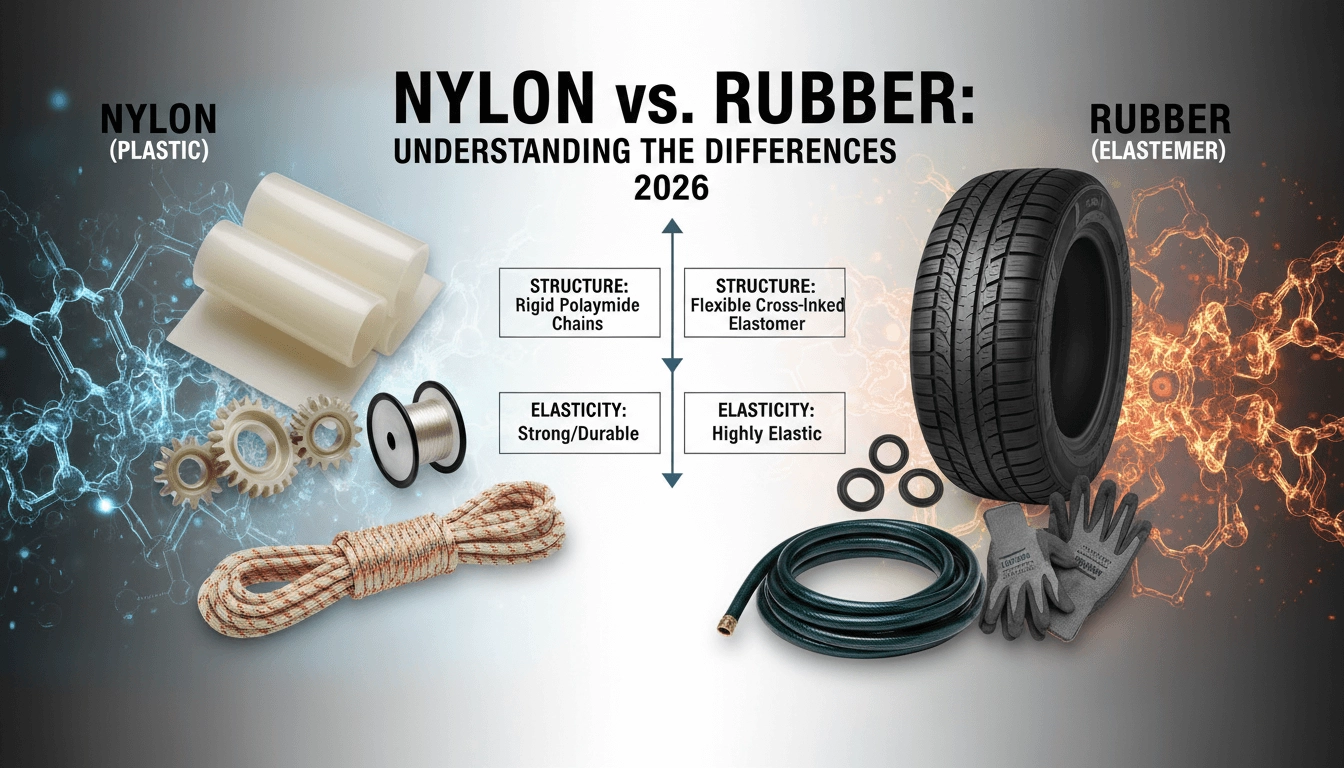
Is Nylon a Plastic or a Type of Rubber? Understanding the Differences 2026
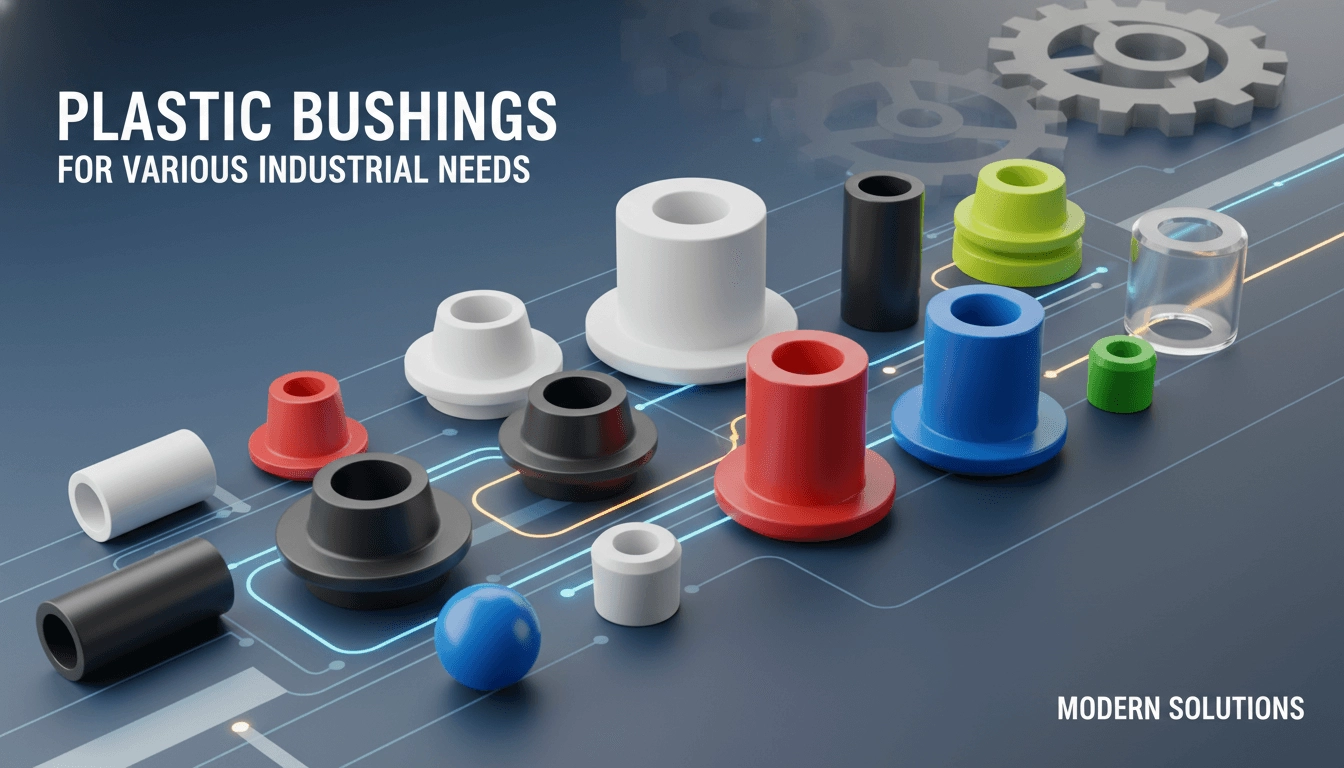
2026 Strategic Procurement Guide: How to Choose the Best Quality Plastic Bushings for Various Industrial Needs

ABS Plastic vs. PVC: Which Plastic Should You Choose 2026?
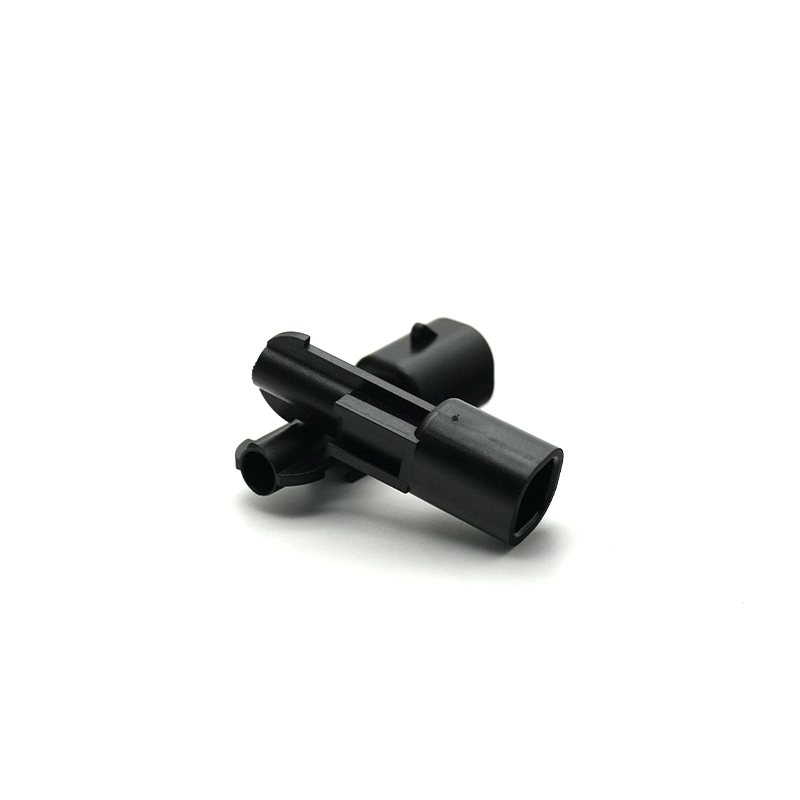
Best Suppliers for Industrial Engineering Plastics: Key Standards and Collaborative Advantages
Prdoucts Categories
FAQ
FAQs
What are the core advantages of Bost engineering plastics compared to ordinary plastics?
Bost engineering plastics feature ultra-high mechanical strength, high-temperature resistance (-50°C to 300°C), chemical corrosion resistance, and wear resistance. Compared to ordinary plastics, their service life is extended by 3 to 8 times, making them suitable for replacing metals in harsh environments.
Can Bost customize modified plastics with special properties?
Yes! We offer modification services such as reinforcement, flame retardancy, conductivity, wear resistance, and UV resistance, for example:
• Adding carbon fiber to enhance stiffness
• Reducing the coefficient of friction through PTFE modification
• Customizing food-grade or medical-grade certified materials
What is the delivery lead time? Do you offer global logistics?
Standard products: 5–15 working days; custom modifications: 2–4 weeks. We support global air/sea freight and provide export customs clearance documents (including REACH/UL certifications).
What is the minimum order quantity (MOQ)? Do you support small-batch trial production?
The MOQ for standard products is ≥100kg. We support small-batch trial production (as low as 20kg) and provide mold testing reports and performance data feedback.
How do I select the appropriate engineering plastic grade for my product?
Selection should be based on parameters such as load conditions (e.g., pressure/friction), temperature range, medium contact (e.g., oil/acid), and regulatory requirements (e.g., FDA/RoHS). Our engineers can provide free material selection consulting and sample testing.
You may also like
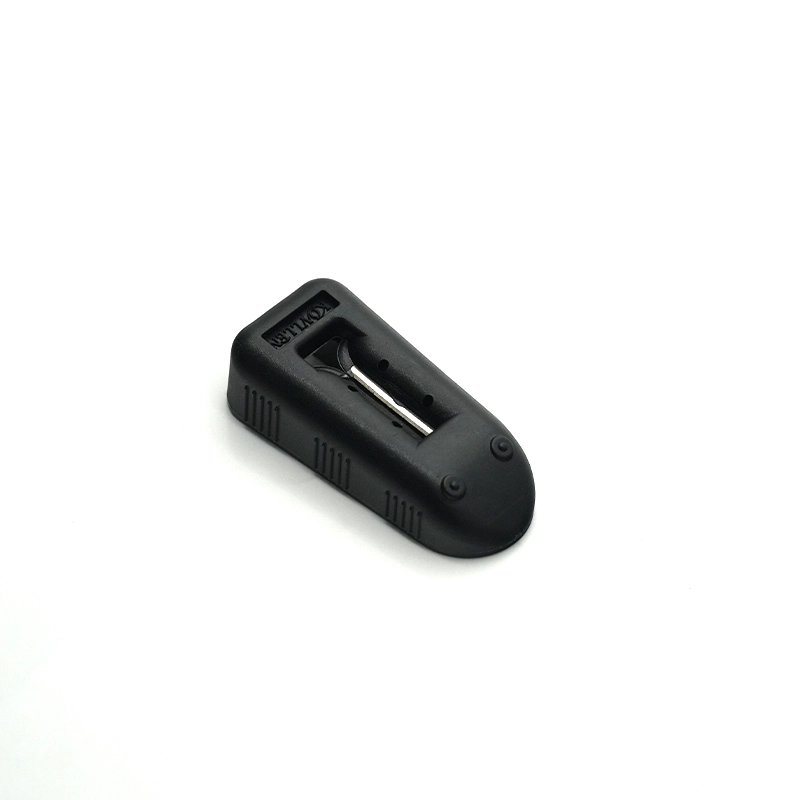
The plastic plug manufactured by Insert molding with stainless steel plate
More Details →
The plastic plug manufactured by Insert molding with stainless steel plate
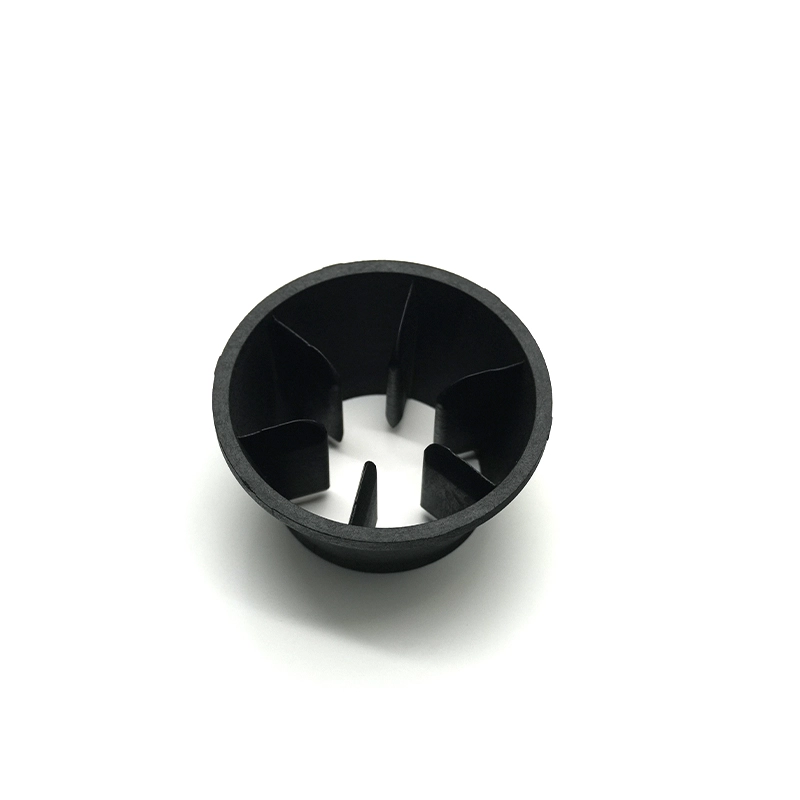
The Bost custom PPO flow valve by injection molding
More Details →
The Bost custom PPO flow valve by injection molding
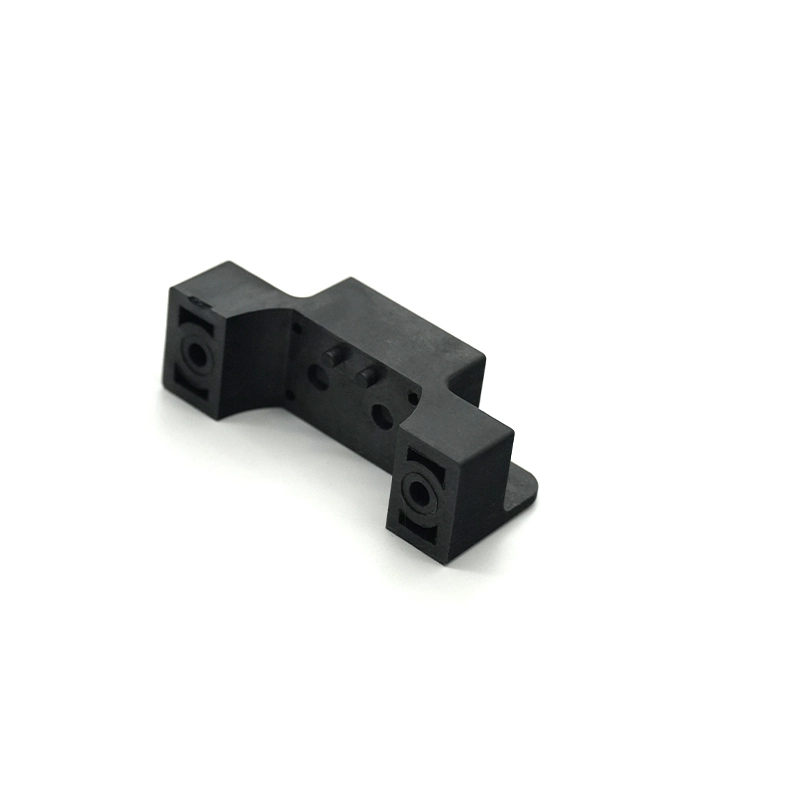
The Bost custom plastic handle by injection molding with high performance PPS material
More Details →
The Bost custom plastic handle by injection molding with high performance PPS material
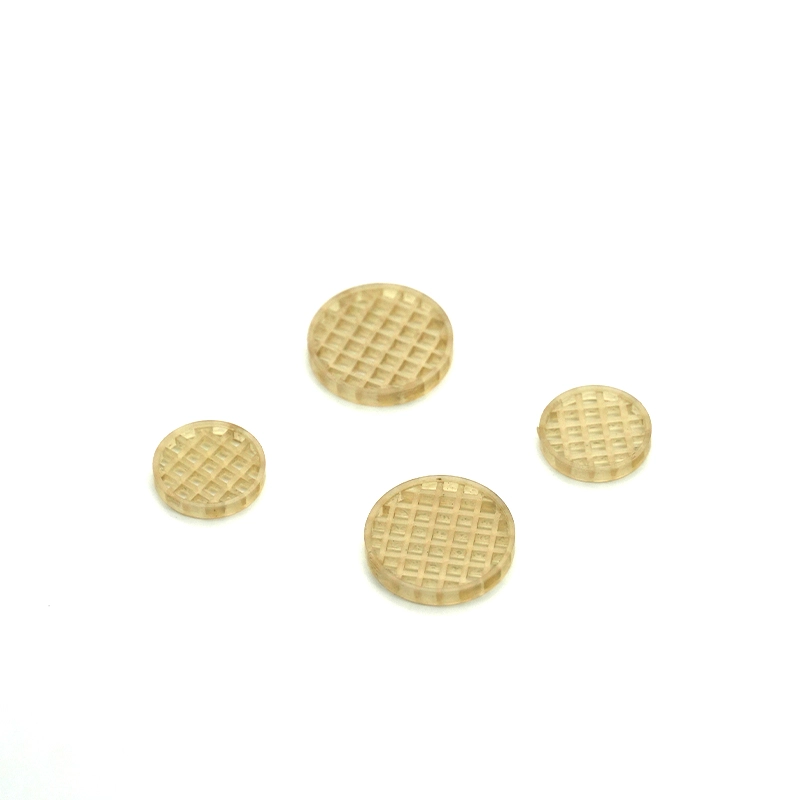
The Bost custom flow meter by injection molding with PES plastic
More Details →
The Bost custom flow meter by injection molding with PES plastic
Leave a Message
Have any questions or concerns about our products? Please leave us a message here, and our team will get back to you promptly.

24 hours quotes delivered
Submit CAD files, get quote in 24 hours

No MOQ required
From prototyping to high-volume

±0.02 mm Precision
Advanced CNC with full inspections

1,000+ tons in stock
26 materials ready to ship
© 2026 BOST. All Rights Reserved.