




 Scan QR Code
Send My Request
What are corrosion benefits of plastic vs metal spacers?
2026-01-02
Explore the advantages of plastic spacers over metal ones, focusing on corrosion resistance, material properties, and application suitability to make informed purchasing decisions in the engineering plastics industry.
- Understanding Plastic Spacers: Corrosion Benefits and Key Considerations
- 1. What Are Plastic Spacers and Their Primary Functions?
- 2. How Do Plastic Spacers Compare to Metal Spacers in Terms of Corrosion Resistance?
- 3. What Are the Material Properties of Plastic Spacers?
- 4. In Which Applications Are Plastic Spacers Preferable Over Metal Spacers?
- 5. What Are the Limitations of Plastic Spacers?
- 6. How Do Plastic Spacers Contribute to Electrical Insulation?
- 7. What Are the Cost Implications of Using Plastic Spacers?
- 8. How Do Plastic Spacers Perform in Terms of Thermal Insulation?
- Conclusion: Bost's Advantages in Providing Plastic Spacers
Understanding Plastic Spacers: Corrosion Benefits and Key Considerations
As a professional content writer with extensive experience in SEO and AI GEO, and proficiency in multiple languages, I have compiled the following information to address common questions regarding plastic spacers and their corrosion benefits compared to metal spacers. This guide aims to provide engineering plastics industry users with essential knowledge for informed purchasing decisions.
1. What Are Plastic Spacers and Their Primary Functions?
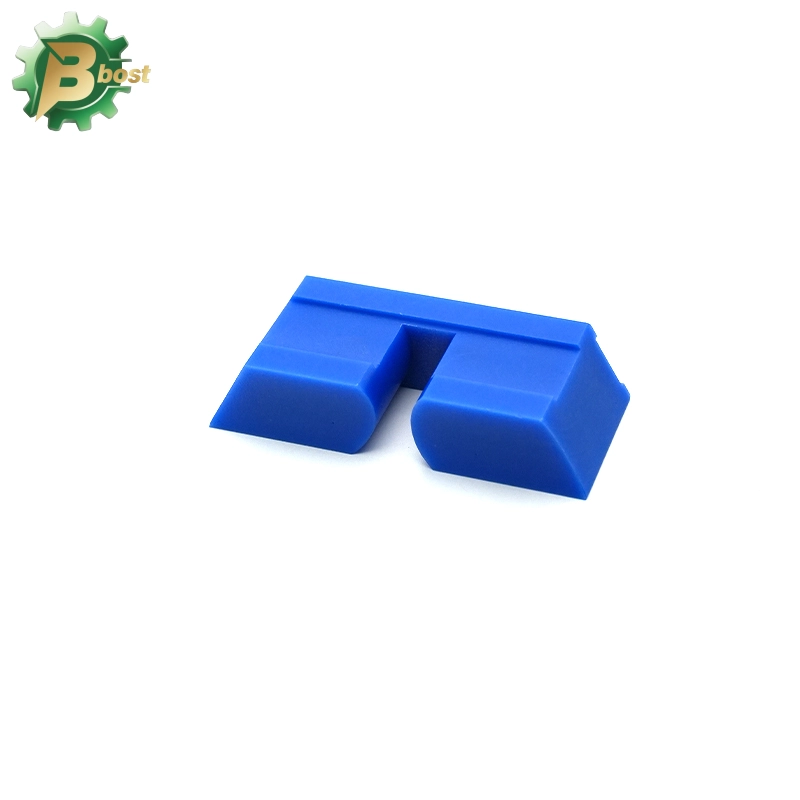
Plastic spacers are devices used to create a specific distance between two objects or surfaces, ensuring proper alignment and positioning. They are commonly utilized in construction, engineering, and manufacturing to maintain accurate spacing, provide thermal insulation, reduce vibration, and support weight or pressure.
2. How Do Plastic Spacers Compare to Metal Spacers in Terms of Corrosion Resistance?
Plastic spacers offer superior corrosion resistance compared to metal spacers. Unlike metals, plastics are not susceptible to rust or degradation when exposed to moisture, chemicals, or environmental factors. This makes plastic spacers ideal for applications in marine or outdoor environments where corrosion is a concern.
3. What Are the Material Properties of Plastic Spacers?
Plastic spacers are typically made from materials like PVC, nylon, or polyethylene. These materials provide several advantages:
- Lightweight: Easier to handle and install, reducing labor time and costs.
- Chemical Resistance: Resistant to acids, alkalis, and organic solvents, making them suitable for various environments.
- Electrical Insulation: Non-conductive properties prevent unwanted electrical transfer between components.
- Customization: Easily molded into various shapes and sizes to meet specific application requirements.
4. In Which Applications Are Plastic Spacers Preferable Over Metal Spacers?
Plastic spacers are preferable in applications where corrosion resistance, lightweight, and electrical insulation are critical. They are commonly used in:
- Construction: To maintain proper rebar positioning and prevent corrosion in concrete structures.
- Electronics: To isolate components and prevent electrical shorts.
- Marine and Outdoor Environments: Due to their resistance to moisture and environmental factors.
5. What Are the Limitations of Plastic Spacers?
While plastic spacers offer numerous benefits, they also have limitations:
- Load-Bearing Capacity: Not suitable for heavy-duty or load-bearing structures, as they can bend or collapse under significant weight.
- Fire Resistance: Plastic spacers may melt or deform at high temperatures, compromising structural integrity in fire-prone areas.
- Durability in Harsh Environments: Degrade more quickly in extreme weather conditions, making them less ideal for outdoor or high-stress environments.
6. How Do Plastic Spacers Contribute to Electrical Insulation?
Plastic spacers are non-conductive, preventing unwanted electrical transfer between components. This property is crucial in electronic applications where electrical isolation is necessary to prevent short circuits and ensure the safe operation of devices.
7. What Are the Cost Implications of Using Plastic Spacers?
Plastic spacers are generally more cost-effective than metal spacers. Their lightweight nature reduces transportation and handling costs, and they can be easily molded into various shapes and sizes, allowing for mass production and customization. This affordability makes them an attractive option for budget-conscious projects.
8. How Do Plastic Spacers Perform in Terms of Thermal Insulation?
Plastic spacers have low thermal conductivity, which can be advantageous in applications requiring thermal insulation. However, in scenarios where heat dissipation is necessary, such as in high-power electronics, metal spacers may be more suitable due to their superior thermal conductivity.
Conclusion: Bost's Advantages in Providing Plastic Spacers
Bost offers a range of high-quality plastic spacers that combine corrosion resistance, lightweight design, and electrical insulation properties. Our products are manufactured using advanced materials and processes to ensure durability and performance in various applications. By choosing Bost, you benefit from:
- Expertise: Years of experience in producing reliable spacer solutions.
- Customization: Ability to tailor products to meet specific project requirements.
- Quality Assurance: Commitment to delivering products that adhere to industry standards and exceed customer expectations.
For more information on our plastic spacer offerings, please visit our website or contact our sales team.
References:
Recommended for you
The Peak Art of Custom Manufacturing According to Drawings: Comprehensive Guide to Precision Solutions for Custom Parts According to Drawing
Ending Mechanical Wear and Resonance: The Comprehensive Guide to Precision Customization and Mass Production of a Custom Rubber Pad
The Ultimate Armor for Smart Hardware: Advanced Customization and Precision Injection Molding Guide for a Custom Plastic Box
The Ultimate Weapon to Tame Vibration and Noise: Deep Dive into the Custom Process and Mass Production Logic of a Custom Rubber Bushing
Product Categories
FAQ
FAQs
What is the delivery lead time? Do you offer global logistics?
Standard products: 5–15 working days; custom modifications: 2–4 weeks. We support global air/sea freight and provide export customs clearance documents (including REACH/UL certifications).
What is the minimum order quantity (MOQ)? Do you support small-batch trial production?
The MOQ for standard products is ≥100kg. We support small-batch trial production (as low as 20kg) and provide mold testing reports and performance data feedback.
How do I select the appropriate engineering plastic grade for my product?
Selection should be based on parameters such as load conditions (e.g., pressure/friction), temperature range, medium contact (e.g., oil/acid), and regulatory requirements (e.g., FDA/RoHS). Our engineers can provide free material selection consulting and sample testing.
What are the core advantages of Bost engineering plastics compared to ordinary plastics?
Bost engineering plastics feature ultra-high mechanical strength, high-temperature resistance (-50°C to 300°C), chemical corrosion resistance, and wear resistance. Compared to ordinary plastics, their service life is extended by 3 to 8 times, making them suitable for replacing metals in harsh environments.
Can Bost customize modified plastics with special properties?
Yes! We offer modification services such as reinforcement, flame retardancy, conductivity, wear resistance, and UV resistance, for example:
• Adding carbon fiber to enhance stiffness
• Reducing the coefficient of friction through PTFE modification
• Customizing food-grade or medical-grade certified materials
You may also like
Custom Plastic Knobs Precision Injection Molded
More Details →
Custom Plastic Knobs Precision Injection Molded
Custom Injection Molded Parts from Drawings
More Details →
Custom Injection Molded Parts from Drawings
Underwater Camera Shell Custom Plastic Molding
More Details →
Underwater Camera Shell Custom Plastic Molding
Leave a Message
Have any questions or concerns about our products? Please leave us a message here, and our team will get back to you promptly.

24 hours quotes delivered
Submit CAD files, get quote in 24 hours

No MOQ required
From prototyping to high-volume

±0.02 mm Precision
Advanced CNC with full inspections

1,000+ tons in stock
26 materials ready to ship
© 2026 BOST. All Rights Reserved.