




 Scan QR Code
Send My Request
When to specify medical‑grade plastic spacers?
2026-01-07
Explore essential insights into plastic spacers, including their types, material selection, and procurement strategies, to make informed decisions in the engineering plastics industry.
- Understanding Plastic Spacers: Key Considerations for Engineering Plastics Procurement
- 1. What are plastic spacers, and what are their primary functions?
- 2. What materials are commonly used for manufacturing plastic spacers?
- 3. How do I select the appropriate material for a plastic spacer?
- 4. What are the key technical properties to consider when sourcing plastic spacers?
- 5. What are the common trade terms and procurement considerations in sourcing plastic spacers?
- 6. How do I ensure quality and compliance when procuring plastic spacers?
- 7. What are the cost factors to consider when sourcing plastic spacers?
- 8. How can I optimize the procurement process for plastic spacers?
- Conclusion: Why Choose Bost for Your Plastic Spacer Needs?
Understanding Plastic Spacers: Key Considerations for Engineering Plastics Procurement
Plastic spacers are integral components in various engineering applications, serving to maintain precise distances between parts, reduce friction, and prevent direct contact between surfaces. Selecting the appropriate plastic spacer involves understanding their types, material properties, and procurement strategies. Below are some common questions and answers to guide your decision-making process.
1. What are plastic spacers, and what are their primary functions?
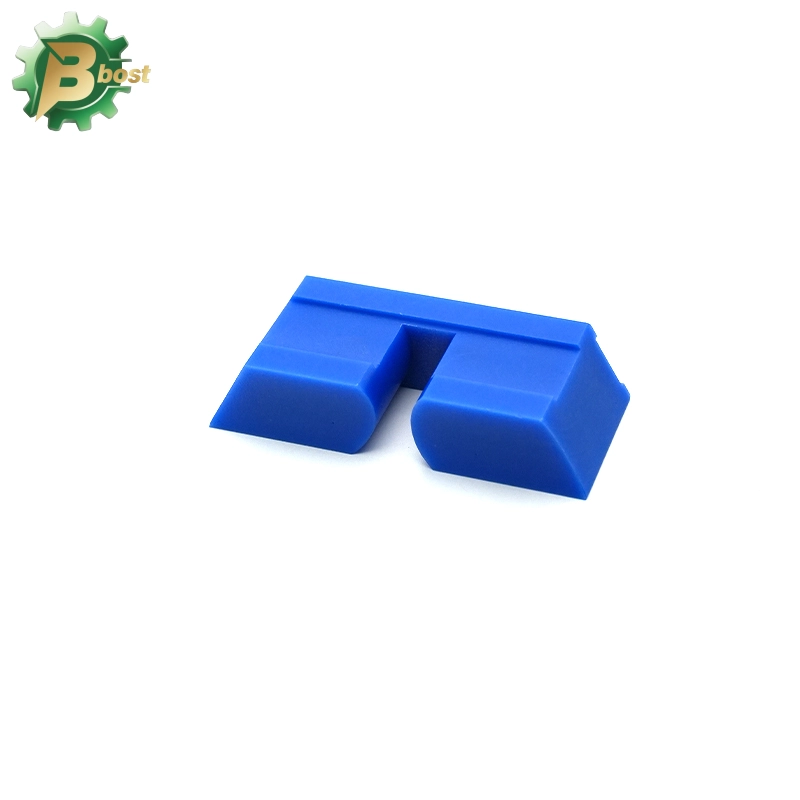
Plastic spacers are non-metallic components used to create uniform gaps between parts in mechanical assemblies. Their primary functions include:
- Maintaining Distance: Ensuring consistent spacing between components to prevent contact and wear.
- Reducing Friction: Minimizing direct contact between moving parts to decrease friction and wear.
- Electrical Insulation: Providing electrical isolation between conductive parts to prevent short circuits.
2. What materials are commonly used for manufacturing plastic spacers?
The choice of material for plastic spacers depends on the specific application requirements. Common materials include:
- Polyamide (Nylon): Known for its strength and wear resistance, suitable for applications requiring durability.
- Polyoxymethylene (POM): Offers low friction and high stiffness, ideal for precision components.
- Polyethylene (PE): Provides chemical resistance and low friction, suitable for various applications.
3. How do I select the appropriate material for a plastic spacer?
Selecting the right material involves considering factors such as:
- Mechanical Properties: Assessing strength, stiffness, and wear resistance to ensure the spacer can withstand operational stresses.
- Chemical Resistance: Evaluating the material's ability to resist degradation from chemicals it may encounter.
- Thermal Stability: Ensuring the material maintains its properties under the operating temperature range.
4. What are the key technical properties to consider when sourcing plastic spacers?
When sourcing plastic spacers, consider the following technical properties:
- Material Grade: Classification based on composition and intended use, affecting strength, thermal stability, and chemical resistance.
- Tolerance: Permissible limits of variation in physical dimensions, crucial for ensuring proper fit and function.
- Impact Resistance: Ability to withstand sudden forces without breaking or deforming, important for durability.
5. What are the common trade terms and procurement considerations in sourcing plastic spacers?
Understanding trade terms and procurement considerations is essential:
- OEM (Original Equipment Manufacturer): Companies that produce parts marketed by another manufacturer.
- MOQ (Minimum Order Quantity): The smallest quantity a supplier is willing to sell, affecting inventory and cost management.
- Incoterms: International commercial terms defining responsibilities in shipping and delivery.
6. How do I ensure quality and compliance when procuring plastic spacers?
To ensure quality and compliance:
- Supplier Evaluation: Assess the supplier's reputation, certifications, and compliance with industry standards.
- Quality Assurance: Implement rigorous quality control processes, including material testing and certifications.
- Regulatory Compliance: Ensure materials meet relevant standards, such as ISO 10993 for biocompatibility in medical applications.
7. What are the cost factors to consider when sourcing plastic spacers?
Cost considerations include:
- Material Costs: Varying based on type and grade of plastic used.
- Manufacturing Overhead: Costs related to production processes, equipment, and labor.
- Logistics and Transportation: Expenses associated with shipping, handling, and delivery.
8. How can I optimize the procurement process for plastic spacers?
To optimize procurement:
- Detailed Quotations: Request comprehensive quotes to compare pricing and terms effectively.
- Volume Discounts: Negotiate for better pricing based on order quantities.
- Supplier Relationships: Build strong partnerships with reliable suppliers to ensure consistent quality and supply.
Conclusion: Why Choose Bost for Your Plastic Spacer Needs?
Bost stands out as a leading supplier of high-quality plastic spacers, offering:
- Diverse Material Options: A wide range of materials to meet various application requirements.
- Customization Services: Tailored solutions to fit specific project needs.
- Commitment to Quality: Adherence to stringent quality control processes and industry standards.
By partnering with Bost, you can ensure reliable and efficient procurement of plastic spacers that enhance the performance and longevity of your engineering applications.
References:
- (https://www.cifplastic.info/your-ultimate-guide-to-sourcing-hard-plastic-material/)
- (https://www.cifplastic.info/definitive-guide-to-construction-plastic-sourcing-cut/)
- (https://www.cifcnc.info/your-ultimate-guide-to-sourcing-plastic-products-company/)
- (https://www.hualianpack.com/es/blog/thecompletebuyer-sguidetoengineering-plastics-packaging)
- (https://www.essentracomponents.com/en-us/news/manufacturing/injection-molding/ultimate-guide-to-engineered-plastics)
- (https://www.fluorotec.com/news/blog/engineering-plastic-selection-guide/)
- (https://www.beeplastic.com/blogs/plastic-insights/peek-sheets-the-accessory-procurement-guide-you-need)
- (https://juyuans.com/plastic-material-selection-procurement-guide-for-machinery-juyuan/)
Recommended for you
The Peak Art of Custom Manufacturing According to Drawings: Comprehensive Guide to Precision Solutions for Custom Parts According to Drawing
Ending Mechanical Wear and Resonance: The Comprehensive Guide to Precision Customization and Mass Production of a Custom Rubber Pad
The Ultimate Armor for Smart Hardware: Advanced Customization and Precision Injection Molding Guide for a Custom Plastic Box
The Ultimate Weapon to Tame Vibration and Noise: Deep Dive into the Custom Process and Mass Production Logic of a Custom Rubber Bushing
Product Categories
FAQ
FAQs
What is the delivery lead time? Do you offer global logistics?
Standard products: 5–15 working days; custom modifications: 2–4 weeks. We support global air/sea freight and provide export customs clearance documents (including REACH/UL certifications).
Can Bost customize modified plastics with special properties?
Yes! We offer modification services such as reinforcement, flame retardancy, conductivity, wear resistance, and UV resistance, for example:
• Adding carbon fiber to enhance stiffness
• Reducing the coefficient of friction through PTFE modification
• Customizing food-grade or medical-grade certified materials
What is the minimum order quantity (MOQ)? Do you support small-batch trial production?
The MOQ for standard products is ≥100kg. We support small-batch trial production (as low as 20kg) and provide mold testing reports and performance data feedback.
How do I select the appropriate engineering plastic grade for my product?
Selection should be based on parameters such as load conditions (e.g., pressure/friction), temperature range, medium contact (e.g., oil/acid), and regulatory requirements (e.g., FDA/RoHS). Our engineers can provide free material selection consulting and sample testing.
What are the core advantages of Bost engineering plastics compared to ordinary plastics?
Bost engineering plastics feature ultra-high mechanical strength, high-temperature resistance (-50°C to 300°C), chemical corrosion resistance, and wear resistance. Compared to ordinary plastics, their service life is extended by 3 to 8 times, making them suitable for replacing metals in harsh environments.
You may also like
Custom Plastic Knobs Precision Injection Molded
More Details →
Custom Plastic Knobs Precision Injection Molded
Custom Injection Molded Parts from Drawings
More Details →
Custom Injection Molded Parts from Drawings
Underwater Camera Shell Custom Plastic Molding
More Details →
Underwater Camera Shell Custom Plastic Molding
Leave a Message
Have any questions or concerns about our products? Please leave us a message here, and our team will get back to you promptly.

24 hours quotes delivered
Submit CAD files, get quote in 24 hours

No MOQ required
From prototyping to high-volume

±0.02 mm Precision
Advanced CNC with full inspections

1,000+ tons in stock
26 materials ready to ship
© 2026 BOST. All Rights Reserved.