
 Scan QR Code
Send My Request
Benefits of Injection-Molded Black POM Spacers for Assemblies
Friday, 12/19/2025
Explore how Bost’s injection-molded black POM spacer delivers superior wear resistance, dimensional stability and precision positioning for assemblies. Learn material advantages, design tips, comparisons, and FAQs for engineered plastic components.
- Benefits of Injection-Molded Black POM Spacers for Assemblies
- Introduction: Why engineered plastic components matter in modern assemblies
- Material advantages: Why POM (acetal) is preferred for spacers among engineered plastic components
- Precision positioning and dimensional stability: How the black POM spacer made by injection molding delivers accuracy
- Wear resistance and friction control: Operational benefits of injection-molded black POM wear-resistant spacing
- Design for manufacturing: Benefits of injection molding for engineered plastic components
- Comparison table: Typical properties—POM vs Nylon (PA6) vs Aluminum (for spacers)
- Application examples: Where Bost’s black POM spacer adds value in assemblies
- Design recommendations for optimal performance of injection-molded black POM spacers
- Quality, testing, and standards: Ensuring reliable engineered plastic components
- Sustainability and lifecycle: Recycling and environmental considerations for POM spacers
- Cost-benefit analysis: When engineered plastic components outperform metal alternatives
- Why choose Bost’s black POM spacer made by injection molding?
- Installation, maintenance, and troubleshooting tips for assemblies using POM spacers
- FAQ — Frequently Asked Questions about injection-molded black POM spacers and engineered plastic components
- Contact and product access
- Authoritative sources and further reading
- Final note
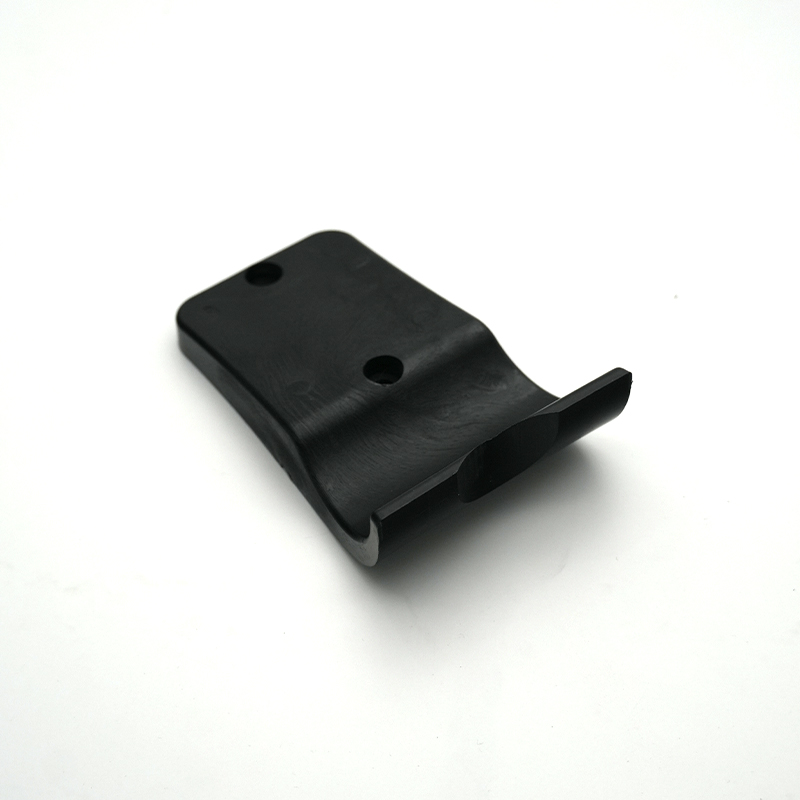
Benefits of Injection-Molded Black POM Spacers for Assemblies
Introduction: Why engineered plastic components matter in modern assemblies
In high-performance assemblies, component choice directly affects longevity, maintenance cost, and product reliability. Engineered plastic components have become essential where metal-to-metal contact, weight, or corrosion are concerns. The black POM spacer made by injection molding—specifically Bost’s black POM spacer—offers a compelling balance of low friction, high dimensional stability, and wear resistance for demanding applications. Bost’s black POM spacer, injection-molded for superior wear resistance and dimensional stability, ensures precise positioning in demanding applications. Crafted for durability, this injection-molded black POM wear-resistant spacing offers reliable performance and long-lasting support.
Material advantages: Why POM (acetal) is preferred for spacers among engineered plastic components
Polyoxymethylene (POM), commonly called acetal or Delrin (brand), is widely used in engineered plastic components because of its combination of mechanical and tribological properties. Key advantages: high stiffness and tensile strength relative to many polymers, excellent sliding and wear behavior, low moisture uptake compared with polyamide, and tight moldability enabling precise features. For spacers and positioning elements these traits translate into predictable tolerances, minimal creep under load, and consistent performance across operational cycles. The injection molding process further enhances repeatability for tight fits in assemblies.
Precision positioning and dimensional stability: How the black POM spacer made by injection molding delivers accuracy
Precision positioning is critical in subassemblies such as gearbox internals, optical mounts, and electronic housings. Injection-molded black POM spacers maintain dimensional stability due to POM’s low thermal expansion and low water absorption. These properties reduce tolerance drift caused by temperature changes or ambient humidity—common failure modes for hygroscopic plastics like nylon. When designers select engineered plastic components for alignment-critical applications, Bost’s black POM spacer’s consistent shrinkage control and mold-quality surface finish minimize assembly variation and rework.
Wear resistance and friction control: Operational benefits of injection-molded black POM wear-resistant spacing
Wear resistance extends service life and reduces maintenance. POM’s low coefficient of friction and high abrasion resistance make it ideal where sliding contact or rotating shafts interact with spacers. The injection-molding process enables homogenous material properties and optimized part geometry (e.g., fillets, radii, bearing surfaces) to reduce contact stress. Bost’s injection-molded black POM wear-resistant spacing is engineered to withstand repeated cycles while protecting mating parts and preserving alignment — particularly useful in automotive actuators, conveyor guides, and consumer appliance assemblies.
Design for manufacturing: Benefits of injection molding for engineered plastic components
Injection molding offers economy at scale, tight tolerances, and the ability to form integrated features (snap-fits, ribs, complex bores) into single engineered plastic components. For spacers, injection molding eliminates post-machining in many cases and allows precise control of wall thickness and ribbing to resist compression and buckling. The black coloration can be added during molding for UV protection, aesthetic consistency, or to meet ESD grading when compounded appropriately. Bost’s black POM spacer benefits from production-grade tooling and process controls that optimize crystallinity and reduce internal stresses, enhancing both dimensional and mechanical consistency.
Comparison table: Typical properties—POM vs Nylon (PA6) vs Aluminum (for spacers)
Below is a practical comparison to help engineers select the right spacer material for assemblies (typical ranges—consult datasheets for specific grades):
| Property | POM (Acetal) | Nylon (PA6) | Aluminum (6061) |
|---|---|---|---|
| Density | ~1.41 g/cm³ | ~1.13 g/cm³ | ~2.70 g/cm³ |
| Tensile Strength (typ.) | 55–70 MPa | 70–90 MPa (dry) | ~310 MPa |
| Coefficient of Friction (static) | ~0.2–0.35 | ~0.25–0.4 | ~0.5–0.6 (metal on metal) |
| Wear Resistance | High | Moderate (hygroscopic effects) | Very high (but may abrade mating parts) |
| Dimensional Stability | Excellent (low moisture uptake) | Variable (sensitive to humidity) | Excellent |
| Typical Operating Temp | -40 to +90°C (short peaks higher) | -40 to +120°C (property dependent) | -200 to +150°C |
| Cost | Low–Moderate | Low–Moderate | Higher (material + machining) |
Application examples: Where Bost’s black POM spacer adds value in assemblies
Bost’s injection-molded black POM spacer is ideal in applications where low friction, repeatable spacing, and minimal wear are required. Common uses include: motor and gearbox spacers, printed circuit board standoffs, bearing seats, conveyor guide blocks, optical and sensor alignment shims, and protective isolation in multi-material assemblies. In each case, the injection-molded spacer reduces assembly time versus machined metal alternatives and minimizes noise due to damped polymer contact.
Design recommendations for optimal performance of injection-molded black POM spacers
To get the best results from engineered plastic components such as Bost’s black POM spacer, follow these design recommendations: maintain uniform wall thickness to avoid sink and warpage; use generous fillets to reduce stress concentrations; allow draft angles for easy ejection; incorporate ribs or bosses where compressive loads are present; specify tolerances compatible with molding capabilities (e.g., ±0.1–0.3 mm depending on size); and consider surface finish where sliding occurs. For assemblies requiring electrical conductivity or ESD protection, discuss conductive fillers or grounding strategies with your supplier.
Quality, testing, and standards: Ensuring reliable engineered plastic components
Production-grade injection-molded spacers should be validated through dimensional inspection (CMM), mechanical testing (tensile, compression), wear and friction testing, and thermal cycling to simulate operational conditions. Manufacturers like Bost commonly follow ISO quality systems (e.g., ISO 9001) and use material certificates (e.g., raw material batch reports). For safety- or performance-critical applications, reference material datasheets and third-party test reports to confirm compliance with industry-specific standards.
Sustainability and lifecycle: Recycling and environmental considerations for POM spacers
Compared with metals, plastic components can reduce weight and energy use in transport and operation. POM is recyclable in many industrial streams; reclaimed POM can be reprocessed into non-critical parts. Designers should consider end-of-life planning: mark parts with material identifiers, minimize mixed-material assemblies that impede recycling, and prefer suppliers that provide take-back or recycling options. The long service life and low maintenance requirements of injection-molded black POM wear-resistant spacing also reduce resource consumption over the product lifecycle.
Cost-benefit analysis: When engineered plastic components outperform metal alternatives
While metals deliver unmatched strength, for many spacers plastics provide better value through lower part cost, reduced assembly time, and elimination of secondary coatings or corrosion control. A simple cost-benefit analysis should include: part cost (material + molding or machining), assembly labor, maintenance frequency, weight savings, and impact on mating components. Often, the operational savings from lower wear and reduced maintenance make injection-molded black POM spacers cost-effective over the product’s lifetime.
Why choose Bost’s black POM spacer made by injection molding?
Bost’s product combines proven material selection with manufacturing controls to deliver engineered plastic components you can trust. Advantages include strict dimensional tolerances, consistent surface finishes for sliding contacts, and material compounding optimized for wear resistance and stability. Bost supports technical documentation and samples to help you validate the spacer in your assembly, plus design-for-manufacturing guidance to reduce cycle times and costs. When precision, durability, and repeatability are required, Bost’s black POM spacer delivers predictable assembly performance.
Installation, maintenance, and troubleshooting tips for assemblies using POM spacers
Installation: verify mating tolerances and press-fit allowances; avoid sharp edges on mating metal shafts; use appropriate lubrication only where specified. Maintenance: inspect spacers for wear patterns, check for unexpected deformation due to overloading, and ensure environmental exposure (solvents, high temperatures) is within rated limits. Troubleshooting: if you observe excessive wear, review alignment, loading, and surface hardness of mating parts; if tolerances drift, confirm thermal loads and verify stock grade and molding batch consistency.
FAQ — Frequently Asked Questions about injection-molded black POM spacers and engineered plastic components
Q1: What is the typical lifespan of an injection-molded black POM spacer?
A: Lifespan depends on application loading, sliding contact and environment. In properly designed assemblies under normal operating conditions, POM spacers often last years to decades. Their wear resistance and low creep contribute to extended service life compared with many other polymers.
Q2: Can black POM spacers be used in high-temperature applications?
A: Standard POM grades typically operate continuously to around 80–90°C, with short-term peaks higher. For sustained high-temperature applications, consult material datasheets or consider high-temperature-engineered polymers or metal alternatives.
Q3: Are POM spacers corrosive to metals or do they cause galvanic issues?
A: No—POM is a non-metallic, non-conductive polymer, so it does not cause galvanic corrosion. It can, however, abrade softer mating surfaces; good design practices and material pairing prevent premature wear.
Q4: Can injection-molded black POM spacers be custom-sized?
A: Yes. Injection molding supports custom geometries and sizes with reasonable tooling investment. Bost offers design support to balance tooling cost with per-piece economics.
Q5: Is the black color indicative of fillers or properties?
A: Black coloring is often added with carbon black or other pigments for UV stability and consistent appearance. Some conductive or reinforcing fillers may change color but will be specified by the manufacturer.
Contact and product access
Understanding the advantages of black POM spacers naturally leads to questions about performance in real assemblies. To see how these parts contribute to precision, how black POM spacers improve tolerance and fit in machines explains their role in maintaining alignment and dimensional accuracy.Interested in evaluating Bost’s black POM spacer for your next project? View the product page: /products/black-pom-spacer or contact our sales team to request samples and technical drawings. Our engineers can help optimize spacer geometry and tolerances to your assembly requirements.
Authoritative sources and further reading
Below are reputable resources for material properties and best practices regarding POM and engineered plastic components:
- Polyoxymethylene (POM) — Wikipedia: https://en.wikipedia.org/wiki/Polyoxymethylene
- Polyoxymethylene (Acetal) overview — Goodfellow: https://www.goodfellow.com/us/en-us/materials/polyoxymethylene-acetal.
- Material property references and datasheet search — MatWeb: https://www.matweb.com/
- ASTM International — standards and material testing: https://www.astm.org/
- PlasticsEurope — industry information: https://www.plasticseurope.org/
Final note
Choosing the right engineered plastic components is a multi-factor decision. Bost’s injection-molded black POM spacer offers an effective combination of wear resistance, dimensional stability, and manufacturability for assemblies where precision and longevity matter. Contact us to discuss design requirements and obtain samples to validate performance in your application.
Tags
Silicone rubber material sleeve
Silicone rubber material sleeve
Engineering plastic spacer
Engineering plastic spacer
High-Temp Resistant Guiding
High-Temp Resistant Guiding
custom injection molding
custom injection molding
china custom plastic injection molding
china custom plastic injection molding
Heat-resistant injection molding
Heat-resistant injection molding
Recommended for you
best high-performance plastics for medical implants 2026
How to Test and Measure Wear on PE Plastic Bushes
Why Custom Injection Molding Is Essential for High-Precision Parts
Reducing Maintenance with Durable ABS Plastic Connectors
Prdoucts Categories
Question you may concern
FAQs
Can Bost customize modified plastics with special properties?
Yes! We offer modification services such as reinforcement, flame retardancy, conductivity, wear resistance, and UV resistance, for example:
• Adding carbon fiber to enhance stiffness
• Reducing the coefficient of friction through PTFE modification
• Customizing food-grade or medical-grade certified materials
What is the minimum order quantity (MOQ)? Do you support small-batch trial production?
The MOQ for standard products is ≥100kg. We support small-batch trial production (as low as 20kg) and provide mold testing reports and performance data feedback.
How do I select the appropriate engineering plastic grade for my product?
Selection should be based on parameters such as load conditions (e.g., pressure/friction), temperature range, medium contact (e.g., oil/acid), and regulatory requirements (e.g., FDA/RoHS). Our engineers can provide free material selection consulting and sample testing.
What is the delivery lead time? Do you offer global logistics?
Standard products: 5–15 working days; custom modifications: 2–4 weeks. We support global air/sea freight and provide export customs clearance documents (including REACH/UL certifications).
What are the core advantages of Bost engineering plastics compared to ordinary plastics?
Bost engineering plastics feature ultra-high mechanical strength, high-temperature resistance (-50°C to 300°C), chemical corrosion resistance, and wear resistance. Compared to ordinary plastics, their service life is extended by 3 to 8 times, making them suitable for replacing metals in harsh environments.
You may also like
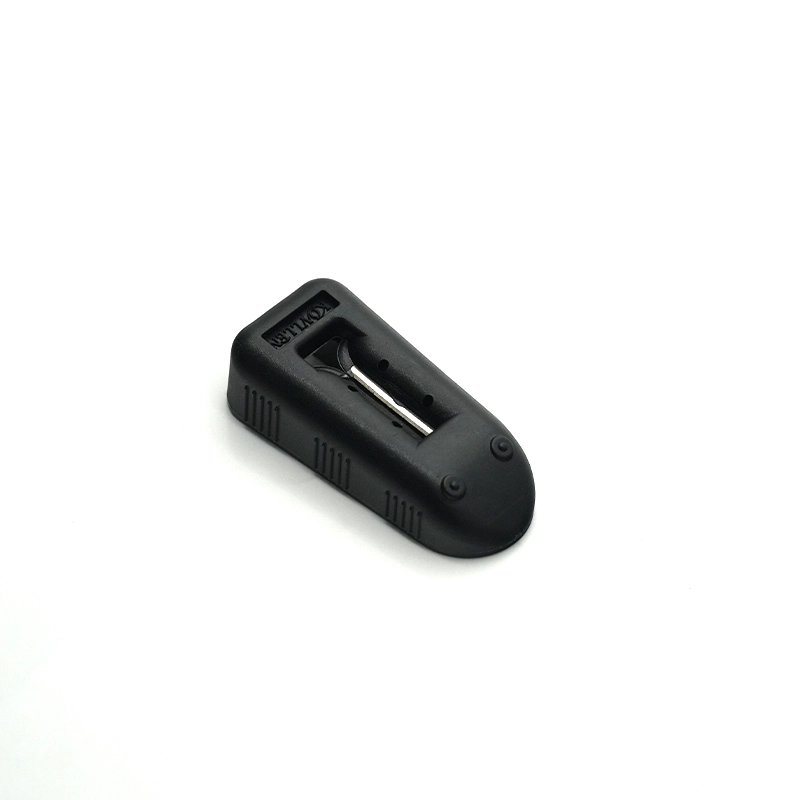
The plastic plug manufactured by Insert molding with stainless steel plate
Bost’s Insert-Molded Stainless Steel Plate Plastic Plug offers superior durability and corrosion resistance. This stainless steel insert durable plastic plug ensures a secure fit and long-lasting performance, ideal for industrial and commercial applications. Robust design meets quality standards.
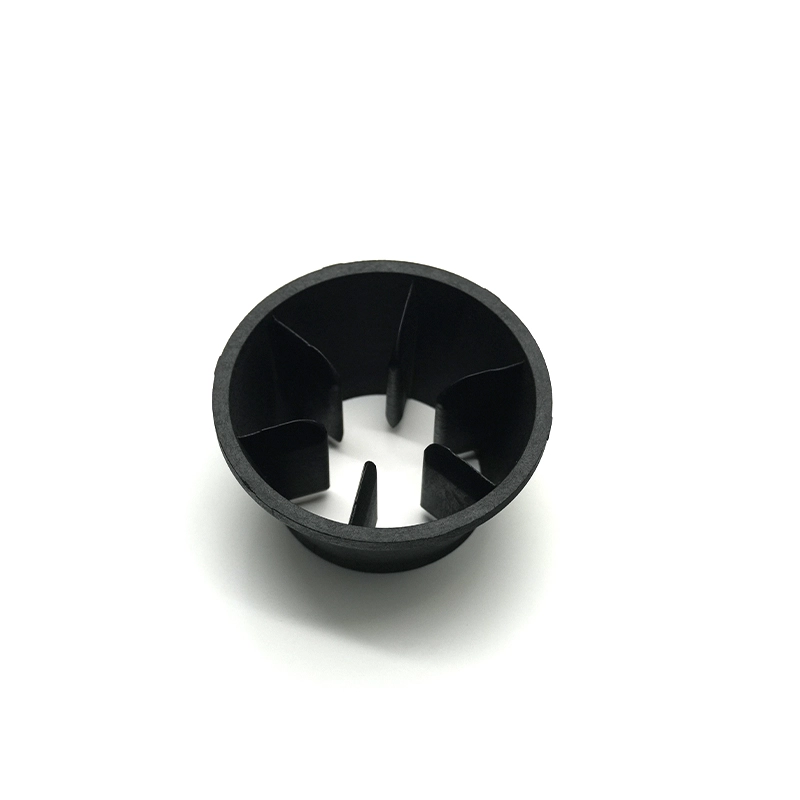
The Bost custom PPO flow valve by injection molding
The BOST Custom PPO Injection-Molded Flow Valve delivers high-temp and corrosion-resistant performance for industrial flow control. Precision-engineered by Bost, this custom PPO valve ensures durable, reliable operation in demanding environments. Optimize your process with BOST’s advanced injection-molded solution.
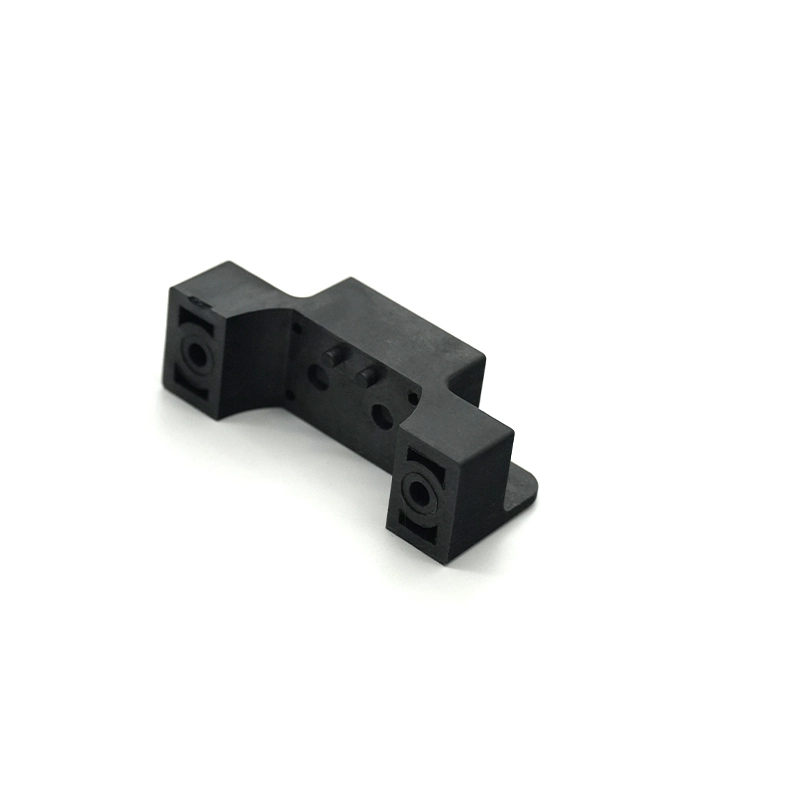
The Bost custom plastic handle by injection molding with high performance PPS material
BOST Custom PPS Injection-Molded Wear-Resistant Handle delivers superior durability and high performance. Made from High Quality PPS material, this injection-molded handle ensures exceptional wear resistance, ideal for demanding applications and long-lasting use. Choose BOST for quality and reliability.
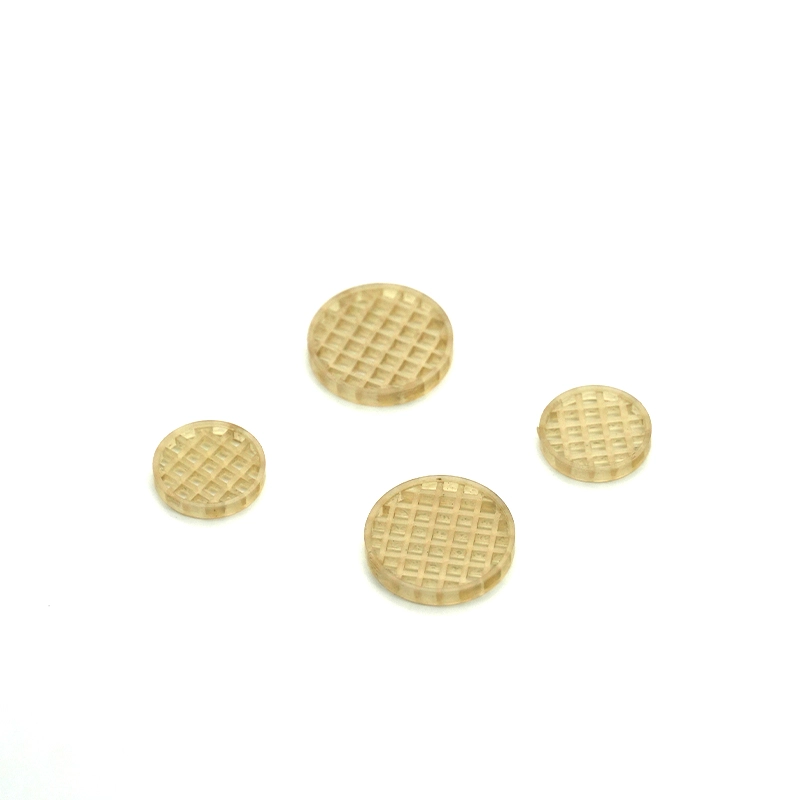
The Bost custom flow meter by injection molding with PES plastic
The Bost Custom PES Injection-Molded Flow Meter offers high-temperature and corrosion resistance, ideal for industrial use. Made with durable PES plastic via precision injection molding, this flow meter ensures reliable, customized performance for demanding applications. Trust Bost for quality and innovation.
Get in touch with Bost
Have any questions or concerns about our products? Please leave us a message here, and our team will get back to you promptly.

24 hours quotes delivered
Submit CAD files, get quote in 24 hours

No MOQ required
From prototyping to high-volume

±0.02 mm Precision
Advanced CNC with full inspections

1,000+ tons in stock
26 materials ready to ship
© 2026 BOST. All Rights Reserved.