
 Scan QR Code
Send My Request
How Black POM Spacers Improve Tolerance and Fit in Machines
Saturday, 12/20/2025
This article explains how engineered plastic components — specifically the black POM spacer made by injection molding — improve tolerance, fit, and long-term performance in machines. It covers material advantages, design and manufacturing best practices, comparisons with alternative materials, case examples, testing and quality control, and includes FAQs and references to authoritative sources.
- How Black POM Spacers Improve Tolerance and Fit in Machines
- Why engineered plastic components matter for precision assemblies
- The black POM spacer made by injection molding — product overview
- Material fundamentals: Why POM (acetal) outperforms common alternatives
- Key properties of POM relevant to engineered plastic components
- How those properties address tolerance and fit
- Design and processing: Injection molding’s role in precision spacers
- Why injection molding improves tolerance for engineered plastic components
- Design-for-manufacturability tips for black POM spacers
- Practical benefits in assemblies: tolerance stack-up and fit retention
- How spacers affect tolerance stacks in machines
- In-service performance: wear and fit retention
- Comparative view: Black POM vs. common spacer materials
- Material comparison for engineered plastic components (qualitative)
- Testing and quality control for reliable tolerance performance
- Key inspection and testing methods for engineered plastic components
- Environmental testing and conditional validation
- Application examples where black POM spacers improve machine performance
- Case examples
- Design considerations and common pitfalls to avoid
- Practical recommendations for designers of engineered plastic components
- Brand value: Why choose Bost’s black POM spacer
- Bost’s advantages for engineered plastic components
- Frequently Asked Questions (FAQ)
- 1. What makes POM spacers better than nylon for tolerance-critical applications?
- 2. Can injection-molded black POM spacers meet tight tolerances?
- 3. Are black POM spacers suitable for high-temperature environments?
- 4. How does color (black) affect the spacer’s properties?
- 5. What inspection methods should I require from suppliers?
- Contact us / View product
- References and authoritative sources
How Black POM Spacers Improve Tolerance and Fit in Machines
Why engineered plastic components matter for precision assemblies
Engineered plastic components play an increasingly important role in precision mechanical assemblies where tolerance control and consistent fit are essential. Unlike generic plastics, engineered materials are formulated and processed to deliver predictable mechanical properties. The black POM spacer made by injection molding is a prime example: it combines low friction, high dimensional stability, and wear resistance to ensure accurate positioning between moving parts in demanding applications. Once tolerance and fit requirements are clear, ensuring consistent quality from production partners becomes essential. This makes evaluating suppliers of engineered plastic components for quality a logical next step when sourcing POM spacers at scale.
The black POM spacer made by injection molding — product overview
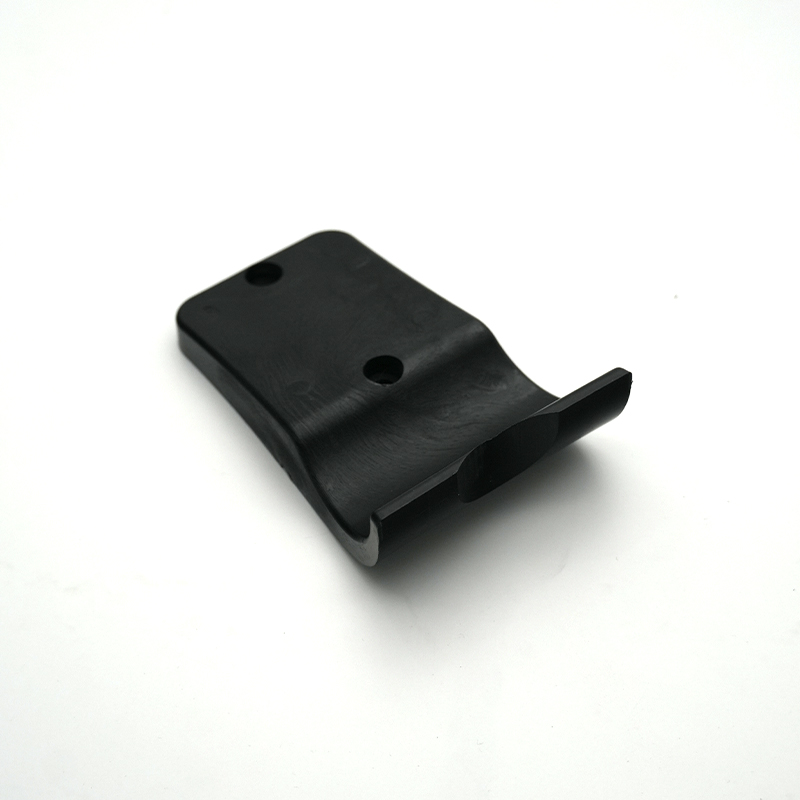
Bost’s black POM spacer, injection-molded for superior wear resistance and dimensional stability, ensures precise positioning in demanding applications. Crafted for durability, this injection-molded black POM wear-resistant spacing offers reliable performance and long-lasting support. Because these spacers are produced by injection molding, they benefit from tight process control, consistent geometry, and repeatable surface finish — all factors that directly affect machine tolerance and fit.
Material fundamentals: Why POM (acetal) outperforms common alternatives
Key properties of POM relevant to engineered plastic components
Polyoxymethylene (POM), often known by trade names such as acetal or Delrin, has a set of properties that make it highly effective for spacer and bearing applications: good dimensional stability under load, low coefficient of friction, good wear resistance, and favorable creep characteristics when compared to many amorphous plastics. For engineered plastic components used as spacers, these properties translate directly into improved tolerance control and longer service life.
How those properties address tolerance and fit
Dimensional stability reduces variation in critical dimensions (e.g., spacer thickness, inner and outer diameters). Low friction reduces fretting and micro-movement that can gradually enlarge effective clearances. Wear resistance preserves the intended fit over many cycles, so the machine maintains its specified tolerance stack-up. Together, these characteristics help maintain accurate positional relationships between shafts, housings, and mating parts.
Design and processing: Injection molding’s role in precision spacers
Why injection molding improves tolerance for engineered plastic components
Injection molding enables volume production of parts with tight geometric control and repeatable surface finish. Process parameters (mold temperature, injection speed, packing, and cooling) can be optimized for POM to reduce shrinkage variation and internal stresses. Tooling accuracy combined with consistent molding reduces part-to-part variation — a must for components that must meet tolerance chains in assemblies.
Design-for-manufacturability tips for black POM spacers
Design guidance for injection-molded POM spacers includes: maintain uniform wall thickness where possible to minimize differential shrinkage; add ribs or bosses only when required to control warpage; specify fillets to reduce stress concentrations; and define tolerances aligned with achievable molding capability (consult your molder for realistic tolerances). For press-fit or sliding-fit spacers, designers should consider nominal interference or clearance based on POM’s thermal expansion and expected operating temperature range.
Practical benefits in assemblies: tolerance stack-up and fit retention
How spacers affect tolerance stacks in machines
In mechanical assemblies, multiple components contribute to an overall tolerance stack. Using a dimensional-stable spacer like Bost’s black POM spacer reduces one source of variability. A well-controlled spacer thickness directly reduces worst-case positional deviation, simplifying assembly processes and often improving yield. When combined with controlled mating features (shafts, bores), engineered plastic components help designers meet functional specifications with less need for post-assembly adjusting.
In-service performance: wear and fit retention
In dynamic applications, wear between mating surfaces can gradually change clearances and lead to play, misalignment, or noise. The injection-molded black POM wear-resistant spacing is designed to limit wear at contact interfaces, preserving the initial fit and preventing progressive tolerance degradation. This reduces maintenance frequency and downtime compared with less-wear-resistant materials.
Comparative view: Black POM vs. common spacer materials
Material comparison for engineered plastic components (qualitative)
The table below compares POM spacers to common alternatives to highlight where black POM spacer advantages are most relevant.
| Property / Material | Black POM (injection-molded) | Nylon (PA) | Metal (brass/steel) |
|---|---|---|---|
| Dimensional stability | High (low moisture uptake, controlled shrinkage) | Moderate (absorbs moisture, dimension changes possible) | Very high (thermal expansion different but stable) |
| Wear resistance (sliding) | High (low friction, good wear properties) | Moderate to high (depends on compound) | High (but can abrade mating parts) |
| Coefficient of friction | Low | Moderate | Varies; often higher against metals/plastics |
| Corrosion resistance | Excellent | Good | Depends on alloy/coating |
| Manufacturing cost per part (high volume) | Low to moderate | Low to moderate | Higher (machining/secondary ops) |
Note: This table is qualitative and intended to guide selection. Actual performance depends on specific grades, design, and operating environment.
Testing and quality control for reliable tolerance performance
Key inspection and testing methods for engineered plastic components
To ensure spacers meet tolerance and fit requirements, typical quality activities include: dimensional inspection (CMM or calibrated go/no-go measurement fixtures), hardness and surface finish checks, wear testing under representative loads and cycles, and thermal cycling to observe dimensional drift. For critical assemblies, runout and concentricity checks may also be performed. Statistical process control (SPC) during molding helps detect shifts before out-of-spec parts are produced.
Environmental testing and conditional validation
Because plastics respond to temperature and humidity differently than metals, test protocols should include operating-temperature verification and humidity exposure where relevant. For example, POM typically shows less hygroscopic expansion than nylon, but designers should still validate fit at the extremes of the service temperature range to avoid interference or loss of clearance in the field.
Application examples where black POM spacers improve machine performance
Case examples
- Precision conveyor rollers: Using injection-molded black POM spacers maintains concentricity and reduces lateral play, improving tracking and reducing noise.
- Electromechanical actuators: Spacers that maintain thickness under load ensure repeatable stroke endpoints and minimize backlash.
- Medical devices and instrumentation: Non-corrosive, wear-resistant POM spacers preserve alignment and hygiene-friendly surfaces without frequent replacement.
Design considerations and common pitfalls to avoid
Practical recommendations for designers of engineered plastic components
Common pitfalls include specifying tolerances tighter than the molding process can economically deliver, neglecting to account for thermal expansion in assemblies combining metal and plastic parts, and under-estimating the need for supportive geometry to prevent creep under sustained loads. Mitigations: involve the molder early, specify critical dimensions with functional tolerance callouts, and run a limited pilot production to validate fit in the actual assembly before full-scale production.
Brand value: Why choose Bost’s black POM spacer
Bost’s advantages for engineered plastic components
Bost’s black POM spacer, injection-molded for superior wear resistance and dimensional stability, is engineered to provide consistent thickness, repeatable surface finish, and optimized geometry for long-term performance. Bost’s expertise in injection molding ensures process control and quality systems that reduce variation, while material selection and part design are aligned to the tolerance needs of demanding applications. Choosing a proven supplier reduces risk, shortens time to market, and improves lifecycle cost compared with ad hoc or conversion solutions.
Frequently Asked Questions (FAQ)
1. What makes POM spacers better than nylon for tolerance-critical applications?
POM typically absorbs much less moisture than nylon and exhibits superior dimensional stability under changing humidity and temperature. This stability preserves the spacer’s critical dimensions and helps maintain the designed fit in assemblies.
2. Can injection-molded black POM spacers meet tight tolerances?
Yes — injection molding can achieve tight tolerances when the tooling, process, and material grade are selected appropriately. Discussing required tolerances with the molder early in the design phase is essential to set achievable dimensional specifications.
3. Are black POM spacers suitable for high-temperature environments?
POM has a usable temperature range typical for many mechanical applications, but extreme temperatures can affect stiffness and dimensional stability. If your application involves sustained high temperatures, validate spacer performance under those conditions or consider high-temperature engineered polymers designed for that range.
4. How does color (black) affect the spacer’s properties?
Colorants can slightly affect properties, but in most cases black POM compounds are formulated with stabilizers to maintain core material performance. For critical uses, request material data sheets for the exact black POM grade proposed for production.
5. What inspection methods should I require from suppliers?
Ask for dimensional inspection reports (CMM or calibrated gauges), SPC summaries, and results from representative wear and environmental testing. For critical parts, request first article inspection (FAI) or production samples validated in your assembly.
Contact us / View product
If you’d like to evaluate Bost’s black POM spacer for your next project, contact our technical sales team for detailed drawings, material data sheets, and sample parts. We can assist with tolerance recommendations, pilot runs, and application-specific testing to ensure the spacer meets your functional requirements. View product details or request samples by contacting Bost’s sales at sales@bost.example or visiting our product page.
References and authoritative sources
For further reading and verification of material and manufacturing principles cited consult the following authoritative resources:
- Polyoxymethylene (POM) — Wikipedia: https://en.wikipedia.org/wiki/Polyoxymethylene
- Injection molding — Wikipedia: https://en.wikipedia.org/wiki/Injection_molding
- ISO — International Organization for Standardization (standards and tolerance systems): https://www.iso.org/
- PlasticsEurope — Plastics industry information and material datasheets: https://www.plasticseurope.org/
- Engineering Toolbox — Plastics properties (reference): https://www.engineeringtoolbox.com/plastics-properties-d_1226.
- ASM International — Material and engineering resources: https://www.asminternational.org/
Tags
Wire and cable protection sleeve
Wire and cable protection sleeve
High-temperature
High-temperature
PEI plastic gasket
PEI plastic gasket
Corrosion-Resistant
Corrosion-Resistant
Corrosion-Resistant Sealing
Corrosion-Resistant Sealing
NBR material seal
NBR material seal
Recommended for you
Design Tips for Integrating PE Plastic Bushes in Machines
Supply Chain Tips for Procuring Black UV-Resistant ABS Connectors
3D Printing vs Injection Molding: When to Choose Which
Material Certification and Testing for ABS Connectors
Prdoucts Categories
Question you may concern
FAQs
What is the minimum order quantity (MOQ)? Do you support small-batch trial production?
The MOQ for standard products is ≥100kg. We support small-batch trial production (as low as 20kg) and provide mold testing reports and performance data feedback.
What are the core advantages of Bost engineering plastics compared to ordinary plastics?
Bost engineering plastics feature ultra-high mechanical strength, high-temperature resistance (-50°C to 300°C), chemical corrosion resistance, and wear resistance. Compared to ordinary plastics, their service life is extended by 3 to 8 times, making them suitable for replacing metals in harsh environments.
What is the delivery lead time? Do you offer global logistics?
Standard products: 5–15 working days; custom modifications: 2–4 weeks. We support global air/sea freight and provide export customs clearance documents (including REACH/UL certifications).
How do I select the appropriate engineering plastic grade for my product?
Selection should be based on parameters such as load conditions (e.g., pressure/friction), temperature range, medium contact (e.g., oil/acid), and regulatory requirements (e.g., FDA/RoHS). Our engineers can provide free material selection consulting and sample testing.
Can Bost customize modified plastics with special properties?
Yes! We offer modification services such as reinforcement, flame retardancy, conductivity, wear resistance, and UV resistance, for example:
• Adding carbon fiber to enhance stiffness
• Reducing the coefficient of friction through PTFE modification
• Customizing food-grade or medical-grade certified materials
You may also like
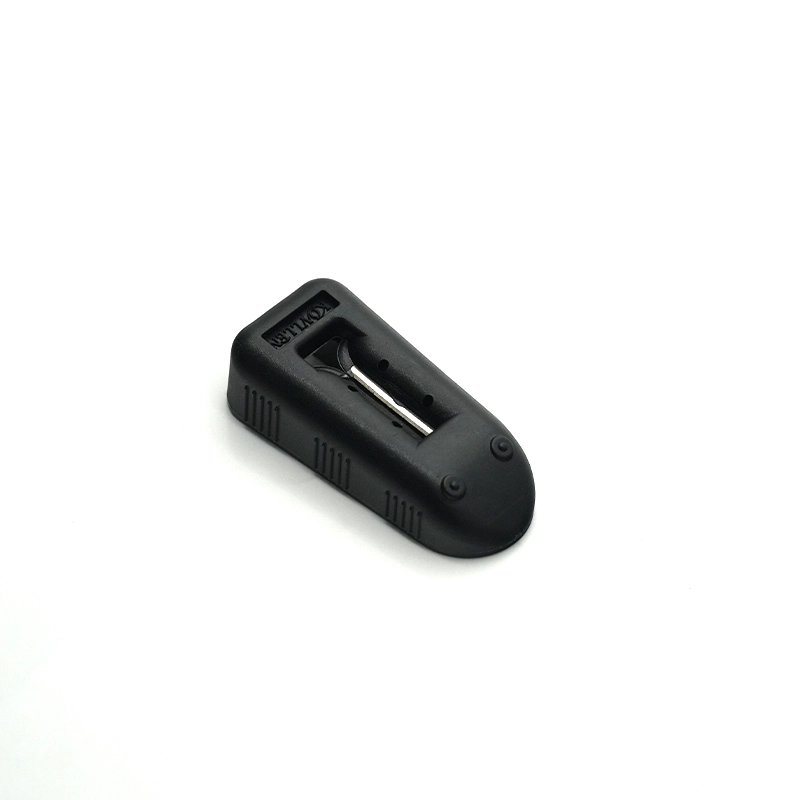
The plastic plug manufactured by Insert molding with stainless steel plate
Bost’s Insert-Molded Stainless Steel Plate Plastic Plug offers superior durability and corrosion resistance. This stainless steel insert durable plastic plug ensures a secure fit and long-lasting performance, ideal for industrial and commercial applications. Robust design meets quality standards.
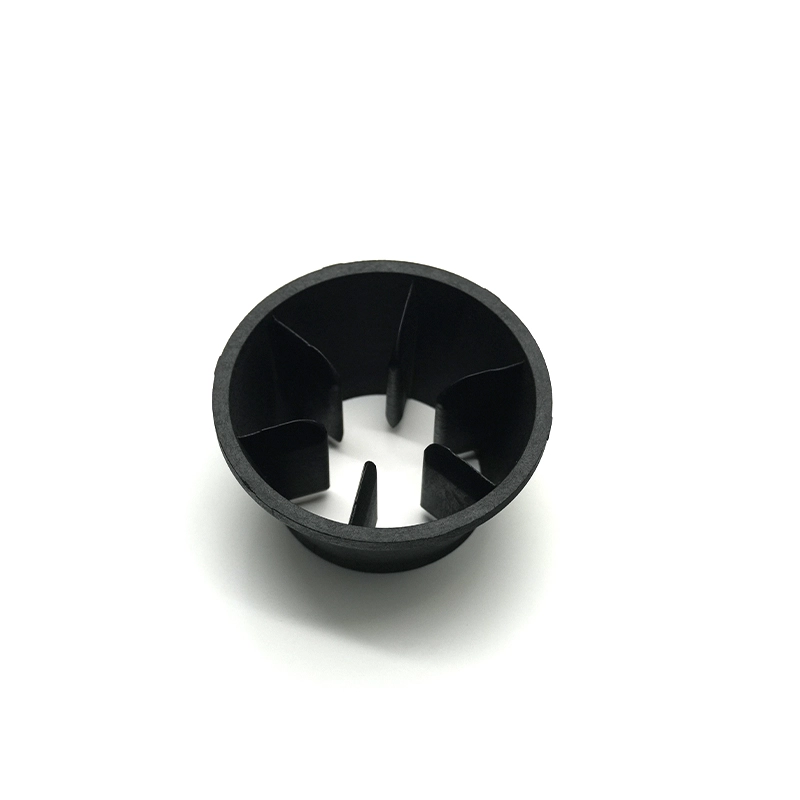
The Bost custom PPO flow valve by injection molding
The BOST Custom PPO Injection-Molded Flow Valve delivers high-temp and corrosion-resistant performance for industrial flow control. Precision-engineered by Bost, this custom PPO valve ensures durable, reliable operation in demanding environments. Optimize your process with BOST’s advanced injection-molded solution.
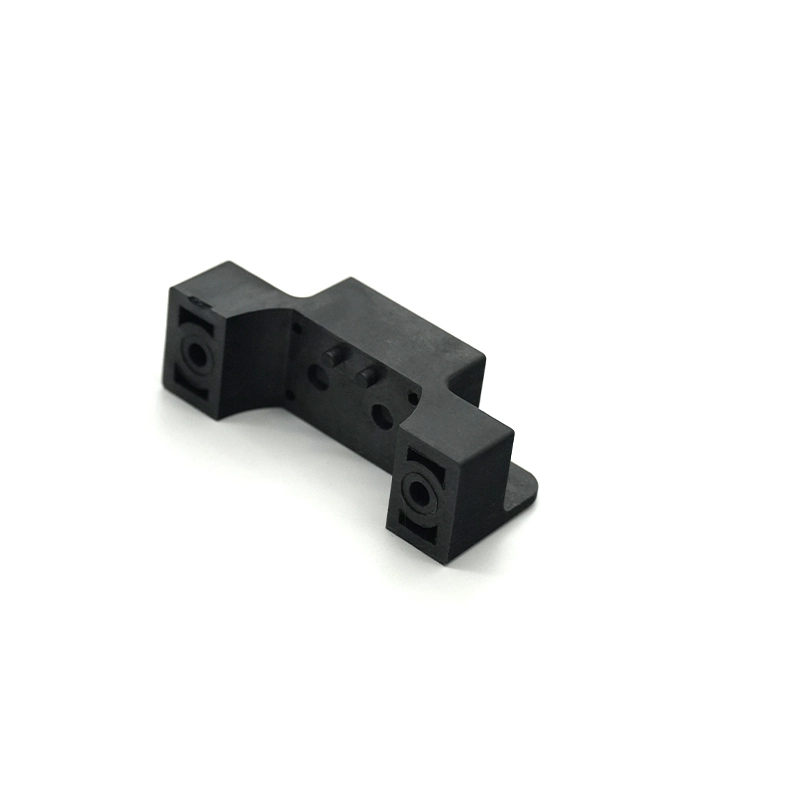
The Bost custom plastic handle by injection molding with high performance PPS material
BOST Custom PPS Injection-Molded Wear-Resistant Handle delivers superior durability and high performance. Made from High Quality PPS material, this injection-molded handle ensures exceptional wear resistance, ideal for demanding applications and long-lasting use. Choose BOST for quality and reliability.
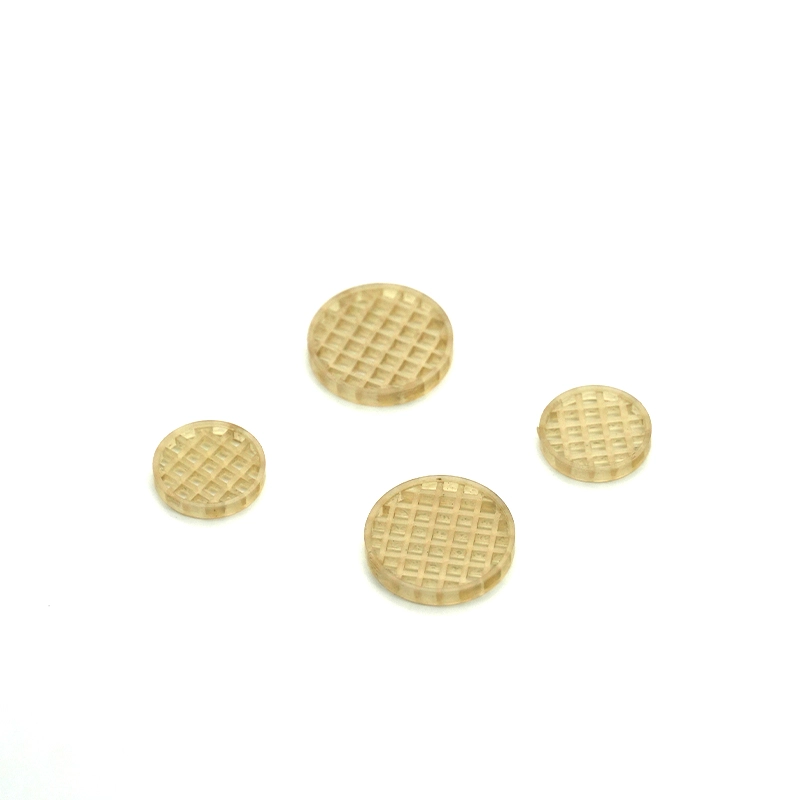
The Bost custom flow meter by injection molding with PES plastic
The Bost Custom PES Injection-Molded Flow Meter offers high-temperature and corrosion resistance, ideal for industrial use. Made with durable PES plastic via precision injection molding, this flow meter ensures reliable, customized performance for demanding applications. Trust Bost for quality and innovation.
Get in touch with Bost
Have any questions or concerns about our products? Please leave us a message here, and our team will get back to you promptly.

24 hours quotes delivered
Submit CAD files, get quote in 24 hours

No MOQ required
From prototyping to high-volume

±0.02 mm Precision
Advanced CNC with full inspections

1,000+ tons in stock
26 materials ready to ship
© 2026 BOST. All Rights Reserved.