
 Scan QR Code
Send My Request
Comparing PE Plastic Bushes with Nylon and PTFE
Wednesday, 12/10/2025
This comprehensive guide compares PE Plastic Bushes with Nylon and PTFE for use as plastic bushings. It covers material properties, wear and friction behavior, chemical and temperature resistance, installation and maintenance, cost and lifecycle, application selection guidance, brand advantages of Bost PE Plastic Bushes, FAQs, and authoritative references to help engineers select the right bushing for industrial machinery.
- Comparing PE Plastic Bushes with Nylon and PTFE: Which Plastic Bushing Fits Your Application?
- Why the Choice of Plastic Bushing Matters
- Product Snapshot: Bost PE Plastic Bushes
- Material Overview: PE (Polyethylene) as a Plastic Bushing
- Material Overview: Nylon (Polyamide) as a Plastic Bushing
- Material Overview: PTFE (Teflon) as a Plastic Bushing
- Direct Comparison: PE vs Nylon vs PTFE (Key Properties)
- Interpreting the Table — What It Means for Your Plastic Bushing Choice
- Installation and Maintenance Considerations for Plastic Bushings
- Cost, Lifecycle and Total Cost of Ownership (TCO)
- Application Guidance: Which Plastic Bushing to Use When
- Practical Example Scenarios
- Brand Advantages: Why Choose Bost PE Plastic Bushes
- Installation Tips Specific to Bost PE Plastic Bushes
- Safety, Environmental and Regulatory Considerations
- Summary Table: Quick Selection Checklist
- FAQ — Frequently Asked Questions about Plastic Bushings
- Contact Us / View Product
- Authoritative References and Further Reading
- Final Notes
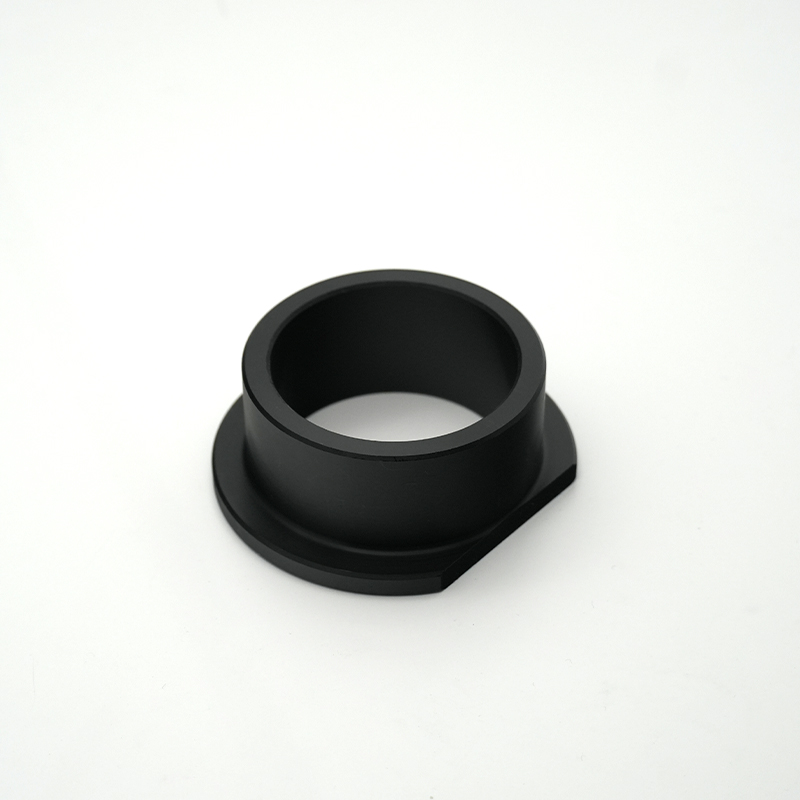
Comparing PE Plastic Bushes with Nylon and PTFE: Which Plastic Bushing Fits Your Application?
Why the Choice of Plastic Bushing Matters
Selecting the correct plastic bushing affects machine uptime, maintenance cycles, energy efficiency, and lifecycle cost. In bearings and bushings, materials determine friction, wear rate, load capacity, chemical resistance, temperature limits, and ease of installation. This article compares PE Plastic Bushes, Nylon, and PTFE to help engineers and procurement teams choose the best solution for their application needs.
Product Snapshot: Bost PE Plastic Bushes
Bost PE Plastic Bushes offer superior wear-resistant shaft protection and friction-reducing adaptation for enhanced machinery performance. Engineered for durability, these bushes minimize wear and extend equipment life, ensuring reliable and efficient operation in demanding industrial applications. As a plastic bushing option, they are optimized for industrial environments where abrasion resistance and reliable sliding performance are required.
Material Overview: PE (Polyethylene) as a Plastic Bushing
PE used for bushings typically refers to high-density polyethylene (HDPE) or ultra-high-molecular-weight polyethylene (UHMWPE). These materials are known for excellent impact resistance, low moisture absorption (especially compared with Nylon), and good abrasion performance. PE plastic bushings often deliver low noise, decent tribological properties, and good resistance to many chemicals. Typical advantages include cushioning under impact loads and good performance in contaminated environments where grit may be present.
Material Overview: Nylon (Polyamide) as a Plastic Bushing
Nylon (commonly PA6 or PA6/6) is a frequently used engineering thermoplastic for bushings. Nylon offers higher tensile strength and stiffness than common PE grades, good wear resistance under moderate loads, and excellent dimensional stability when conditioned. However, Nylon absorbs moisture (which affects dimensions and some mechanical properties), and it can be affected by certain chemicals. Nylon bushings are a strong choice where higher static loads and better creep resistance are important.
Material Overview: PTFE (Teflon) as a Plastic Bushing
PTFE is prized for its extremely low coefficient of friction and excellent chemical inertness and temperature resistance. PTFE bushings slide easily against metals and most plastics, and they perform well in corrosive environments and over a wide temperature range. However, PTFE generally has lower load-bearing capacity compared with filled engineering thermoplastics and can exhibit higher creep under sustained loads. Cost and machining considerations are also important for PTFE components.
Direct Comparison: PE vs Nylon vs PTFE (Key Properties)
Below is a concise comparison table highlighting practical properties that affect bushing selection. Values are typical ranges or qualitative assessments for commonly used grades (UHMWPE/HDPE for PE, PA6/PA6.6 for Nylon, and virgin PTFE for Teflon).
| Property | PE (UHMW/HDPE) | Nylon (PA6/PA6.6) | PTFE (Teflon) |
|---|---|---|---|
| Typical coefficient of friction (dry vs steel) | ~0.10–0.20 | ~0.10–0.25 (better when lubricated) | ~0.04–0.10 |
| Wear resistance (practical) | High (especially UHMWPE) | Moderate to high | Moderate (low friction, but can wear faster under abrasive contact) |
| Max continuous temperature | ~80–100°C | ~100–120°C (some grades higher) | Up to ~260°C |
| Moisture absorption | Very low (~0%) | Moderate (~1–3% depending on environment) | Negligible (~0%) |
| Chemical resistance | Good for many solvents and alkalis; swells in some hydrocarbons | Good for oils and fuels; attacked by strong acids/alkalis | Excellent (virtually inert to most chemicals) |
| Load capacity (static / dynamic) | Good (especially UHMW for impact and shock loads) | Better static strength and creep resistance | Lower load capacity; good for sliding under light-to-moderate loads |
| Typical cost | Low to moderate | Moderate | High |
Interpreting the Table — What It Means for Your Plastic Bushing Choice
If wear resistance, impact tolerance, and low-cost replacement are priorities (for example, in conveyors, agricultural machinery, or environments with particulates), PE Plastic Bushes—particularly UHMWPE-based—are often the best choice. If structural strength, creep resistance, and higher temperature performance matter (e.g., precision guides, higher static loads), Nylon plastic bushings can be preferred. If the critical need is the lowest friction and broad chemical/temperature resistance (e.g., corrosive environments, food contact at high temps), PTFE bushings may be the right fit despite higher cost.
Installation and Maintenance Considerations for Plastic Bushings
Proper installation extends service life regardless of material. For PE Plastic Bushes, allow for thermal expansion (PE has relatively high linear expansion) and ensure shaft finishes are compatible (moderate roughness can help embed lubricant and reduce stick-slip). Nylon bushings may need pre-conditioning for moisture if tight tolerances are required. PTFE bushings often require support or backing layers when used under high loads to prevent cold-flow/creep. Routine inspection for wear, lubrication strategy (if any), and contamination control are universal best practices.
Cost, Lifecycle and Total Cost of Ownership (TCO)
Initial material cost is only part of the equation. Consider replacement intervals, downtime cost, and impact on mating shaft wear. PE Plastic Bushes commonly offer a lower purchase cost and strong wear resistance, reducing downtime for many heavy-wear applications. Nylon may have a higher upfront cost but can reduce deformation and maintain tolerances longer under load. PTFE, while often the most expensive, can lower energy consumption and reduce maintenance frequency in applications where friction is the dominant cost driver.
Application Guidance: Which Plastic Bushing to Use When
Use this practical guidance to map materials to typical application needs:
- Pick PE Plastic Bushes when abrasion resistance, impact tolerance, low noise, and cost-effectiveness under contaminated conditions matter (e.g., material handling, packaging, agricultural equipment).
- Pick Nylon bushings when higher static loads, better dimensional stability under load, and temperature resilience up to ~120°C are required (e.g., heavy machinery guides, automotive components).
- Pick PTFE bushings for the lowest sliding friction, chemical resistance, and high temperature service (e.g., chemical plant, valves, food processing where low friction is critical).
Practical Example Scenarios
Scenario A — Conveyor with abrasive pellets: Bost PE Plastic Bushes are ideal due to high abrasion resistance, low moisture uptake, and resilience to impact.
Scenario B — Precision linear guide in humid environment: Nylon bushings (pre-conditioned) may maintain better dimensional accuracy, though lubrication strategy is key.
Scenario C — Corrosive fluid valve shaft: PTFE bushings provide unmatched chemical resistance and low friction, reducing actuation torque.
Brand Advantages: Why Choose Bost PE Plastic Bushes
Bost PE Plastic Bushes combine targeted material formulation and manufacturing controls to deliver consistent tribological performance. Key brand advantages include:
- Engineered wear resistance optimized for shaft protection and long service life.
- Low friction surfaces that reduce energy loss and heat generation during sliding.
- Durability in contaminated or gritty environments, lowering the frequency of replacements.
- Cost-effective lifecycle when compared with some high-cost specialty polymers for common industrial uses.
- Compatibility with a broad range of mating materials and simple installation procedures.
Installation Tips Specific to Bost PE Plastic Bushes
When installing Bost PE Plastic Bushes, review shaft finish (Ra 0.2–0.8 μm recommended for many sliding applications), allow for radial clearance to accommodate thermal expansion, and avoid sharp edges at bore transitions. For best performance, inspect mating shafts for nicks and corrosion. Using a thin film of compatible lubricant can extend service life but is often optional due to PE’s solid-lubricating properties.
Safety, Environmental and Regulatory Considerations
PE and PTFE have favorable chemical inertness and are often acceptable in food-contact or potable water applications when grades are certified. Nylon requires consideration of moisture uptake and potential swelling. For regulated uses, always verify material certification (FDA, NSF, RoHS) based on the specific grade and supplier documentation.
Summary Table: Quick Selection Checklist
Use this checklist to rapidly narrow choices for your next plastic bushing:
| Requirement | Recommended Material |
|---|---|
| High abrasion & impact resistance, low cost | PE (Bost PE Plastic Bushes) |
| High static load, dimensional stability | Nylon (PA6/PA6.6) |
| Lowest friction & chemical resistance | PTFE |
| High temperature (>150°C) | PTFE (or specialized high-temp polymers) |
FAQ — Frequently Asked Questions about Plastic Bushings
Q1: How do I choose between PE, Nylon, and PTFE for a sliding shaft?
A1: Evaluate load, speed, temperature, environment (contaminants/chemicals), and desired maintenance interval. Choose PE for abrasion/impact and cost-sensitive applications; Nylon for higher load and dimensional stability; PTFE for lowest friction and chemical resistance.
Q2: Are PE Plastic Bushes self-lubricating?
A2: Many PE grades exhibit solid-lubricating properties and perform well with minimal external lubrication. However, some applications benefit from a lubrication film to further reduce friction and wear.
Q3: Will Nylon bushings swell if exposed to water?
A3: Yes, Nylon absorbs moisture which can cause slight dimensional changes and affect mechanical properties. Pre-conditioning and design tolerances should account for this when precision is required.
Q4: Can PTFE bushings handle heavy loads?
A4: PTFE has lower load-bearing capacity and higher creep than some engineering plastics. For heavy loads, PTFE is often paired with a structural backing or used with fillers to improve load performance.
Q5: What maintenance should I plan for PE Plastic Bushes?
A5: Inspect for wear and shaft condition periodically, verify clearances, and keep the environment as clean as practical. Lubrication is optional in many cases but can extend life.
Contact Us / View Product
Beyond just material choice, PE plastic bushes can also contribute significantly to noise and vibration control in machinery. Learn how these bushes can improve the acoustics and stability of your machines in our detailed guide.Interested in testing Bost PE Plastic Bushes in your equipment? Contact our sales team for samples, engineering support, and detailed material certificates. Visit our product page to view sizes, drawings, and ordering information — get a quote or request technical assistance today.
Authoritative References and Further Reading
For deeper technical details and verification of material behaviors, consult these authoritative sources:
- Polyethylene — Wikipedia: https://en.wikipedia.org/wiki/Polyethylene
- Nylon — Wikipedia: https://en.wikipedia.org/wiki/Nylon
- Polytetrafluoroethylene (PTFE) — Wikipedia: https://en.wikipedia.org/wiki/Polytetrafluoroethylene
- Engineering Toolbox — Friction Coefficients: https://www.engineeringtoolbox.com/friction-coefficients-d_778.
- SKF — Plastic Plain Bearings overview: https://www.skf.com/group/products/plain-bearings/plastic-plain-bearings
- MatWeb — Materials Information (general resource): https://www.matweb.com/
Final Notes
Choosing the right plastic bushing means balancing friction, wear, load, chemical exposure, temperature, and cost. Bost PE Plastic Bushes provide a robust, wear-resistant option for many industrial applications—especially where abrasion resistance, impact tolerance, and cost-effectiveness are priorities. If you need help selecting or sizing a bushing for your equipment, contact our engineering team for application-specific guidance.
Tags
plastic pulley
plastic pulley
machined parts manufacturer
machined parts manufacturer
NBR material seal
NBR material seal
UHMWPE Material
UHMWPE Material
Eco-Friendly Support
Eco-Friendly Support
custom injection molding
custom injection molding
Recommended for you
Engineering Plastic vs Commodity Plastic: Comparison Guide
Comparing Fluoroplastic Choices: Why PVDF for Machine Covers
Key Specs Buyers Seek in UV-Resistant ABS Plastic Connectors
PE Plastic Bushes: Benefits vs Metal Bushings
Prdoucts Categories
Question you may concern
FAQs
What is the delivery lead time? Do you offer global logistics?
Standard products: 5–15 working days; custom modifications: 2–4 weeks. We support global air/sea freight and provide export customs clearance documents (including REACH/UL certifications).
Can Bost customize modified plastics with special properties?
Yes! We offer modification services such as reinforcement, flame retardancy, conductivity, wear resistance, and UV resistance, for example:
• Adding carbon fiber to enhance stiffness
• Reducing the coefficient of friction through PTFE modification
• Customizing food-grade or medical-grade certified materials
What is the minimum order quantity (MOQ)? Do you support small-batch trial production?
The MOQ for standard products is ≥100kg. We support small-batch trial production (as low as 20kg) and provide mold testing reports and performance data feedback.
How do I select the appropriate engineering plastic grade for my product?
Selection should be based on parameters such as load conditions (e.g., pressure/friction), temperature range, medium contact (e.g., oil/acid), and regulatory requirements (e.g., FDA/RoHS). Our engineers can provide free material selection consulting and sample testing.
What are the core advantages of Bost engineering plastics compared to ordinary plastics?
Bost engineering plastics feature ultra-high mechanical strength, high-temperature resistance (-50°C to 300°C), chemical corrosion resistance, and wear resistance. Compared to ordinary plastics, their service life is extended by 3 to 8 times, making them suitable for replacing metals in harsh environments.
You may also like
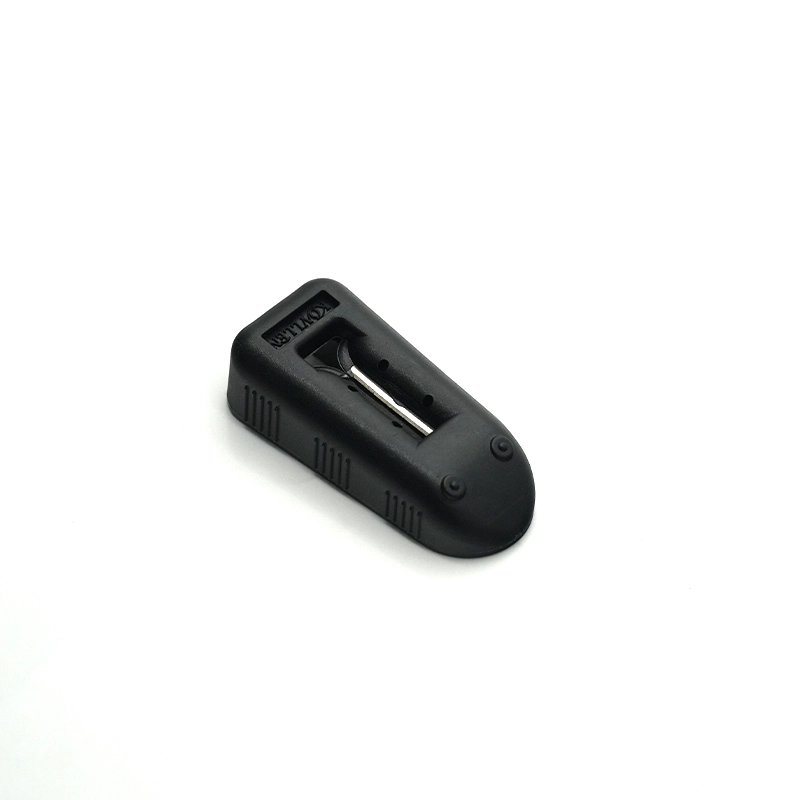
The plastic plug manufactured by Insert molding with stainless steel plate
Bost’s Insert-Molded Stainless Steel Plate Plastic Plug offers superior durability and corrosion resistance. This stainless steel insert durable plastic plug ensures a secure fit and long-lasting performance, ideal for industrial and commercial applications. Robust design meets quality standards.
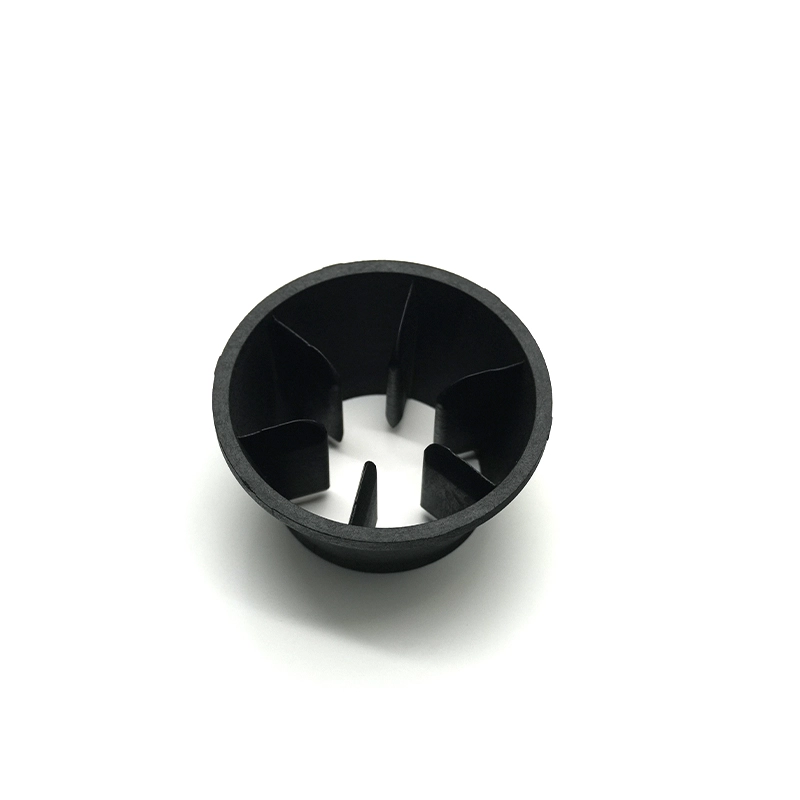
The Bost custom PPO flow valve by injection molding
The BOST Custom PPO Injection-Molded Flow Valve delivers high-temp and corrosion-resistant performance for industrial flow control. Precision-engineered by Bost, this custom PPO valve ensures durable, reliable operation in demanding environments. Optimize your process with BOST’s advanced injection-molded solution.
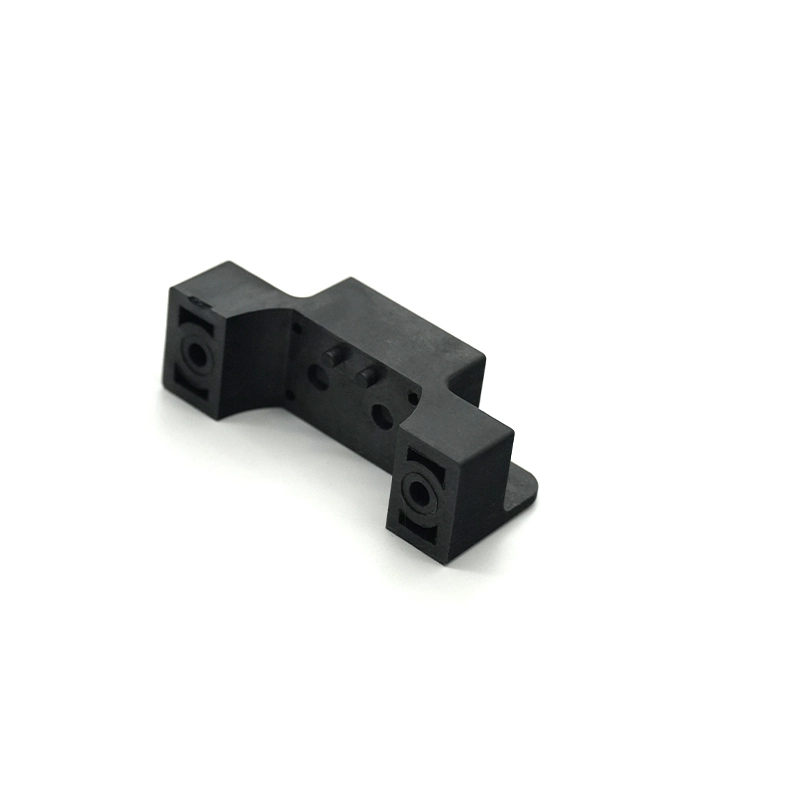
The Bost custom plastic handle by injection molding with high performance PPS material
BOST Custom PPS Injection-Molded Wear-Resistant Handle delivers superior durability and high performance. Made from High Quality PPS material, this injection-molded handle ensures exceptional wear resistance, ideal for demanding applications and long-lasting use. Choose BOST for quality and reliability.
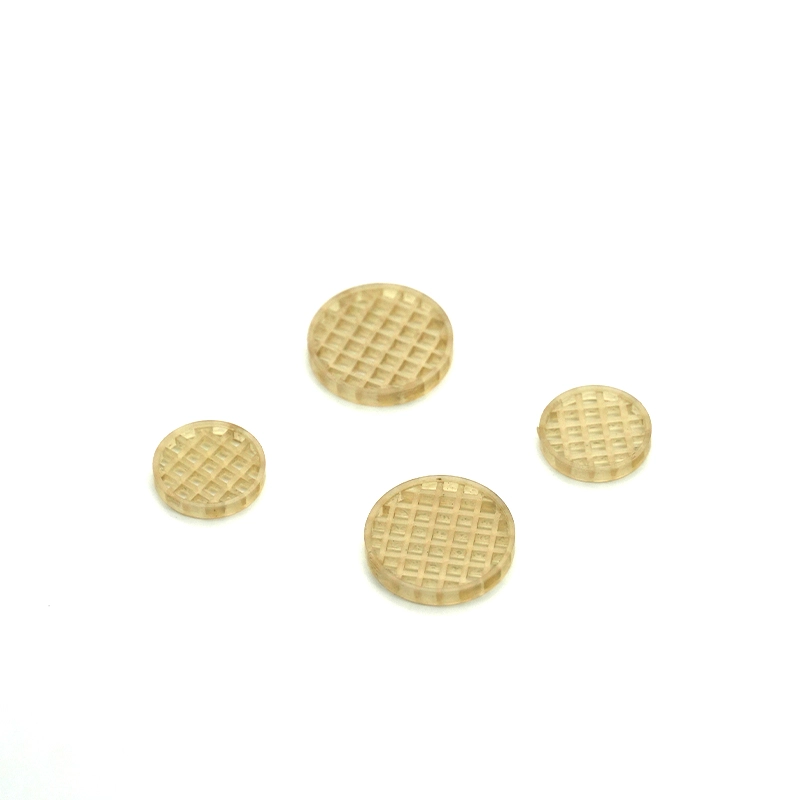
The Bost custom flow meter by injection molding with PES plastic
The Bost Custom PES Injection-Molded Flow Meter offers high-temperature and corrosion resistance, ideal for industrial use. Made with durable PES plastic via precision injection molding, this flow meter ensures reliable, customized performance for demanding applications. Trust Bost for quality and innovation.
Get in touch with Bost
Have any questions or concerns about our products? Please leave us a message here, and our team will get back to you promptly.

24 hours quotes delivered
Submit CAD files, get quote in 24 hours

No MOQ required
From prototyping to high-volume

±0.02 mm Precision
Advanced CNC with full inspections

1,000+ tons in stock
26 materials ready to ship
© 2026 BOST. All Rights Reserved.