
 Scan QR Code
Send My Request
Design Tips for Integrating PE Plastic Bushes in Machines
Tuesday, 12/9/2025
This technical guide explains practical design tips for integrating PE Plastic Bushes (plastic bushing) into machinery. It covers operating conditions, shaft compatibility, tolerance and mounting recommendations, thermal and wear considerations, maintenance, and comparison with alternative bearing materials. Includes FAQs, a comparison table, brand advantages of Bost PE Plastic Bushes, and sources for further reference.
- Design Tips for Integrating PE Plastic Bushes in Machines
- Why choose PE Plastic Bushes (plastic bushing) for your equipment?
- Understand the operating conditions before design
- Sizing and load distribution: design for support and life
- Shaft material, hardness and surface finish recommendations for plastic bushing
- Tolerance, fit and mounting approach for reliable operation
- Lubrication strategy: self-lubricating benefits and when to add lubricant
- Thermal management and environmental considerations
- Maintenance planning and inspection intervals
- Comparing PE Plastic Bushes with alternative bearing materials
- Design checklist before production
- Brand advantages: Why choose Bost PE Plastic Bushes?
- Practical integration examples
- Frequently Asked Questions (FAQ)
- Contact us / View product
- Sources
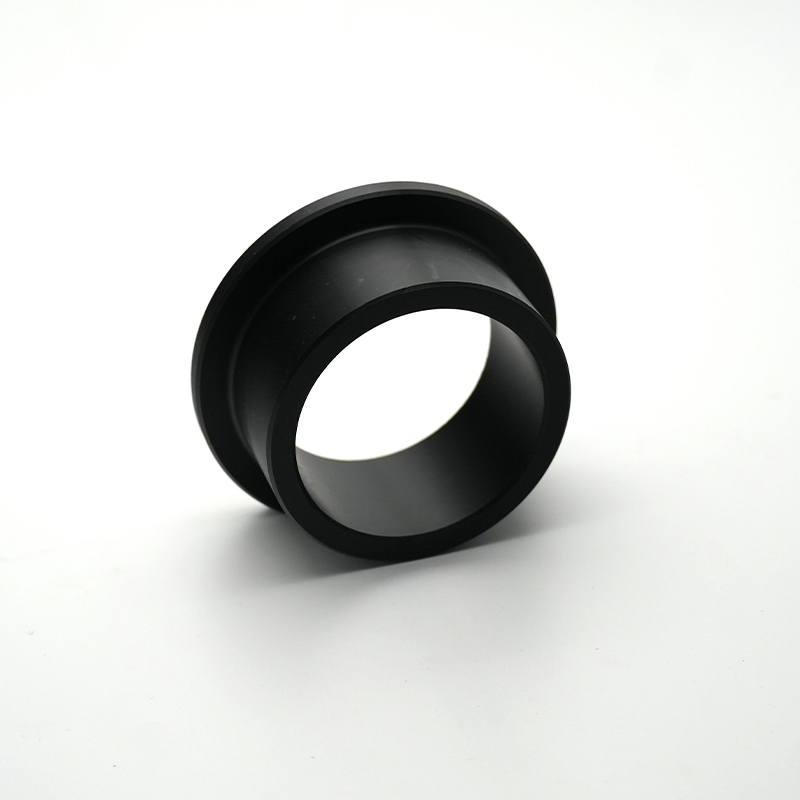
Design Tips for Integrating PE Plastic Bushes in Machines
Why choose PE Plastic Bushes (plastic bushing) for your equipment?
Bost PE Plastic Bushes offer superior wear-resistant shaft protection and friction-reducing adaptation for enhanced machinery performance. Engineered for durability, these bushes minimize wear and extend equipment life, ensuring reliable and efficient operation in demanding industrial applications. Choosing a PE plastic bushing is often the best option where low friction, impact resistance, and corrosion resistance are required—especially in environments where lubrication is difficult or contamination must be minimized.
Understand the operating conditions before design
Any successful integration of a plastic bushing starts with a clear specification of operating conditions. Map out the expected:
- Loads (static and dynamic), including direction and frequency
- Sliding speed and duty cycle (intermittent vs continuous operation)
- Temperature extremes and thermal cycling
- Environmental factors: moisture, chemicals, dust, corrosives
- Contamination risk and cleanliness constraints
These inputs determine whether PE Plastic Bushes are suitable and what size, wall thickness and potential reinforcement or backing are needed. For example, PE plastics deliver excellent wear resistance under moderate loads and are naturally corrosion-resistant, but their mechanical properties change with temperature—so account for thermal expansion and potential softening at elevated temperatures.
Sizing and load distribution: design for support and life
Design tips for sizing a plastic bushing focus on distributing load and avoiding localized overstress:
- Prefer larger contact length-to-diameter ratios to reduce contact pressure—longer bearings reduce surface pressure and improve life.
- Use bushings with adequate wall thickness or a metal backing to control deflection under load; thin-walled plastic sleeves can deform under high radial loads.
- Where dynamic loads or shock are present, consider impact-resistant PE grades (e.g., UHMWPE variants) or composite constructions to absorb transient forces.
Where possible calculate contact pressure (P = radial load / projected area) and check against supplier-provided allowable pressure for continuous and intermittent service. If design-life estimates are required, use supplier PV (pressure × velocity) curves to ensure your application falls within safe operating limits.
Shaft material, hardness and surface finish recommendations for plastic bushing
The shaft interacts directly with the plastic bushing—optimizing shaft properties is often the most effective way to extend bushing service life:
- Shaft surface finish: a smooth, polished shaft reduces abrasive wear on the plastic. Target a fine finish and eliminate seams, ridges or machining marks that can act as abrasive edges.
- Hardness and coating: using a hardened or plated shaft (e.g., through-hardened, nitrided or chrome-plated) reduces the risk of shaft wear and prevents embedding of debris into the plastic surface. Hard shafts also reduce the chance of micro-welding or adhesion under certain conditions.
- Roundness and straightness: keep shaft runout and eccentricity within tight tolerances to avoid edge loading, which accelerates plastic wear.
Work with your supplier to determine optimal shaft tolerances for the chosen PE plastic bushing. In many cases, a slightly softer or compliant plastic can compensate for small misalignments, but better shaft quality always improves overall life and performance.
Tolerance, fit and mounting approach for reliable operation
Correct tolerancing prevents movement and ensures load is carried uniformly:
- Interference vs clearance fit: most press-fit mounted plastic bushings are installed into housings with an interference fit on the outer diameter so they remain stationary while the shaft moves. For removable sleeves or serviceable assemblies, a light press or a retention feature (snap ring, flange) may be used instead.
- Thermal expansion: plastics generally have higher thermal expansion coefficients than metals. Design the housing bore and retention system to accommodate radial expansion; otherwise elevated temperatures can cause excessive radial pressure and deformation.
- Assembly: avoid tools that crush or overstress the plastic during press-fit operations. Use even pressing and support tooling to avoid tilting or localized damage.
When specifying tolerances, consult the bushing manufacturer’s recommended housing bore and interference values—these are often validated for the specific PE compound and sleeve geometry.
Lubrication strategy: self-lubricating benefits and when to add lubricant
PE Plastic Bushes are advantageous because many PE grades provide a low coefficient of friction and can be effectively self-lubricating in dry environments. Design choices:
- Dry running: acceptable in many applications, reduces contamination risk and maintenance; best when speeds and loads are moderate and PV limits are respected.
- Periodic lubrication: in heavy-duty or high-speed applications, adding grease or oil can further reduce wear and heat build-up. Ensure the chosen lubricant is compatible with PE (some aggressive solvents or additives may degrade polymers).
- Lubrication reservoirs or grooves: design bushings with lubrication grooves or holes if continuous lubrication is envisaged—this enables lubricant distribution and prolongs service life.
Always verify lubricant compatibility with the particular PE grade used in your Bost PE Plastic Bushes.
Thermal management and environmental considerations
Plastics are more sensitive to temperature than metals. Design to manage temperature rise due to friction and ambient conditions:
- Allow for thermal expansion in the housing and select materials that tolerate the expected temperature range.
- If the application generates heat (high speeds or heavy loads), incorporate cooling pathways or consider metal-backed designs to help dissipate heat.
- Chemical exposure: PE has good chemical resistance to many solvents and water, but verify resistance against your specific media (e.g., strong acids, chlorinated solvents).
Maintenance planning and inspection intervals
Design for maintainability to maximize uptime and predictability:
- Establish inspection intervals based on the duty cycle and monitored wear rates. Visual checks and clearance measurements are often sufficient.
- Design assemblies for easy bushing replacement—use removable sleeves or flanges where possible to reduce downtime.
- Record operating parameters (temperature, speed, loads) and correlate with bushing wear to refine service intervals and possible design changes.
Comparing PE Plastic Bushes with alternative bearing materials
Choosing the right bearing material requires weighing trade-offs between friction, wear, need for lubrication, temperature capability and cost. The table below summarizes typical attributes of PE plastic bushes vs bronze and PTFE-lined bushings. These comparisons are indicative; always verify against specific material datasheets and supplier test data.
| Property | PE Plastic Bushes (e.g., UHMWPE) | Bronze Bushings | PTFE-lined Bushings |
|---|---|---|---|
| Wear Resistance | High under moderate loads; excellent abrasion resistance | High under heavy loads; good long-term durability | Good; depends on backing and PTFE thickness |
| Friction (dry) | Low–Medium (self-lubricating) | Medium–High without lubrication | Low (excellent sliding properties) |
| Lubrication | Often dry or minimal lubrication | Usually requires lubrication | Often dry-running due to PTFE liner |
| Temperature Range (typical) | Approx. -40°C to +80°C (depends on grade) | -200°C to +300°C (metal dependent) | -200°C to +200°C (PTFE limited by backing) |
| Corrosion Resistance | Excellent | Moderate (may corrode if unprotected) | Good (liner protects backing) |
| Cost | Competitive for low-to-moderate loads | Often higher material cost; long life under heavy load may justify cost | Moderate to high depending on construction |
Sources: PlasticsEurope (PE temperature data), MatWeb (UHMWPE properties), SKF plain bearing guides. See Sources section for links.
Design checklist before production
Use this short checklist to validate your design:
- Document loads, speeds, temperatures and duty cycle.
- Select the PE grade (e.g., UHMWPE) suitable for wear and impact resistance.
- Verify shaft finish, hardness and roundness; eliminate seams or ridges.
- Decide on press-fit or removable design and account for thermal expansion.
- Check PV limits with supplier data and consider lubrication if near limits.
- Include service and replacement access in assembly design.
Brand advantages: Why choose Bost PE Plastic Bushes?
Bost PE Plastic Bushes combine application-driven engineering and manufacturing quality to deliver dependable performance in industrial environments:
- Wear-resistant compounds: Bost selects PE formulations optimized for abrasion resistance and low friction—helping protect shafts and reduce downtime.
- Engineered geometry: sleeves and flanged designs that promote uniform load distribution and simplified installation.
- Range of options: plain sleeves, flanged bushings, and composite designs for increased load capacity or thermal management.
- Service support: engineering guidance for tolerance recommendations, PV checks and installation best practices to ensure correct integration in your machine.
In short, Bost PE Plastic Bushes are designed to minimize wear, reduce frictional losses, and extend equipment life while simplifying maintenance in demanding industrial applications.
Practical integration examples
Example 1 — Packaging machine cam follower: replacing metal rollers with Bost PE Plastic Bushes reduced lubrication frequency and lowered noise levels while maintaining throughput.
Example 2 — Food processing conveyor: corrosion-resistant PE bushings eliminated the need for anti-corrosive coatings and permitted safe operation in wet, cleaning-intensive environments.
Frequently Asked Questions (FAQ)
Q1: Can PE Plastic Bushes operate without lubrication?
A1: Yes—many PE grades are suitable for dry running. However, for high-speed or high-load applications, periodic lubrication can extend life. Always check supplier PV limits.
Q2: How do I choose the right PE grade?
A2: Choose based on wear resistance, impact strength and temperature requirements. UHMWPE variants are common for high-wear, impact-prone environments. Consult material datasheets and Bost technical support for application matching.
Q3: What shaft finish is recommended for plastic bushings?
A3: A smooth, polished shaft without ridges improves life. Minimize machining marks and ensure good roundness. Exact Ra targets depend on application—discuss with your supplier for specifics.
Q4: Can plastic bushings replace bronze in heavy-load applications?
A4: PE plastic bushings perform exceptionally in many applications, but for sustained heavy loads at high temperatures, metal bushings like bronze may be preferable. Evaluate based on load, speed, temperature and desired maintenance regime.
Q5: How often should I inspect PE Plastic Bushes?
A5: Inspection frequency depends on duty cycle. For continuous heavy use, consider scheduled inspections during preventive maintenance intervals; for lighter duty, periodic visual checks may suffice. Track wear trends to optimize intervals.
Contact us / View product
When designing with PE plastic bushes, considering their load and wear characteristics is critical. Our performance guide offers insights into how these bushes perform under various stress conditions, helping you choose the right ones for your needs.If you’re ready to evaluate PE Plastic Bushes for your machinery, contact Bost technical sales for application support, samples, and tolerance recommendations. View our product range and request a quote to get started—engineered solutions and installation guidance are available to ensure optimal integration.
Sources
- PlasticsEurope — Polyethylene (PE) fact sheets and typical properties: https://www.plasticseurope.org
- MatWeb — UHMWPE (Ultra-High Molecular Weight Polyethylene) material properties and friction data: https://www.matweb.com
- SKF — Plain bearings and design guidelines for polymer bearings: https://www.skf.com
Tags
Precision-Fit Cover Plate
Precision-Fit Cover Plate
custom injection molding manufacturer
custom injection molding manufacturer
Electronic equipment protection ABS cover
Electronic equipment protection ABS cover
custom overmolding
custom overmolding
Tough & Tight-Bonded Components
Tough & Tight-Bonded Components
Easy-Molding Adaptation
Easy-Molding Adaptation
Recommended for you
Selecting Surface Finish and Coating for Black POM Spacers
Selecting Engineered Plastic Components for High-Volume Production
RoHS and REACH Compliance for Plastic Connectors
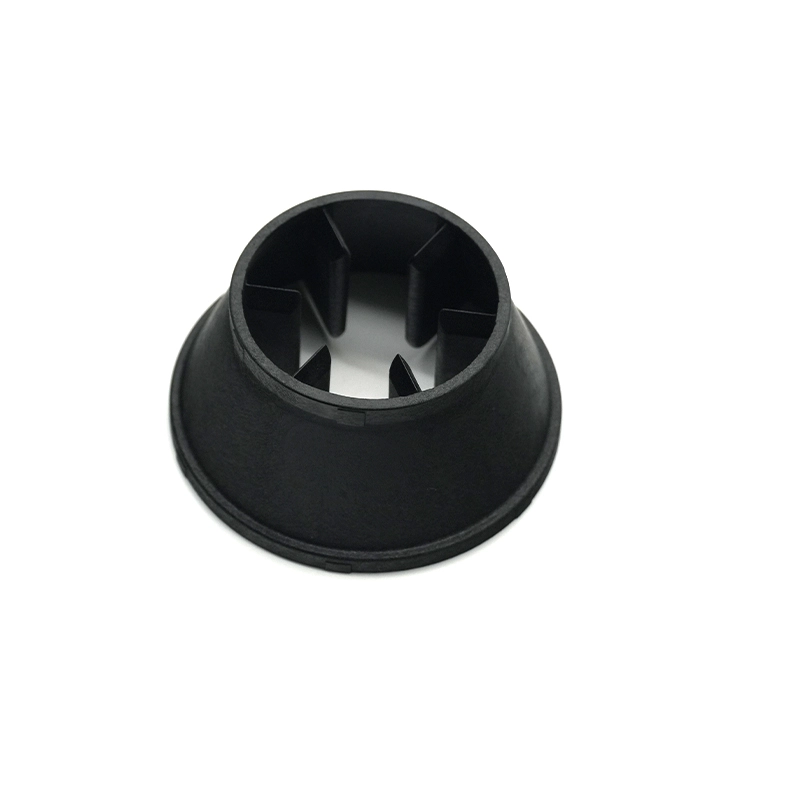
Best materials for durable engineered plastic components
Prdoucts Categories
Question you may concern
FAQs
Can Bost customize modified plastics with special properties?
Yes! We offer modification services such as reinforcement, flame retardancy, conductivity, wear resistance, and UV resistance, for example:
• Adding carbon fiber to enhance stiffness
• Reducing the coefficient of friction through PTFE modification
• Customizing food-grade or medical-grade certified materials
What is the delivery lead time? Do you offer global logistics?
Standard products: 5–15 working days; custom modifications: 2–4 weeks. We support global air/sea freight and provide export customs clearance documents (including REACH/UL certifications).
What is the minimum order quantity (MOQ)? Do you support small-batch trial production?
The MOQ for standard products is ≥100kg. We support small-batch trial production (as low as 20kg) and provide mold testing reports and performance data feedback.
How do I select the appropriate engineering plastic grade for my product?
Selection should be based on parameters such as load conditions (e.g., pressure/friction), temperature range, medium contact (e.g., oil/acid), and regulatory requirements (e.g., FDA/RoHS). Our engineers can provide free material selection consulting and sample testing.
What are the core advantages of Bost engineering plastics compared to ordinary plastics?
Bost engineering plastics feature ultra-high mechanical strength, high-temperature resistance (-50°C to 300°C), chemical corrosion resistance, and wear resistance. Compared to ordinary plastics, their service life is extended by 3 to 8 times, making them suitable for replacing metals in harsh environments.
You may also like
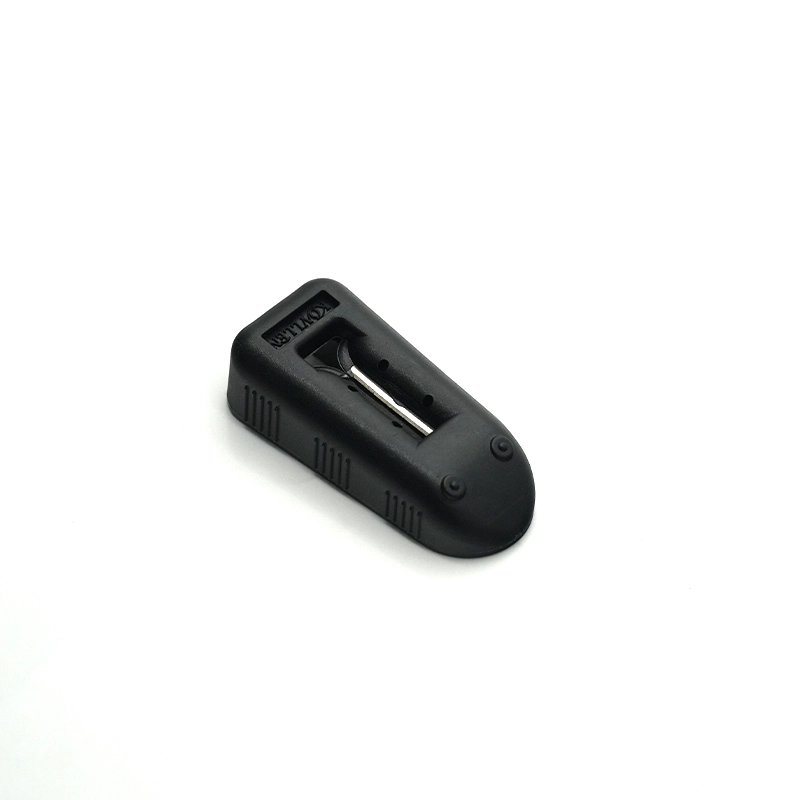
The plastic plug manufactured by Insert molding with stainless steel plate
Bost’s Insert-Molded Stainless Steel Plate Plastic Plug offers superior durability and corrosion resistance. This stainless steel insert durable plastic plug ensures a secure fit and long-lasting performance, ideal for industrial and commercial applications. Robust design meets quality standards.
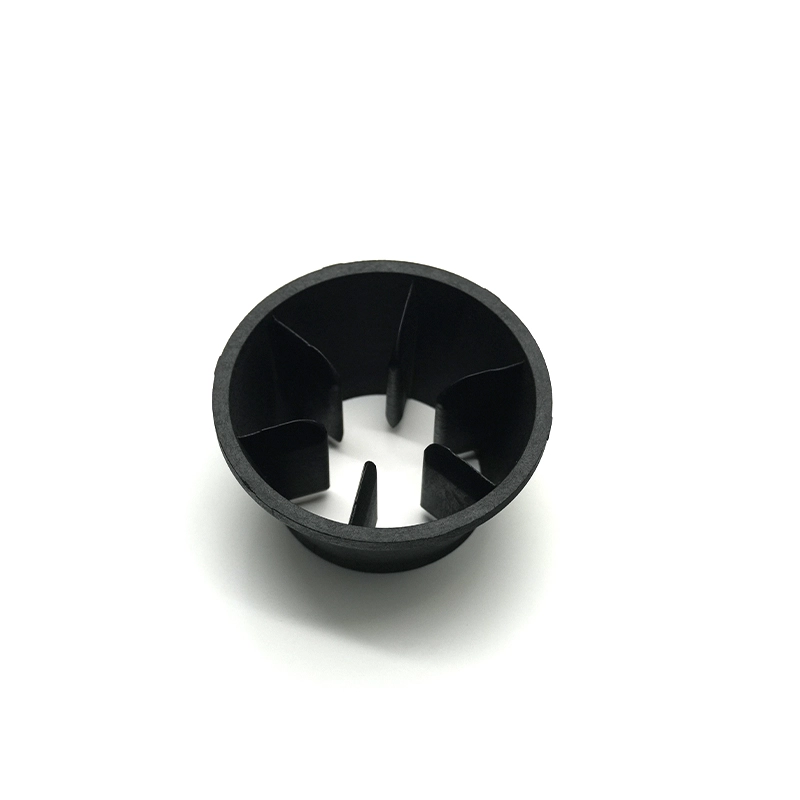
The Bost custom PPO flow valve by injection molding
The BOST Custom PPO Injection-Molded Flow Valve delivers high-temp and corrosion-resistant performance for industrial flow control. Precision-engineered by Bost, this custom PPO valve ensures durable, reliable operation in demanding environments. Optimize your process with BOST’s advanced injection-molded solution.
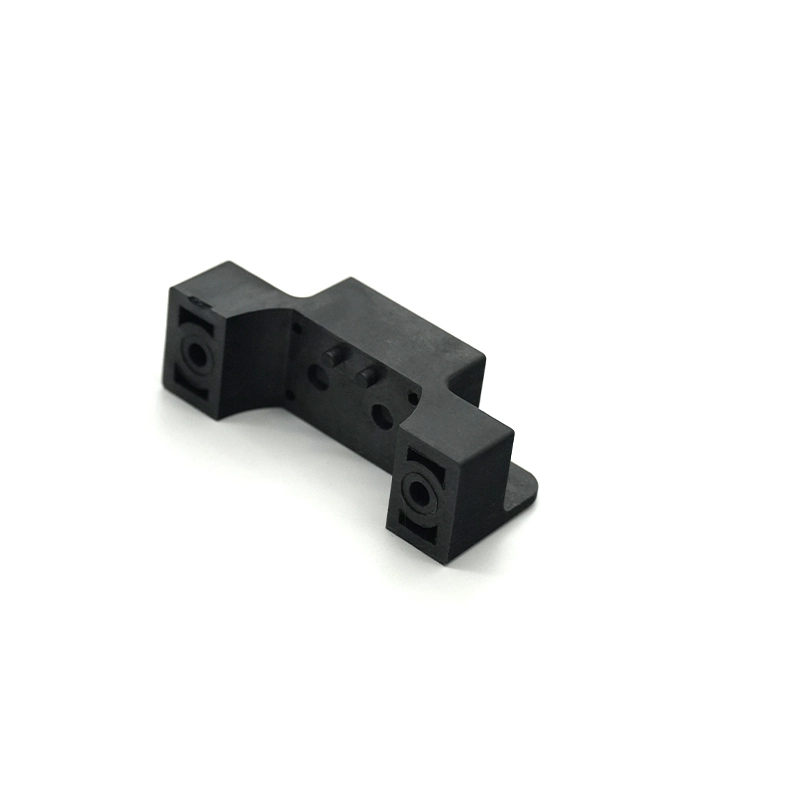
The Bost custom plastic handle by injection molding with high performance PPS material
BOST Custom PPS Injection-Molded Wear-Resistant Handle delivers superior durability and high performance. Made from High Quality PPS material, this injection-molded handle ensures exceptional wear resistance, ideal for demanding applications and long-lasting use. Choose BOST for quality and reliability.
The Bost custom flow meter by injection molding with PES plastic
The Bost Custom PES Injection-Molded Flow Meter offers high-temperature and corrosion resistance, ideal for industrial use. Made with durable PES plastic via precision injection molding, this flow meter ensures reliable, customized performance for demanding applications. Trust Bost for quality and innovation.
Get in touch with Bost
Have any questions or concerns about our products? Please leave us a message here, and our team will get back to you promptly.

24 hours quotes delivered
Submit CAD files, get quote in 24 hours

No MOQ required
From prototyping to high-volume

±0.02 mm Precision
Advanced CNC with full inspections

1,000+ tons in stock
26 materials ready to ship
© 2026 BOST. All Rights Reserved.