
 Scan QR Code
Send My Request
Design Considerations: Sealing Performance of NBR Buna-Rubber Rings
Friday, 01/9/2026
This in-depth guide explains design considerations that affect the sealing performance of NBR (Buna) rubber rings for oil and fluid applications. It covers material properties, geometric design, groove tolerances, hardness, compression set, dynamic vs static sealing, common failure modes, testing standards, selection comparisons with other elastomers, and practical guidelines for choosing and installing Oil resistance NBR Buna-rubber seal ring solutions such as the Bost Oil Resistance NBR Buna-Rubber Seal Ring.
- Design Considerations: Sealing Performance of NBR Buna-Rubber Rings
- Overview of rubber seal materials and why choose NBR for oil resistance
- Product focus: Oil resistance NBR Buna-rubber seal ring
- Key material properties affecting sealing performance of NBR rubber seal
- Static vs dynamic rubber seal design using NBR Buna-rubber rings
- Geometric design: cross-section, squeeze and gland dimensions for NBR rings
- Hardness selection and trade-offs for oil-resistant NBR rubber seal rings
- Chemical compatibility and fluid testing for NBR Buna-rubber seals
- Temperature effects and thermal aging of NBR rubber seal rings
- Extrusion control and use of backup rings for high-pressure oil seals
- Surface finish, eccentricity and installation practices for long-term sealing
- Testing and qualification: standards and performance verification
- Common failure modes of NBR Buna-rubber seal rings and mitigation
- Design checklist for specifying an Oil resistance NBR Buna-rubber seal ring
- Comparative table: selecting elastomer for oil-sealing applications
- Brand advantages: Why choose Bost Oil Resistance NBR Buna-Rubber Seal Ring
- Maintenance, inspection and lifecycle optimization of NBR seal rings
- Conclusion and practical guidance for engineers specifying rubber seals
- FAQ — Frequently Asked Questions about NBR Buna-Rubber Rings and rubber seal design
- Contact and product information
- Authoritative references and further reading
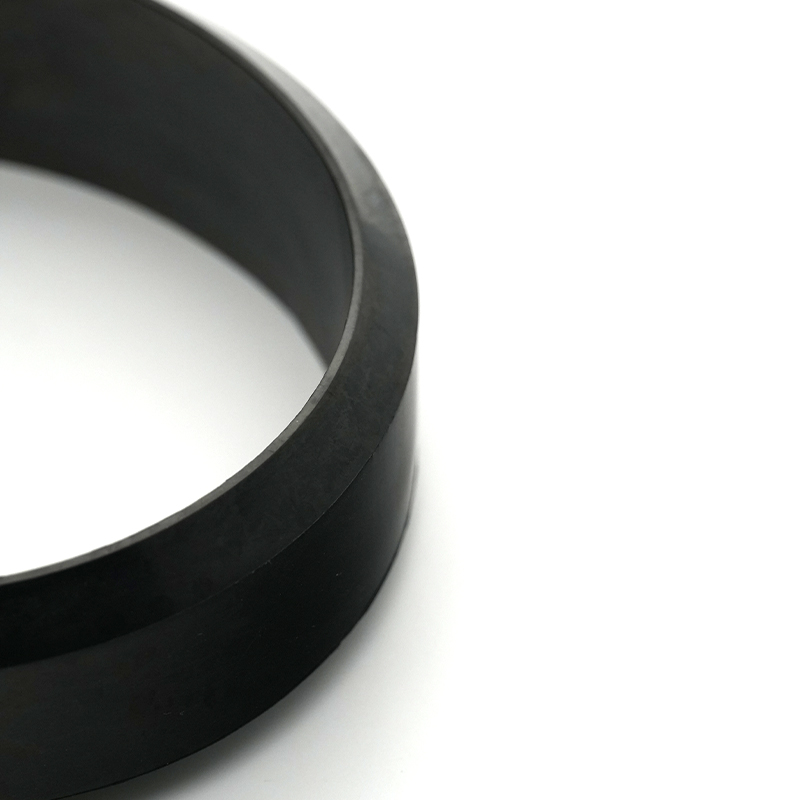
Design Considerations: Sealing Performance of NBR Buna-Rubber Rings
Overview of rubber seal materials and why choose NBR for oil resistance
Nitrile butadiene rubber (NBR, commonly called Buna-N or simply Buna) is a widely used elastomer for rubber seal applications where oil resistance, abrasion resistance, and reasonable temperature performance are required. For designers and specifiers looking to ensure reliable sealing in hydraulic systems, gearboxes, pumps and many industrial environments, understanding NBR’s strengths and limitations is essential. The Oil resistance NBR Buna-rubber seal ring is specifically formulated to resist petroleum-based oils and many hydraulic fluids while maintaining elastic recovery and sealing force under compression. Even with optimized design, buyers must remain vigilant about supply chain risks and compliance for industrial rubber seal rings, especially in regulated or export-driven markets.
Product focus: Oil resistance NBR Buna-rubber seal ring
Bost Oil Resistance NBR Buna-Rubber Seal Ring offers superior oil-resistant NBR sealing, ensuring reliable, leak-proof performance in demanding environments. Ideal for industrial applications, this durable seal guarantees long-lasting protection against oil and fluids. Choose Bost for trusted NBR oil-resistant leak-proof solutions. In design documentation it’s important to reference the specific product datasheet for hardness, compression set, and fluid compatibility to match application conditions precisely.
Key material properties affecting sealing performance of NBR rubber seal
When designing rubber seals using NBR, some intrinsic material properties directly influence performance:
- Oil compatibility: NBR has excellent resistance to petroleum oils, greases and many hydraulic fluids.
- Temperature range: Typical continuous service from -30°C to +100°C; special NBR blends can extend this range slightly.
- Hardness (Shore A): Common seal hardnesses are in 60–90 Shore A; hardness affects initial contact stress and wear.
- Compression set: Low compression set improves long-term sealing by preserving contact force under static loads.
- Abrasion and tear resistance: Important for dynamic seals that slide or rotate.
Designers must balance these properties—hardness for extrusion resistance vs compression set for sealing longevity—when specifying a rubber seal.
Static vs dynamic rubber seal design using NBR Buna-rubber rings
Design needs differ for static seals (e.g., flange seals, O-rings under constant compression) and dynamic seals (e.g., rod seals, piston seals). For static rubber seal applications, focus on achieving appropriate squeeze and low compression set to maintain a leak-proof interface over time. For dynamic applications, consider friction, wear, and heat generation—NBR performs well for moderate-speed reciprocating or rotary motion but may wear faster than more expensive fluoroelastomers (FKM) under severe dynamic conditions.
Geometric design: cross-section, squeeze and gland dimensions for NBR rings
Correct cross-section and gland design ensure reliable sealing. For O-rings and round-section Buna-rubber rings, typical design steps include:
- Determine cross-section size (e.g., 1.78 mm, 2.62 mm, 3.53 mm) based on groove dimensions and pressure.
- Select squeeze: for static oil seals, 10–30% radial squeeze is common; for dynamic seals, 15–25% optimized for friction and leakage.
- Specify gland depth and width to prevent extrusion—use backup rings or increase hardness to resist extrusion under high pressure.
- Control surface finish and roundness of mating parts (typically Ra ≤ 0.8 µm for many dynamic seals).
Reference standards such as ISO 3601 (O-rings) and ASTM D2000 can guide specific dimensions and tolerances.
Hardness selection and trade-offs for oil-resistant NBR rubber seal rings
Hardness (Shore A) is a pivotal parameter. Harder compounds (70–90 Shore A) resist extrusion and provide higher pressure capability, while softer compounds (60–70 Shore A) yield better conformity and lower leakage in low-pressure static seals. Compression set typically increases with higher temperature and more aggressive fluids; hence a mid-range hardness (70±5 Shore A) often provides a good compromise for many oil-sealing applications when using Bost Oil Resistance NBR Buna-Rubber Seal Ring.
Chemical compatibility and fluid testing for NBR Buna-rubber seals
Although NBR is excellent with hydrocarbon-based oils, it is not compatible with many polar solvents, ketones, and some brake fluids. Always consult material compatibility charts and conduct fluid swell and hardness change tests (ASTM D471) using the exact fluid chemistry and operating temperature. The table below summarizes common elastomer comparisons for oil resistance:
| Property | NBR (Buna) | FKM (Viton) | EPDM | Silicone |
|---|---|---|---|---|
| Oil resistance | Excellent | Excellent (superior at high temp) | Poor | Poor |
| Max continuous temp | ~100°C | ~200°C | ~150°C | ~200°C (compression limits) |
| Good for hydraulic fluids | Yes | Yes | No | No |
| Cost | Low–moderate | High | Moderate | High |
Temperature effects and thermal aging of NBR rubber seal rings
Operating temperature is one of the most common causes of performance loss. Extended exposure above NBR’s upper temperature limit accelerates thermal degradation, hardening, and increased compression set. For intermittent high temperatures or hot oil, consider testing at maximum expected conditions and allow safety margins. If continuous operation approaches 120°C, evaluate alternative elastomers such as FKM or specialized high-temp NBR blends.
Extrusion control and use of backup rings for high-pressure oil seals
At elevated pressures, soft elastomers can extrude into clearance gaps, causing quick failure. Design strategies to prevent extrusion include:
- Specifying higher hardness NBR compounds.
- Reducing gland clearance and ensuring tight machining tolerances.
- Adding anti-extrusion backup rings made from PTFE or harder elastomers.
These measures are especially relevant for hydraulic piston and rod seals where pressures frequently exceed 10–20 MPa.
Surface finish, eccentricity and installation practices for long-term sealing
Surface finish and part concentricity directly affect leakage and wear. Recommendations include:
- Surface finish Ra ≤ 0.8 µm for dynamic sealing surfaces; ≤ 1.6 µm may be acceptable for static seals.
- Minimize shaft run-out and eccentricity to reduce cyclic stress and wear on the seal.
- Use lubrication during installation to avoid nicking or rolling the ring, and ensure the ring is not twisted in the groove.
Testing and qualification: standards and performance verification
Designers should verify sealing performance with relevant tests: compression set (ASTM D395), accelerated aging (ASTM D471 for fluid exposure), hardness change (ASTM D2240), and leak testing under pressure and temperature cycling. Industry standards to reference include ISO 3601 for O-ring dimensions and tolerances, and ASTM D2000 for elastomer classification. For more rigorous systems, perform full-cycle life testing under representative loads and fluids.
Common failure modes of NBR Buna-rubber seal rings and mitigation
Typical failures and mitigation strategies:
- Compression set leading to leakage — choose low-compression-set compounds and reduce sustained high temperatures.
- Extrusion/torn lip — use backup rings and raise hardness or reduce clearance.
- Abrasion/wear in dynamic seals — improve surface finish, consider PTFE-filled NBR blends or lubricants.
- Chemical attack / swell — verify compatibility and consider alternate elastomers where necessary.
Design checklist for specifying an Oil resistance NBR Buna-rubber seal ring
Practical checklist when specifying or replacing a rubber seal:
- Confirm fluid chemistry and temperature range.
- Choose NBR grade and hardness appropriate to pressure and extrusion risk.
- Specify correct cross-section and gland dimensions with proper squeeze.
- Define surface finish and concentricity tolerances for mating parts.
- Plan for backup rings if pressure or clearance demands it.
- Request material test data: compression set, hardness, fluid swell (ASTM D471).
- Build prototype tests replicating operating cycles and measure leakage and wear.
Comparative table: selecting elastomer for oil-sealing applications
| Selection factor | NBR (Buna) | FKM (Viton) | EPDM |
|---|---|---|---|
| Best for petroleum oils | Yes (cost-effective) | Yes (high-temp) | No |
| Typical cost | Low–moderate | High | Moderate |
| Max recommended temp | ~100°C | ~200°C | ~150°C |
| Use case | Hydraulics, gearboxes, pumps | High-temperature engines, aggressive oils | Steam, water, brake fluids |
Brand advantages: Why choose Bost Oil Resistance NBR Buna-Rubber Seal Ring
Bost’s Oil Resistance NBR Buna-Rubber Seal Ring is engineered for consistent oil resistance and long service life. Key brand advantages include:
- Optimized NBR formulation tailored for petroleum-based fluids and typical hydraulic oils.
- Controlled hardness and compression set performance backed by material test data.
- Manufacturing tolerances and quality control for consistent dimensions and surface finish.
- Availability in common cross-sections and custom sizes for retrofit or OEM designs.
- Technical support for selection, gland design, and installation best practices.
These attributes make the Bost Oil Resistance NBR Buna-Rubber Seal Ring an effective choice for many industrial sealing needs where oil compatibility and cost-efficiency matter.
Maintenance, inspection and lifecycle optimization of NBR seal rings
To maximize service life, inspect seals periodically for signs of hardening, cracks, extrusion, and wear. Replace before catastrophic failure—regularly scheduled maintenance based on hours of operation and operating conditions reduces unplanned downtime. Store NBR seals in cool, dark, and dry conditions away from ozone and direct sunlight to reduce premature aging.
Conclusion and practical guidance for engineers specifying rubber seals
When the application involves oil or petroleum-based fluids, NBR (Buna) rubber seals are often the most cost-effective and practical choice. Successful sealing requires attention to material selection, hardness, gland geometry, surface finish, and appropriate testing under real operating conditions. Use the Bost Oil Resistance NBR Buna-Rubber Seal Ring where oil compatibility and proven performance are priorities, and always validate with fluid immersion and life-cycle testing before full-scale deployment.
FAQ — Frequently Asked Questions about NBR Buna-Rubber Rings and rubber seal design
Q1: Is NBR suitable for all hydraulic fluids?
A1: NBR is compatible with most petroleum-based hydraulic oils and greases but can be attacked by some phosphate esters, ketones, and strong polar solvents. Always confirm with compatibility testing (ASTM D471) using the exact fluid.
Q2: What hardness should I choose for an oil-resistant NBR rubber seal?
A2: For general-purpose oil seals, 70 Shore A is common. If extrusion risk is high, choose a harder compound (75–90 Shore A) or use backup rings.
Q3: How much squeeze is recommended for static NBR seals?
A3: Aim for 10–30% radial squeeze for static O-ring-style applications. Dynamic seals commonly use 15–25% optimized for friction.
Q4: Can NBR handle high-temperature intermittent spikes?
A4: Short-term spikes above 100°C may be tolerated, but prolonged exposure will accelerate aging. For frequent high temperatures, consider FKM.
Q5: What tests should be requested from a supplier?
A5: Request compression set (ASTM D395), fluid swell (ASTM D471), hardness (ASTM D2240), and a material datasheet with recommended storage and temperature limits.
Contact and product information
If you need help selecting the right rubber seal for your application or want to view product specifications for Bost Oil Resistance NBR Buna-Rubber Seal Ring, contact our technical sales team or visit the product page. For immediate assistance, contact customer service or request a technical datasheet and sample to validate in your application.
Authoritative references and further reading
- ISO 3601 O-rings — https://www.iso.org/standard/52972.
- ASTM D2000 Standard Classification System for Rubber Products — https://www.astm.org/Standards/D2000.htm
- Nitrile rubber (NBR) — Wikipedia: https://en.wikipedia.org/wiki/Nitrile_butadiene_rubber
- Parker O-Ring Handbook (engineering guidance): https://www.parker.com/Literature/Seals%20Division%20Literature/Engineering%20Handbook/O-Ring%20Handbook.pdf
- ASTM D471 Standard Test Methods for Rubber Property—Effect of Liquids: https://www.astm.org/Standards/D471.htm
Tags
Nylon material rod
Nylon material rod
custom plastic spur gears
custom plastic spur gears
ABS material plastic cover
ABS material plastic cover
custom worm gears
custom worm gears
High-Temperature Resistant Protection
High-Temperature Resistant Protection
insert plastic molding
insert plastic molding
Recommended for you
Custom Injection Molding Materials: Which One is Right for Your Project?
Maintenance Best Practices for Long-Lasting Plastic Bushings
Why Choose Black UV-Resistant ABS Plastic Connectors
Quality Controls for PVDF Covers with Screws in Mass Production
Prdoucts Categories
Question you may concern
FAQs
Can Bost customize modified plastics with special properties?
Yes! We offer modification services such as reinforcement, flame retardancy, conductivity, wear resistance, and UV resistance, for example:
• Adding carbon fiber to enhance stiffness
• Reducing the coefficient of friction through PTFE modification
• Customizing food-grade or medical-grade certified materials
What is the minimum order quantity (MOQ)? Do you support small-batch trial production?
The MOQ for standard products is ≥100kg. We support small-batch trial production (as low as 20kg) and provide mold testing reports and performance data feedback.
What are the core advantages of Bost engineering plastics compared to ordinary plastics?
Bost engineering plastics feature ultra-high mechanical strength, high-temperature resistance (-50°C to 300°C), chemical corrosion resistance, and wear resistance. Compared to ordinary plastics, their service life is extended by 3 to 8 times, making them suitable for replacing metals in harsh environments.
How do I select the appropriate engineering plastic grade for my product?
Selection should be based on parameters such as load conditions (e.g., pressure/friction), temperature range, medium contact (e.g., oil/acid), and regulatory requirements (e.g., FDA/RoHS). Our engineers can provide free material selection consulting and sample testing.
What is the delivery lead time? Do you offer global logistics?
Standard products: 5–15 working days; custom modifications: 2–4 weeks. We support global air/sea freight and provide export customs clearance documents (including REACH/UL certifications).
You may also like
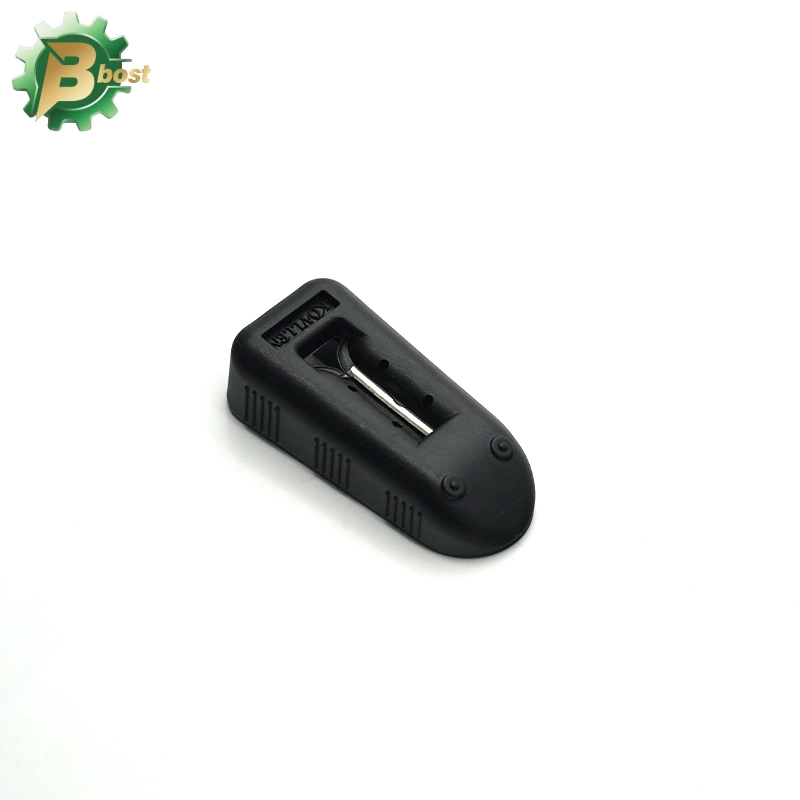
The plastic plug manufactured by Insert molding with stainless steel plate
Bost’s Insert-Molded Stainless Steel Plate Plastic Plug offers superior durability and corrosion resistance. This stainless steel insert durable plastic plug ensures a secure fit and long-lasting performance, ideal for industrial and commercial applications. Robust design meets quality standards.
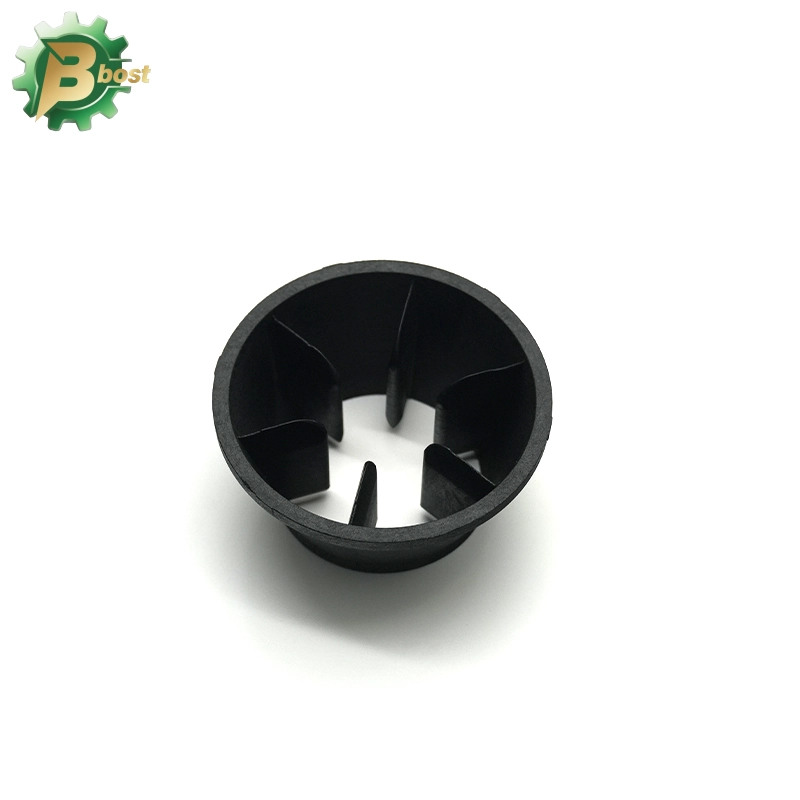
The Bost custom PPO flow valve by injection molding
The BOST Custom PPO Injection-Molded Flow Valve delivers high-temp and corrosion-resistant performance for industrial flow control. Precision-engineered by Bost, this custom PPO valve ensures durable, reliable operation in demanding environments. Optimize your process with BOST’s advanced injection-molded solution.
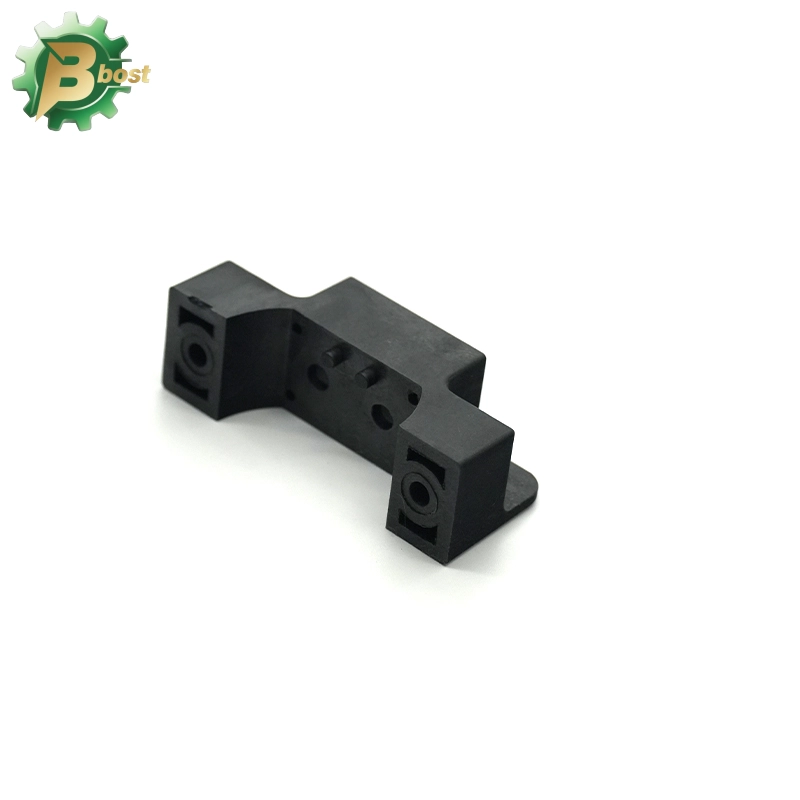
The Bost custom plastic handle by injection molding with high performance PPS material
BOST Custom PPS Injection-Molded Wear-Resistant Handle delivers superior durability and high performance. Made from High Quality PPS material, this injection-molded handle ensures exceptional wear resistance, ideal for demanding applications and long-lasting use. Choose BOST for quality and reliability.
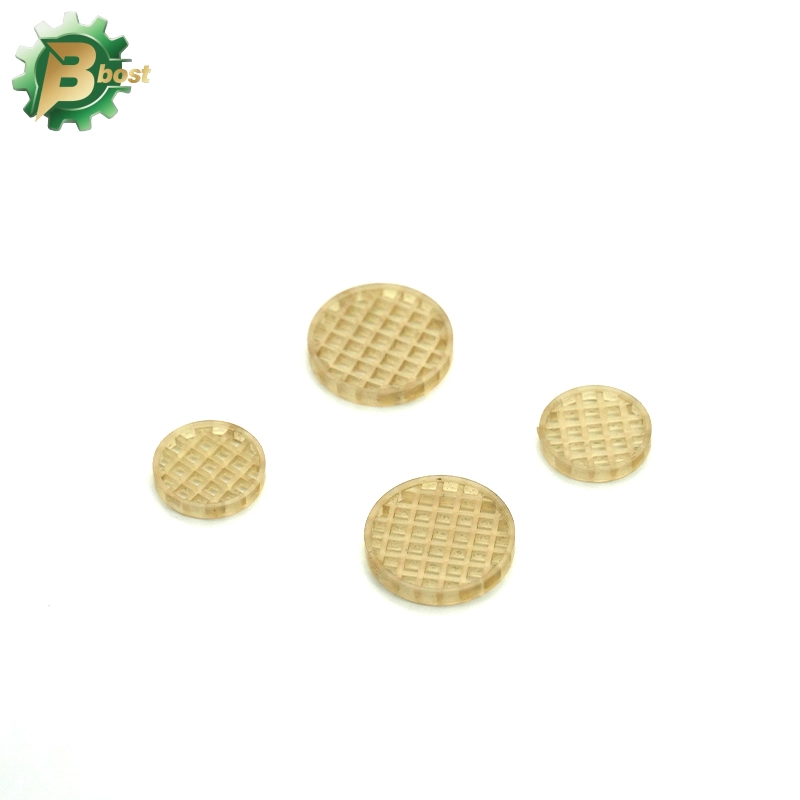
The Bost custom flow meter by injection molding with PES plastic
The Bost Custom PES Injection-Molded Flow Meter offers high-temperature and corrosion resistance, ideal for industrial use. Made with durable PES plastic via precision injection molding, this flow meter ensures reliable, customized performance for demanding applications. Trust Bost for quality and innovation.
Get in touch with Bost
Have any questions or concerns about our products? Please leave us a message here, and our team will get back to you promptly.

24 hours quotes delivered
Submit CAD files, get quote in 24 hours

No MOQ required
From prototyping to high-volume

±0.02 mm Precision
Advanced CNC with full inspections

1,000+ tons in stock
26 materials ready to ship
© 2026 BOST. All Rights Reserved.