 Scan QR Code
Send My Request
Design Considerations When Using Black UV-Resistant ABS Connectors
Thursday, 01/22/2026
This article outlines practical design, material, and installation considerations for using Black and UV-Resistant ABS plastic connectors in outdoor and harsh-environment applications. It covers UV stabilization strategies, mechanical and thermal behavior of engineering plastics, testing and standards, sealing and fastening best practices, and lifecycle/maintenance guidance to ensure durable, weatherproof installations.
- Material Fundamentals and UV Resistance
- What makes ABS suitable for outdoor connectors
- How black coloration improves UV performance
- Additional UV stabilization technologies
- Mechanical and Thermal Design Considerations
- Account for thermal expansion and dimensional stability
- Design for impact, creep and long-term loading
- Mechanical fastening and assembly best practices
- Sealing, Drainage and Weatherproofing
- Designing for ingress protection (IP) ratings
- Preventing water accumulation and promoting drainage
- Chemical exposure and surface treatments
- Testing, Standards and Qualification
- Weathering and UV testing protocols
- Flammability, RoHS and regulatory compliance
- Qualification strategy for production parts
- Comparative Performance and Material Selection
- When to choose Black UV-resistant ABS vs alternatives
- Quick comparison table
- Cost, manufacturability and recyclability considerations
- Brand Advantages and Why Choose Bost Connectors
- Product-specific strengths
- Engineering support and customization
- Supply chain and compliance
- Practical Design Checklist
- Before design freeze
- During prototyping
- Production and field validation
- FAQ
- Q: How long will a Black UV-Resistant ABS plastic connector last outdoors?
- Q: Is black ABS conductive because of carbon black?
- Q: Can I paint or coat the connector for additional protection?
- Q: What test reports should I request from the connector supplier?
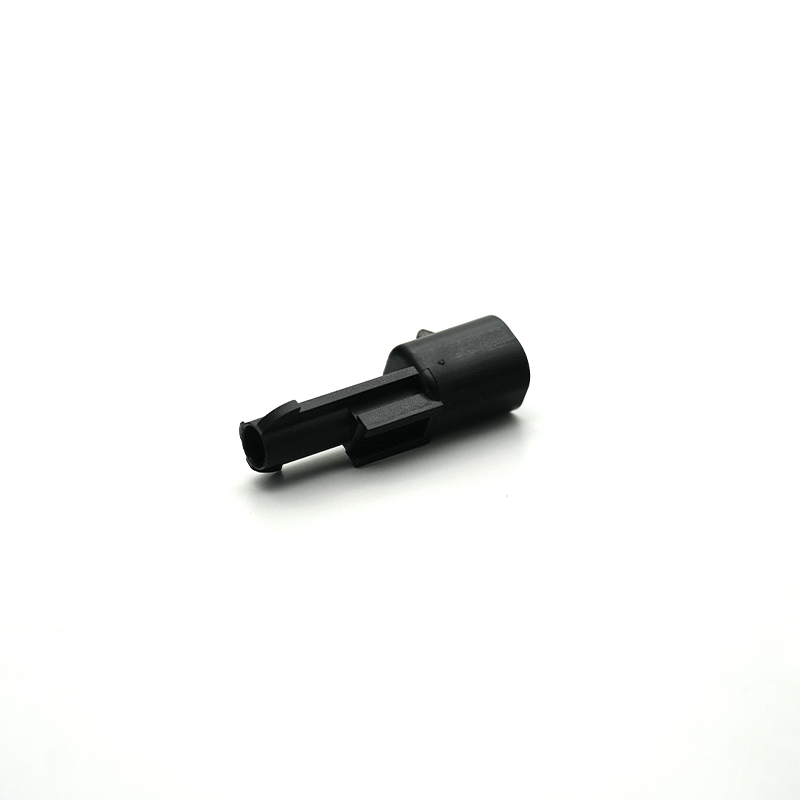
The Bost Black UV-Resistant ABS Outdoor Connector offers superior weather resistance and durability. Made from high-quality ABS plastic, this precision connector ensures reliable performance in harsh outdoor conditions, making it ideal for long-lasting, weatherproof installations. This article provides concrete design guidance for engineers, product designers and installers who specify engineering plastics for outdoor connectors, focusing on UV protection, mechanical integrity, assembly, testing and compliance to maximize service life. Even with sound design choices, incoming parts must meet expectations, underscoring the importance of a thorough quality inspection checklist for ABS plastic connectors.
Material Fundamentals and UV Resistance
What makes ABS suitable for outdoor connectors
Acrylonitrile butadiene styrene (ABS) is a common engineering plastics choice because it balances impact resistance, dimensional stability, and ease of molding. Its amorphous structure gives good surface finish and toughness at moderate temperatures. For outdoor use, standard ABS requires formulation enhancements (UV stabilizers, pigments) to withstand prolonged sunlight exposure. For background on ABS properties see the ABS entry on Wikipedia.
How black coloration improves UV performance
Black pigmentation—typically carbon black—provides excellent absorption of harmful UV radiation and heat dissipation, reducing photo-oxidative degradation compared with unpigmented ABS. Carbon black acts as both a UV absorber and a free-radical scavenger, increasing the longevity of outdoor connectors. Designers should note that the concentration and dispersion of carbon black directly affect mechanical properties, color uniformity, and electrical conductivity (if relevant).
Additional UV stabilization technologies
Beyond pigmentation, formulators add UV absorbers (e.g., benzotriazoles), HALS (hindered amine light stabilizers) and antioxidants to improve weathering. Each additive has trade-offs: UV absorbers prevent energy reaching polymer chains while HALS interrupt degradation cycles. When specifying a Black and UV resistant ABS plastic connector, request the specific stabilizer package and expected performance data (e.g., hours to failure under accelerated weathering).
Mechanical and Thermal Design Considerations
Account for thermal expansion and dimensional stability
Engineering plastics like ABS have higher coefficients of thermal expansion (CTE) than metals. Typical ABS CTE is around 80–100 x10^-6 /°C (varies by grade). When designing mating features, include tolerances and flexible engagement features (snap fits with compliant geometry or O-rings) to accommodate thermal cycling without introducing stress or leakage. Use captive fasteners or slotted mounting holes to permit movement.
Design for impact, creep and long-term loading
ABS offers good impact resistance but is susceptible to creep under sustained load, especially at elevated temperatures and in the presence of UV exposure. For load-bearing connectors, design with safety factors: increase section modulus, avoid stress concentrators (sharp corners, thin ribs), and prefer fillets and uniform wall thicknesses. Consider glass-filled engineering plastics or reinforced grades if stiffness is critical, but note fillers can reduce impact and UV resistance.
Mechanical fastening and assembly best practices
Choose stainless steel or corrosion-resistant fasteners for outdoor environments. For threaded inserts, use brass or stainless inserts designed for plastics to prevent cold flow and loosening. When using snap-fit features, validate cycles and temperature ranges; ABS snaps can relax over time—retest after UV and humidity exposure. Where repeated assembly/disassembly is expected, design for replaceable wear elements or standardized hardware.
Sealing, Drainage and Weatherproofing
Designing for ingress protection (IP) ratings
To achieve weatherproof installations, consider gasketed interfaces, molded seals, and proper mating surface finishes. IP66/IP67 performance depends not only on material but on tolerances, compression set of seals, and fastening patterns. Specify elastomers (EPDM, silicone) with demonstrated ozone and UV resistance. Validate seal compression over temperature ranges and after UV aging.
Preventing water accumulation and promoting drainage
Connector housings should avoid horizontal ledges and pockets where water can accumulate. Incorporate drainage channels and venting where appropriate (breather vents with hydrophobic membranes) to prevent pressure-driven ingress and condensation. Sloped surfaces, drip edges, and raised gasket seats improve long-term reliability.
Chemical exposure and surface treatments
Outdoor connectors may contact deicing salts, fuels, solvents or cleaning agents. ABS has limited chemical resistance to strong solvents and hydrocarbons. If exposure is likely, specify protective coatings, overmolds, or select alternative engineering plastics (e.g., UV-stabilized polycarbonate blends or PPS) with better chemical resistance. Consider surface textures and paints designed for adhesion to ABS. Refer to material compatibility charts from industry sources such as PlasticsEurope for guidance on engineering plastics behavior.
Testing, Standards and Qualification
Weathering and UV testing protocols
Accelerated weathering tests (e.g., ASTM G154, ISO 4892) simulate sunlight, temperature, and moisture to estimate outdoor performance. Request standardized test results—color change (ΔE), gloss retention, tensile and impact after exposure. Real-world field testing in representative climates complements lab tests and uncovers failure modes not captured by accelerated cycles.
Flammability, RoHS and regulatory compliance
Discuss flammability ratings (UL94) where applicable—many ABS grades can be formulated to meet V-0, V-1 or HB ratings with additives. Ensure compliance with RoHS/REACH and any regional environmental regulations; verify supplier declarations and material safety data sheets (MSDS/ SDS).
Qualification strategy for production parts
Develop a qualification plan: design validation units (DV), sample production runs, environmental chamber cycling, and long-term field trials. Track failure modes and implement design changes. Maintain traceability of resin lot, additive packages, and molding parameters to correlate field failures with material batches.
Comparative Performance and Material Selection
When to choose Black UV-resistant ABS vs alternatives
Black UV-resistant ABS is an economical and balanced choice for many outdoor connectors, offering good impact resistance and surface finish. However, in high-temperature or high-chemical environments, consider alternatives like UV-stablized polycarbonate, ASA (acrylonitrile styrene acrylate) for superior weathering, or reinforced engineering plastics for structural needs.
Quick comparison table
| Property | Black UV-Resistant ABS | UV-Stabilized Polycarbonate | ASA |
|---|---|---|---|
| UV/weathering | Good with carbon black + stabilizers | Very good (better than ABS) | Excellent (designed for outdoor use) |
| Impact resistance | High | High | Moderate |
| Chemical resistance | Moderate (sensitive to solvents) | Better than ABS | Good |
| Cost | Lower | Higher | Comparable to ABS |
Cost, manufacturability and recyclability considerations
ABS is widely processed by injection molding, offers short cycle times, and is generally cost-effective. Carbon-black pigmented grades can be recycled, but mixed pigment or additive packages can complicate downstream recycling streams. When sustainability is a priority, request supplier take-back or specify resins with recycled content and documented lifecycle analysis.
Brand Advantages and Why Choose Bost Connectors
Product-specific strengths
The Bost Black UV-Resistant ABS Outdoor Connector is formulated for extended outdoor exposure with a carbon-black pigment and optimized stabilizer package. It provides consistent dimensional accuracy, tight tolerances for weatherproof mating, and proven resistance to photo-degradation in independent weathering tests.
Engineering support and customization
Bost offers engineering consultation on wall-thickness guidelines, snap-fit optimization, seal selection and qualification testing. Custom overmolding, integrated stainless fasteners, and tailored sealing features are available for projects that require enhanced ingress protection or mechanical performance.
Supply chain and compliance
Bost maintains documentation for RoHS and REACH compliance, provides material certificates, and supports batch traceability. For applications requiring specific certifications (UL, IP), Bost can assist with testing or provide pre-tested options to accelerate product qualification.
Practical Design Checklist
Before design freeze
- Obtain exact resin specification and UV-stabilizer details from the supplier.
- Review expected environmental exposures (UV index, temperatures, chemicals).
- Select appropriate elastomer seals and fastener materials.
During prototyping
- Prototype in production-grade resin with final pigment to assess color and surface effects.
- Perform accelerated weathering, impact and compression set tests.
- Validate assembly tolerances across temperature extremes.
Production and field validation
- Implement incoming resin inspection and lot traceability.
- Run pilot field trials in representative climates.
- Monitor seal performance and surface degradation periodically.
FAQ
Q: How long will a Black UV-Resistant ABS plastic connector last outdoors?
A: Service life depends on local climate, UV intensity, temperature cycling and chemical exposures. With an optimized carbon-black pigment and stabilizer package, typical service life can extend several years to a decade in mild climates. Always review accelerated weathering data (e.g., ASTM G154) and field data for the specific grade.
Q: Is black ABS conductive because of carbon black?
A: Carbon black may impart slight electrical conductivity at higher loadings, but standard pigment concentrations used for UV protection usually do not make the part strongly conductive. If electrostatic properties are critical, request electrical resistivity data from the supplier.
Q: Can I paint or coat the connector for additional protection?
A: Yes, but surface preparation and paint selection matter. Use coatings compatible with ABS and designed for outdoor use. Note that opaque coatings can hide the black pigment’s UV advantage and may need UV-stable topcoats.
Q: What test reports should I request from the connector supplier?
A: Ask for accelerated weathering (ISO 4892 / ASTM G154), tensile and impact after aging, seal compression set data, UL94 flammability rating (if required), and regulatory declarations (RoHS, REACH). Field exposure reports are an added advantage.
If you'd like to evaluate the Bost Black UV-Resistant ABS Outdoor Connector for your next project, contact our technical sales team for datasheets, test reports and sample parts. View product details or request a quote: See product page.
References:
Tags
plastic spur gears
plastic spur gears
High-strength Nylon stick
High-strength Nylon stick
buy plastic spur gears
buy plastic spur gears
china customized plastic injection molding
china customized plastic injection molding
Nylon Insulator
Nylon Insulator
Impact-resistant leak-proof
Impact-resistant leak-proof
Recommended for you
Selecting Plastic Connectors for Weatherproof Enclosures
PE Plastic Bushes: Benefits vs Metal Bushings
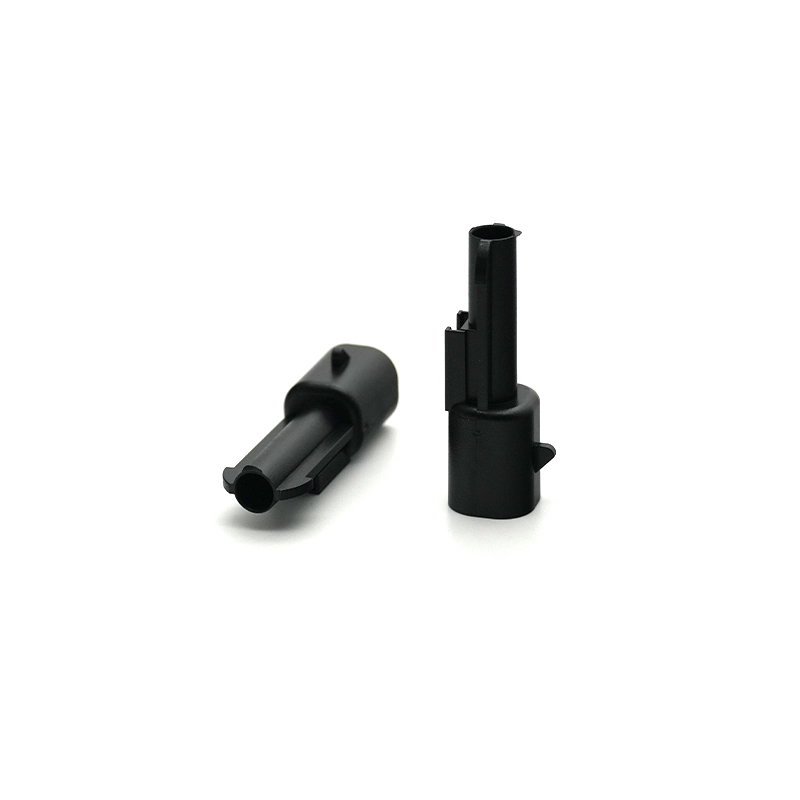
Thermal Behavior of ABS Plastic Connectors Explained
Choosing Materials for Insert Injection Molding: Practical Guide for Engineers
Prdoucts Categories
Question you may concern
FAQs
Can Bost customize modified plastics with special properties?
Yes! We offer modification services such as reinforcement, flame retardancy, conductivity, wear resistance, and UV resistance, for example:
• Adding carbon fiber to enhance stiffness
• Reducing the coefficient of friction through PTFE modification
• Customizing food-grade or medical-grade certified materials
What are the core advantages of Bost engineering plastics compared to ordinary plastics?
Bost engineering plastics feature ultra-high mechanical strength, high-temperature resistance (-50°C to 300°C), chemical corrosion resistance, and wear resistance. Compared to ordinary plastics, their service life is extended by 3 to 8 times, making them suitable for replacing metals in harsh environments.
How do I select the appropriate engineering plastic grade for my product?
Selection should be based on parameters such as load conditions (e.g., pressure/friction), temperature range, medium contact (e.g., oil/acid), and regulatory requirements (e.g., FDA/RoHS). Our engineers can provide free material selection consulting and sample testing.
What is the minimum order quantity (MOQ)? Do you support small-batch trial production?
The MOQ for standard products is ≥100kg. We support small-batch trial production (as low as 20kg) and provide mold testing reports and performance data feedback.
What is the delivery lead time? Do you offer global logistics?
Standard products: 5–15 working days; custom modifications: 2–4 weeks. We support global air/sea freight and provide export customs clearance documents (including REACH/UL certifications).
You may also like
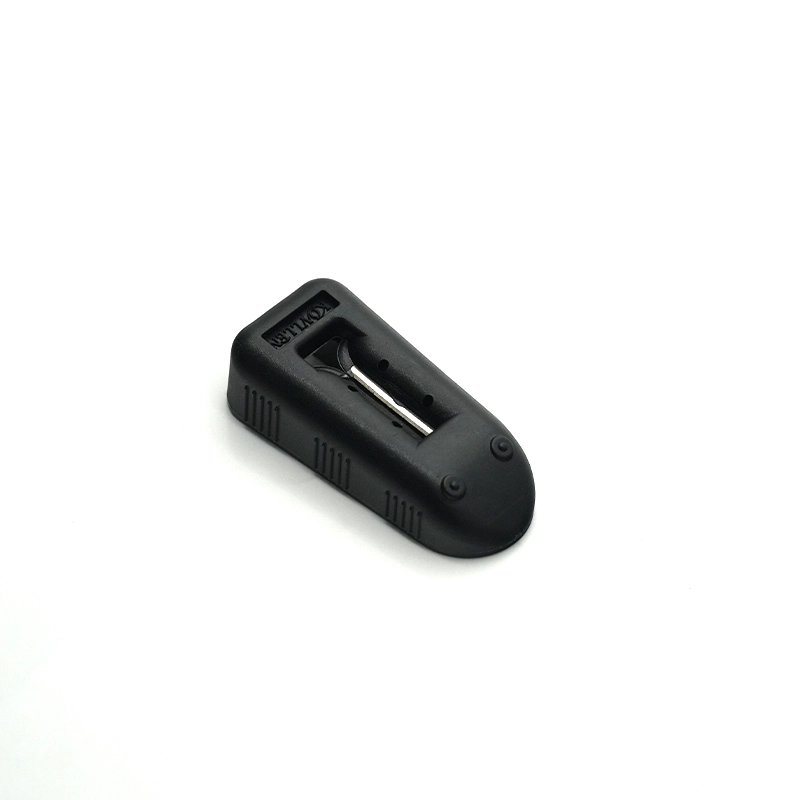
The plastic plug manufactured by Insert molding with stainless steel plate
Bost’s Insert-Molded Stainless Steel Plate Plastic Plug offers superior durability and corrosion resistance. This stainless steel insert durable plastic plug ensures a secure fit and long-lasting performance, ideal for industrial and commercial applications. Robust design meets quality standards.
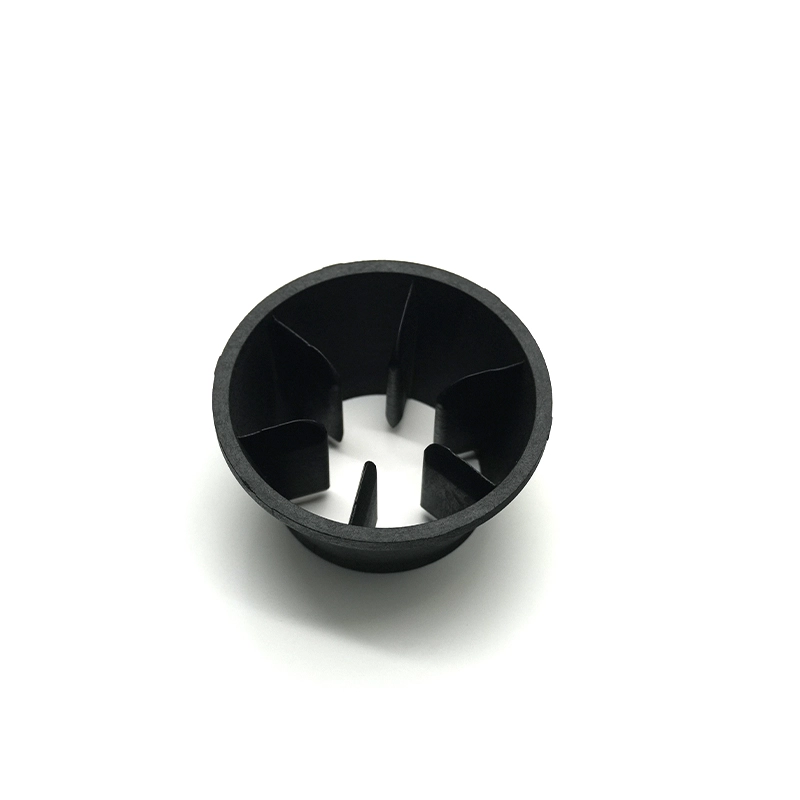
The Bost custom PPO flow valve by injection molding
The BOST Custom PPO Injection-Molded Flow Valve delivers high-temp and corrosion-resistant performance for industrial flow control. Precision-engineered by Bost, this custom PPO valve ensures durable, reliable operation in demanding environments. Optimize your process with BOST’s advanced injection-molded solution.
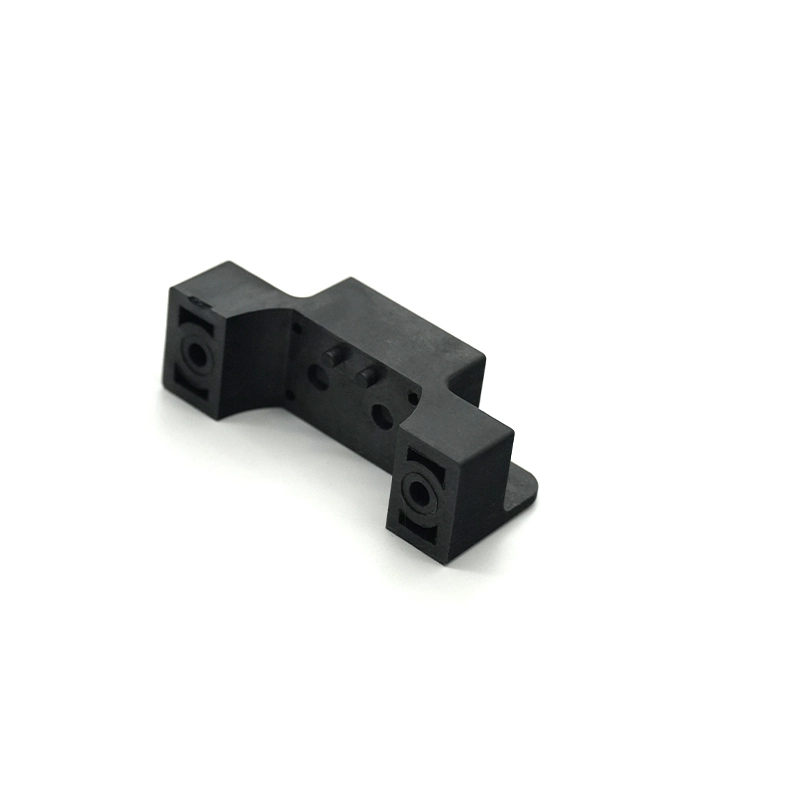
The Bost custom plastic handle by injection molding with high performance PPS material
BOST Custom PPS Injection-Molded Wear-Resistant Handle delivers superior durability and high performance. Made from High Quality PPS material, this injection-molded handle ensures exceptional wear resistance, ideal for demanding applications and long-lasting use. Choose BOST for quality and reliability.
The Bost custom flow meter by injection molding with PES plastic
The Bost Custom PES Injection-Molded Flow Meter offers high-temperature and corrosion resistance, ideal for industrial use. Made with durable PES plastic via precision injection molding, this flow meter ensures reliable, customized performance for demanding applications. Trust Bost for quality and innovation.
Get in touch with Bost
Have any questions or concerns about our products? Please leave us a message here, and our team will get back to you promptly.

24 hours quotes delivered
Submit CAD files, get quote in 24 hours

No MOQ required
From prototyping to high-volume

±0.02 mm Precision
Advanced CNC with full inspections

1,000+ tons in stock
26 materials ready to ship
© 2026 BOST. All Rights Reserved.