
 Scan QR Code
Send My Request
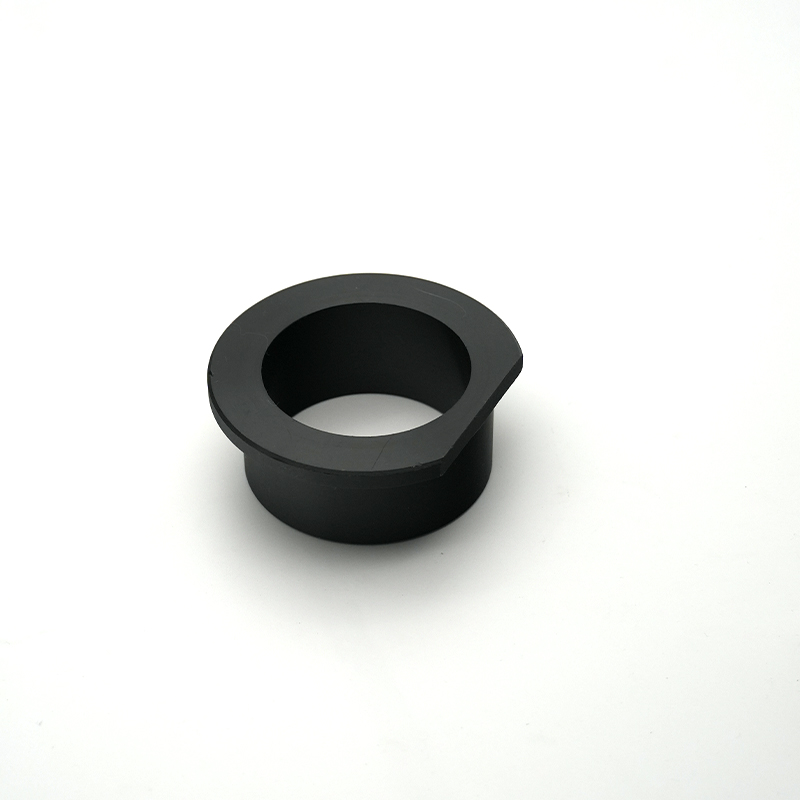
Plastic Bushing Materials Explained: Why Choose PE?
Monday, 12/8/2025
This in-depth guide explains plastic bushing materials with a focus on PE (polyethylene). It compares PE to common alternatives, explains performance attributes (wear, friction, chemical resistance, temperature, cost), and shows why Bost PE Plastic Bushes are often the best choice for industrial shaft protection and long service life. Includes selection guidance, a performance comparison table with sources, brand advantages, FAQs and contact CTA.
- Plastic Bushing Materials Explained: Why Choose PE?
- What is a plastic bushing and why material choice matters (plastic bushing)
- What is PE and how does it perform in bushings? (PE Plastic Bushes)
- Key performance attributes of PE bushings
- Comparing PE to other common plastic bushing materials (plastic bushing comparison)
- When to choose PE Plastic Bushes — practical selection criteria (PE Plastic Bushes)
- When NOT to use PE
- How PE bushings reduce maintenance and lower total cost of ownership (plastic bushing)
- Design and installation tips for PE bushings (plastic bushing installation)
- Case studies & real-world examples (PE Plastic Bushes)
- Environmental and regulatory considerations (plastic bushing)
- Why choose Bost PE Plastic Bushes for your equipment (PE Plastic Bushes)
- Product selection checklist — is PE right for your bushing? (plastic bushing selection)
- FAQ — Frequently Asked Questions (plastic bushing, PE Plastic Bushes)
- Q: Can PE bushings be used without lubrication?
- Q: How do PE bushings compare to PTFE in friction and load capacity?
- Q: Are PE bushings suitable for food-contact applications?
- Q: What is the expected service life of a PE bushing?
- Q: Can PE bushings be machined on-site for custom fits?
- Contact us / View product — ready to improve your machinery performance?
- References and sources
Plastic Bushing Materials Explained: Why Choose PE?
What is a plastic bushing and why material choice matters (plastic bushing)
Plastic bushings are self-contained bearing elements used to support rotating or sliding shafts and to reduce friction and wear between moving parts. They are widely used across conveyors, packaging machines, agricultural equipment, robotics and general industrial machinery. The performance of a plastic bushing depends primarily on the polymer it’s made from. Choosing the right material affects friction, wear rate, load capacity, chemical resistance, environmental suitability and total lifecycle cost. For many industrial applications, PE (polyethylene) is a highly effective choice — combining low friction, strong wear resistance and economical cost.
What is PE and how does it perform in bushings? (PE Plastic Bushes)
Polyethylene (PE) is a family of thermoplastic polymers ranging from low-density (LDPE) to high-density (HDPE) and ultra-high-molecular-weight polyethylene (UHMWPE). In bushing applications, HDPE and UHMWPE grades are typically used because of their superior wear resistance, impact strength and low coefficient of friction. Bost PE Plastic Bushes are engineered from select PE grades to deliver durable, wear-resistant shaft protection and friction-reducing adaptation, extending service intervals and improving machine uptime.
Key performance attributes of PE bushings
PE brings together a balanced set of properties especially valuable for plain-bearing applications:
- Low friction against metal shafts — smooth operation and reduced energy loss.
- Excellent wear resistance (especially UHMWPE) — long service life under sliding motion.
- Good impact strength — resists shock loads and abrasion.
- Chemical resistance — resists many acids, alkalis and solvents, making it suitable for harsh environments.
- Cost-effectiveness — typically less expensive than engineering thermoplastics like POM or PTFE.
Comparing PE to other common plastic bushing materials (plastic bushing comparison)
Below is a concise comparison table of common bushing materials: PE (HDPE/UHMWPE), Nylon (PA), Acetal (POM), PTFE and Bronze (metallic, included as a baseline). Data shown are typical ranges for sliding applications and are intended for selection guidance. Values and ranges are taken from manufacturer datasheets and engineering resources (sources listed at article end).
| Material | Typical Applications | Static Coefficient of Friction vs Steel | Wear Resistance | Operating Temp Range | Notes |
|---|---|---|---|---|---|
| PE (HDPE / UHMWPE) | Conveyors, food contact, packaging, agricultural, general industrial | 0.15–0.35 | High (UHMWPE especially) | -40°C to +80°C (short peaks higher) | Excellent impact and chemical resistance; low cost |
| Nylon (PA6/PA66) | Gears, bushings, wear pads | 0.15–0.30 | Moderate (can absorb moisture) | -40°C to +100°C | Higher strength; moisture-sensitive (affects dimensions) |
| Acetal (POM) | Precision bushings, gears, bearings | 0.15–0.25 | Good | -40°C to +100°C | Good dimensional stability and machinability |
| PTFE | High-performance, low-friction bearings | 0.03–0.10 | Poor to moderate (soft material; requires support) | -200°C to +260°C | Lowest friction but lower load capacity and higher cost |
| Bronze (sintered/brass) | Heavy load plain bearings | 0.10–0.20 (with lubrication) | Very high (with lubrication) | -50°C to +200°C | High load capacity; requires lubrication or oil-impregnation |
Source notes: friction and temperature ranges are compiled from industry datasheets and engineering references; see sources at the end for direct references.
When to choose PE Plastic Bushes — practical selection criteria (PE Plastic Bushes)
Choose PE bushings when your application requires a balance of low friction, excellent wear resistance, impact toughness and cost efficiency. Specific scenarios where PE excels include:
- Moderate loads with sliding motion (e.g., conveyor rollers, sliding guides).
- Applications exposed to abrasive particles (UHMWPE’s toughness helps resist wear).
- Environments with frequent wetting or chemical exposure — PE’s chemical resistance is advantageous.
- Food handling and packaging when certified food-grade PE grades are used.
- Retrofits where reducing maintenance and increasing uptime are priorities.
When NOT to use PE
Avoid PE when operating temperatures are continuously above its recommended range, or where extremely high load capacity and dimensional stability under heat are essential — in such cases, metal or high-temp engineering plastics (e.g., PEEK, PTFE composites) may be better choices.
How PE bushings reduce maintenance and lower total cost of ownership (plastic bushing)
PE bushings reduce maintenance in several ways:
- Wear resistance reduces replacement frequency — fewer shutdowns.
- Low friction decreases energy consumption and heat generation.
- Chemical and moisture resistance reduces degradation from cleaners, coolants and humid environments.
When you consider the lifecycle cost (initial cost + downtime + replacement parts + labor), PE often offers a lower total cost versus more expensive polymers or frequently lubricated metallic bearings. Bost PE Plastic Bushes are engineered to extend equipment life with wear-resistant formulations and close tolerances that make replacement straightforward and reliable.
Design and installation tips for PE bushings (plastic bushing installation)
For reliable performance of PE bushings, follow these guidelines:
- Press-fit tolerances: Use recommended interference fit values from the manufacturer to avoid extrusion or deformation. Excessive interference can create internal stresses; insufficient fit can cause fretting.
- Shaft finish: Provide a smooth shaft surface (Ra 0.4–1.6 μm recommended) to minimize abrasive wear.
- Lubrication: PE is often used in dry or marginally lubricated systems. For heavy loads or sliding at higher speeds, consider light lubrication or composite PE grades with solid lubricants.
- Temperature management: Design for operating temperature within the PE grade’s range; avoid prolonged exposure to elevated temperatures.
- Contaminant exclusion: Use seals or shields where abrasive dust can penetrate the bearing interface.
Case studies & real-world examples (PE Plastic Bushes)
Example 1: Conveyor retrofit — A food packaging line replaced metal bronze bushes with Bost PE Plastic Bushes and reported reduced maintenance frequency and elimination of lubrication contamination risks. Reduced downtime increased throughput.
Example 2: Agricultural equipment — UHMWPE bushings tolerated highly abrasive, dirty environments and shock loads better than nylon alternatives, doubling time between service intervals.
These practical outcomes align with material properties: PE’s low friction and abrasion resistance reduce wear, while its toughness survives impacts and contamination better than many alternatives.
Environmental and regulatory considerations (plastic bushing)
PE materials have advantages for regulatory compliance: food-grade PE formulations are available for direct/indirect food contact and are favored in packaging and processing machinery. Additionally, PE can often be recycled where local recycling streams accept industrial plastics; selecting clean, single-polymer components simplifies end-of-life handling compared to mixed-material parts.
Why choose Bost PE Plastic Bushes for your equipment (PE Plastic Bushes)
Bost PE Plastic Bushes are specifically engineered for demanding industrial applications where wear resistance, low friction and long service life are essential. Key brand advantages:
- Optimized PE formulations: Selected grades for superior abrasion resistance and impact toughness tailored to bushing loads.
- Precision manufacturing: Tight dimensional tolerances ensure reliable press-fit installation and minimal runout.
- Application support: Engineering guidance for material selection, tolerances and retrofits to maximize uptime.
- Cost-effective lifecycle: Competitive pricing combined with lower maintenance and longer service intervals.
These attributes make Bost PE Plastic Bushes a practical choice for engineers seeking an immediate improvement in reliability and a reduction in operating costs.
Product selection checklist — is PE right for your bushing? (plastic bushing selection)
Use this quick checklist to determine if PE is the right choice:
- Are operating temperatures within -40°C to +80°C (typical)?
- Are loads moderate (not extreme heavy, static loads)?
- Is the motion primarily sliding rather than high-speed rolling?
- Is chemical resistance or moisture resistance important?
- Is cost-effectiveness and reduced maintenance a priority?
If you answered yes to most items, PE bushings — such as Bost PE Plastic Bushes — are likely an excellent fit.
FAQ — Frequently Asked Questions (plastic bushing, PE Plastic Bushes)
Q: Can PE bushings be used without lubrication?
A: Yes. One of the benefits of PE is its low friction properties, allowing many PE bushings to operate in dry conditions. However, under higher loads or speeds, light lubrication or a solid-lubricant composite grade can improve lifetime.
Q: How do PE bushings compare to PTFE in friction and load capacity?
A: PTFE has a lower coefficient of friction than PE, but PTFE is softer and typically has lower load-bearing capacity and higher cost. PE (especially UHMWPE) offers an attractive balance of low friction, higher wear resistance and greater toughness at lower cost.
Q: Are PE bushings suitable for food-contact applications?
A: Yes, food-grade PE formulations exist. Confirm that the specific Bost PE Plastic Bushes you select are certified for food contact if required by regulations in your country.
Q: What is the expected service life of a PE bushing?
A: Service life depends heavily on load, speed, environment, shaft finish and maintenance. In many industrial uses, properly specified PE bushings can last months to years longer than alternative plastics, reducing replacements and downtime. For a precise estimate, provide your application parameters to an engineer for calculation.
Q: Can PE bushings be machined on-site for custom fits?
A: Yes. PE is machinable with standard tools; however, engineered parts like Bost PE Plastic Bushes are produced to precise tolerances to ensure optimal performance. If custom dimensions are required, consult our engineering team for best practices to avoid dimensional instability.
Contact us / View product — ready to improve your machinery performance?
Once you understand the advantages of PE plastic bushes, it’s crucial to know the common failure modes of plastic bushings. Understanding these potential issues will help you avoid costly repairs and ensure the longevity of your equipment.
If you're evaluating bushings for reliability, cost savings and improved uptime, contact our sales engineering team to discuss Bost PE Plastic Bushes. We'll help select the right grade and tolerance for your application and provide technical data and quotes. Visit our product page or contact us at sales@bost.example (or use the form on our site) to get started today.
References and sources
Below are the primary resources used to compile the data and recommendations in this
- MatWeb — material property database for polyethylene, nylon, acetal and PTFE: https://www.matweb.com
- EngineeringToolBox — friction coefficients reference: https://www.engineeringtoolbox.com/friction-coefficients-d_778.
- SKF — plain bearings and plastics overview: https://www.skf.com/group/products/bearings-units-housings/plain-bearings
- Polymer Database — polyethylene properties and grades: https://polymerdatabase.com/polymer%20classes/PE%20polymer.
- Matmatch — materials guide on bearing plastics and applications: https://matmatch.com/learn
For tailored recommendations and product specifications for Bost PE Plastic Bushes, contact our engineering team — we can help you select the ideal bushing to extend equipment life and reduce operating cost.
Tags
Easy-Operate Durable
Easy-Operate Durable
Self-Lubricating Friction Reduction
Self-Lubricating Friction Reduction
plastic spur gears for sale
plastic spur gears for sale
Translucent daily chemical packaging
Translucent daily chemical packaging
Nylon material rod
Nylon material rod
automotive plastic injection molding
automotive plastic injection molding
Recommended for you
Engineering Plastics: Benefits of Black UV-Resistant ABS Connectors
Inspection and Quality Control for Engineered Plastic Components
Material Properties of POM: Why It Suits Precision Spacers
PEEK Overmolding for Medical Device Applications: Practical Guide for Designers & Manufacturers
Prdoucts Categories
Question you may concern
FAQs
What is the minimum order quantity (MOQ)? Do you support small-batch trial production?
The MOQ for standard products is ≥100kg. We support small-batch trial production (as low as 20kg) and provide mold testing reports and performance data feedback.
What is the delivery lead time? Do you offer global logistics?
Standard products: 5–15 working days; custom modifications: 2–4 weeks. We support global air/sea freight and provide export customs clearance documents (including REACH/UL certifications).
What are the core advantages of Bost engineering plastics compared to ordinary plastics?
Bost engineering plastics feature ultra-high mechanical strength, high-temperature resistance (-50°C to 300°C), chemical corrosion resistance, and wear resistance. Compared to ordinary plastics, their service life is extended by 3 to 8 times, making them suitable for replacing metals in harsh environments.
How do I select the appropriate engineering plastic grade for my product?
Selection should be based on parameters such as load conditions (e.g., pressure/friction), temperature range, medium contact (e.g., oil/acid), and regulatory requirements (e.g., FDA/RoHS). Our engineers can provide free material selection consulting and sample testing.
Can Bost customize modified plastics with special properties?
Yes! We offer modification services such as reinforcement, flame retardancy, conductivity, wear resistance, and UV resistance, for example:
• Adding carbon fiber to enhance stiffness
• Reducing the coefficient of friction through PTFE modification
• Customizing food-grade or medical-grade certified materials
You may also like
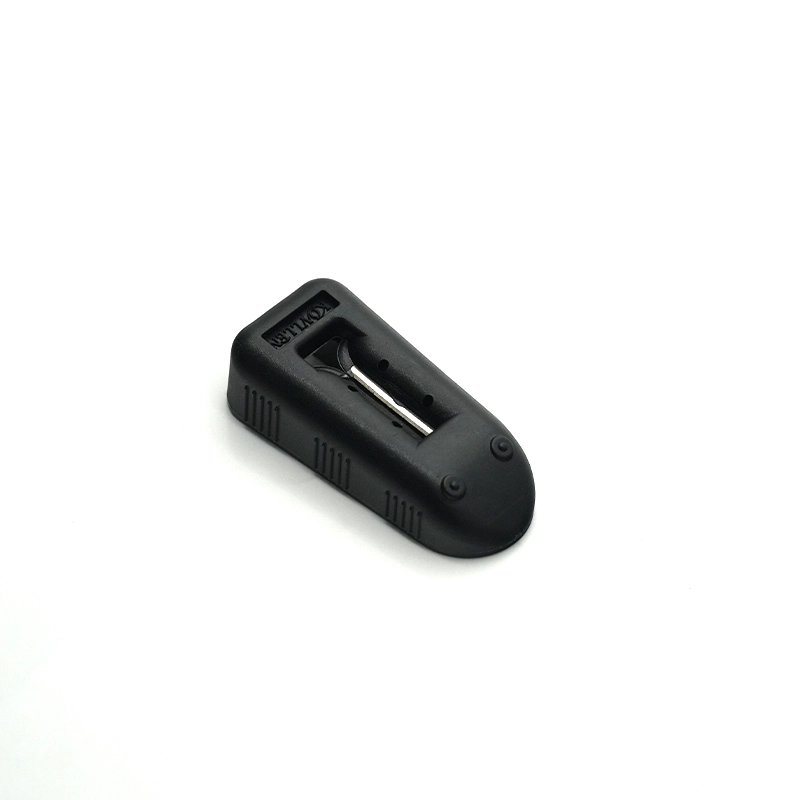
The plastic plug manufactured by Insert molding with stainless steel plate
Bost’s Insert-Molded Stainless Steel Plate Plastic Plug offers superior durability and corrosion resistance. This stainless steel insert durable plastic plug ensures a secure fit and long-lasting performance, ideal for industrial and commercial applications. Robust design meets quality standards.
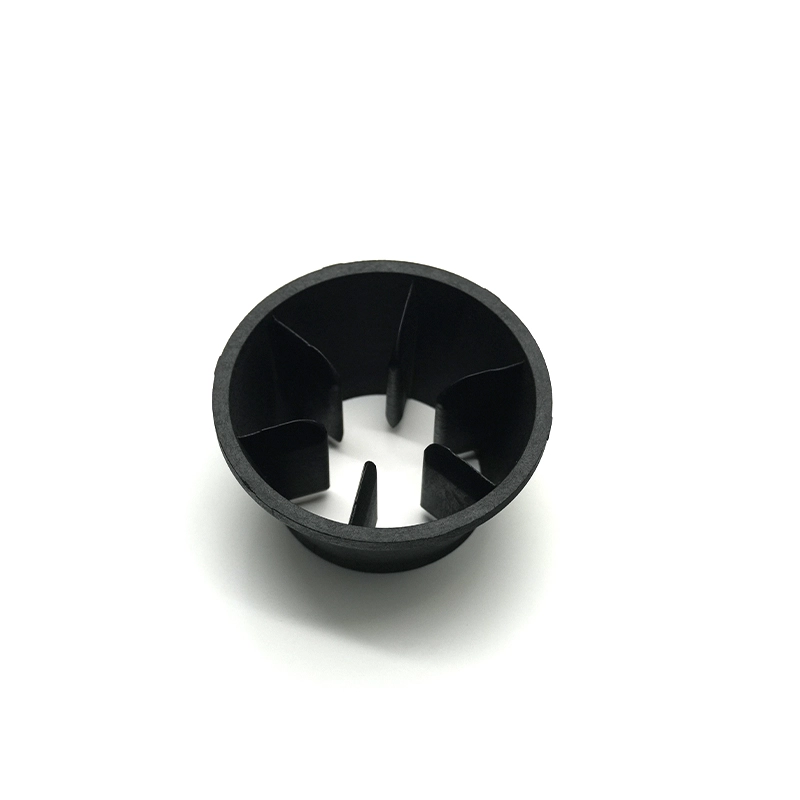
The Bost custom PPO flow valve by injection molding
The BOST Custom PPO Injection-Molded Flow Valve delivers high-temp and corrosion-resistant performance for industrial flow control. Precision-engineered by Bost, this custom PPO valve ensures durable, reliable operation in demanding environments. Optimize your process with BOST’s advanced injection-molded solution.
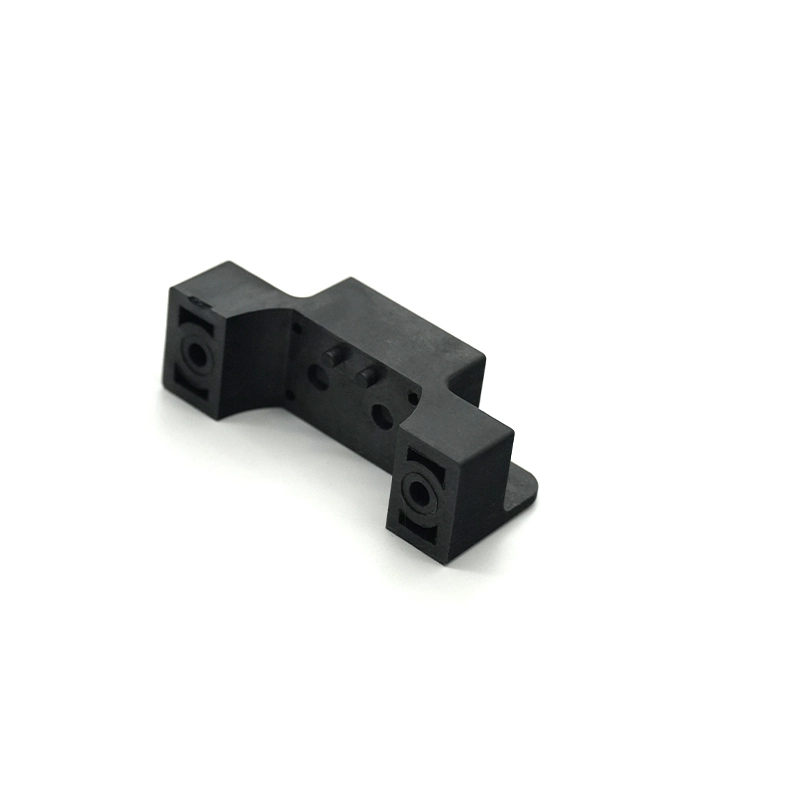
The Bost custom plastic handle by injection molding with high performance PPS material
BOST Custom PPS Injection-Molded Wear-Resistant Handle delivers superior durability and high performance. Made from High Quality PPS material, this injection-molded handle ensures exceptional wear resistance, ideal for demanding applications and long-lasting use. Choose BOST for quality and reliability.
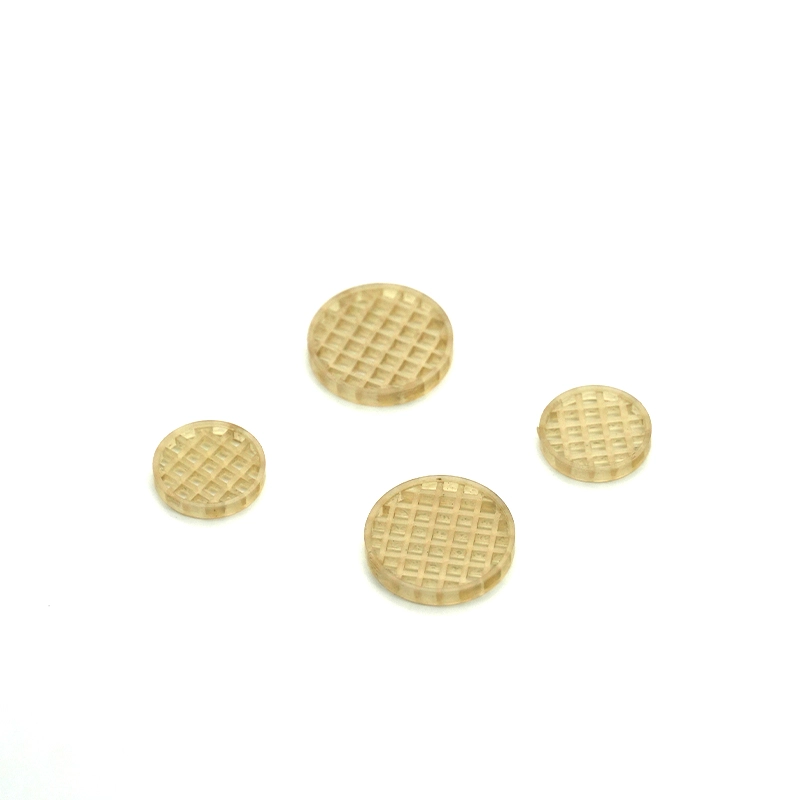
The Bost custom flow meter by injection molding with PES plastic
The Bost Custom PES Injection-Molded Flow Meter offers high-temperature and corrosion resistance, ideal for industrial use. Made with durable PES plastic via precision injection molding, this flow meter ensures reliable, customized performance for demanding applications. Trust Bost for quality and innovation.
Get in touch with Bost
Have any questions or concerns about our products? Please leave us a message here, and our team will get back to you promptly.

24 hours quotes delivered
Submit CAD files, get quote in 24 hours

No MOQ required
From prototyping to high-volume

±0.02 mm Precision
Advanced CNC with full inspections

1,000+ tons in stock
26 materials ready to ship
© 2026 BOST. All Rights Reserved.