
 Scan QR Code
Send My Request
Common Failure Modes of Plastic Bushings and Fixes
Monday, 12/8/2025
This article explains the most common failure modes of plastic bushing — including wear, creep, thermal damage, chemical attack, seizure and misalignment — and provides practical fixes, inspection tips and design best practices. Learn how Bost PE Plastic Bushes deliver wear-resistant shaft protection and friction-reducing adaptation to extend equipment life and improve machinery uptime.
- Common Failure Modes of Plastic Bushings and Fixes
- About PE Plastic Bushes and the purpose of this guide (plastic bushing)
- Wear and Abrasion: Diagnosis and fixes for plastic bushing wear
- Cold Flow and Creep: How plastic bushing deformation occurs and how to stop it
- Thermal Deformation and Heat-Related Failures of plastic bushings
- Chemical Attack and Environmental Degradation affecting plastic bushings
- Seizure, High Friction and Stick-Slip of plastic bushings
- Misalignment and Edge Loading: mechanical causes and remedies for plastic bushing failure
- Contamination and Embedded Abrasives: prevention and mitigation for plastic bushings
- Design and Installation Best Practices for Plastic Bushings (plastic bushing)
- Material Comparison: quick guide for selecting a polymer bushing material
- Inspection, Maintenance and Predictive Measures for plastic bushing longevity
- Why choose Bost PE Plastic Bushes — brand advantages when addressing failure modes
- FAQ — Frequently Asked Questions about plastic bushing and PE Plastic Bushes
- Q1: What is the typical service life of a PE plastic bushing?
- Q2: Can PE plastic bushings be lubricated?
- Q3: What operating temperatures are safe for PE Plastic Bushes?
- Q4: How do I know when to replace a plastic bushing?
- Q5: Are PE Plastic Bushes compatible with all shaft materials?
- Contact us / View product
- References
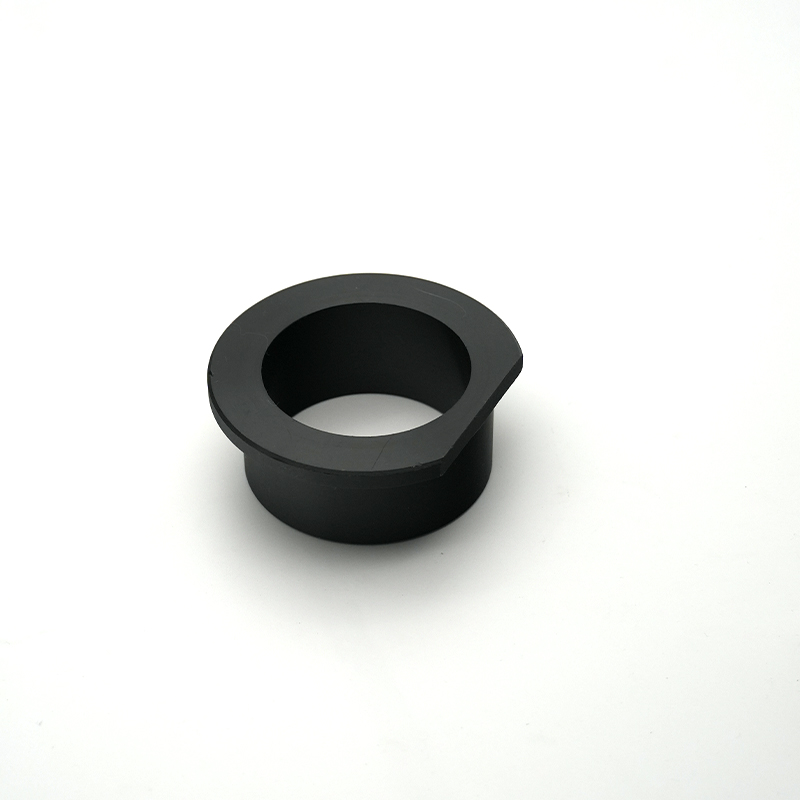
Common Failure Modes of Plastic Bushings and Fixes
About PE Plastic Bushes and the purpose of this guide (plastic bushing)
Plastic bushings are widely used in industrial machinery because they combine low friction, resistance to corrosion, and good wear characteristics at competitive cost. Bost PE Plastic Bushes offer superior wear-resistant shaft protection and friction-reducing adaptation for enhanced machinery performance. Engineered for durability, these bushes minimize wear and extend equipment life, ensuring reliable and efficient operation in demanding industrial applications.
Wear and Abrasion: Diagnosis and fixes for plastic bushing wear
Symptom: Gradual increase in clearance, noise, poorer positional accuracy, or visible grooving on bushes or shafts. Wear is the most common failure mode for plastic bushings subjected to sliding or oscillating motion under load.
Root causes:
- Abrasive contaminants (dust, grit, particulate ingress).
- Inadequate lubrication or dry-running situations with unsuitable material.
- High contact pressure or edge loading due to poor fit/alignment.
- Using a polymer with lower wear resistance for the application.
Fixes and best practices:
- Choose a wear-resistant grade: Bost PE Plastic Bushes are formulated for strong abrasion resistance; consider UHMW or filled PE grades for high-wear applications.
- Improve sealing and contamination control: install dust seals, wipers, or labyrinths and maintain clean operating environments.
- Use lubrication where compatible: some PE grades run well self-lubricated, while others benefit from periodic lubrication to reduce abrasive wear.
- Apply proper surface finishing on shafts: a polished, hard shaft (Ra 0.2–0.8 µm typical) reduces abrasive transfer and extends bushing life.
- Design for load distribution: increase contact area or use thicker bushes to lower unit pressure.
Cold Flow and Creep: How plastic bushing deformation occurs and how to stop it
Symptom: Gradual dimensional change under sustained load — the bore may enlarge or the bush may lose interference fit, creating slack or misalignment.
Root causes:
- Polymeric materials flow slowly under constant stress (viscoelastic behavior).
- High sustained loads and temperatures accelerate creep.
- Thin wall sections or unsupported designs concentrate stress and encourage deformation.
Fixes:
- Select materials with lower long-term creep for the given load—some PE grades (especially filled or reinforced variants) resist creep better than generic grades.
- Increase wall thickness or add a metallic support/backing to share load and prevent bore expansion.
- Reduce static load or convert static load into rotating or oscillating motion where feasible.
- Design for appropriate interference/press-fit while accounting for expected relaxation over time.
Thermal Deformation and Heat-Related Failures of plastic bushings
Symptom: Softening, dimensional change, loss of mechanical properties, or accelerated wear occurring during high-temperature exposure or due to high frictional heating.
Root causes:
- Operating temperatures exceeding the safe continuous use temperature of the polymer.
- Excess friction from poor lubrication or high sliding speeds, causing localized heating.
- Poor thermal path: plastics often trap heat if they are thick or lack metal heat-sink components.
Fixes:
- Confirm temperature limits for the chosen PE grade and compare to operating conditions. Typical PE (UHMW) continuous-use temperatures are commonly up to ~80°C (consult material datasheets for exact values).
- Reduce friction by improving shaft finish or adding approved lubrication and/or selecting a PE compound with lower friction coefficient.
- Allow cooling intervals for intermittent duty or add thermal conduction paths (metal backing) if the application creates sustained heat.
- Consider alternative materials (PTFE blends, engineering nylons) for high-temperature environments.
Chemical Attack and Environmental Degradation affecting plastic bushings
Symptom: Swelling, surface softening, cracking, or loss of mechanical properties after exposure to certain chemicals, fuels, or solvents.
Root causes:
- Contact with solvents, strong oxidizers, or fuels that can soften or dissolve part of the polymer.
- UV exposure causing surface embrittlement over long outdoor service life.
Fixes:
- Evaluate chemical compatibility against expected substances in the environment (cleaning agents, hydraulic fluids, solvents). PE generally resists many acids and alkalies, but some solvents attack it — always consult a chemical compatibility chart.
- Provide protective seals and covers to prevent direct chemical contact.
- For outdoor applications, use UV-stabilized polymers or protective coatings to reduce UV degradation.
Seizure, High Friction and Stick-Slip of plastic bushings
Symptom: Sudden stoppage of motion, increased torque, stick–slip behavior, or heat build-up.
Root causes:
- Insufficient lubrication or mismatch between polymer and mating surface.
- Contamination ends up causing adhesive wear or increases friction.
- Insufficient clearance causing binding when thermal expansion occurs.
Fixes:
- Choose a low-friction polymer or a material with embedded solid lubricants, or use external lubrication suited to the polymer.
- Ensure correct radial clearance for operating temperature ranges; account for thermal expansion differences between metal shafts and polymer bushes.
- Use polished mating shafts and consider surface hardening to reduce adhesive interactions.
Misalignment and Edge Loading: mechanical causes and remedies for plastic bushing failure
Symptom: Localized wear at one side of the bushing, premature failure, vibration, or noise.
Root causes:
- Improper housing bore tolerances, skewed installation, or shaft deflection.
- Thin-walled bushes that cant under load, concentrating stress.
Fixes:
- Design housings with alignment features and specify machining tolerances for bores and shafts.
- Use flanged bushings to maintain axial positioning and distribute load.
- Consider self-aligning bearing designs where shaft deflection or misalignment is unavoidable.
Contamination and Embedded Abrasives: prevention and mitigation for plastic bushings
Symptom: Sudden increase in wear rate, scoring, or surface pitting.
Root causes:
- Ingress of abrasive particles from the environment or process fluids.
- Inadequate filtration, seals, or maintenance allowing build-up of abrasive residues.
Fixes:
- Install seals, scrape-off rings, or dirt lips to reduce ingress. Maintain filtration systems to keep lubricants and fluids clean.
- Use sacrificial liners or replaceable bush modules where contamination is unavoidable.
- Schedule preventive cleaning and inspection intervals based on operating environment.
Design and Installation Best Practices for Plastic Bushings (plastic bushing)
Design and installation are as important as material selection. A few practical rules help avoid many failure modes:
- Specify correct radial and axial clearances for expected operating temperature and load cycles. Include worst-case thermal expansion in calculations.
- Press-fit vs. slip-fit: follow manufacturer guidelines for interference fits to avoid cracking during installation or operation.
- Consider metal-backed bushings or bonded designs for higher loads or where heat dissipation is needed.
- Provide lubrication grooves or channels when lubrication is part of the maintenance strategy.
- Standardize shaft surface finish and hardness to ensure reliable mating behavior across installations.
- To prevent common failures, designing PE plastic bushes correctly is key. In our guide on design tips for integrating PE plastic bushes in machines, we explore the best practices for ensuring optimal fit and performance in your machinery.
Material Comparison: quick guide for selecting a polymer bushing material
The following table summarizes typical properties of common bearing plastics to help guide material selection. Values are indicative ranges — always consult specific material datasheets for exact numbers.
| Material | Typical friction vs. steel | Continuous temp (°C) | Wear resistance | Typical applications |
|---|---|---|---|---|
| UHMW-PE (PE) | 0.10–0.25 | -50 to ~80 | High | General sliding bearings, low-speed conveyors, agricultural machinery |
| PTFE (and blends) | 0.04–0.10 | -200 to ~260 | Moderate | Low friction high-temp seals, chemical environments |
| Nylon (PA) | 0.15–0.30 | -40 to ~120 | Moderate | Bearings with impact loads, textile and packaging machinery |
| POM (Delrin) | 0.15–0.30 | -40 to ~100 | Good | Precision bearings, bushings with tight dimensional stability needs |
Source: Typical ranges compiled from manufacturer datasheets and material property databases (see references).
Inspection, Maintenance and Predictive Measures for plastic bushing longevity
Regular inspection and a tailored maintenance strategy extend service life and prevent unplanned downtime:
- Create inspection checklists: check clearances, noise, temperature, shaft finish, and visual wear signs.
- Monitor operating temperature and vibration for trends that indicate a developing fault.
- Use wear measurement records to schedule proactive replacements before critical wear thresholds are exceeded.
- Keep spares of common bush sizes to minimize downtime when replacement is needed.
Why choose Bost PE Plastic Bushes — brand advantages when addressing failure modes
Bost PE Plastic Bushes are designed to address the key failure modes described above:
- Wear resistance: Formulated PE compounds and controlled manufacturing reduce abrasive wear and extend service life.
- Low friction and shaft protection: Optimized surface finish and material selection reduce frictional heating and protect mating shafts from scoring.
- Design flexibility: Available in flanged and non-flanged configurations, with options for metal backing or self-lubricating grades to match application needs.
- Application support: Engineering guidance to select correct clearances, installation procedures, and maintenance intervals tailored to your environment and duty cycle.
- Cost-effective lifecycle: Lower maintenance frequency and reduced shaft replacement costs result in competitive total cost of ownership.
FAQ — Frequently Asked Questions about plastic bushing and PE Plastic Bushes
Q1: What is the typical service life of a PE plastic bushing?
A: Service life depends on load, speed, environment, and maintenance. In well-chosen applications with proper sealing and maintenance, PE bushings can last thousands to tens of thousands of operating hours. Track wear rates during early operation to predict replacement intervals.
Q2: Can PE plastic bushings be lubricated?
A: Yes. Some PE grades are self-lubricating and perform well without added lubrication, while others benefit from periodic lubrication. Always verify lubricant compatibility with the polymer and the application environment.
Q3: What operating temperatures are safe for PE Plastic Bushes?
A: Typical UHMW-PE continuous-use temperatures are up to about 80°C; short-term peaks can be higher. Confirm with the specific Bost PE grade datasheet for exact limits.
Q4: How do I know when to replace a plastic bushing?
A: Replace when radial clearance exceeds manufacturer-recommended limits, when excessive play causes performance loss, or when visual damage (grooving, cracking, severe deformation) is present. Use trend data to plan replacements rather than waiting for catastrophic failure.
Q5: Are PE Plastic Bushes compatible with all shaft materials?
A: PE plastics pair well with hardened and polished steel shafts. Softer shaft materials may wear faster. Use hardened or surface-treated shafts for demanding applications. If in doubt, consult Bost engineering for compatibility guidance.
Contact us / View product
If you are dealing with frequent plastic bushing failures or need help selecting the right part, contact Bost’s technical sales team for tailored recommendations. View the Bost PE Plastic Bushes product page or request samples to validate performance in your application. For immediate assistance, contact our sales team or request a quotation.
References
- Material datasheets and property guides (MatWeb – material database): https://www.matweb.com/
- Polymer plain bearing guides and best practices (igus GmbH): https://www.igus.com/
- Plain bearing insights and design guides (SKF – plain bearings): https://www.skf.com/
Tags
Silicone rubber material sleeve
Silicone rubber material sleeve
High-Temp Resistant Overmolding
High-Temp Resistant Overmolding
stable mechanical property
stable mechanical property
custom plastic injection molding
custom plastic injection molding
Nylon Screw
Nylon Screw
Engineering Plastic Bushing
Engineering Plastic Bushing
Recommended for you
How to Design Parts for PEEK Overmolding Success
Plastic Injection Molding Basics for Engineering Plastics
Design Guidelines for Insert Molding in Engineering Plastics: Practical Steps for Reliable Parts
Guide to specifying engineered plastic components for OEMs
Prdoucts Categories
Question you may concern
FAQs
What are the core advantages of Bost engineering plastics compared to ordinary plastics?
Bost engineering plastics feature ultra-high mechanical strength, high-temperature resistance (-50°C to 300°C), chemical corrosion resistance, and wear resistance. Compared to ordinary plastics, their service life is extended by 3 to 8 times, making them suitable for replacing metals in harsh environments.
How do I select the appropriate engineering plastic grade for my product?
Selection should be based on parameters such as load conditions (e.g., pressure/friction), temperature range, medium contact (e.g., oil/acid), and regulatory requirements (e.g., FDA/RoHS). Our engineers can provide free material selection consulting and sample testing.
What is the minimum order quantity (MOQ)? Do you support small-batch trial production?
The MOQ for standard products is ≥100kg. We support small-batch trial production (as low as 20kg) and provide mold testing reports and performance data feedback.
Can Bost customize modified plastics with special properties?
Yes! We offer modification services such as reinforcement, flame retardancy, conductivity, wear resistance, and UV resistance, for example:
• Adding carbon fiber to enhance stiffness
• Reducing the coefficient of friction through PTFE modification
• Customizing food-grade or medical-grade certified materials
What is the delivery lead time? Do you offer global logistics?
Standard products: 5–15 working days; custom modifications: 2–4 weeks. We support global air/sea freight and provide export customs clearance documents (including REACH/UL certifications).
You may also like
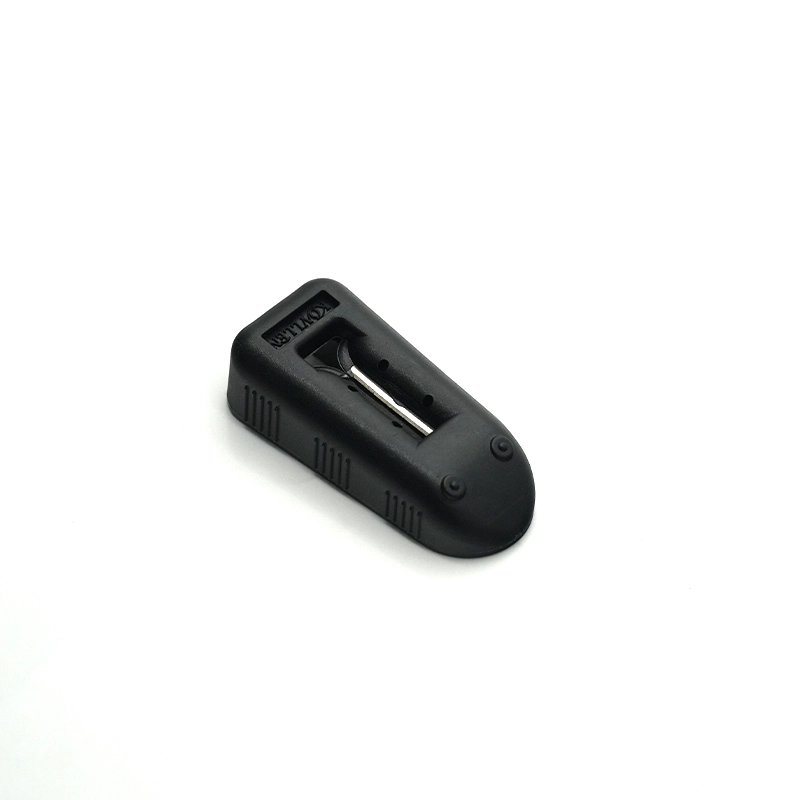
The plastic plug manufactured by Insert molding with stainless steel plate
Bost’s Insert-Molded Stainless Steel Plate Plastic Plug offers superior durability and corrosion resistance. This stainless steel insert durable plastic plug ensures a secure fit and long-lasting performance, ideal for industrial and commercial applications. Robust design meets quality standards.
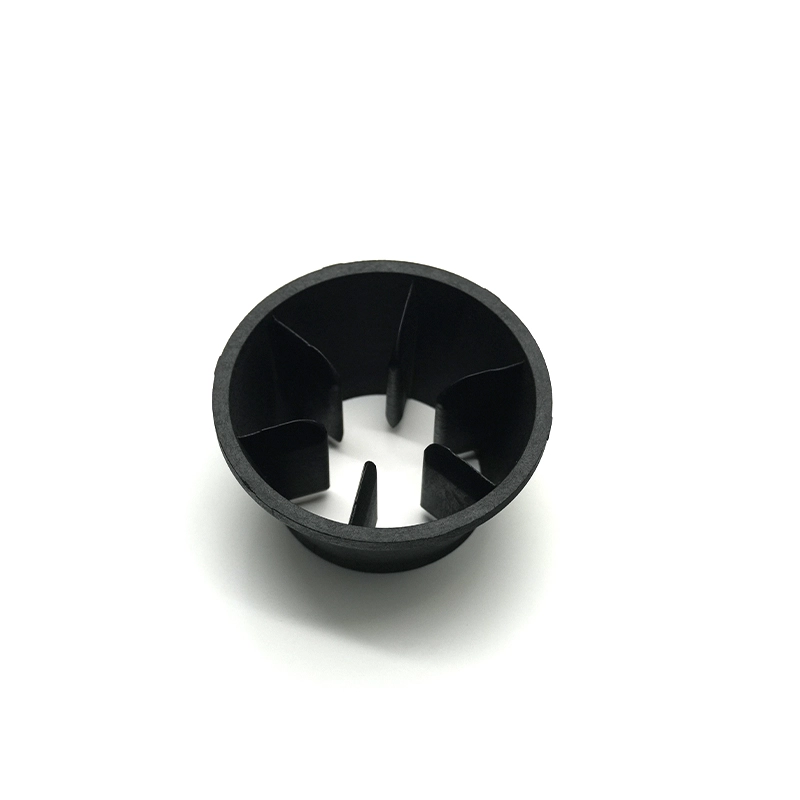
The Bost custom PPO flow valve by injection molding
The BOST Custom PPO Injection-Molded Flow Valve delivers high-temp and corrosion-resistant performance for industrial flow control. Precision-engineered by Bost, this custom PPO valve ensures durable, reliable operation in demanding environments. Optimize your process with BOST’s advanced injection-molded solution.
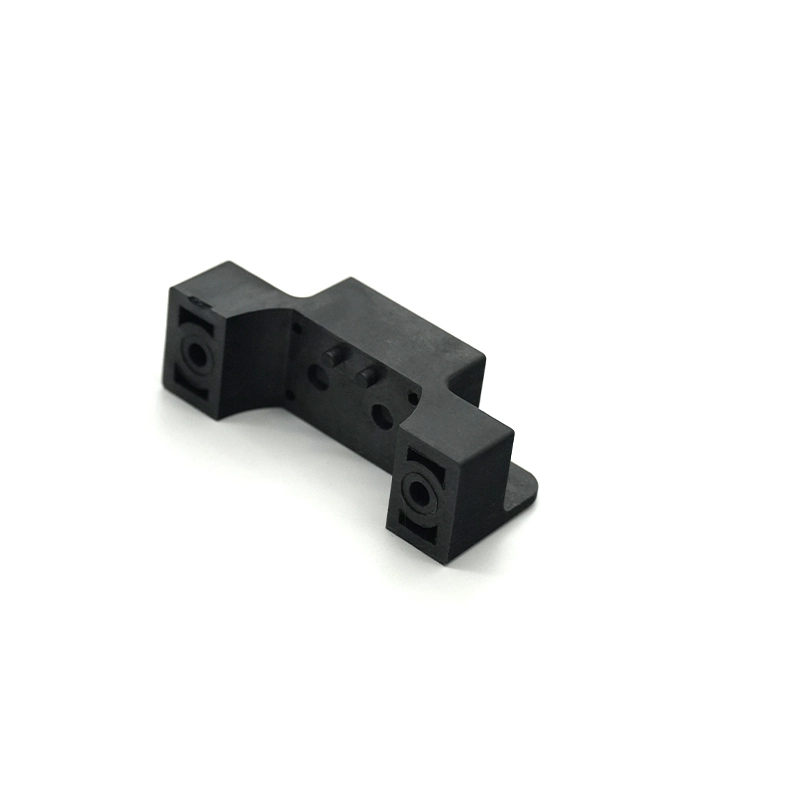
The Bost custom plastic handle by injection molding with high performance PPS material
BOST Custom PPS Injection-Molded Wear-Resistant Handle delivers superior durability and high performance. Made from High Quality PPS material, this injection-molded handle ensures exceptional wear resistance, ideal for demanding applications and long-lasting use. Choose BOST for quality and reliability.
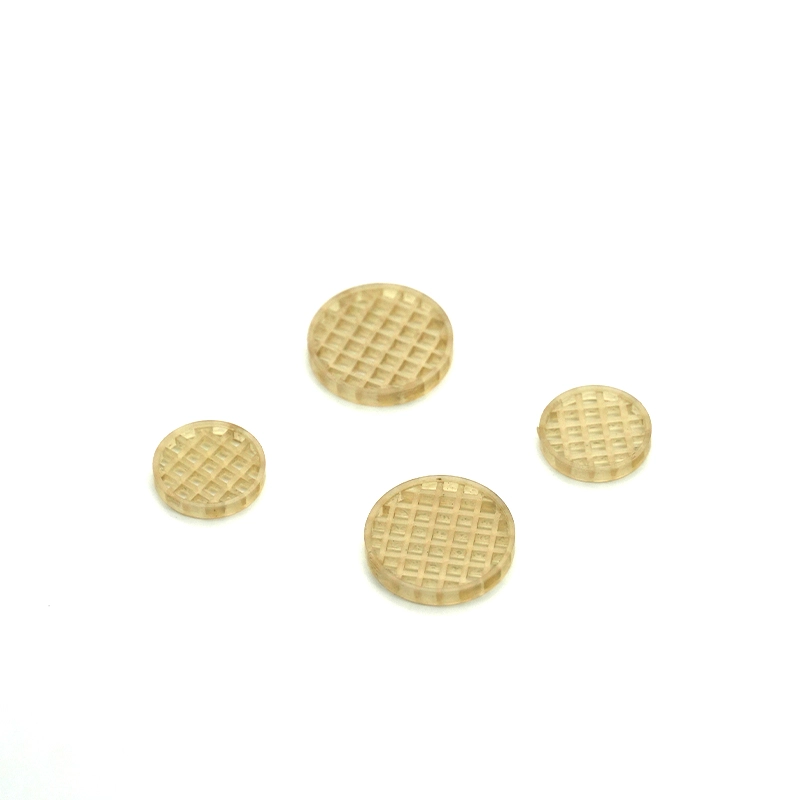
The Bost custom flow meter by injection molding with PES plastic
The Bost Custom PES Injection-Molded Flow Meter offers high-temperature and corrosion resistance, ideal for industrial use. Made with durable PES plastic via precision injection molding, this flow meter ensures reliable, customized performance for demanding applications. Trust Bost for quality and innovation.
Get in touch with Bost
Have any questions or concerns about our products? Please leave us a message here, and our team will get back to you promptly.

24 hours quotes delivered
Submit CAD files, get quote in 24 hours

No MOQ required
From prototyping to high-volume

±0.02 mm Precision
Advanced CNC with full inspections

1,000+ tons in stock
26 materials ready to ship
© 2026 BOST. All Rights Reserved.