
 Scan QR Code
Send My Request
Engineering Plastics Guide: Types, Properties, and Applications
Tuesday, 11/18/2025
A practical, expert guide to engineering plastics: common types, performance properties, selection criteria, processing and applications, with manufacturer insights from Bost to help you choose and source the right materials.
- Engineering Plastics Guide: Types, Properties, and Applications
- What are Engineering Plastics and why choose them for manufacturing?
- Key properties to evaluate when selecting Engineering Plastics
- Common types of Engineering Plastics: overview and typical uses
- Engineering Plastics materials comparison table (typical properties)
- Processing methods and how they affect engineering plastic properties
- How to select the right Engineering Plastic for your application (practical checklist)
- Cost, sustainability and lifecycle considerations for Engineering Plastics
- Common failure modes and mitigation strategies in engineering plastics
- Supplier considerations and selecting an engineering plastics manufacturer or supplier
- Bost — Specialist manufacturer of Engineering Plastics and advanced solutions
- Bost product highlights and core competencies
- FAQ — Common questions about Engineering Plastics
- Contact and next steps — enquire or view Bost products
- Sources and references
Engineering Plastics Guide: Types, Properties, and Applications
What are Engineering Plastics and why choose them for manufacturing?
Engineering plastics are a class of polymeric materials that offer higher mechanical strength, better thermal stability, and improved chemical resistance than commodity plastics. They bridge the gap between ordinary plastics and metals, enabling designers and engineers to reduce weight, lower costs, and simplify manufacturing while meeting mechanical and environmental demands.
Common reasons to choose engineering plastics include: weight reduction, corrosion resistance, electrical insulation or conductivity (when modified), wear resistance, and the ability to mould complex geometries that would be expensive or heavy in metal. They are widely used in automotive, electrical/electronics, industrial machinery, medical devices, consumer goods, and renewable energy systems.
Key properties to evaluate when selecting Engineering Plastics
When choosing an engineering plastic for a component or product, evaluate these core properties:
- Mechanical strength: tensile strength, flexural strength, and impact resistance.
- Thermal performance: continuous service temperature, heat deflection temperature (HDT), and glass transition (Tg).
- Wear and abrasion resistance: important for bearings, gears, sliders.
- Chemical and corrosion resistance: exposure to oils, fuels, solvents, and cleaning agents.
- Dimensional stability: creep resistance, moisture absorption and coefficient of thermal expansion (CTE).
- Electrical properties: insulative or conductive, dielectric strength.
- Processability: moulding, extrusion, machining, welding and post-processing capabilities.
- Cost and supply chain considerations: raw material price, availability, and recyclability.
Common types of Engineering Plastics: overview and typical uses
Below are widely used engineering plastics and their typical applications:
- Nylon (PA, e.g., PA6, PA66): gears, bearings, automotive under-hood parts, electrical connectors — good toughness and wear resistance but hygroscopic.
- Polyoxymethylene (POM, Acetal): precision gears, sliding components, fasteners — excellent dimensional stability and low friction.
- Polycarbonate (PC): transparent components, housings, lenses — high impact resistance and heat distortion resistance but susceptible to certain chemicals.
- Polyetheretherketone (PEEK): aerospace, medical implants, high-temperature bearings — exceptional temperature and chemical resistance, high cost.
- Polytetrafluoroethylene (PTFE): seals, gaskets, liners — outstanding chemical resistance and very low friction; limited mechanical strength.
- Polyphenylene Sulfide (PPS): pump housings, electrical parts — high chemical and thermal resistance with good dimensional stability.
- Ultra-high-molecular-weight polyethylene (UHMWPE): wear pads, chute liners, impact-resistant parts — very high abrasion resistance and low friction.
Engineering Plastics materials comparison table (typical properties)
The following table summarizes approximate, typical properties for common engineering plastics. Values are for general guidance; always consult material datasheets for exact grades.
| Material | Tensile Strength (MPa) | Continuous Temp (°C) | Abrasion Resistance | Typical Cost (relative) | Common Uses |
|---|---|---|---|---|---|
| Nylon (PA6/66) | 60–90 | -40 to 120 | Good | Moderate | Gears, bearings, under-hood parts |
| POM (Acetal) | 60–80 | -40 to 100 | Very Good | Moderate | Precision parts, fasteners, bushings |
| PC (Polycarbonate) | 55–75 | -40 to 120 | Moderate | Moderate | Housings, transparent parts |
| PEEK | 90–120 | -50 to 250 | Excellent | High | Aerospace, medical, high-temp bearings |
| PTFE | 20–35 | -200 to 260 | Excellent (low friction) | High | Seals, gaskets, chemical liners |
| PPS | 60–80 | -40 to 200 | Good | High | Electrical components, pump parts |
| UHMWPE | 20–40 | -150 to 80 | Excellent | Moderate | Wear pads, liners, impact parts |
Sources: material datasheets and industry references (see sources list below).
Processing methods and how they affect engineering plastic properties
Processing choices influence final performance, tolerances, and cost. Common techniques include:
- Injection molding: high-volume, complex shapes, good surface finish; careful mold design controls warpage and shrinkage.
- Extrusion: rods, sheets, tubes and continuous profiles; cost-effective for long lengths.
- Compression molding: used for certain high-temperature polymers or large simple shapes.
- CNC machining: ideal for low-volume parts or prototypes from rods and sheets; maintains material homogeneity.
- Overmolding and insert molding: combine different materials (e.g., rubber seals over plastic housings or metal inserts) to enhance functionality.
- 3D printing (additive manufacturing): useful for rapid prototyping; limited mechanical performance depending on process and material.
Design for manufacturing (DFM) rules differ by process and material: consider wall thickness, ribs, radii, draft, gate location, and post-machining allowances. For critical tolerance parts, machining from sheet or rod is often preferred to ensure stability and performance.
How to select the right Engineering Plastic for your application (practical checklist)
Follow this stepwise approach to make an informed material choice:
- List functional requirements: mechanical loads, temperatures, wear, chemical exposure, electrical needs.
- Define environmental and regulatory constraints: UV exposure, food contact, biocompatibility, flame retardancy.
- Choose candidate materials based on properties and cost targets.
- Consider processing method and supplier capabilities (molding, extrusion, machining).
- Request sample parts or material datasheets and run application-specific tests (wear tests, thermal cycling, chemical exposure).
- Account for long-term performance: creep, fatigue, and aging under expected service conditions.
Cost, sustainability and lifecycle considerations for Engineering Plastics
While engineering plastics often cost more than commodity resins, they can reduce assembly costs, enable lightweighting, and extend part life. Consider total cost of ownership (TCO): part cost, tooling, maintenance, and replacement intervals.
Sustainability options: some engineering plastics can be recycled or reprocessed; selecting materials with lower environmental impact or suppliers with closed-loop programs can improve lifecycle performance. For high-performance or specialty plastics (PEEK, PTFE), recycling options are more limited, so durability and long service life become important sustainability factors.
Common failure modes and mitigation strategies in engineering plastics
Typical failure modes include wear, creep, fatigue cracking, chemical attack, UV degradation and thermal ageing. Mitigation strategies:
- Use reinforced or modified grades (glass/carbon fillers) to increase stiffness and heat resistance.
- Apply surface treatments or coatings to improve wear or chemical resistance.
- Design for load distribution and avoid stress concentrators to reduce fatigue risk.
- Control operating temperatures and provide UV stabilizers for outdoor applications.
- Perform accelerated ageing and real-world testing for critical parts.
Supplier considerations and selecting an engineering plastics manufacturer or supplier
When sourcing engineering plastics or finished components, evaluate suppliers on these criteria:
- Technical expertise in polymer selection, modification and processing.
- Quality systems and testing capabilities (ISO, material certifications, in-house labs).
- Production capabilities: mold design & tooling, machining, overmolding, insert molding.
- Experience with special properties (flame retardancy, conductive fillers, anti-scar, corrosion resistance).
- Supply chain reliability and after-sales support.
Bost — Specialist manufacturer of Engineering Plastics and advanced solutions
Bost is a professional and innovative high-tech green energy engineering plastics manufacturer specializing in research and development, production, and sales. Since its establishment, Bost has been dedicated to the research and production of engineering plastics and special engineering plastics, providing high-quality products and services and working hard to ensure customer satisfaction.
Bost's core strengths:
- Advanced R&D and modification capabilities: toughening, flame retardancy, wear resistance, anti-scar formulations, corrosion resistance and conductive/thermal modifications for ordinary engineering plastics.
- Comprehensive production and processing: product mold design and manufacturing, mechanical processing, overmolding and insert molding, plus skilled teams combining steel/plastic and plastic/rubber integration for complex products.
- Wide product portfolio: Engineering Plastic, Fluoroplastic, Over Molding, Insert Molding, Special Engineering Plastics and rubber seals — tailored to meet specific mechanical, thermal and chemical performance requirements.
- High technical level and production capacity: experienced teams in plastics modification, mold making, and mechanical processing ensure consistent quality and the ability to scale.
In short, Bost offers end-to-end capabilities from material development to finished components, making it a reliable partner for customers needing advanced engineering plastics solutions across industries.
Bost product highlights and core competencies
- Engineering Plastic: standard and modified grades for automotive, industrial and consumer markets.
- Fluoroplastic: PTFE and other fluoropolymers for extreme chemical resistance and low friction applications.
- Over Molding & Insert Molding: multi-material assemblies for ergonomic, sealed and functional parts.
- Special Engineering Plastics: ultra-high anti-scar, super corrosion-resistant, fatigue-durable, ultra abrasion-resistant, high-temp transparent and other specialized grades.
- Rubber Seals: integrated sealing solutions designed with plastic housings or metal inserts for demanding environments.
FAQ — Common questions about Engineering Plastics
Q1: What is the difference between engineering plastics and commodity plastics?
A1: Engineering plastics offer superior mechanical, thermal, and chemical properties compared with commodity plastics (like polyethylene or polypropylene). They are designed for structural and functional parts rather than single-use or low-load applications.
Q2: How do I choose between metal and engineering plastics for a structural part?
A2: Consider load, stiffness, operating temperature, wear, chemical exposure, cost and assembly complexity. Engineering plastics save weight and resist corrosion but may need reinforcement or higher-grade polymers for high-temperature or high-stress applications.
Q3: Can engineering plastics withstand high temperatures?
A3: Some grades (PEEK, PPS) perform well at elevated temperatures (>200°C). Others (PA, POM, PC) have lower continuous service temperatures. Match material selection to the maximum operating temperature and consider reinforced grades where needed.
Q4: Are there conductive engineering plastics?
A4: Yes. Conductive fillers (carbon black, carbon fiber, metal particles) can be added to create electrostatic-dissipative or electrically conductive grades suitable for EMI shielding or static control.
Q5: How important is moisture absorption?
A5: Very important for hygroscopic materials (e.g., nylon). Moisture affects dimensional stability and mechanical properties. Account for conditioning, drying before processing, and in-service humidity conditions.
Contact and next steps — enquire or view Bost products
If you need technical assistance selecting materials, bespoke modifications, or manufacturing finished components, contact Bost for consultation, samples and quotations. Bost’s engineering team can help with material selection, mold design, and production planning to meet your specifications and timeline.
Call customer service or view products now to discuss your project and request material datasheets or sample components.
Sources and references
- MatWeb Material Property Data (technical datasheets for polymers).
- PlasticsEurope — Industry information on polymer properties and applications.
- ASM Handbook and standard engineering plastics references for mechanical and thermal properties.
Tags
Eco-Friendly Support
Eco-Friendly Support
custom plastic injection mold manufacturer
custom plastic injection mold manufacturer
custom plastic spur gears
custom plastic spur gears
Easy-Molding Adaptation
Easy-Molding Adaptation
Wear-Resistant Shaft Protection
Wear-Resistant Shaft Protection
Tough & Tight-Bonded Components
Tough & Tight-Bonded Components
Recommended for you
Thermal Behavior of ABS Plastic Connectors Explained
Key Specs Buyers Seek in UV-Resistant ABS Plastic Connectors
Choosing Materials for Insert Injection Molding: Practical Guide for Engineers
How Plastic Bushings Improve Noise and Vibration Control
Prdoucts Categories
Question you may concern
FAQs
What is the delivery lead time? Do you offer global logistics?
Standard products: 5–15 working days; custom modifications: 2–4 weeks. We support global air/sea freight and provide export customs clearance documents (including REACH/UL certifications).
What are the core advantages of Bost engineering plastics compared to ordinary plastics?
Bost engineering plastics feature ultra-high mechanical strength, high-temperature resistance (-50°C to 300°C), chemical corrosion resistance, and wear resistance. Compared to ordinary plastics, their service life is extended by 3 to 8 times, making them suitable for replacing metals in harsh environments.
How do I select the appropriate engineering plastic grade for my product?
Selection should be based on parameters such as load conditions (e.g., pressure/friction), temperature range, medium contact (e.g., oil/acid), and regulatory requirements (e.g., FDA/RoHS). Our engineers can provide free material selection consulting and sample testing.
What is the minimum order quantity (MOQ)? Do you support small-batch trial production?
The MOQ for standard products is ≥100kg. We support small-batch trial production (as low as 20kg) and provide mold testing reports and performance data feedback.
Can Bost customize modified plastics with special properties?
Yes! We offer modification services such as reinforcement, flame retardancy, conductivity, wear resistance, and UV resistance, for example:
• Adding carbon fiber to enhance stiffness
• Reducing the coefficient of friction through PTFE modification
• Customizing food-grade or medical-grade certified materials
You may also like
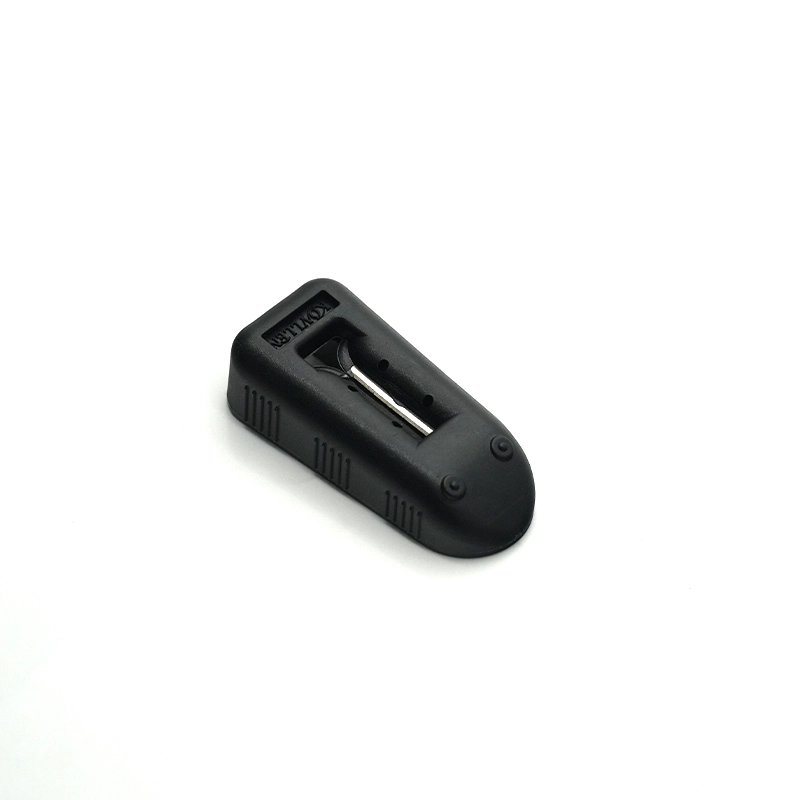
The plastic plug manufactured by Insert molding with stainless steel plate
Bost’s Insert-Molded Stainless Steel Plate Plastic Plug offers superior durability and corrosion resistance. This stainless steel insert durable plastic plug ensures a secure fit and long-lasting performance, ideal for industrial and commercial applications. Robust design meets quality standards.
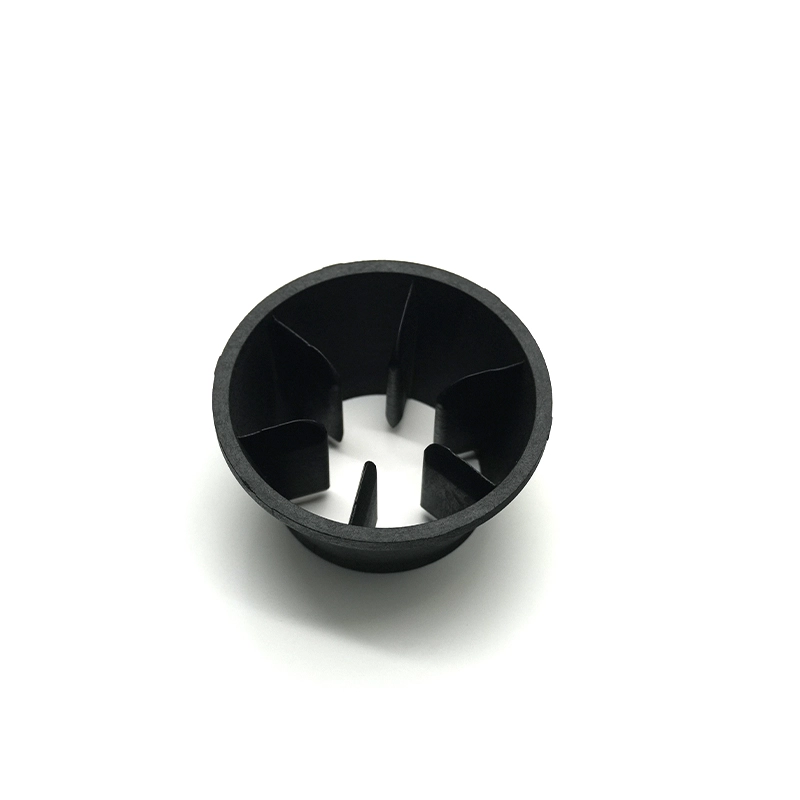
The Bost custom PPO flow valve by injection molding
The BOST Custom PPO Injection-Molded Flow Valve delivers high-temp and corrosion-resistant performance for industrial flow control. Precision-engineered by Bost, this custom PPO valve ensures durable, reliable operation in demanding environments. Optimize your process with BOST’s advanced injection-molded solution.
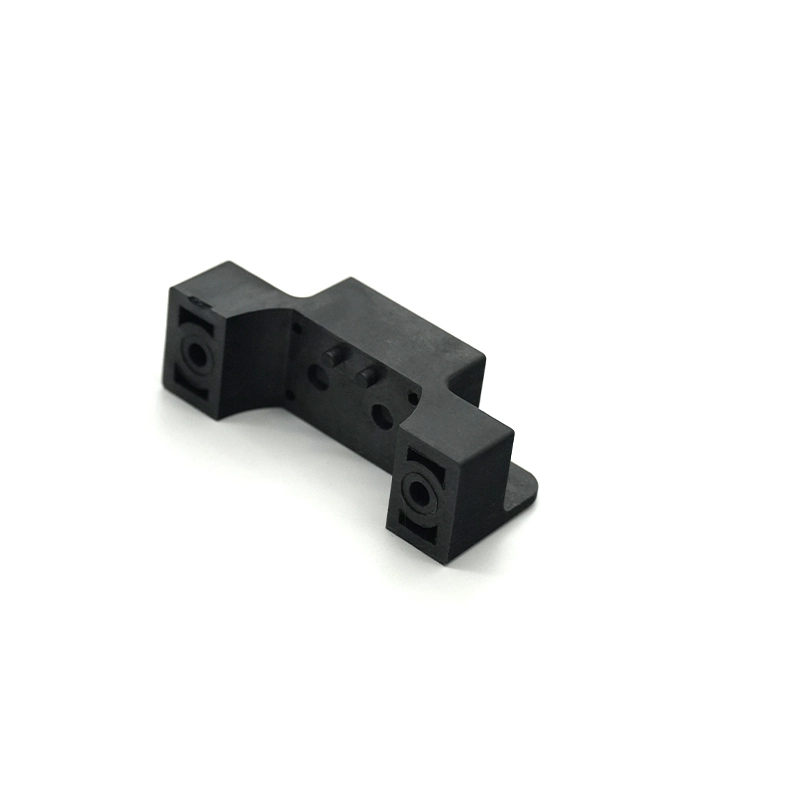
The Bost custom plastic handle by injection molding with high performance PPS material
BOST Custom PPS Injection-Molded Wear-Resistant Handle delivers superior durability and high performance. Made from High Quality PPS material, this injection-molded handle ensures exceptional wear resistance, ideal for demanding applications and long-lasting use. Choose BOST for quality and reliability.
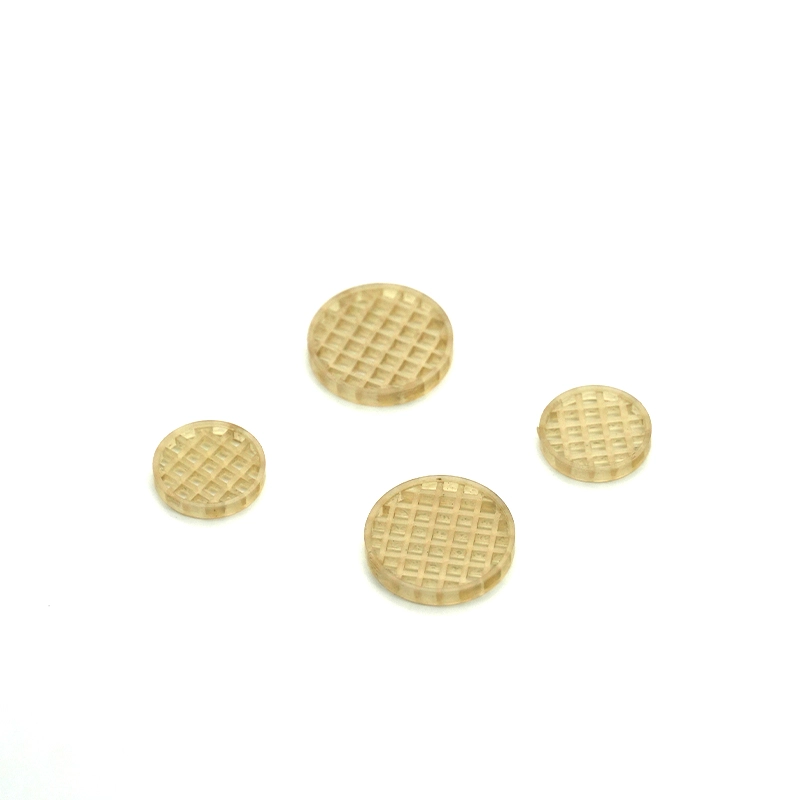
The Bost custom flow meter by injection molding with PES plastic
The Bost Custom PES Injection-Molded Flow Meter offers high-temperature and corrosion resistance, ideal for industrial use. Made with durable PES plastic via precision injection molding, this flow meter ensures reliable, customized performance for demanding applications. Trust Bost for quality and innovation.
Get in touch with Bost
Have any questions or concerns about our products? Please leave us a message here, and our team will get back to you promptly.

24 hours quotes delivered
Submit CAD files, get quote in 24 hours

No MOQ required
From prototyping to high-volume

±0.02 mm Precision
Advanced CNC with full inspections

1,000+ tons in stock
26 materials ready to ship
© 2026 BOST. All Rights Reserved.