
 Scan QR Code
Send My Request
Quality Control Checklist for PP Plastic Spacer Suppliers
Thursday, 12/25/2025
A comprehensive, practical quality control checklist for suppliers of PP plastic spacer produced by injection molding. Covers material verification, process control, dimensional and mechanical testing, surface quality, packaging, regulatory compliance, supplier audits, and corrective actions to ensure consistent, high-quality plastic spacers.
- Quality Control Checklist for PP Plastic Spacer Suppliers
- Introduction: Why a dedicated QC checklist matters for plastic spacer production
- Material verification: Confirming polypropylene grade and certificates
- Incoming raw material inspection: Sampling, testing, and acceptance
- Mold and tooling verification: Ensuring consistent part geometry
- Process control during injection molding: SPC and parameter locking
- Dimensional inspection and tolerance control: Measurement methods
- Mechanical and functional testing: Tensile, compressive and performance tests
- Surface quality and aesthetics: Visual standards and defect acceptance
- Functional testing specific to plastic spacers: Fit, stackability, and insulation
- Packaging, labeling and traceability: Protecting parts through the supply chain
- Regulatory compliance and certifications: Food contact, RoHS, REACH and ISO
- Nonconformance handling, corrective actions and continuous improvement
- Supplier audits and on-site verification: What to look for during audits
- Quality documentation and data retention: Reports to provide customers
- QC checklist table: Quick reference for inspection points
- Brand advantages: Why choose an experienced PP plastic spacer supplier
- Frequently Asked Questions (FAQ)
- Q1: What inspections should I expect with my first order of PP plastic spacer?
- Q2: How often should suppliers perform SPC on plastic spacer production?
- Q3: Can PP plastic spacers be used outdoors or in high-temperature environments?
- Q4: What traceability should a quality-conscious supplier provide?
- Q5: What are common causes of warpage or sink marks in PP spacers?
- Contact us / View product
- References and authoritative sources
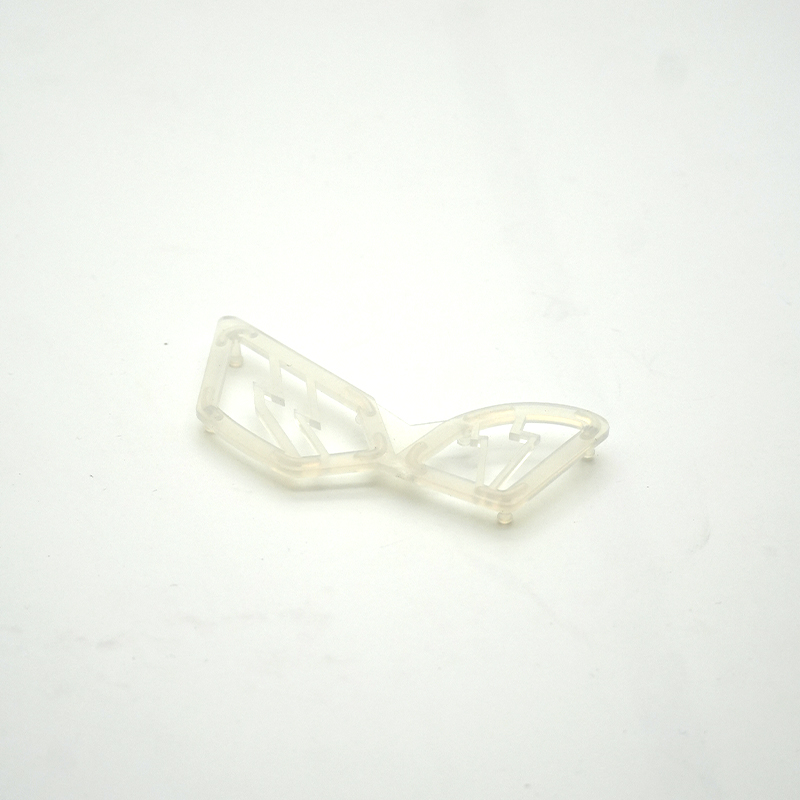
Quality Control Checklist for PP Plastic Spacer Suppliers
Introduction: Why a dedicated QC checklist matters for plastic spacer production
Plastic spacer components, especially the PP plastic spacer by injection molding, are used across construction, electronics packaging, automotive assemblies, and consumer goods. Even small deviations in dimensions, material properties, or surface quality can cause assembly failures, product recalls, or field warranty costs. A structured quality control (QC) checklist helps suppliers consistently meet customer specifications, lower scrap, and demonstrate traceability and compliance. This article provides a practical, supplier-focused QC checklist that aligns technical controls with for buyers searching for a trustworthy plastic spacer supplier.
Material verification: Confirming polypropylene grade and certificates
Begin every production run by verifying raw material certificates and traceability. For PP plastic spacer parts, confirm the polypropylene grade (homopolymer or copolymer), melt flow index (MFI), density, and any additives (UV stabilizers, flame retardants). Require the material supplier to provide a Certificate of Analysis (CoA) and batch number. Perform incoming checks for odor, color, and basic physical checks such as melt flow index and density to ensure the resin matches the CoA before processing.
Incoming raw material inspection: Sampling, testing, and acceptance
Incoming inspections should follow a documented sampling plan (e.g., ANSI/ASQ Z1.4 sampling table). Tests to perform at receipt include:
- Visual inspection for contamination or moisture.
- Melt Flow Index (MFI) to confirm processing behavior.
- Density check.
- Moisture content (for hygroscopic materials) though PP is low-moisture sensitive, pellets can still carry surface humidity that affects finish.
Document all results and reject batches that deviate beyond agreed tolerances.
Mold and tooling verification: Ensuring consistent part geometry
Tool condition is a primary driver of dimensional accuracy and surface aesthetics. Before production, inspect the mold for wear, cavity alignment, venting condition, gate integrity, and presence of corrosion. Check that cooling channels are clean and functioning—uneven cooling causes warpage and sink marks in PP plastic spacer parts. Validate that mold maintenance logs and trial run reports are available. For new tools, run mold approval samples and keep trial records.
Process control during injection molding: SPC and parameter locking
Injection molding process stability is essential. Lock and document critical process parameters such as barrel temperatures, injection speed, injection pressure, screw back position, holding pressure and time, cooling time, and cycle time. Use Statistical Process Control (SPC) charts for critical dimensions and process variables to detect drift. Implement machine capability studies (Cp/Cpk) to verify process capability. Keep the process window narrow for PP plastic spacer production to reduce shot-to-shot variability.
Dimensional inspection and tolerance control: Measurement methods
Dimensional compliance is the most common source of customer rejections. Develop a measurement plan with frequency by lot size (e.g., 5 pieces per 1000 or per shift) and specify the measuring tools: calibrated calipers, height gauges, optical comparators, or CMM for high-precision parts. Provide first-article inspection (FAI) reports for new orders or tool changes. For stackable or interfacing plastic spacers, check stack height, pin diameter, hole positions, and concentricity to mating features.
Mechanical and functional testing: Tensile, compressive and performance tests
Although spacers are often non-structural, they must sustain compression loads and maintain separation under service conditions. Recommended tests:
- Compression/load-bearing test to specified load and deflection criteria.
- Tensile/flexural testing if specified in design.
- Izod/Charpy impact (if impact resistance is relevant).
- Thermal stability and heat deflection temperature (HDT) for high-temperature applications.
- Long-term creep testing for load-bearing spacers.
Document test methods and acceptance criteria based on customer requirements or referenced standards.
Surface quality and aesthetics: Visual standards and defect acceptance
Surface defects such as flash, sink marks, flow lines, weld lines, or discoloration can indicate processing issues. Create a visual defect classification table and sample images so operators and inspectors share the same standards. Check for burrs or sharp edges that could damage mating parts. For customers requiring color matching, conduct colorimeter readings and provide batch color reports. UV or weather-resistance ratings should be validated for outdoor-use spacers.
Functional testing specific to plastic spacers: Fit, stackability, and insulation
Test the spacer in representative assemblies to ensure fit and function. Key checks include:
- Stackability and interlocking capability for spacers designed to nest.
- Clearance and interference checks with mating hardware (screws, bolts, PCB standoffs).
- Electrical insulation resistance if used in electronic assemblies.
- Compatibility with lubricants, adhesives, or potting compounds used in final assembly.
Functional testing simulates end-use and catches issues that dimensional data alone may not reveal.
Packaging, labeling and traceability: Protecting parts through the supply chain
Define packaging standards that prevent deformation (avoid stacking heavy boxes on soft parts), reduce contamination, and provide ESD protection if needed. Each package should have a batch code, production date, mold/tool number, and quantity. Maintain traceability records linking each delivery to raw material batch numbers and process records to support root-cause investigations and recalls if needed.
Regulatory compliance and certifications: Food contact, RoHS, REACH and ISO
Depending on application, confirm applicable regulatory requirements. For food-contact spacers, validate compliance with FDA or EU food contact regulations and ask for specific migration test reports. Confirm REACH and RoHS status for European supply. Maintain quality system certifications (ISO 9001) and be prepared to supply compliance documents on request.
Nonconformance handling, corrective actions and continuous improvement
Implement a documented procedure for nonconforming product: quarantine, root-cause analysis (RCA), containment, and corrective action (CAPA). Use tools such as 8D or 5 Whys and tie corrective actions to supplier scorecards. Maintain trend analysis to detect recurring issues and drive continuous improvement initiatives—this reduces incidence of defects and improves on-time delivery.
Supplier audits and on-site verification: What to look for during audits
Conduct regular supplier audits focusing on production floor practices, process control, equipment maintenance, calibration systems, and employee training. An audit checklist should include traceability, FAI records, SPC implementation, tool maintenance logs, storage conditions, and corrective action records. For new tool approval, perform a process capability study and validate the first 100–500 pieces before full production.
Quality documentation and data retention: Reports to provide customers
Customers typically expect documentation with deliveries: CoA for resin, FAI for new tools, SPC charts or statistical summaries, dimensional reports (first-piece and ongoing samples), and test reports for mechanical or thermal testing. Retain records per contractual or regulatory requirements (commonly 2–7 years) to support warranty claims and compliance audits.
QC checklist table: Quick reference for inspection points
Below is a compact table summarizing core checkpoints, test methods, and acceptance criteria for PP plastic spacer production.
| QC Checkpoint | Method / Tool | Typical Acceptance Criteria |
|---|---|---|
| Raw material CoA | Document review, MFI test | Grade matches order; MFI ±10% of spec |
| Mold condition | Visual inspection, trial parts | No visible wear; trial parts within tolerance |
| Process parameters | Machine log, SPC charts | Within locked process window; Cp/Cpk ≥ 1.33 |
| Dimensional checks | Calipers/CMM; FAI | Per drawing tolerances |
| Compression/functional test | Universal test machine | Meets specified load/deflection |
| Visual/aesthetic | Visual inspection against standard | No critical defects; minor defects per AQL |
| Packing and labeling | Visual check | Correct labels, batch codes present |
Brand advantages: Why choose an experienced PP plastic spacer supplier
A qualified supplier delivers consistent quality, technical support, and supply reliability. Key advantages to promote include:
- Specialization in engineering plastics and injection molding for precision parts.
- In-house tooling and moldmaking for faster iteration and better fit control.
- Accredited quality systems (ISO 9001) and capability studies (Cp/Cpk).
- On-site testing lab for MFI, tensile, compression and dimensional verification.
- Full traceability from resin batch to finished package and digital SPC records.
These strengths reduce lead times, ensure consistency for high-volume production, and simplify supplier management for buyers of PP plastic spacer components.
Frequently Asked Questions (FAQ)
Q1: What inspections should I expect with my first order of PP plastic spacer?
A: For the first order, expect a First Article Inspection (FAI) including dimensional measurements (CMM/calipers), visual check, material CoA verification, and process parameter documentation. Functional tests like compression or fit checks should also be performed when the spacer interfaces with other parts.
Q2: How often should suppliers perform SPC on plastic spacer production?
A: SPC should be active from the first production run. For stable processes, sample measurements every 30–200 shots or per shift (depending on cycle time and part criticality) are common. Use control charts for key dimensions and process parameters and define alarm limits for immediate action.
Q3: Can PP plastic spacers be used outdoors or in high-temperature environments?
A: Standard PP has good chemical resistance and low moisture uptake but limited UV and high-temperature resistance. For outdoor use, ask for UV-stabilized grades; for higher temperatures, evaluate copolymers or higher-performance polymers and verify HDT/creep performance through testing.
Q4: What traceability should a quality-conscious supplier provide?
A: At minimum, provide resin CoA and batch number, tool/mold number, production date, lot quantity, and inspection records. For regulated industries, maintain retained samples and electronic records for the required retention period.
Q5: What are common causes of warpage or sink marks in PP spacers?
A: Common causes include uneven cooling, insufficient packing/holding pressure, poor gate design, too-thin or too-thick sections, and mold temperature variation. A mold flow analysis during design and disciplined process control during production mitigate these defects.
Contact us / View product
After verifying supplier quality systems, manufacturers often explore customizing PP plastic spacers: design tips for manufacturers to improve fit, tolerance, and application-specific performance.If you are sourcing PP plastic spacer by injection molding and need a supplier who follows rigorous quality control, contact our sales team at sales@yourcompany.com or visit /products/pp-plastic-spacer to request samples, FAI reports, or a supplier audit. We provide detailed QC documentation, in-house testing, and custom tooling services to meet your specifications.
References and authoritative sources
For technical background and regulatory context, consult these authoritative resources:
- Polypropylene — Wikipedia: https://en.wikipedia.org/wiki/Polypropylene
- Injection molding — Wikipedia: https://en.wikipedia.org/wiki/Injection_molding
- PlasticsEurope — PP factsheet: https://www.plasticseurope.org/en/about-plastics/what-are-plastics/types-plastics/pp-polypropylene
- ISO 9001 — Quality management systems: https://www.iso.org/iso-9001-quality-management.
- ASTM International — Standards (e.g., tensile testing): https://www.astm.org/
- U.S. FDA — Food contact substances & polymer packaging: https://www.fda.gov/food/packaging-food-contact-substances-fcs/polymeric-food-packaging
Tags
Tough & Tight-Bonded Components
Tough & Tight-Bonded Components
PEEK plastic Gasket
PEEK plastic Gasket
NBR material seal
NBR material seal
Tough Decorative Shell
Tough Decorative Shell
Wear-Resistant Shaft Protection
Wear-Resistant Shaft Protection
Glass fiber filled Nylon
Glass fiber filled Nylon
Recommended for you
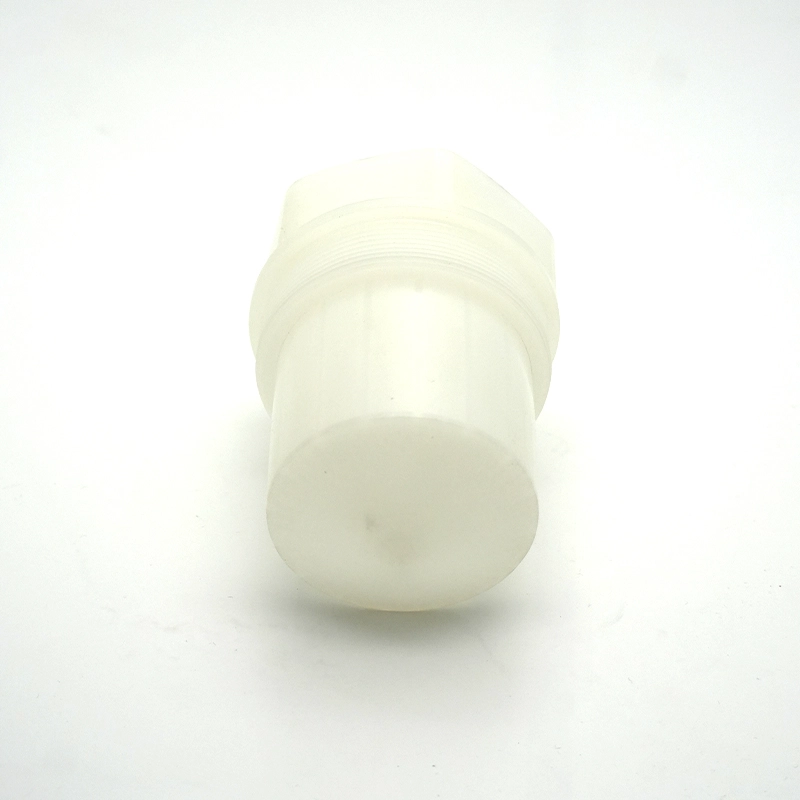
Comparing Fluoroplastic Choices: Why PVDF for Machine Covers
Mold Design Tips for Reliable PEEK Overmolding
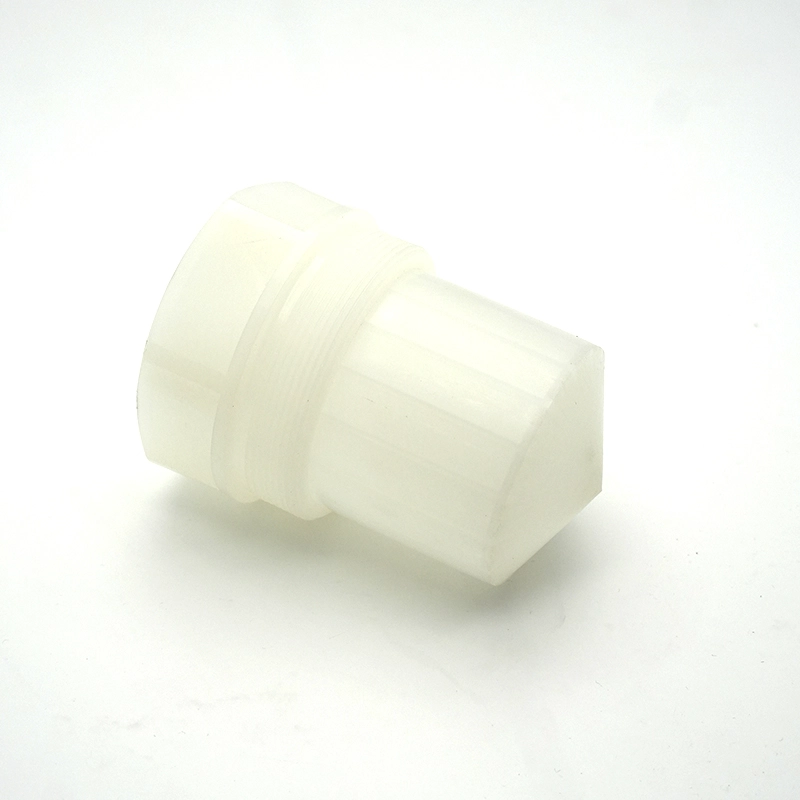
Installation and Maintenance Guidelines for PVDF Screw-Cover Systems
Sustainable Practices in Insert Injection Molding: A Practical Guide for Manufacturers
Prdoucts Categories
Question you may concern
FAQs
What is the minimum order quantity (MOQ)? Do you support small-batch trial production?
The MOQ for standard products is ≥100kg. We support small-batch trial production (as low as 20kg) and provide mold testing reports and performance data feedback.
Can Bost customize modified plastics with special properties?
Yes! We offer modification services such as reinforcement, flame retardancy, conductivity, wear resistance, and UV resistance, for example:
• Adding carbon fiber to enhance stiffness
• Reducing the coefficient of friction through PTFE modification
• Customizing food-grade or medical-grade certified materials
What is the delivery lead time? Do you offer global logistics?
Standard products: 5–15 working days; custom modifications: 2–4 weeks. We support global air/sea freight and provide export customs clearance documents (including REACH/UL certifications).
How do I select the appropriate engineering plastic grade for my product?
Selection should be based on parameters such as load conditions (e.g., pressure/friction), temperature range, medium contact (e.g., oil/acid), and regulatory requirements (e.g., FDA/RoHS). Our engineers can provide free material selection consulting and sample testing.
What are the core advantages of Bost engineering plastics compared to ordinary plastics?
Bost engineering plastics feature ultra-high mechanical strength, high-temperature resistance (-50°C to 300°C), chemical corrosion resistance, and wear resistance. Compared to ordinary plastics, their service life is extended by 3 to 8 times, making them suitable for replacing metals in harsh environments.
You may also like
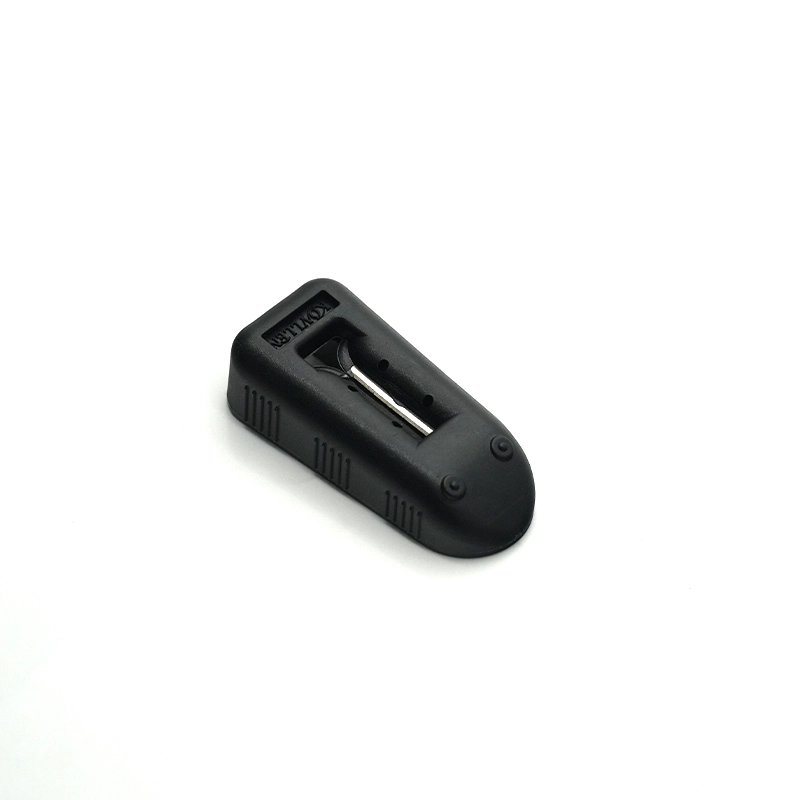
The plastic plug manufactured by Insert molding with stainless steel plate
Bost’s Insert-Molded Stainless Steel Plate Plastic Plug offers superior durability and corrosion resistance. This stainless steel insert durable plastic plug ensures a secure fit and long-lasting performance, ideal for industrial and commercial applications. Robust design meets quality standards.
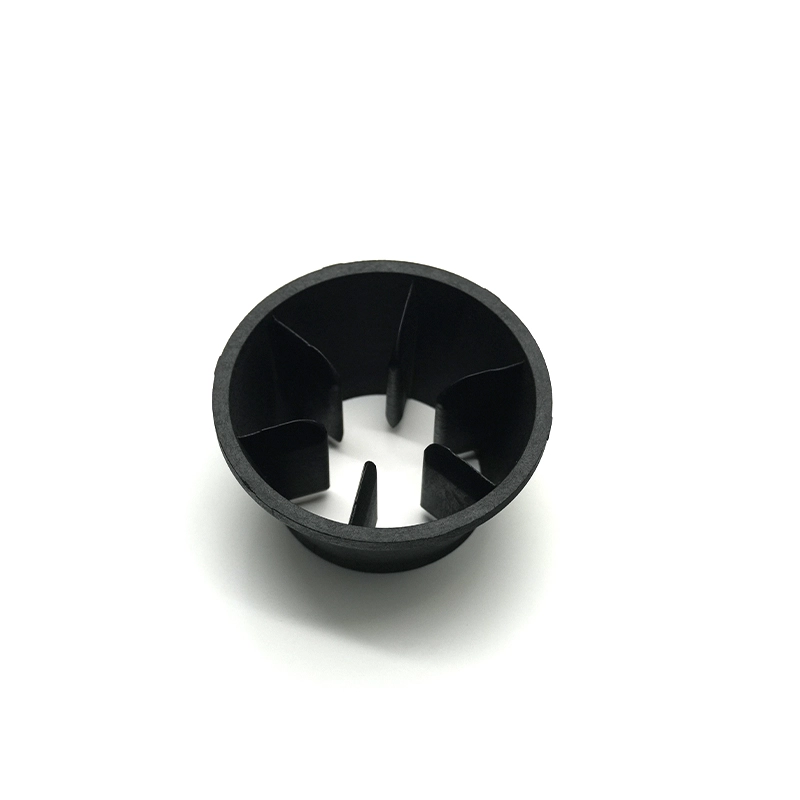
The Bost custom PPO flow valve by injection molding
The BOST Custom PPO Injection-Molded Flow Valve delivers high-temp and corrosion-resistant performance for industrial flow control. Precision-engineered by Bost, this custom PPO valve ensures durable, reliable operation in demanding environments. Optimize your process with BOST’s advanced injection-molded solution.
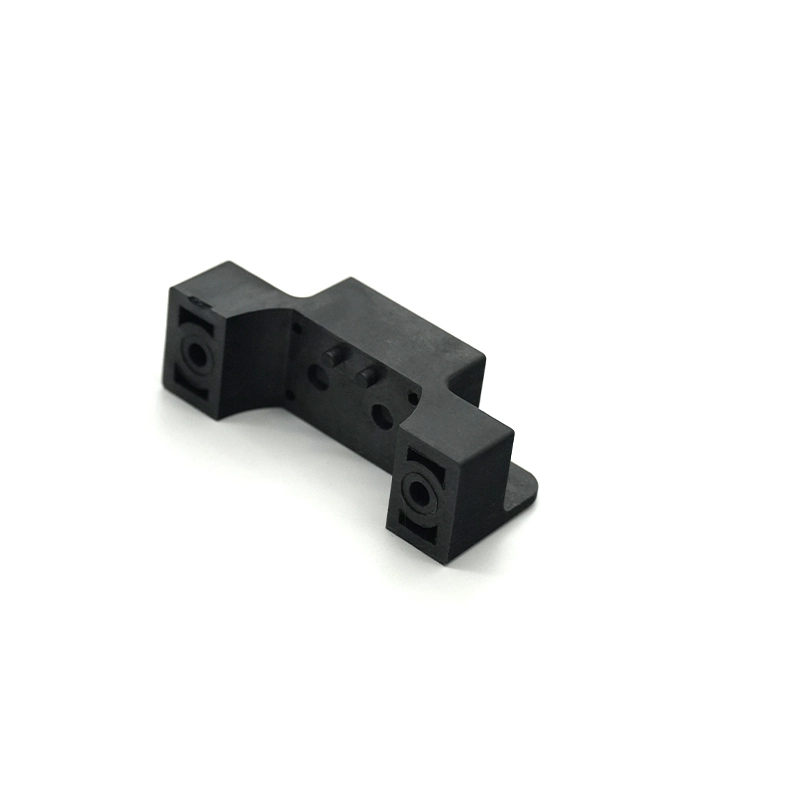
The Bost custom plastic handle by injection molding with high performance PPS material
BOST Custom PPS Injection-Molded Wear-Resistant Handle delivers superior durability and high performance. Made from High Quality PPS material, this injection-molded handle ensures exceptional wear resistance, ideal for demanding applications and long-lasting use. Choose BOST for quality and reliability.
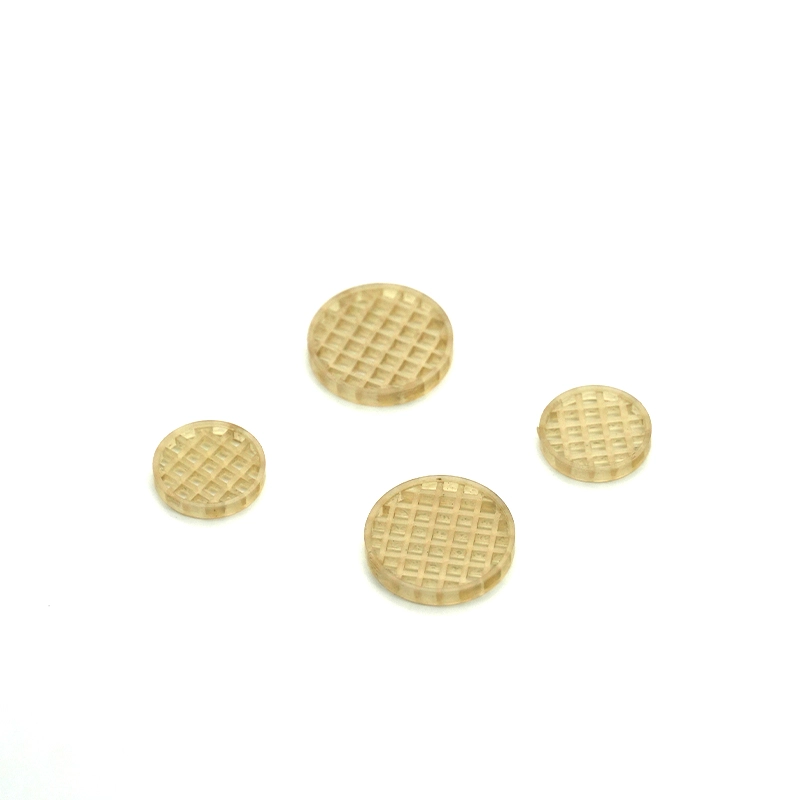
The Bost custom flow meter by injection molding with PES plastic
The Bost Custom PES Injection-Molded Flow Meter offers high-temperature and corrosion resistance, ideal for industrial use. Made with durable PES plastic via precision injection molding, this flow meter ensures reliable, customized performance for demanding applications. Trust Bost for quality and innovation.
Get in touch with Bost
Have any questions or concerns about our products? Please leave us a message here, and our team will get back to you promptly.

24 hours quotes delivered
Submit CAD files, get quote in 24 hours

No MOQ required
From prototyping to high-volume

±0.02 mm Precision
Advanced CNC with full inspections

1,000+ tons in stock
26 materials ready to ship
© 2026 BOST. All Rights Reserved.