
 Scan QR Code
Send My Request
How to source The Bost custom PPO flow valve by injection molding
Saturday, 03/21/2026
The Bost custom PPO flow valve by injection molding is an engineered plastic component designed for high-temperature, corrosion-resistant industrial flow control. This guide explains material selection, injection-molding considerations, supplier evaluation, testing and quality assurance to help procurement and engineering teams source and optimize The Bost custom PPO flow valve for reliable long-term operation.
- Selecting the right engineered plastic components for high-temp flow control
- Why PPO is suitable for industrial flow valves
- Comparing PPO with alternative engineered plastics
- Key engineered plastic considerations for valve performance
- Mold design and injection molding process best practices
- Designing tooling for The Bost custom PPO flow valve
- Processing parameters and quality control
- Surface treatments and post-processing options
- Supplier selection and qualification for custom injection-molded valves
- Evaluating suppliers of engineered plastic components
- Audits, sample cycles and pilot runs
- Intellectual property and tooling ownership
- Testing, standards and performance validation
- Recommended tests for PPO flow valves
- Relevant industry standards and reference materials
- Documenting performance for procurement and compliance
- Cost, lead time and risk mitigation strategies
- Understanding cost drivers for custom injection-molded valves
- Reducing lead time without sacrificing quality
- Risk mitigation: warranties, service agreements and local support
- FAQ — Sourcing The Bost custom PPO flow valve by injection molding
- Q: What temperatures can The Bost custom PPO flow valve withstand?
- Q: How does injection molding affect chemical resistance?
- Q: Can The Bost custom PPO flow valve be used in food or medical applications?
- Q: What lead time should I expect for tooling and initial production?
- Q: Where can I find technical references about PPO and plastics processing?
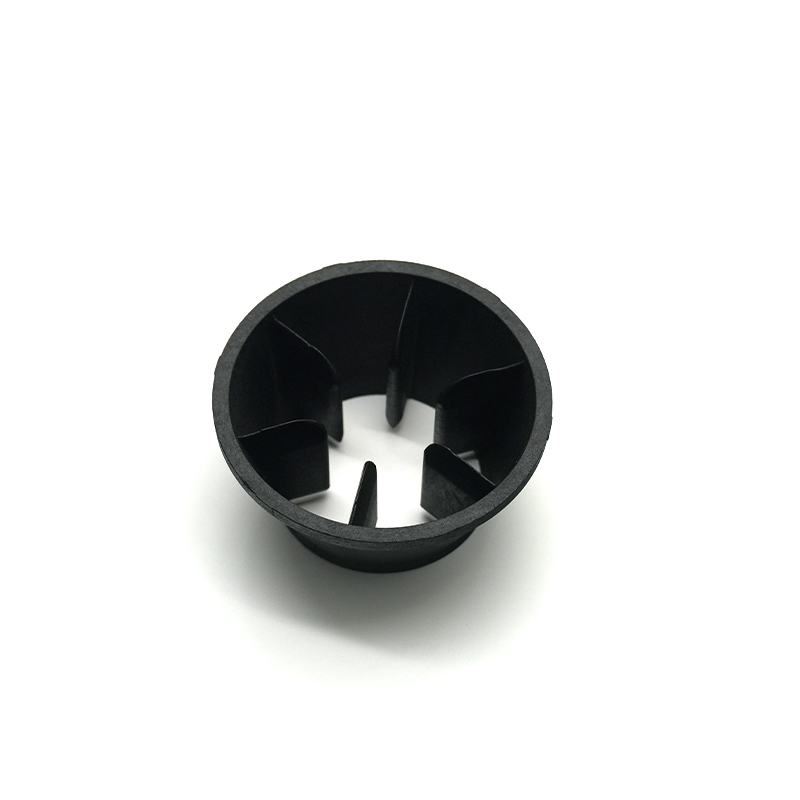
The Bost custom PPO flow valve by injection molding provides a reliable engineered plastic components solution for demanding industrial flow-control applications that require high heat resistance and chemical stability. This article outlines practical steps to source, evaluate, and qualify The BOST Custom PPO Injection-Molded Flow Valve—covering material properties, mold and process requirements, supplier selection, testing standards and cost considerations—to help you integrate this injection-molded solution into production with minimal risk.
Selecting the right engineered plastic components for high-temp flow control
Why PPO is suitable for industrial flow valves
Polyphenylene oxide (PPO) is a high-performance thermoplastic valued for its dimensional stability, heat resistance, and chemical resistance, making it a strong candidate for flow-control components. PPO retains stiffness at elevated temperatures and resists many solvents and dilute acids. For an overview of PPO properties, see the PPO article on Wikipedia.
Comparing PPO with alternative engineered plastics
When selecting engineered plastic components such as valves, you should compare key material attributes: maximum service temperature, chemical compatibility, mechanical strength, and processability by injection molding. The table below compares PPO with common high-performance thermoplastics used in valves (PPO, PEEK, PTFE).
| Property | PPO | PEEK | PTFE |
|---|---|---|---|
| Max continuous temp (°C) | ~120–150 | ~250–260 | ~260 |
| Chemical resistance | Good to excellent (many organics) | Excellent | Outstanding |
| Processability by injection molding | Good | Moderate–difficult (high T) | Poor (requires compression molding/processing) |
| Typical applications | Flow fittings, housings, valves | High-temp seals, bearings | Seals, chemically inert linings |
This practical comparison demonstrates why PPO is often chosen for injection-molded engineered plastic components: it balances performance and manufacturability for many industrial valve applications.
Key engineered plastic considerations for valve performance
Beyond polymer selection, consider additives (glass or mineral fillers for stiffness), colorants, and any required flame retardants. Each additive can alter melt flow index (MFI), shrinkage and surface finish—factors that directly affect injection molding tool design and tolerances.
Mold design and injection molding process best practices
Designing tooling for The Bost custom PPO flow valve
Tool design must account for PPO’s thermal behavior, shrinkage and flow characteristics. Critical recommendations include:
- Designing gates and runners to minimize shear and ensure complete filling of thin valve features.
- Implementing cooling channels optimized to maintain uniform temperature and reduce warpage.
- Specifying mold steel and surface finish suitable for long-run production and corrosion resistance where valve parts contact aggressive media.
Processing parameters and quality control
Typical injection parameters for PPO (reference values; validate per grade): melt temperature 250–300°C, mold temperature 80–120°C, injection speed moderate to control shear heating. Control the drying conditions tightly (PPO can be hygroscopic depending on grades) and log process data for traceability. Use Statistical Process Control (SPC) to monitor critical dimensions, weight, and cycle-to-cycle variation.
Surface treatments and post-processing options
Injection-molded PPO valves can be post-processed with machining for critical sealing faces, ultrasonic welding for assemblies, or overmolding with compatible elastomers for integrated seals. Consider plasma or corona treatments for improved adhesion if bonding or painting is required.
Supplier selection and qualification for custom injection-molded valves
Evaluating suppliers of engineered plastic components
When sourcing The Bost custom PPO flow valve by injection molding, evaluate prospective suppliers across technical capability, quality systems, and manufacturing footprint. Key evaluation criteria:
- Experience with PPO and other high-temp engineered plastics.
- In-house tooling and mold-making capability vs. reliance on third parties.
- Quality certifications (e.g., ISO 9001, and industry-specific standards). See ISO plastics standards overview at ISO - Plastics.
- Testing laboratories and ability to perform chemical compatibility, thermal, and mechanical testing.
Audits, sample cycles and pilot runs
Do not skip on-site audits and pilot production runs. A supplier should provide first-article inspections (FAI), PPAP-like documentation where applicable, and sample parts produced under representative conditions. This reduces risk when moving to full-scale production.
Intellectual property and tooling ownership
Clarify ownership of molds and intellectual property upfront. For custom engineered plastic components like The Bost custom PPO flow valve by injection molding, many OEMs require documentation that tooling will be stored, maintained and shipped only with written consent.
Testing, standards and performance validation
Recommended tests for PPO flow valves
To ensure reliable performance, test valves for:
- Dimensional accuracy and tolerance (CMM inspection reports).
- Leak and pressure testing under expected operating conditions.
- Accelerated thermal aging and chemical exposure tests relevant to media and temperature.
- Mechanical cycling to simulate valve actuation life—verify no creep or catastrophic failure.
Relevant industry standards and reference materials
Reference relevant standards during testing: general plastics standards and material test methods from ISO, and industry guidance from organizations like the Society of Plastics Engineers (SPE) and the Plastics Industry Association. These organizations provide technical resources and whitepapers on polymer processing and component qualification.
Documenting performance for procurement and compliance
Maintain an organized dossier for each production lot including material certificates of conformity (CoC), molding process logs, inspection reports, and test results. This supports compliance audits and downstream traceability when using engineered plastic components in safety-critical systems.
Cost, lead time and risk mitigation strategies
Understanding cost drivers for custom injection-molded valves
Major cost drivers include tooling complexity, part geometry, cycle time, material grade (PPO vs specialty blends), and secondary operations. Early collaboration between design, procurement and tooling engineers can reduce unnecessary complexity and lower total cost of ownership.
Reducing lead time without sacrificing quality
Strategies to shorten lead times:
- Use standardized mold bases where possible.
- Approve mold flow and tooling early to prevent rework cycles.
- Order long-lead raw materials (specific PPO grades) once design is frozen.
- Run pre-production pilot batches for early validation.
Risk mitigation: warranties, service agreements and local support
Negotiate warranties and service-level agreements (SLAs) with suppliers that cover tooling maintenance, defect resolution and part replacement. Local technical support or global sourcing partners with regional hubs can significantly reduce downtime for critical engineered plastic components.
FAQ — Sourcing The Bost custom PPO flow valve by injection molding
Q: What temperatures can The Bost custom PPO flow valve withstand?
A: Typical PPO grades used in injection-molded valves perform reliably in continuous service up to about 120–150°C. For precise service limits, consult the specific PPO grade material data sheet and the manufacturer’s recommendations.
Q: How does injection molding affect chemical resistance?
A: Injection molding itself does not inherently reduce chemical resistance; however, additives, fillers and potential surface defects from molding can influence long-term compatibility. Validate chemical compatibility through exposure testing with actual process media.
Q: Can The Bost custom PPO flow valve be used in food or medical applications?
A: Use in regulated applications requires selecting PPO grades certified for food or medical contact and following applicable standards (e.g., FDA for food contact). Verify material certifications and supplier documentation before approval.
Q: What lead time should I expect for tooling and initial production?
A: Typical lead times depend on tooling complexity but expect 8–16 weeks for mold fabrication and initial validation; injection molding production batches vary by supplier capacity. Plan for pilot runs and qualification time when scheduling.
Q: Where can I find technical references about PPO and plastics processing?
A: Authoritative resources include the PPO overview on Wikipedia, industry guidance from the Society of Plastics Engineers, and standards information at the ISO Plastics pages.
If you are ready to evaluate or order The Bost custom PPO flow valve by injection molding, contact our technical sales team to request samples, material datasheets, and a quotation. View product details or get in touch with support: View product | Contact us.
Tags
Impact-resistant leak-proof
Impact-resistant leak-proof
custom plastic injection molding
custom plastic injection molding
PEEK plastic Gasket
PEEK plastic Gasket
Easy-Operate Durable
Easy-Operate Durable
china custom injection molding
china custom injection molding
Wear-Resistant Shaft Protection
Wear-Resistant Shaft Protection
Recommended for you
How Plastic Bushings Improve Noise and Vibration Control
Top 10 manufacturers of engineered plastic components
Corrosion-Free Benefits of ABS Plastic Connectors
Bulk Procurement Tips for Plastic Connector Buyers
Prdoucts Categories
Question you may concern
FAQs
What is the minimum order quantity (MOQ)? Do you support small-batch trial production?
The MOQ for standard products is ≥100kg. We support small-batch trial production (as low as 20kg) and provide mold testing reports and performance data feedback.
Can Bost customize modified plastics with special properties?
Yes! We offer modification services such as reinforcement, flame retardancy, conductivity, wear resistance, and UV resistance, for example:
• Adding carbon fiber to enhance stiffness
• Reducing the coefficient of friction through PTFE modification
• Customizing food-grade or medical-grade certified materials
What is the delivery lead time? Do you offer global logistics?
Standard products: 5–15 working days; custom modifications: 2–4 weeks. We support global air/sea freight and provide export customs clearance documents (including REACH/UL certifications).
What are the core advantages of Bost engineering plastics compared to ordinary plastics?
Bost engineering plastics feature ultra-high mechanical strength, high-temperature resistance (-50°C to 300°C), chemical corrosion resistance, and wear resistance. Compared to ordinary plastics, their service life is extended by 3 to 8 times, making them suitable for replacing metals in harsh environments.
How do I select the appropriate engineering plastic grade for my product?
Selection should be based on parameters such as load conditions (e.g., pressure/friction), temperature range, medium contact (e.g., oil/acid), and regulatory requirements (e.g., FDA/RoHS). Our engineers can provide free material selection consulting and sample testing.
You may also like
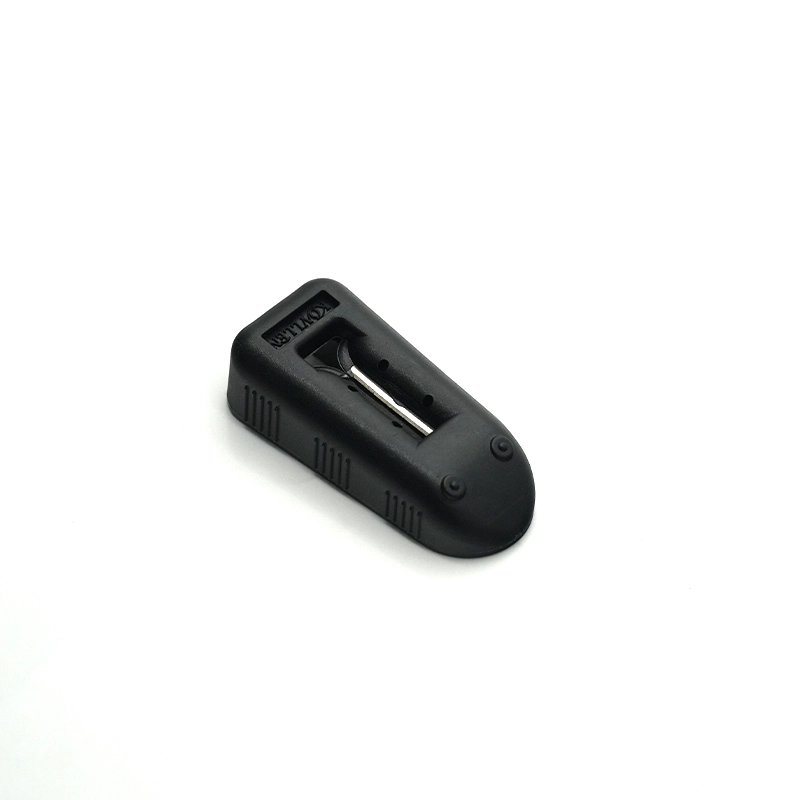
The plastic plug manufactured by Insert molding with stainless steel plate
Bost’s Insert-Molded Stainless Steel Plate Plastic Plug offers superior durability and corrosion resistance. This stainless steel insert durable plastic plug ensures a secure fit and long-lasting performance, ideal for industrial and commercial applications. Robust design meets quality standards.
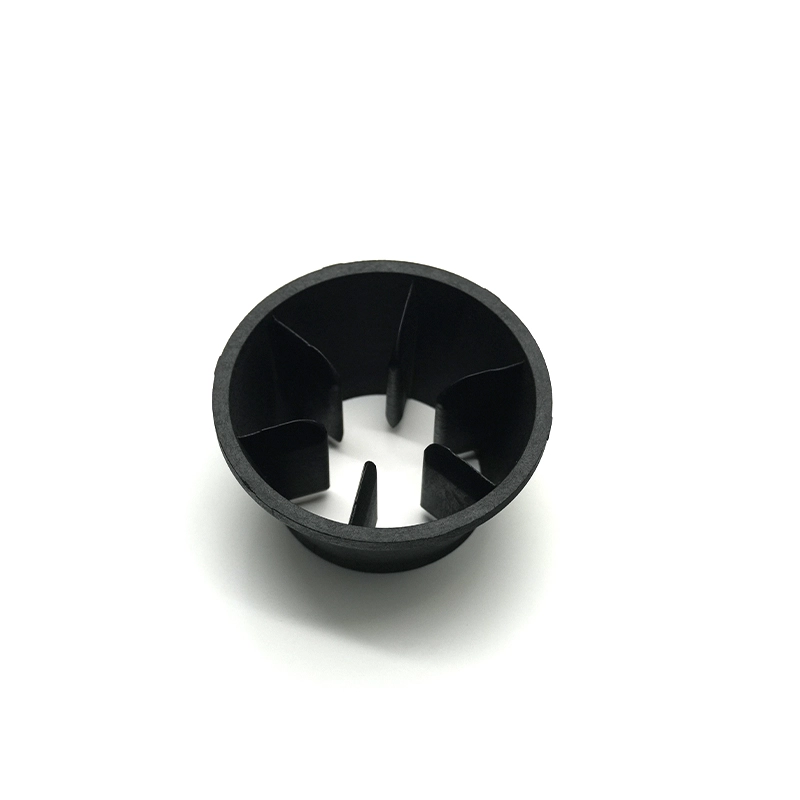
The Bost custom PPO flow valve by injection molding
The BOST Custom PPO Injection-Molded Flow Valve delivers high-temp and corrosion-resistant performance for industrial flow control. Precision-engineered by Bost, this custom PPO valve ensures durable, reliable operation in demanding environments. Optimize your process with BOST’s advanced injection-molded solution.
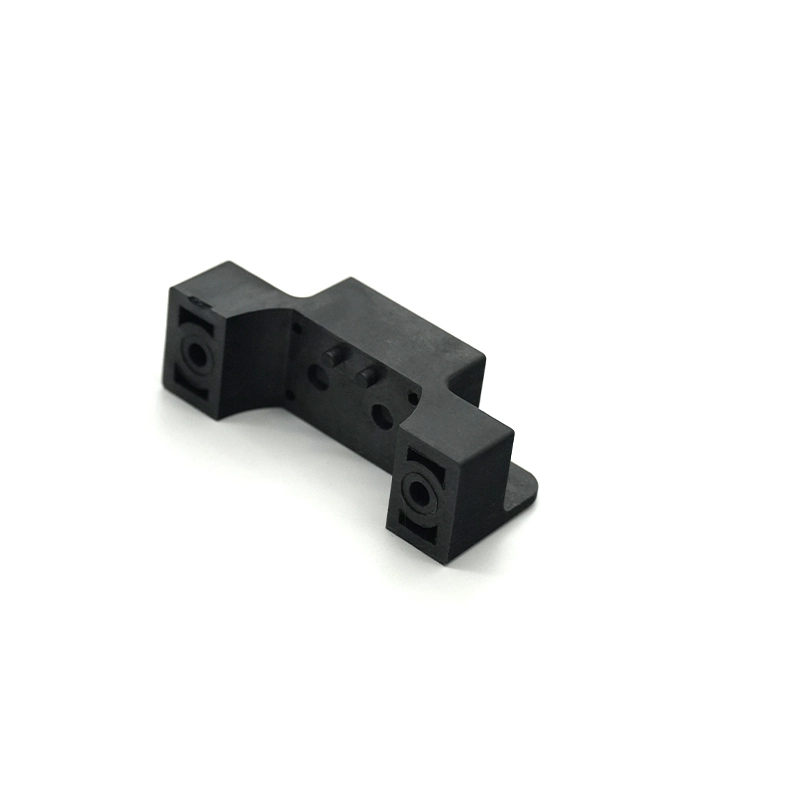
The Bost custom plastic handle by injection molding with high performance PPS material
BOST Custom PPS Injection-Molded Wear-Resistant Handle delivers superior durability and high performance. Made from High Quality PPS material, this injection-molded handle ensures exceptional wear resistance, ideal for demanding applications and long-lasting use. Choose BOST for quality and reliability.
The Bost custom flow meter by injection molding with PES plastic
The Bost Custom PES Injection-Molded Flow Meter offers high-temperature and corrosion resistance, ideal for industrial use. Made with durable PES plastic via precision injection molding, this flow meter ensures reliable, customized performance for demanding applications. Trust Bost for quality and innovation.
Get in touch with Bost
Have any questions or concerns about our products? Please leave us a message here, and our team will get back to you promptly.

24 hours quotes delivered
Submit CAD files, get quote in 24 hours

No MOQ required
From prototyping to high-volume

±0.02 mm Precision
Advanced CNC with full inspections

1,000+ tons in stock
26 materials ready to ship
© 2026 BOST. All Rights Reserved.