
 Scan QR Code
Send My Request
How to Test and Measure Wear on PE Plastic Bushes
Thursday, 12/11/2025
A practical, step-by-step guide to testing and measuring wear on PE plastic bushes. Covers inspection techniques, laboratory tests (pin-on-disk, block-on-ring), in-situ measurement, data analysis, an example wear-rate calculation, best practices to extend bushing life, and why Bost PE Plastic Bushes are a reliable choice for heavy-duty applications.
- How to Test and Measure Wear on PE Plastic Bushes
- Introduction: Why measuring wear on plastic bushing matters
- Overview of wear mechanisms in PE plastic bushings (plastic bushing)
- Common test methods for plastic bushing wear testing (plastic bushing wear testing)
- Standards and references
- Practical step-by-step procedure to measure wear on PE Plastic Bushes (measuring wear on PE Plastic Bushes)
- 1) Define test objectives and conditions
- 2) Select test method
- 3) Prepare samples and instrumentation
- 4) Run the test and record data
- 5) Calculate wear metrics
- Example calculation
- Field measurement: in-situ techniques for plastic bushing condition monitoring (in-situ monitoring of plastic bushing)
- Interpreting results and setting maintenance thresholds (plastic bushing performance)
- Best practices to improve wear test reliability and repeatability (plastic bushing testing best practices)
- How tribological data informs material selection and design (plastic bushing material selection)
- Comparative summary: test methods, typical outcomes, and when to use each (plastic bushing comparison)
- Why choose Bost PE Plastic Bushes — performance and testing advantages (PE Plastic Bushes)
- FAQ — Common questions about testing wear on plastic bushings
- Q: Which wear metric is most useful for comparing bushings?
- Q: How often should I measure wear in the field?
- Q: Can lab test results predict field life exactly?
- Q: What instruments are recommended for precise wear measurement?
- Q: What replacement threshold should I use for a PE plastic bushing?
- Contact us / Check Bost PE Plastic Bushes
- Authoritative references
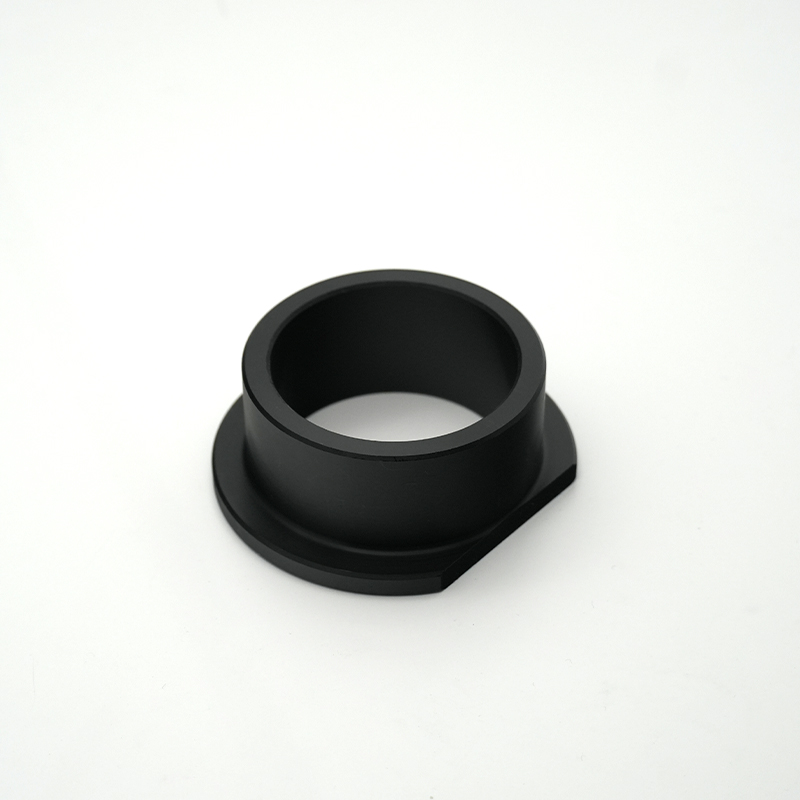
How to Test and Measure Wear on PE Plastic Bushes
Introduction: Why measuring wear on plastic bushing matters
Plastic bushings are critical components that protect shafts, reduce friction, and extend equipment life. Accurate measurement of wear on plastic bushing components helps predict maintenance intervals, verify material selection, and reduce downtime. Bost PE Plastic Bushes offer superior wear-resistant shaft protection and friction-reducing adaptation for enhanced machinery performance. Engineered for durability, these bushes minimize wear and extend equipment life, ensuring reliable and efficient operation in demanding industrial applications.
Overview of wear mechanisms in PE plastic bushings (plastic bushing)
Understanding how polyethylene (PE) bushings wear is the first step to choosing test methods and interpreting results. Wear mechanisms common to PE plastic bushings include adhesive transfer, abrasive wear from contaminants, fatigue wear from repeated cyclic loading, and thermal softening under high frictional heating. Environmental factors—temperature, humidity, presence of chemicals—and operating conditions like load, sliding speed, and lubrication state dramatically influence wear rates.
Common test methods for plastic bushing wear testing (plastic bushing wear testing)
Lab tests recreate controlled sliding/contact conditions to quantify wear and friction. The most common tests used for PE plastic bushes are pin-on-disk, block-on-ring, reciprocating sliding, and thrust-washer tests. Each has strengths and limitations depending on how closely it simulates your machine's contact geometry and motion.
| Test Method | What it measures | Typical units | Advantages | Limitations | Suitable for PE Plastic Bushes? |
|---|---|---|---|---|---|
| Pin-on-disk | Sliding wear rate, COF | mm3/N·m, coefficient | Well-standardized, repeatable | Simple geometry vs real bushing | Yes — good for comparative screening |
| Block-on-ring | Wear under rolling/sliding | mm3/N·m | Better simulates curved contacts | Requires careful alignment | Yes — useful for shaft/bore contact |
| Reciprocating (linear) wear | Reciprocating sliding wear | mm3/N·m | Simulates back-and-forth motion | Setup-specific | Yes — simulates oscillatory bushings |
| Thrust washer / full-scale test | Real assembly wear | Clearance change, mass loss | Most representative | Costly, time-consuming | Recommended for final validation |
Standards and references
When running lab tests, reference widely accepted tribology standards for methodology and reporting—e.g., ASTM G99 (pin-on-disk) and equivalent reciprocating standards. For friction measurements of plastics, consult ASTM D1894 and manufacturer test protocols. Use standards as a baseline and adapt test parameters (load, speed, temperature) to match service conditions.
Practical step-by-step procedure to measure wear on PE Plastic Bushes (measuring wear on PE Plastic Bushes)
This workflow covers both laboratory and field measurements. Follow it to obtain reliable, comparable wear metrics.
1) Define test objectives and conditions
- Decide if you need comparative screening, life prediction, or failure investigation.
- Document load, sliding speed, stroke (if reciprocating), temperature, lubrication, and contaminants.
2) Select test method
Choose pin-on-disk or block-on-ring for screening, reciprocating tests for oscillatory motion, and full-scale bench tests for validation.
3) Prepare samples and instrumentation
- Machine bush specimens to representative dimensions. Condition and clean parts before testing.
- Use a precision balance (0.1 mg) for mass loss, calipers/micrometer/bore gauge for dimensional wear, and profilometers or optical microscopy for surface-profile changes.
4) Run the test and record data
Log time, sliding distance, applied load, temperature, lubricant used, and COF (coefficient of friction) continuously where possible. Repeat tests (n ≥ 3) for statistical reliability.
5) Calculate wear metrics
Common metrics:
- Mass loss (Δm): measured by high-precision balance.
- Volume loss (ΔV = Δm / ρ): convert using material density (PE density ≈ 0.92–0.97 g/cm³).
- Specific wear rate (k = ΔV / (F · s)): mm3 per N·m, where F is normal load (N) and s is sliding distance (m).
Example calculation
Measured mass loss after test: 0.5 g. Assume density 0.95 g/cm³ → ΔV = 0.5 / 0.95 = 0.526 cm³ = 526 mm³. If load F = 500 N and sliding distance s = 1000 m, then k = 526 / (500 × 1000) = 0.001052 mm³/(N·m).
Field measurement: in-situ techniques for plastic bushing condition monitoring (in-situ monitoring of plastic bushing)
In many industrial settings, removing bushings for lab tests is impractical. Use these in-situ approaches for condition-based maintenance decisions:
- Periodic dimensional checks: Use bore gauges/inside micrometers to measure inner diameter growth and radial clearance.
- Mass/volume checks: For removable bushings, weigh before/after operation.
- Acoustic/vibration monitoring: Increased vibration signatures or changes in frequency domain can indicate increased clearance and misalignment due to wear.
- Temperature trends: Rising operating temperature under constant load and speed can indicate increased friction and wear.
- Infrared thermography and ultrasound: Useful for early warnings in heavy-duty or enclosed equipment.
Interpreting results and setting maintenance thresholds (plastic bushing performance)
Turn numbers into action: establish acceptable wear limits and warning thresholds tailored to your application. Typical approaches:
- Design clearance limits: When radial clearance exceeds a design limit (e.g., 0.5–1.0 mm, application-dependent), plan replacement.
- Wear-rate-based life prediction: Use measured k to predict time to reach replacement volume loss under operating load and distance.
- Trend analysis: Track COF, temperature, and vibration over time; a trend often precedes sudden failure.
Best practices to improve wear test reliability and repeatability (plastic bushing testing best practices)
- Control environmental variables (temperature, humidity).
- Use repeat specimens and report mean ± standard deviation.
- Document lubrication: type, film thickness, and contamination state.
- Match test contact geometry and relative motion to service conditions as closely as possible.
- Report wear in standardized units (mm3/N·m) and provide raw measurement data for transparency.
How tribological data informs material selection and design (plastic bushing material selection)
Wear test results directly influence bushing design choices—wall thickness, interference fit, polymer grade, and whether additives (solid lubricants, fillers) are required. For example, Bost PE Plastic Bushes are engineered with grades and tolerances optimized to minimize wear and reduce friction under typical industrial loads, which reduces maintenance frequency and total cost of ownership.
Comparative summary: test methods, typical outcomes, and when to use each (plastic bushing comparison)
| Method | Typical outcome | Use case |
|---|---|---|
| Pin-on-disk | Specific wear rate, COF | Material screening and lubricant comparisons |
| Block-on-ring | Wear under rolling/sliding mix | Shaft/bore contact simulation |
| Reciprocating | Wear per cycle, stick-slip behavior | Oscillatory bushings |
| Full-scale bench | Real-life wear and failure modes | Final validation before deployment |
Why choose Bost PE Plastic Bushes — performance and testing advantages (PE Plastic Bushes)
Bost PE Plastic Bushes are developed with industry-proven polymer formulations and manufacturing tolerances that reduce initial break-in wear and provide consistent performance across production batches. Key advantages:
- Engineered viscosity and additives to lower coefficient of friction and resist adhesive wear.
- Precise dimensional control that minimizes initial clearance and reduces false early-wear signals.
- Manufactured for repeatability so lab test results map reliably to field performance.
When validated in laboratory pin-on-disk and full-scale bench tests, Bost PE Plastic Bushes frequently show lower specific wear rates and more stable COF compared to generic PE grades. Those test-backed results translate into longer maintenance intervals and lower lifecycle costs.
FAQ — Common questions about testing wear on plastic bushings
Q: Which wear metric is most useful for comparing bushings?
A: Specific wear rate (mm3/N·m) is the most comparable metric because it normalizes volume loss by load and sliding distance. Reporting mass loss alone is insufficient without density and distance information.
Q: How often should I measure wear in the field?
A: It depends on application criticality. For high-risk equipment, measure monthly during commissioning, then extend intervals to quarterly or biannually as trends stabilize. Use condition-monitoring signals (temperature, vibration) to trigger intermediate checks.
Q: Can lab test results predict field life exactly?
A: Not exactly. Lab tests provide comparative and trend data. Align test conditions with field loads, speed, lubrication, and contaminants to improve predictions. Full-scale bench testing gives the best field correlation.
Q: What instruments are recommended for precise wear measurement?
A: High-precision balances (0.1 mg), profilometers for surface topography, inside micrometers or bore gauges for clearance, optical or SEM microscopes for wear mechanisms, and tribometers for friction/wear testing.
Q: What replacement threshold should I use for a PE plastic bushing?
A: Replacement thresholds are application-dependent. Common practice is to replace when radial clearance reaches the design limit specified in equipment drawings, or when measured wear volume indicates remaining life below a safety margin (e.g., 10–20% of material thickness).
Contact us / Check Bost PE Plastic Bushes
If you need help designing a wear test program or want to validate performance for your application, contact our technical sales team to request test data or sample Bost PE Plastic Bushes. For product details and availability, reach out to our sales department or visit our product page. Another important aspect to consider is the environmental impact of your materials. Our article on recycling and environmental impact explains how PE plastic bushes can be recycled and their effect on sustainability in the industry.
Authoritative references
- ASTM International — Pin-on-Disk (ASTM G99): https://www.astm.org/g0099-17.
- ASTM International — Standard Test Methods for Coefficient of Friction of Plastic Film and Sheeting (ASTM D1894): https://www.astm.org/d1894-14.
- Wikipedia — Tribology: https://en.wikipedia.org/wiki/Tribology
- Wikipedia — Polyethylene: https://en.wikipedia.org/wiki/Polyethylene
- MatWeb — Material Property Data: https://www.matweb.com
- ASM International — Handbook and tribology resources: https://www.asminternational.org
Tags
custom worm gears
custom worm gears
Plastic Screw
Plastic Screw
plastic pulley wheel
plastic pulley wheel
Electronic device casings
Electronic device casings
china plastic spur gears
china plastic spur gears
injection molding plastic
injection molding plastic
Recommended for you
What is fluoroplastic ?
Innovations in Custom Injection Molding: What to Expect in 2025
Design Tips for Injection Molding Black POM Spacers at Scale
Optimizing Connector Design for Automated Assembly
Prdoucts Categories
Question you may concern
FAQs
What is the minimum order quantity (MOQ)? Do you support small-batch trial production?
The MOQ for standard products is ≥100kg. We support small-batch trial production (as low as 20kg) and provide mold testing reports and performance data feedback.
Can Bost customize modified plastics with special properties?
Yes! We offer modification services such as reinforcement, flame retardancy, conductivity, wear resistance, and UV resistance, for example:
• Adding carbon fiber to enhance stiffness
• Reducing the coefficient of friction through PTFE modification
• Customizing food-grade or medical-grade certified materials
What are the core advantages of Bost engineering plastics compared to ordinary plastics?
Bost engineering plastics feature ultra-high mechanical strength, high-temperature resistance (-50°C to 300°C), chemical corrosion resistance, and wear resistance. Compared to ordinary plastics, their service life is extended by 3 to 8 times, making them suitable for replacing metals in harsh environments.
What is the delivery lead time? Do you offer global logistics?
Standard products: 5–15 working days; custom modifications: 2–4 weeks. We support global air/sea freight and provide export customs clearance documents (including REACH/UL certifications).
How do I select the appropriate engineering plastic grade for my product?
Selection should be based on parameters such as load conditions (e.g., pressure/friction), temperature range, medium contact (e.g., oil/acid), and regulatory requirements (e.g., FDA/RoHS). Our engineers can provide free material selection consulting and sample testing.
You may also like
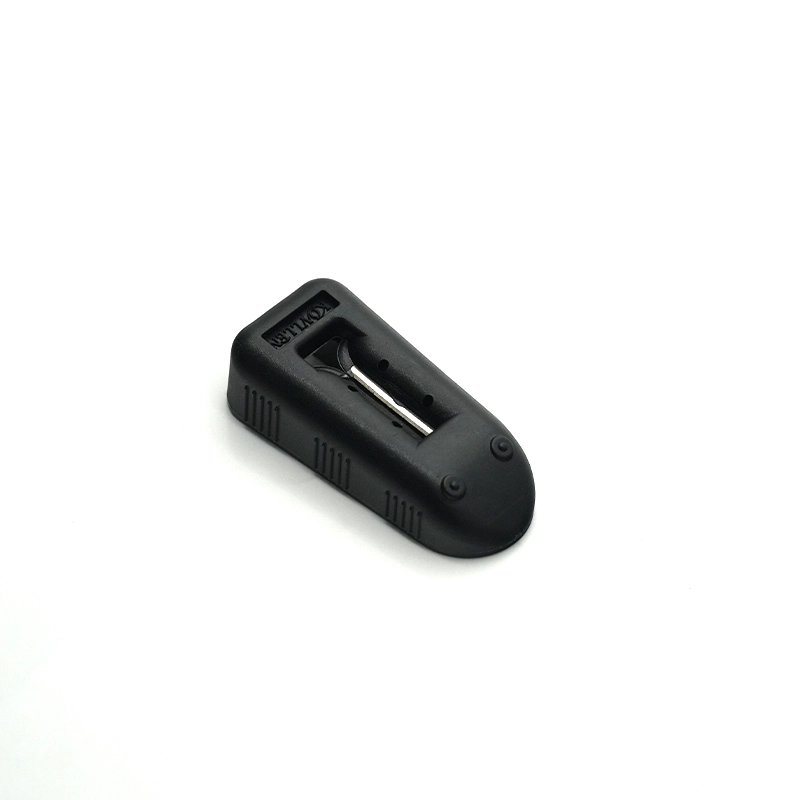
The plastic plug manufactured by Insert molding with stainless steel plate
Bost’s Insert-Molded Stainless Steel Plate Plastic Plug offers superior durability and corrosion resistance. This stainless steel insert durable plastic plug ensures a secure fit and long-lasting performance, ideal for industrial and commercial applications. Robust design meets quality standards.
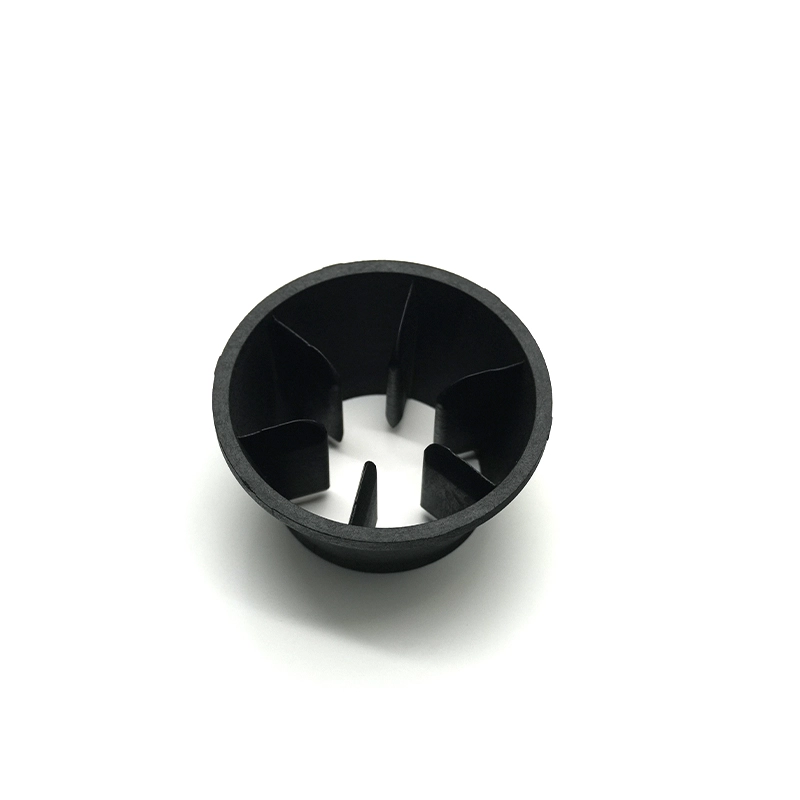
The Bost custom PPO flow valve by injection molding
The BOST Custom PPO Injection-Molded Flow Valve delivers high-temp and corrosion-resistant performance for industrial flow control. Precision-engineered by Bost, this custom PPO valve ensures durable, reliable operation in demanding environments. Optimize your process with BOST’s advanced injection-molded solution.
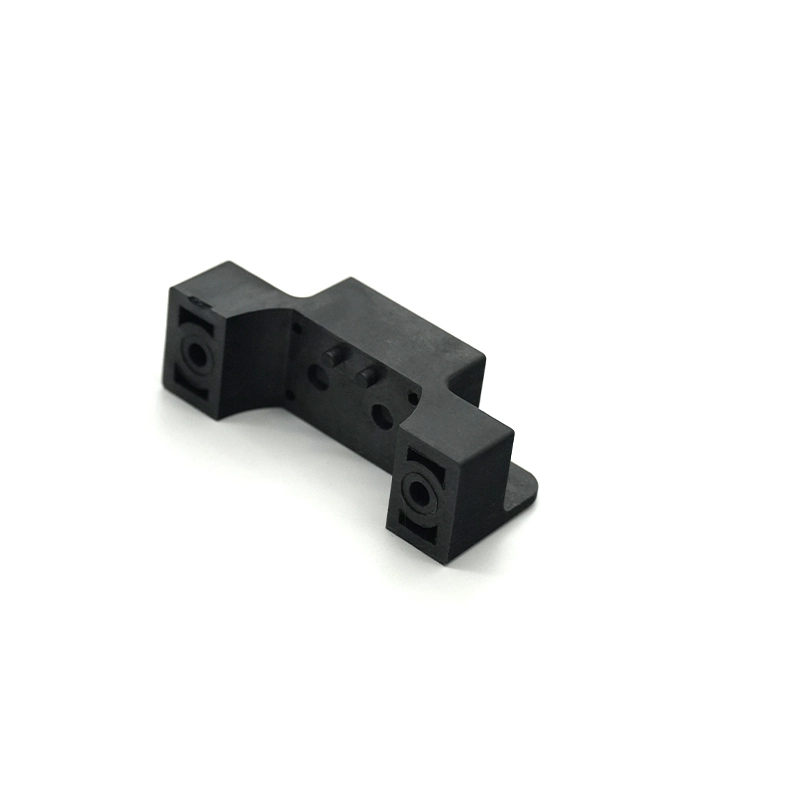
The Bost custom plastic handle by injection molding with high performance PPS material
BOST Custom PPS Injection-Molded Wear-Resistant Handle delivers superior durability and high performance. Made from High Quality PPS material, this injection-molded handle ensures exceptional wear resistance, ideal for demanding applications and long-lasting use. Choose BOST for quality and reliability.
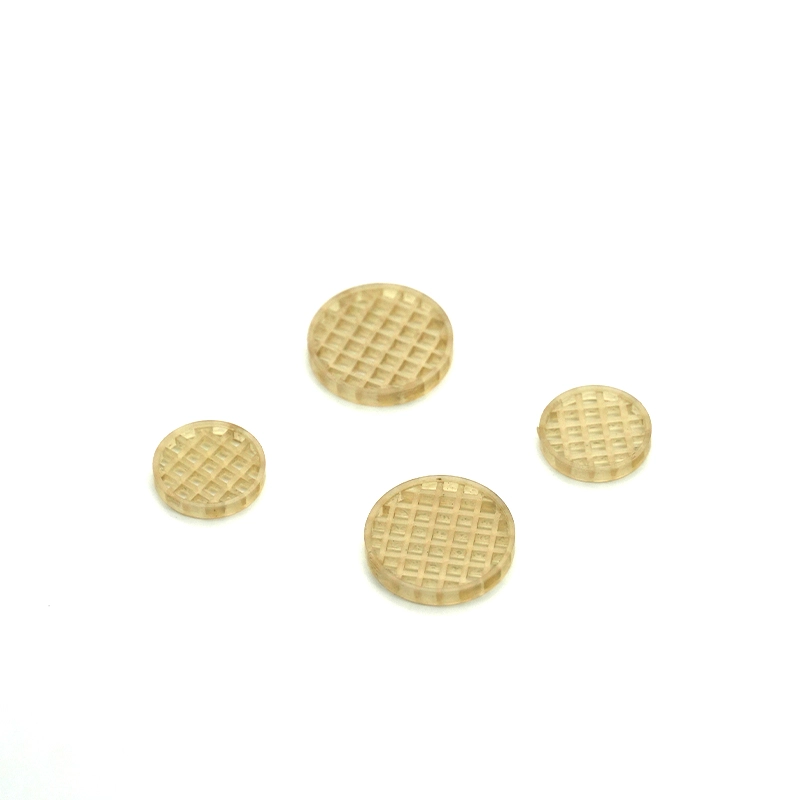
The Bost custom flow meter by injection molding with PES plastic
The Bost Custom PES Injection-Molded Flow Meter offers high-temperature and corrosion resistance, ideal for industrial use. Made with durable PES plastic via precision injection molding, this flow meter ensures reliable, customized performance for demanding applications. Trust Bost for quality and innovation.
Get in touch with Bost
Have any questions or concerns about our products? Please leave us a message here, and our team will get back to you promptly.

24 hours quotes delivered
Submit CAD files, get quote in 24 hours

No MOQ required
From prototyping to high-volume

±0.02 mm Precision
Advanced CNC with full inspections

1,000+ tons in stock
26 materials ready to ship
© 2026 BOST. All Rights Reserved.