
 Scan QR Code
Send My Request
Environmental Impact and Recycling of PE Plastic Bushes
Thursday, 12/11/2025
Comprehensive guide on the environmental footprint and recycling of PE plastic bushes. Covers manufacturing impacts, recyclability routes, lifecycle advantages of Bost PE Plastic Bushes, comparisons with other materials, practical recycling steps, standards, FAQs and authoritative references.
- Environmental Impact and Recycling of PE Plastic Bushes
- What are PE Plastic Bushes and why they matter
- Environmental footprint of plastic bushing production: where impacts occur
- Use-phase benefits: how PE Plastic Bushes reduce environmental load
- End-of-life: recyclability of PE Plastic Bushes
- Mechanical recycling processes for PE bushings
- Chemical recycling and advanced recovery for PE
- Reuse, remanufacturing, and circular strategies for plastic bushings
- Comparison table: PE versus other common bushing materials
- Design and material selection to improve recycling outcomes for plastic bushing buyers
- Regulatory drivers and industry standards affecting plastic bushing recycling
- How Bost PE Plastic Bushes minimize environmental impact
- Practical guidance for customers: specifying, maintaining and recycling PE Plastic Bushes
- FAQ — Frequently Asked Questions about plastic bushing environmental impact and recycling
- Q: Are PE Plastic Bushes recyclable?
- Q: How do I prepare used PE bushings for recycling?
- Q: Do recycled PE bushings perform as well as virgin ones?
- Q: What reduces the environmental impact more: choosing PE or metal bushings?
- Q: Can Bost help with take-back or recycling programs?
- Contact and product call-to-action
- Authority references and further reading
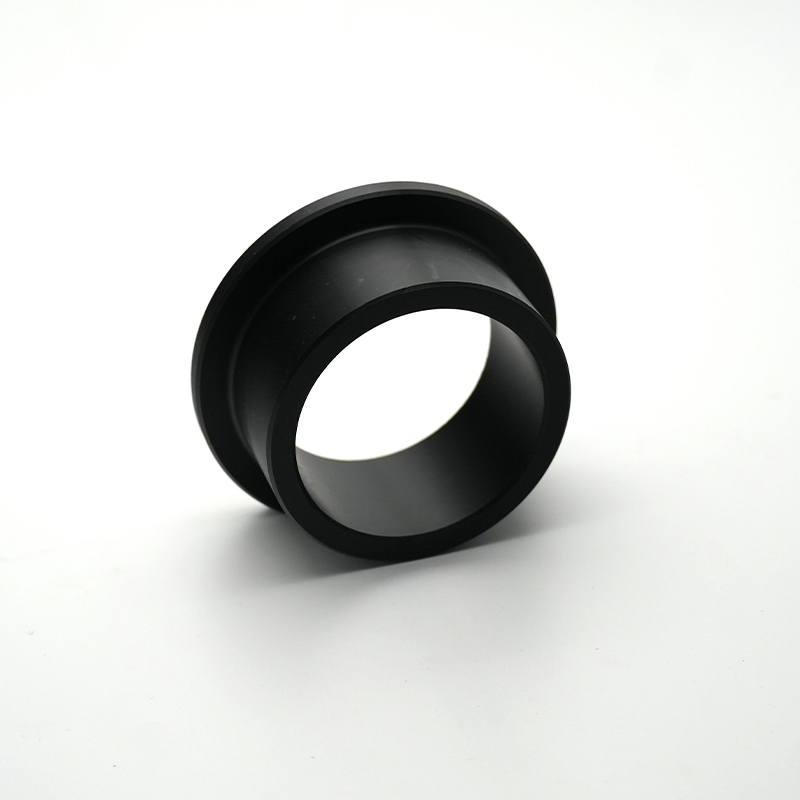
Environmental Impact and Recycling of PE Plastic Bushes
What are PE Plastic Bushes and why they matter
PE Plastic Bushes — including those offered by Bost — are wear-resistant polymer bearings used to protect shafts and reduce friction in industrial machinery. Bost PE Plastic Bushes offer superior wear-resistant shaft protection and friction-reducing adaptation for enhanced machinery performance. Engineered for durability, these bushes minimize wear and extend equipment life, ensuring reliable and efficient operation in demanding industrial applications. Understanding their environmental impact and recycling options helps procurement, maintenance and sustainability teams make better decisions when specifying plastic bushing components.
When choosing between bearings and plastic bushings, understanding when to use PE plastic bushes is essential. We help you evaluate the differences in our article, selecting bearings vs plastic bushings, so you can make an informed decision based on your application needs.
Environmental footprint of plastic bushing production: where impacts occur
Manufacturing any polymer product, including a plastic bushing, has environmental impacts across raw material extraction, polymer production, part shaping and transportation. For PE (polyethylene) bushes, the primary upstream impact is feedstock production — typically derived from crude oil or natural gas. Energy consumption and greenhouse gas (GHG) emissions are concentrated in polymerization and compounding stages, particularly when additives (e.g., lubricants, stabilizers, fillers) are incorporated.
Key environmental impact categories to consider:
- Global warming potential (GHG emissions from feedstock and energy use)
- Fossil resource depletion (use of non-renewable hydrocarbons)
- Energy intensity (electricity and thermal energy in processing)
- Waste and scrap generation during machining/molding
Compared with some engineering plastics (for example, PTFE or certain high-performance nylons), PE typically requires less energy to produce and has a lower carbon intensity per kilogram — but these differences must be weighed against performance: a material requiring replacement more often can cause higher lifecycle impacts.
Use-phase benefits: how PE Plastic Bushes reduce environmental load
One of the most important factors in environmental performance is the use phase. Bost PE Plastic Bushes are designed for high wear resistance and low friction. These properties translate to measurable sustainability advantages:
- Longer service life — reduces frequency of replacements and associated manufacturing and transport impacts.
- Lower friction — improves machine efficiency, potentially decreasing energy consumption during operation.
- Corrosion resistance — avoids replacement or maintenance cycles tied to rust and contamination common with metal bearings.
When considering lifecycle emissions, a durable polymer bushing that extends machinery life often yields lower total environmental impact than switching to a material that is theoretically more recyclable but less durable.
End-of-life: recyclability of PE Plastic Bushes
Polyethylene (PE) is widely recyclable in principle. However, recyclability of a specific part such as a PE plastic bushing depends on several practical factors: contamination, material grade, additives, and the local industrial recycling infrastructure. PE parts are commonly mechanical-recycled (melt/reshape) or downcycled into lower-value products. Key considerations for PE bushings:
- Material identification: Clear labeling (e.g., PE, HDPE, UHMWPE tags) improves sorting.
- Contamination: Oil, grease, metal filings, or adhesives require cleaning before recycling.
- Additives and fillers: Certain additives used to improve wear or friction can complicate recycling streams.
Overall, PE has stronger recycling pathways than many engineering plastics (like PTFE) but less thermal/chemical resilience than some high-performance polymers that complicate melt processing.
Mechanical recycling processes for PE bushings
Mechanical recycling is the most common method for PE components and proceeds through shredding, washing, melt filtering and pelletizing. For industrial bushings, steps include:
- Collection and segregation by polymer type.
- Cleaning to remove oils and particulates.
- Size reduction (grinding/shredding) to flakes.
- Melt filtration to remove impurities and re-extrusion into pellets.
Recycled PE pellets can be re-used in non-critical components, protective housings, channels, or even remanufactured bushings if performance requirements allow. The resulting material often has reduced mechanical properties, so specifying recycled content requires performance validation.
Chemical recycling and advanced recovery for PE
Chemical recycling (depolymerization or pyrolysis/solvolysis) is an emerging route to recover monomers or liquid hydrocarbons from mixed or contaminated plastics. For PE bushings, these technologies can be used when mechanical recycling is infeasible due to contamination or blended materials. Advantages include feedstock recovery closer to virgin polymer chemistry and the potential to support closed-loop systems, but current limitations are higher costs and limited commercial availability.
Reuse, remanufacturing, and circular strategies for plastic bushings
Beyond recycling, reuse and remanufacturing extend product life. Strategies include:
- Component refurbishment: Re-machining and polishing worn surfaces for reuse in non-critical applications.
- Remanufacturing: Combining reclaimed PE with virgin polymer to meet mechanical targets.
- Design for disassembly: Engineering housings so bushings can be removed, cleaned and returned for recycling.
These circular approaches reduce demand for virgin material and usually deliver better environmental outcomes than single-use end-of-life disposal.
Comparison table: PE versus other common bushing materials
| Material | Density | Recyclability | Typical application | Environmental notes |
|---|---|---|---|---|
| PE (HDPE / UHMWPE) | 0.93–0.97 g/cm³ | Good (mechanical + growing chemical) | Low-friction bushings, slides, liners | Lower production energy vs some nylons; widely recyclable if clean |
| Nylon (PA6/PA66) | 1.13–1.15 g/cm³ | Moderate (contaminants and hygroscopic behavior complicate) | High-load bushings, gears | Higher processing energy; absorbs moisture affecting recycling |
| POM (Acetal/Delrin) | 1.41 g/cm³ | Moderate (engineering-grade recycling available) | Precision bushings, low wear gears | Good mechanical properties but higher energy to produce |
| PTFE (Teflon) | 2.1–2.3 g/cm³ | Poor (difficult to melt-process/recycle) | High-temperature, chemical-resistant bushings | High production impact; limited recycling infrastructure |
| Bronze / Metal | ~8.7–8.9 g/cm³ | Excellent (metals are highly recyclable) | Heavy-load bushings, bearings | High extraction impacts but recycling is efficient and closed-loop |
Design and material selection to improve recycling outcomes for plastic bushing buyers
Design choices significantly influence end-of-life outcomes. Recommendations for designers and purchasing teams who want to optimize sustainability when specifying plastic bushings:
- Prefer a single polymer formulation (avoid blends when possible).
- Minimize or select recyclable fillers and lubricants.
- Label components clearly with polymer type and grade.
- Design for easy extraction and separation from metal housings.
- Consider modular designs enabling reuse or refurbishment.
These decisions make collection and recycling less costly and more feasible at scale.
Regulatory drivers and industry standards affecting plastic bushing recycling
Regulations and procurement standards increasingly require recycled content, end-of-life management plans or demonstrable lifecycle performance. Notable considerations include:
- Regional recycling collection and producer responsibility laws (vary by country/region).
- Industry standards for bearing performance (ISO, ASTM) that may define acceptable recycled-material usage.
- Sustainability reporting frameworks (e.g., EPDs — Environmental Product Declarations) supporting transparent lifecycle claims.
Specifying compliant materials and collecting lifecycle data will help OEMs meet regulations and customer sustainability targets.
How Bost PE Plastic Bushes minimize environmental impact
Bost PE Plastic Bushes are engineered to reduce lifecycle environmental impacts via multiple mechanisms:
- High wear resistance: extends equipment service intervals and reduces replacements.
- Low friction: improves operational energy efficiency in many applications.
- Design for maintainability: facilitates removal and potential recovery.
- Material selection: PE grades chosen for processability and recyclability where feasible.
When evaluated on a lifecycle basis, durable PE bushes from a trusted supplier can produce lower total environmental impacts than options that require more frequent replacement or involve more energy-intensive production.
Practical guidance for customers: specifying, maintaining and recycling PE Plastic Bushes
Practical steps that procurement and maintenance teams can implement:
- Specify exact PE grade and permissible additives; request EPDs or lifecycle data when available.
- Implement a return-and-reuse or take-back program with your supplier for used bushings.
- Clean and segregate used parts to improve recycling yield; separate metal housings before processing.
- Consider mixed strategies: remanufacture critical parts, mechanically recycle non-critical ones.
- Document service life improvements to quantify environmental benefits for procurement decisions.
FAQ — Frequently Asked Questions about plastic bushing environmental impact and recycling
Q: Are PE Plastic Bushes recyclable?
A: Yes. PE is among the more recyclable engineering polymers. Mechanical recycling (shredding, washing, re-pelletizing) is common for clean PE waste. Chemical recycling is an evolving option for contaminated or mixed waste streams.
Q: How do I prepare used PE bushings for recycling?
A: Remove as much oil/grease and metal contamination as possible, separate polymer parts from metal housings, and label or batch by polymer type. Contact your supplier or local industrial recycler for accepted preparation protocols.
Q: Do recycled PE bushings perform as well as virgin ones?
A: Recycled PE often has reduced mechanical properties compared with virgin polymer. For non-critical uses, recycled material can be appropriate; for high-wear applications, blended or remanufactured materials may be required. Always conduct application-specific validation tests.
Q: What reduces the environmental impact more: choosing PE or metal bushings?
A: It depends. Metals are highly recyclable with efficient closed-loop cycles but have high extraction impacts. PE typically requires less production energy and offers corrosion resistance and lighter weight. Lifecycle assessment (LCA) considering durability, replacement frequency and energy use in operation gives the best answer for a given application.
Q: Can Bost help with take-back or recycling programs?
A: Bost can provide guidance on best-practice recycling routes and often supports customers with product take-back or material specifications to facilitate end-of-life handling. Contact our sales team to discuss program options.
Contact and product call-to-action
If you want PE plastic bushes that balance performance and sustainability, view our product page for Bost PE Plastic Bushes or contact our team for technical data, EPDs and take-back solutions. Visit or email sales@bost.example (replace with your contact) to request samples, datasheets and recycling guidance.
Authority references and further reading
References used for data and best-practice recommendations:
- Wikipedia — Polyethylene: https://en.wikipedia.org/wiki/Polyethylene
- European Plastics Converters / PlasticsEurope — Facts & Figures: https://www.plasticseurope.org
- United Nations Environment Programme (UNEP) — Plastics and the Environment: https://www.unep.org
- U.S. Environmental Protection Agency — Sustainable Materials Management: https://www.epa.gov/smm
- ISO Standards overview (for bearings/components): https://www.iso.org
For product-specific advice and recycling program details tailored to your industry and local regulations, contact Bost sales and sustainability specialists.
Tags
customized injection molding
customized injection molding
cnc machined parts
cnc machined parts
PEEK screw
PEEK screw
Engineering Plastic Bushing
Engineering Plastic Bushing
Precision Spacing
Precision Spacing
PP Material Tube
PP Material Tube
Recommended for you
best high-performance plastics for additive manufacturing 2026
Top 10 custom insert molding Manufacturers and Supplier Brands
Recycling and Circular Economy Strategies for Engineering Plastics
RoHS and REACH Compliance for Plastic Connectors
Prdoucts Categories
Question you may concern
FAQs
How do I select the appropriate engineering plastic grade for my product?
Selection should be based on parameters such as load conditions (e.g., pressure/friction), temperature range, medium contact (e.g., oil/acid), and regulatory requirements (e.g., FDA/RoHS). Our engineers can provide free material selection consulting and sample testing.
Can Bost customize modified plastics with special properties?
Yes! We offer modification services such as reinforcement, flame retardancy, conductivity, wear resistance, and UV resistance, for example:
• Adding carbon fiber to enhance stiffness
• Reducing the coefficient of friction through PTFE modification
• Customizing food-grade or medical-grade certified materials
What is the delivery lead time? Do you offer global logistics?
Standard products: 5–15 working days; custom modifications: 2–4 weeks. We support global air/sea freight and provide export customs clearance documents (including REACH/UL certifications).
What are the core advantages of Bost engineering plastics compared to ordinary plastics?
Bost engineering plastics feature ultra-high mechanical strength, high-temperature resistance (-50°C to 300°C), chemical corrosion resistance, and wear resistance. Compared to ordinary plastics, their service life is extended by 3 to 8 times, making them suitable for replacing metals in harsh environments.
What is the minimum order quantity (MOQ)? Do you support small-batch trial production?
The MOQ for standard products is ≥100kg. We support small-batch trial production (as low as 20kg) and provide mold testing reports and performance data feedback.
You may also like
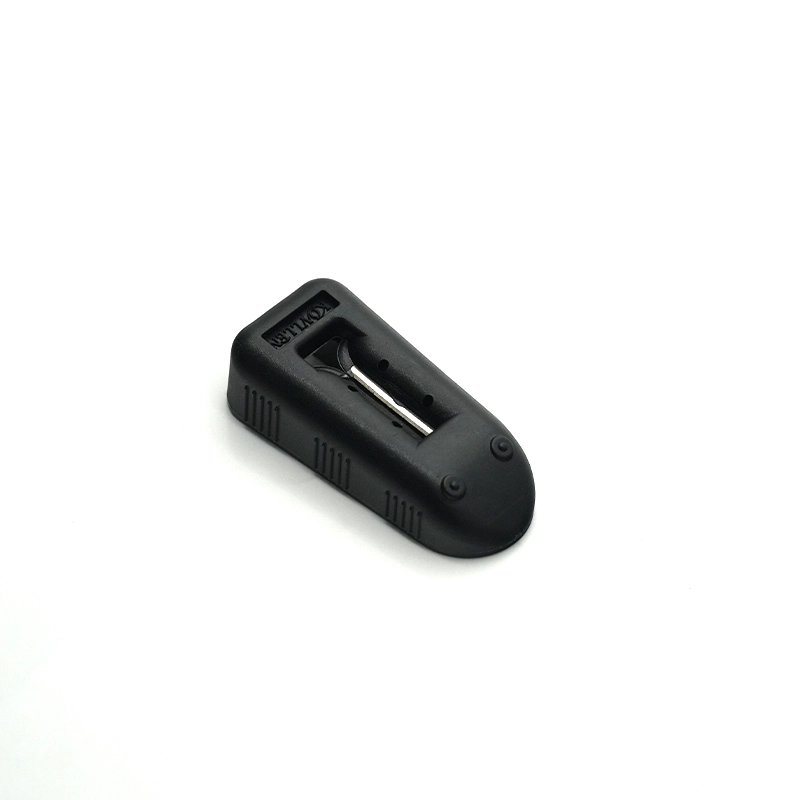
The plastic plug manufactured by Insert molding with stainless steel plate
Bost’s Insert-Molded Stainless Steel Plate Plastic Plug offers superior durability and corrosion resistance. This stainless steel insert durable plastic plug ensures a secure fit and long-lasting performance, ideal for industrial and commercial applications. Robust design meets quality standards.
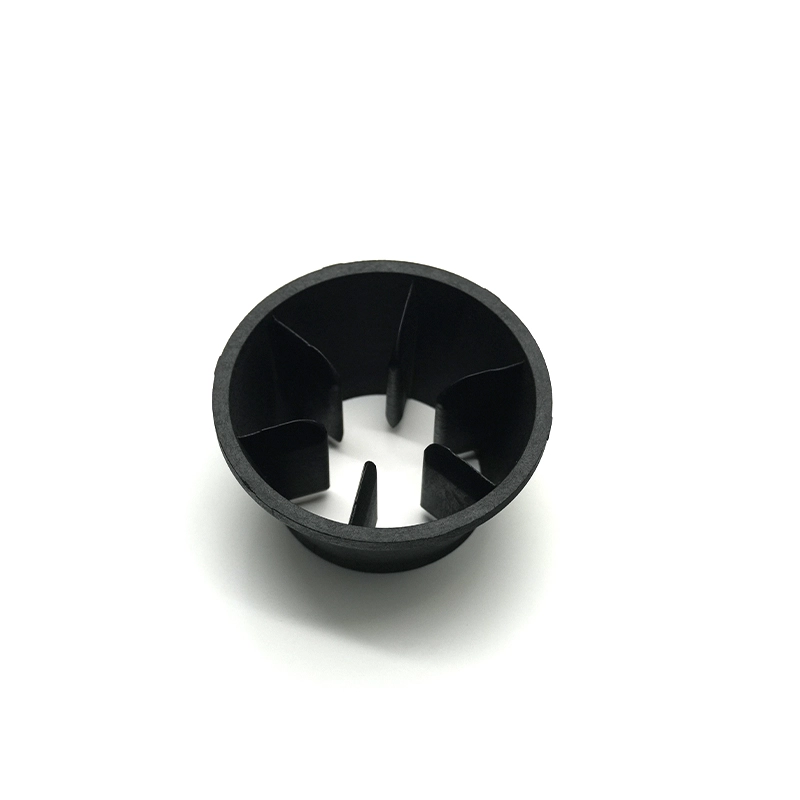
The Bost custom PPO flow valve by injection molding
The BOST Custom PPO Injection-Molded Flow Valve delivers high-temp and corrosion-resistant performance for industrial flow control. Precision-engineered by Bost, this custom PPO valve ensures durable, reliable operation in demanding environments. Optimize your process with BOST’s advanced injection-molded solution.
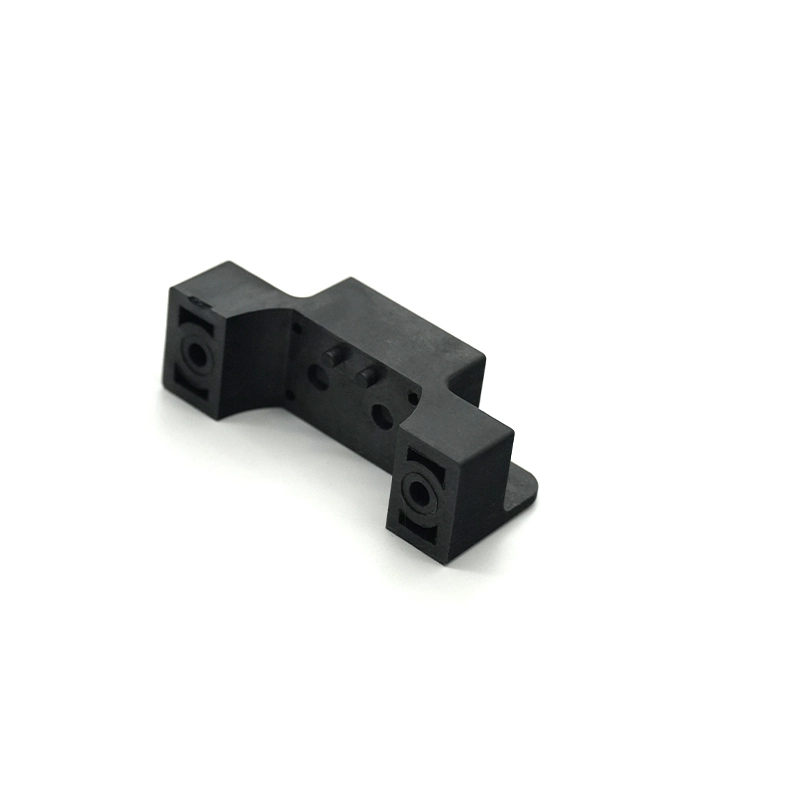
The Bost custom plastic handle by injection molding with high performance PPS material
BOST Custom PPS Injection-Molded Wear-Resistant Handle delivers superior durability and high performance. Made from High Quality PPS material, this injection-molded handle ensures exceptional wear resistance, ideal for demanding applications and long-lasting use. Choose BOST for quality and reliability.
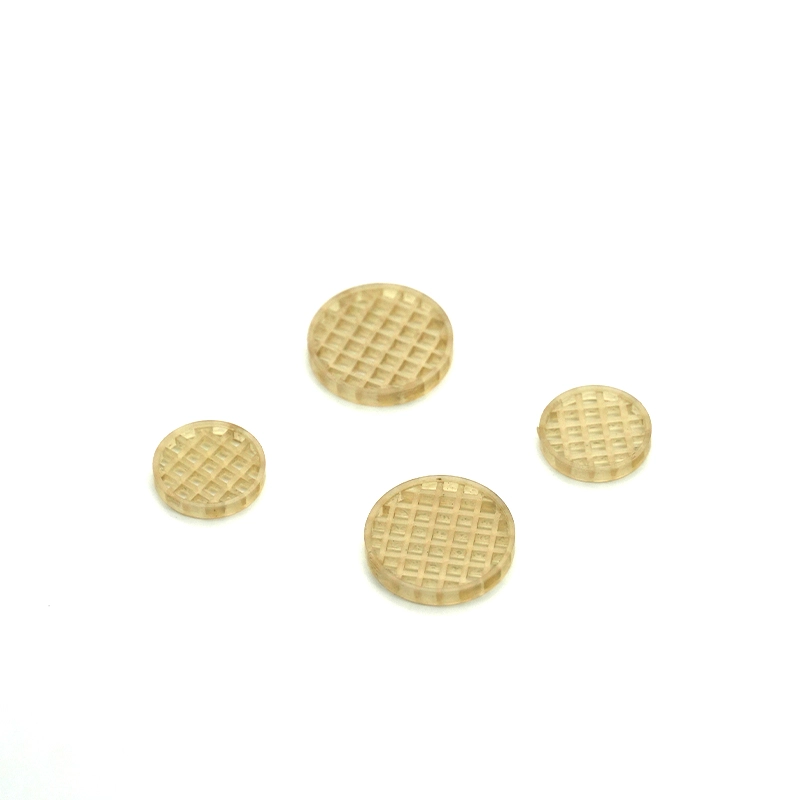
The Bost custom flow meter by injection molding with PES plastic
The Bost Custom PES Injection-Molded Flow Meter offers high-temperature and corrosion resistance, ideal for industrial use. Made with durable PES plastic via precision injection molding, this flow meter ensures reliable, customized performance for demanding applications. Trust Bost for quality and innovation.
Get in touch with Bost
Have any questions or concerns about our products? Please leave us a message here, and our team will get back to you promptly.

24 hours quotes delivered
Submit CAD files, get quote in 24 hours

No MOQ required
From prototyping to high-volume

±0.02 mm Precision
Advanced CNC with full inspections

1,000+ tons in stock
26 materials ready to ship
© 2026 BOST. All Rights Reserved.