
 Scan QR Code
Send My Request
Top 10 China manufacturers of engineered plastic components
Friday, 03/13/2026
This article reviews the top 10 China manufacturers and contract partners for engineered plastic components, explains how to evaluate suppliers for precision injection-molded parts, and highlights the BOST Custom PPO Injection-Molded Flow Valve as an example of a high-temperature, corrosion-resistant engineered plastic solution. Practical selection criteria, material guidance (including PPO/polyphenylene oxide), quality and testing standards, and FAQs are included to help procurement and engineering teams make informed decisions.
- Leading Chinese manufacturers and what they specialize in
- What counts as a top manufacturer of engineered plastic components
- How global EMS and Chinese specialists both matter
- Top 10 China manufacturers (profiles and specialties)
- How to evaluate Chinese suppliers for engineered plastic components
- Technical capability: molds, tolerances, and material experience
- Quality systems and testing
- Supply chain resilience and compliance
- Materials, processing, and a use case: BOST Custom PPO Injection-Molded Flow Valve
- Why choose PPO for engineered plastic flow-control components
- Injection molding considerations for PPO parts
- Product highlight: The BOST Custom PPO Injection-Molded Flow Valve
- Procurement checklist and cost-quality tradeoffs
- Key questions to ask during supplier selection
- Where costs come from and how to optimize
- Comparing suppliers: quick scorecard
- Example comparison table: supplier capability highlights
- FAQs — Frequently asked questions
- Q: What makes an engineered plastic component different from a commodity plastic part?
- Q: Why would I choose a Chinese manufacturer over a local supplier?
- Q: Is PPO a good choice for flow valves?
- Q: What certifications should I require for automotive or medical plastic components?
- Q: How do I verify the long-term performance of a molded plastic valve?
- Next steps and contact
- Authoritative references
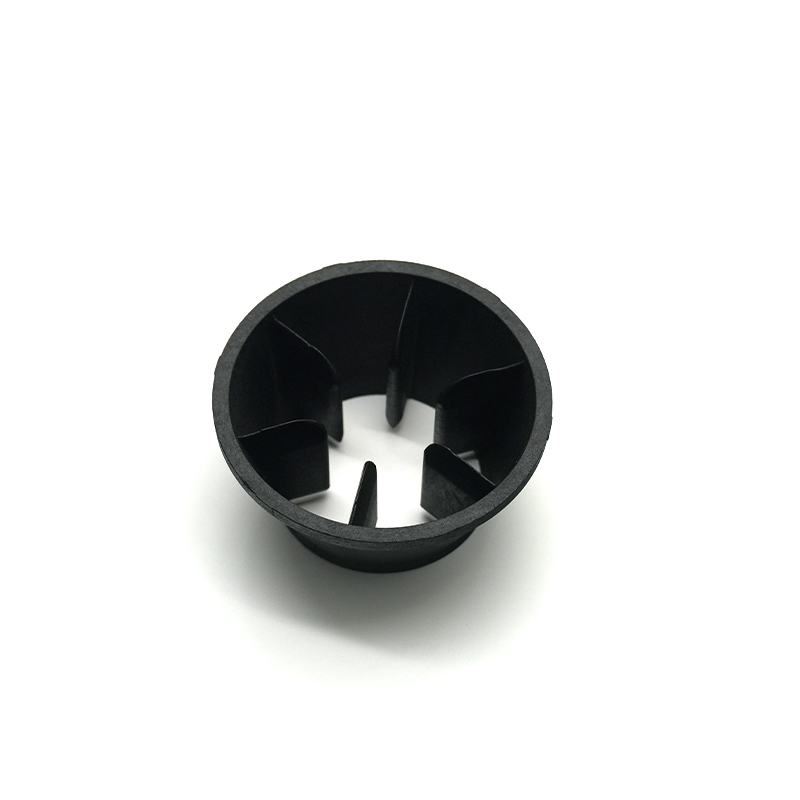
The demand for high-performance engineered plastic components continues to rise across industrial, automotive, medical, and energy sectors. For global buyers and design engineers searching for reliable China-based partners, this guide covers leading manufacturers, objective supplier-evaluation criteria, and material selection—highlighting how advanced injection molding and materials like PPO (polyphenylene oxide) enable components such as the BOST Custom PPO Injection-Molded Flow Valve to deliver high-temperature and corrosion-resistant performance in demanding flow-control applications. This summary is structured to support indexing and user intent for procurement, technical evaluation, and design-in decisions.
Leading Chinese manufacturers and what they specialize in
What counts as a top manufacturer of engineered plastic components
Top suppliers combine material science, precision injection-molding capability, stringent quality systems (for example ISO 9001 and relevant sector certifications), toolmaking and moldflow expertise, post-processing (assembly, overmolding), and supply-chain transparency. For guidance on engineering plastics and typical material classifications, see the Engineering plastics overview on Wikipedia (Wikipedia: Engineering plastics).
How global EMS and Chinese specialists both matter
Global electronics manufacturing services (EMS) providers with China facilities (Flex, Jabil, Foxconn) often supply complex subassemblies with engineered plastic housings. Chinese specialists and polymer producers (Kingfa, Luxshare, Goertek) focus on materials and high-volume precision parts. Combining a polymer supplier and a precision molder is a common route when you need advanced performance (high-temp, chemical resistance, tight dimensional control).
Top 10 China manufacturers (profiles and specialties)
The table below summarizes ten notable companies active in engineered plastic components in China—ranging from polymer producers to EMS and precision molding specialists. This list emphasizes capabilities and relevance to engineered plastic parts rather than absolute revenue rank.
| Company | Headquarters / Major China presence | Specialties | Website |
|---|---|---|---|
| Kingfa Sci & Tech Co., Ltd. | China (Shenzhen/Guangdong) | Polymer production, engineering thermoplastics, material development for high-performance parts | kingfa.com |
| Luxshare Precision Industry Co., Ltd. | Shenzhen | Precision injection molding, connectors, metal-plastic hybrid components | luxshare-ict.com |
| Goertek Inc. | Weifang | Precision plastic housings, acoustic modules, consumer electronics components | goertek.com |
| BYD Electronic | Shenzhen | Auto and consumer electronic assemblies, plastics for automotive interiors and components | byd.com |
| Foxconn (Hon Hai) | Taiwan HQ, large China operations | High-volume injection-molded parts for electronics, integrated assembly & logistics | honhai.com |
| Wingtech Technology | China (multiple plants) | EMS with plastic component production and device assembly | wingtech.com |
| Jabil (China operations) | Global, major China footprint | Contract manufacturing, precision molding, medical & industrial components | jabil.com |
| Flex (China operations) | Global, major China footprint | EMS, injection molding, complex assemblies for automotive & industrial applications | flex.com |
| Lens Technology | China | Precision components, consumer device housings, hybrid glass-plastic assemblies | lens-tech.com |
| Sanhua (Sanhua Holding Group) | China | Automotive controls, HVAC components, polymer-metal assemblies | sanhua.com |
Note: Depending on your product class (medical, automotive, industrial flow control) you will prioritize different suppliers—polymer makers for material customization, precision molders for tight-tolerance parts, or EMS for assembled modules.
How to evaluate Chinese suppliers for engineered plastic components
Technical capability: molds, tolerances, and material experience
Ask suppliers about their mold design capability, number of cavities they can handle, maximum clamp tonnage, and historic tolerances (e.g., ±0.05 mm). For engineered plastic components that must perform at high temperatures or under chemical exposure, verify their experience with high-performance thermoplastics (PPO, PEEK, PPS, PA46, etc.) and their ability to control crystallinity, annealing, and dimensional stability after molding.
Quality systems and testing
Top vendors operate to ISO 9001 and often to sector standards (IATF 16949 for automotive, ISO 13485 for medical). Check whether they publish test reports for tensile, impact, and thermal properties. For flow-control or safety-critical parts, independent third-party testing and lot-traceability are mandatory. See ISO quality management overview for context (ISO: Quality management).
Supply chain resilience and compliance
Evaluate raw-material sourcing (do they use certified PPO or other engineering plastics), lead times, and supplier audits. For regulated markets, confirm RoHS, REACH, and any sector-specific approvals. Material transparency (full material datasheets) reduces risk in production launches.
Materials, processing, and a use case: BOST Custom PPO Injection-Molded Flow Valve
Why choose PPO for engineered plastic flow-control components
Polyphenylene oxide (PPO) is valued for its high glass transition temperature, dimensional stability, and good chemical resistance—properties that are critical for flow-control components exposed to temperature extremes and corrosive fluids. For material properties and typical datasheets, see a PPO overview and datasheets on MatWeb (MatWeb: PPO).
Injection molding considerations for PPO parts
PPO requires controlled drying, precise melt-temperature control, and appropriate tooling design to avoid sink marks and warpage. Moldflow analysis and proper gate placement help ensure consistent wall thickness and flow performance—especially important for a valve body where internal geometries affect flow and seal integrity. For engineered plastic components used in harsh services, secondary operations (e.g., ultrasonic welding, insert molding) often add function without jeopardizing part integrity.
Product highlight: The BOST Custom PPO Injection-Molded Flow Valve
The BOST Custom PPO Injection-Molded Flow Valve delivers high-temperature and corrosion-resistant performance for industrial flow control. Precision-engineered by BOST, this custom PPO valve ensures durable, reliable operation in demanding environments. The product is molded using optimized processing parameters and precision tooling to meet tight dimensional tolerances for sealing surfaces and flow channels. Typical benefits include:
- High-temp capability vs. common commodity plastics
- Improved chemical and corrosion resistance for aggressive fluids
- Dimensional stability for consistent sealing and flow characteristics
- Cost-effective production through injection molding at scale
Using an engineered thermoplastic such as PPO allows designers to replace metal in some flow-system applications, reducing weight and achieving integrated features in a single molded part. For industry guidance on engineering plastics and selection, consult authoritative material overviews such as the Engineering plastics page on Wikipedia (Wikipedia) and material datasheets referenced earlier.
Procurement checklist and cost-quality tradeoffs
Key questions to ask during supplier selection
Use a structured RFQ that requests: mold-capability specs, typical tolerances, sample policy, pilot-run capacity, material certificates, process control charts, and relevant certifications (IATF 16949, ISO 13485). Request a DFM review from the supplier—experienced molders will propose wall-thickness, ribbing, venting, and gate locations to optimize parts for manufacturability.
Where costs come from and how to optimize
Major cost drivers: tooling (mold complexity, steel grade), cycle time, material cost (engineering thermoplastics are higher-priced than commodity resins), secondary operations, and inspection. Considering early design-for-manufacturing (DFM) reduces total-cost-of-ownership. For example, redesigning a cavity to allow a two-cavity mold instead of a single complex cavity can reduce tool cost per part at scale.
Comparing suppliers: quick scorecard
Create a scorecard with weighted criteria such as technical capability (30%), quality certifications (20%), material experience (20%), lead time & capacity (15%), and cost (15%). This objective approach helps balance risks and acquisition cost when selecting a China-based partner.
Example comparison table: supplier capability highlights
| Capability | Specialist molder | Global EMS (China) | Polymer producer |
|---|---|---|---|
| Mold/toolmaking | High (specialized) | Medium (in-house or subcontract) | Low (material focus) |
| Material development | Medium | Medium | High |
| Assembly & testing | Low-Medium | High | Low |
| Regulated market experience | Variable (depends on firm) | High (medical/auto customers) | Variable |
FAQs — Frequently asked questions
Q: What makes an engineered plastic component different from a commodity plastic part?
A: Engineered plastic components use higher-performance thermoplastics (PPO, PEEK, PPS, high-grade nylons) and often require stricter tolerances, functional integration, and longer lifecycle performance under load, temperature, or chemical exposure compared to commodity parts (PP, PE).
Q: Why would I choose a Chinese manufacturer over a local supplier?
A: China offers broad capacity, competitive pricing, and vertical supply chains (resin makers, mold shops, high-volume molders). However, choosing a China supplier requires diligence: audits, clear quality agreements, IP protection measures, and often a staged ramp (prototype → pilot → series) to mitigate risk.
Q: Is PPO a good choice for flow valves?
A: Yes, PPO is commonly selected where higher-temperature resistance and good dimensional stability are required. It provides chemical resistance and can reduce weight versus metal—but design must account for temperature-dependent mechanical properties and sealing requirements. See PPO datasheet references for properties (MatWeb).
Q: What certifications should I require for automotive or medical plastic components?
A: For automotive, IATF 16949 and PPAP capability are often required. For medical, ISO 13485 and material biocompatibility testing per ISO 10993 (where applicable) are typical. Confirm regulatory requirements early in development.
Q: How do I verify the long-term performance of a molded plastic valve?
A: Specify aging tests (thermal cycling, chemical exposure, hydrostatic tests for flow seals), request accelerated life testing, and require sample-part destructive testing (tensile, impact) along with batch-level material certificates and traceability.
Next steps and contact
If you need a reliable solution for high-temp, corrosion-resistant flow control, the BOST Custom PPO Injection-Molded Flow Valve is engineered for those conditions and can be adapted to your geometry and performance requirements. For inquiries, technical datasheets, or to request a DFM review and quote, contact our sales team or view the product page.
Contact / Request a quote: Please get in touch with our sales engineering team to discuss specifications, sample requests, and supplier evaluation support. We can arrange material certificates, process capability data, and a pilot production plan tailored to your program.
Authoritative references
- Engineering plastics — Wikipedia
- Polyphenylene oxide (PPO) datasheets — MatWeb
- ISO — Quality management (ISO 9001)
- Engineering plastics overview — PlasticsEurope
Disclaimer: The company list in this article highlights established players and examples of the types of organizations you may engage to manufacture engineered plastic components in China. Evaluate suppliers according to your specific technical, regulatory, and commercial requirements prior to awarding contracts.
Ready to evaluate BOST’s custom PPO flow valve or source engineered plastic components from trusted Chinese partners? Contact our team to get started with samples, DFM feedback, and a competitive quote.
Tags
Nylon material rod
Nylon material rod
plastic pulleys
plastic pulleys
High-Temp Resistant Overmolding
High-Temp Resistant Overmolding
Wear-Resistant Fastening
Wear-Resistant Fastening
Industrial Machinery Component
Industrial Machinery Component
insert molding
insert molding
Recommended for you
Reducing Assembly Costs with Injection-Molded POM Spacers
top high-performance plastics for electronics thermal management 2026
Supply Chain Risks and Compliance for Industrial Rubber Seal Rings
How Color Stability Impacts Black ABS Connector Performance
Prdoucts Categories
Question you may concern
FAQs
What is the minimum order quantity (MOQ)? Do you support small-batch trial production?
The MOQ for standard products is ≥100kg. We support small-batch trial production (as low as 20kg) and provide mold testing reports and performance data feedback.
Can Bost customize modified plastics with special properties?
Yes! We offer modification services such as reinforcement, flame retardancy, conductivity, wear resistance, and UV resistance, for example:
• Adding carbon fiber to enhance stiffness
• Reducing the coefficient of friction through PTFE modification
• Customizing food-grade or medical-grade certified materials
What is the delivery lead time? Do you offer global logistics?
Standard products: 5–15 working days; custom modifications: 2–4 weeks. We support global air/sea freight and provide export customs clearance documents (including REACH/UL certifications).
How do I select the appropriate engineering plastic grade for my product?
Selection should be based on parameters such as load conditions (e.g., pressure/friction), temperature range, medium contact (e.g., oil/acid), and regulatory requirements (e.g., FDA/RoHS). Our engineers can provide free material selection consulting and sample testing.
What are the core advantages of Bost engineering plastics compared to ordinary plastics?
Bost engineering plastics feature ultra-high mechanical strength, high-temperature resistance (-50°C to 300°C), chemical corrosion resistance, and wear resistance. Compared to ordinary plastics, their service life is extended by 3 to 8 times, making them suitable for replacing metals in harsh environments.
You may also like
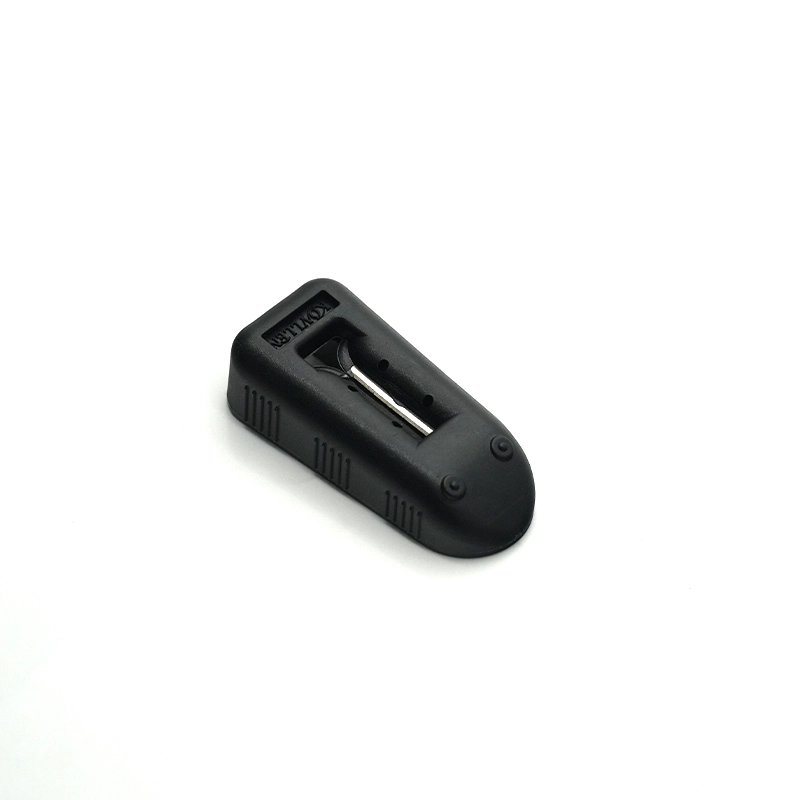
The plastic plug manufactured by Insert molding with stainless steel plate
Bost’s Insert-Molded Stainless Steel Plate Plastic Plug offers superior durability and corrosion resistance. This stainless steel insert durable plastic plug ensures a secure fit and long-lasting performance, ideal for industrial and commercial applications. Robust design meets quality standards.
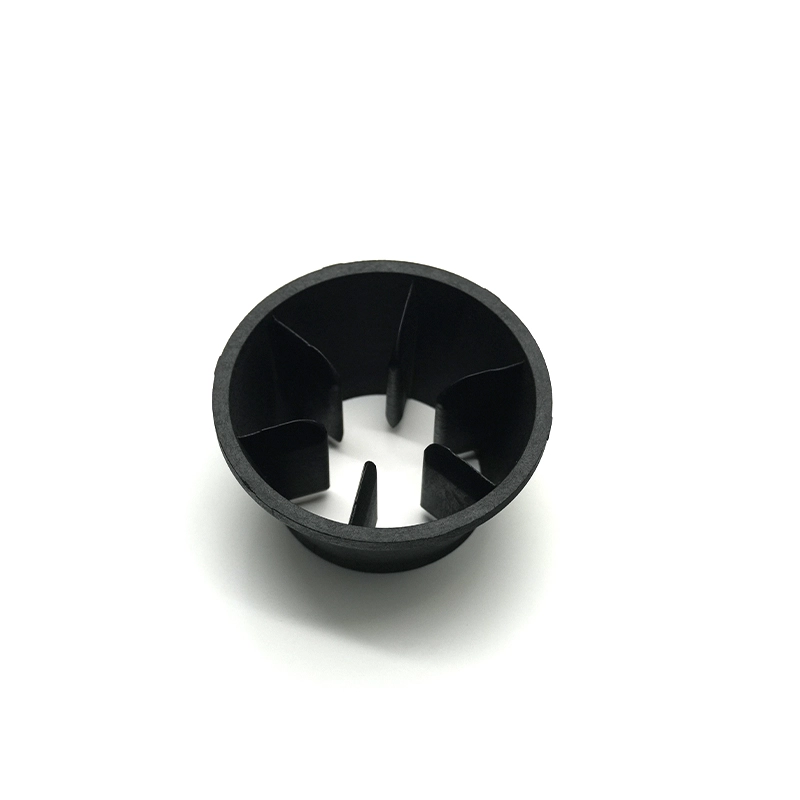
The Bost custom PPO flow valve by injection molding
The BOST Custom PPO Injection-Molded Flow Valve delivers high-temp and corrosion-resistant performance for industrial flow control. Precision-engineered by Bost, this custom PPO valve ensures durable, reliable operation in demanding environments. Optimize your process with BOST’s advanced injection-molded solution.
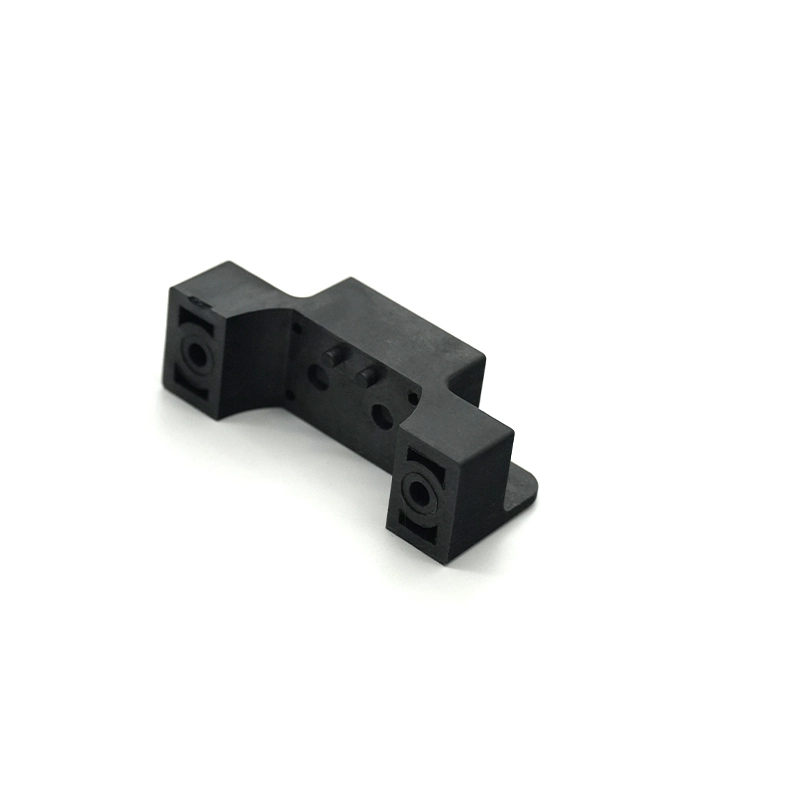
The Bost custom plastic handle by injection molding with high performance PPS material
BOST Custom PPS Injection-Molded Wear-Resistant Handle delivers superior durability and high performance. Made from High Quality PPS material, this injection-molded handle ensures exceptional wear resistance, ideal for demanding applications and long-lasting use. Choose BOST for quality and reliability.
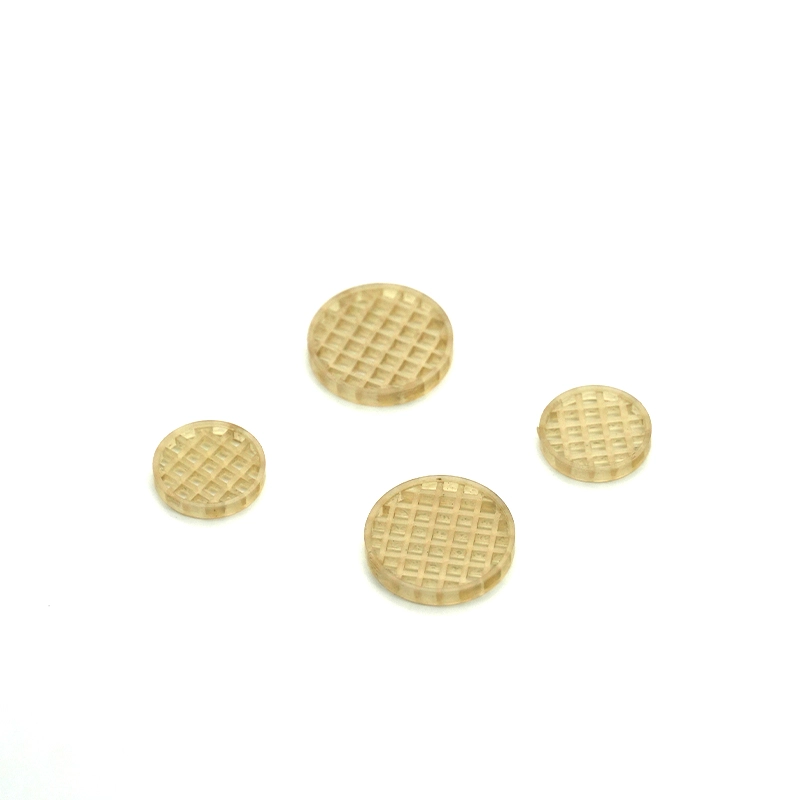
The Bost custom flow meter by injection molding with PES plastic
The Bost Custom PES Injection-Molded Flow Meter offers high-temperature and corrosion resistance, ideal for industrial use. Made with durable PES plastic via precision injection molding, this flow meter ensures reliable, customized performance for demanding applications. Trust Bost for quality and innovation.
Get in touch with Bost
Have any questions or concerns about our products? Please leave us a message here, and our team will get back to you promptly.

24 hours quotes delivered
Submit CAD files, get quote in 24 hours

No MOQ required
From prototyping to high-volume

±0.02 mm Precision
Advanced CNC with full inspections

1,000+ tons in stock
26 materials ready to ship
© 2026 BOST. All Rights Reserved.