
 Scan QR Code
Send My Request
top high-performance plastics for electronics thermal management 2026
Sunday, 11/16/2025
Explore the leading high-performance plastics revolutionizing thermal management in electronics by 2026, including their properties, applications, and market trends.
Top High-Performance Plastics for Electronics Thermal Management in 2026
As electronic devices become increasingly compact and powerful, effective thermal management has become a critical challenge. High-performance plastics are at the forefront of addressing this issue, offering materials that combine excellent thermal conductivity with mechanical strength and chemical resistance. This article explores the top high-performance plastics for electronics thermal management in 2026, highlighting their properties, applications, and market trends.
Understanding High-Performance Plastics
High-performance plastics, also known as engineering plastics, are advanced polymer materials engineered to exhibit exceptional mechanical, thermal, and chemical properties. Unlike standard plastics, these materials are designed to withstand extreme conditions, making them ideal for demanding applications in electronics, automotive, aerospace, and medical devices.
Key Properties for Thermal Management
Effective thermal management in electronics requires materials with:
High Thermal Conductivity: The ability to efficiently transfer heat away from sensitive components.
Mechanical Strength: Maintaining structural integrity under thermal stress.
Chemical Resistance: Withstanding exposure to various chemicals without degrading.
Electrical Insulation: Preventing unintended electrical conduction.
Top High-Performance Plastics for Thermal Management
Several high-performance plastics have emerged as leaders in electronics thermal management due to their superior properties:
1. Polyetheretherketone (PEEK)
PEEK is renowned for its exceptional mechanical strength and thermal stability, maintaining performance at temperatures up to 250°C. Its low thermal expansion and high chemical resistance make it suitable for components like heat exchangers and insulators.
2. Polyphenylene Sulfide (PPS)
PPS offers high thermal stability and excellent chemical resistance, withstanding temperatures up to 260°C. Its low moisture absorption and dimensional stability make it ideal for electronic connectors and housings. Recent developments have introduced PPS materials produced using recycled glass fiber and renewable electricity, enhancing their sustainability.
3. Polyamide-Imide (PAI)
PAI combines the advantages of polyamides and polyimides, offering high strength, rigidity, and thermal stability up to 260°C. Its low creep and excellent chemical resistance make it suitable for bearings, gears, and electrical connectors.
4. Polybenzimidazole (PBI)
PBI is known for its exceptional heat resistance and flame retardancy, maintaining stability up to 400°C. Its low smoke emission and high mechanical strength make it ideal for protective clothing, gaskets, seals, and high-temperature electrical insulation.
5. Liquid Crystal Polymers (LCPs)
LCPs exhibit high thermal stability, low moisture absorption, and excellent chemical resistance. Their inherent low friction properties make them suitable for connectors and components requiring precise tolerances.
6. Boron Arsenide (BAs)
Boron arsenide has emerged as a promising material for thermal management due to its ultrahigh thermal conductivity, comparable to that of diamond. Experimental studies have demonstrated its potential in electronics thermal management applications.
Market Trends and Future Outlook
The global market for thermally conductive plastics is projected to reach $283.7 million by 2026, reflecting robust growth driven by advancements in electronics and automotive industries. The demand for high-performance plastics in thermal management is expected to increase, with applications expanding in electric vehicles, data centers, and consumer electronics.
Conclusion
High-performance plastics play a pivotal role in the thermal management of electronic devices, ensuring reliability and longevity. Materials like PEEK, PPS, PAI, PBI, LCPs, and BAs are at the forefront of this evolution, offering tailored solutions to meet the growing demands of modern electronics.
Frequently Asked Questions (FAQ)
Q1: What are high-performance plastics?
High-performance plastics are advanced polymer materials engineered to exhibit exceptional mechanical, thermal, and chemical properties, making them suitable for demanding applications in electronics, automotive, aerospace, and medical devices.
Q2: Why is thermal management important in electronics?
Effective thermal management is crucial in electronics to prevent overheating, which can lead to component failure, reduced performance, and shortened device lifespan.
Q3: How do high-performance plastics contribute to thermal management?
High-performance plastics with high thermal conductivity efficiently transfer heat away from sensitive components, while their mechanical strength and chemical resistance ensure structural integrity under thermal stress.
Q4: What are the advantages of using PEEK in thermal management?
PEEK offers exceptional mechanical strength and thermal stability, maintaining performance at temperatures up to 250°C. Its low thermal expansion and high chemical resistance make it suitable for components like heat exchangers and insulators.
Q5: What is the projected market growth for thermally conductive plastics?
The global market for thermally conductive plastics is projected to reach $283.7 million by 2026, reflecting robust growth driven by advancements in electronics and automotive industries.
For more information on high-performance plastics and their applications in electronics thermal management, please contact our customer service or explore our product offerings.
Tags
plastic injection molded parts
plastic injection molded parts
ABS material plastic cover
ABS material plastic cover
Shaft component protection
Shaft component protection
custom machined parts
custom machined parts
custom insert molding
custom insert molding
UHMWPE Material
UHMWPE Material
Recommended for you
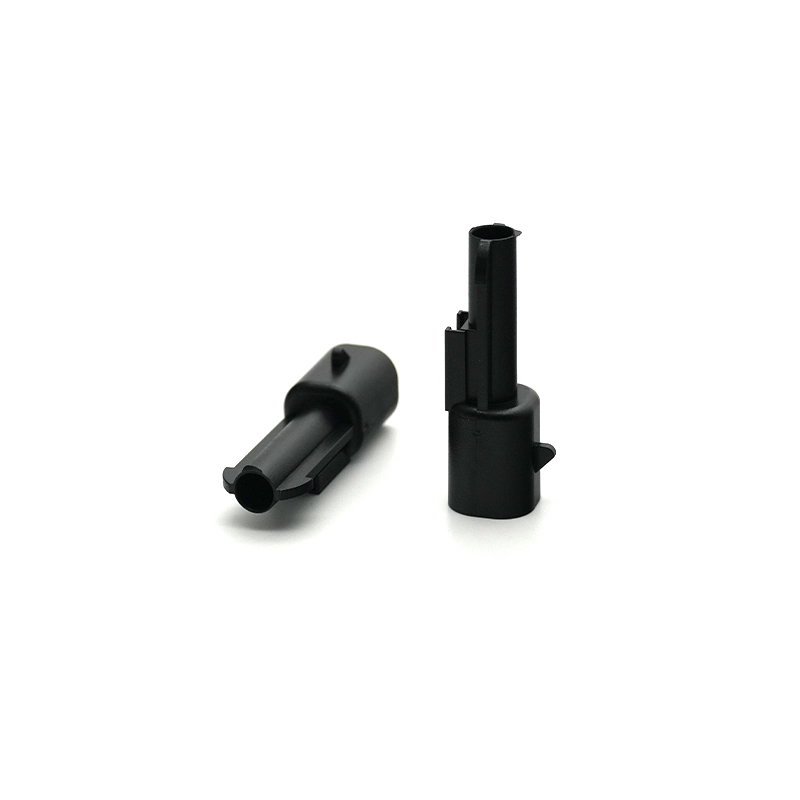
Corrosion-Free Benefits of ABS Plastic Connectors
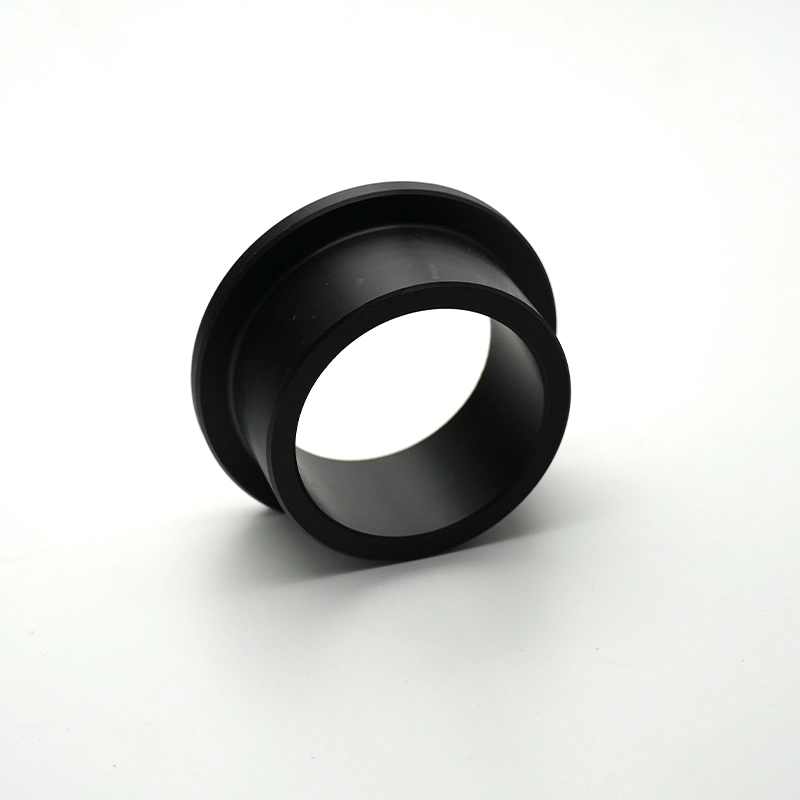
Environmental Impact and Recycling of PE Plastic Bushes
PVC vs. ABS in Injection Molding: Material Comparison and Selection Guide
What is insert molding ? | Ultimate Insight
Prdoucts Categories
Question you may concern
FAQs
Can Bost customize modified plastics with special properties?
Yes! We offer modification services such as reinforcement, flame retardancy, conductivity, wear resistance, and UV resistance, for example:
• Adding carbon fiber to enhance stiffness
• Reducing the coefficient of friction through PTFE modification
• Customizing food-grade or medical-grade certified materials
What are the core advantages of Bost engineering plastics compared to ordinary plastics?
Bost engineering plastics feature ultra-high mechanical strength, high-temperature resistance (-50°C to 300°C), chemical corrosion resistance, and wear resistance. Compared to ordinary plastics, their service life is extended by 3 to 8 times, making them suitable for replacing metals in harsh environments.
What is the delivery lead time? Do you offer global logistics?
Standard products: 5–15 working days; custom modifications: 2–4 weeks. We support global air/sea freight and provide export customs clearance documents (including REACH/UL certifications).
How do I select the appropriate engineering plastic grade for my product?
Selection should be based on parameters such as load conditions (e.g., pressure/friction), temperature range, medium contact (e.g., oil/acid), and regulatory requirements (e.g., FDA/RoHS). Our engineers can provide free material selection consulting and sample testing.
What is the minimum order quantity (MOQ)? Do you support small-batch trial production?
The MOQ for standard products is ≥100kg. We support small-batch trial production (as low as 20kg) and provide mold testing reports and performance data feedback.
You may also like
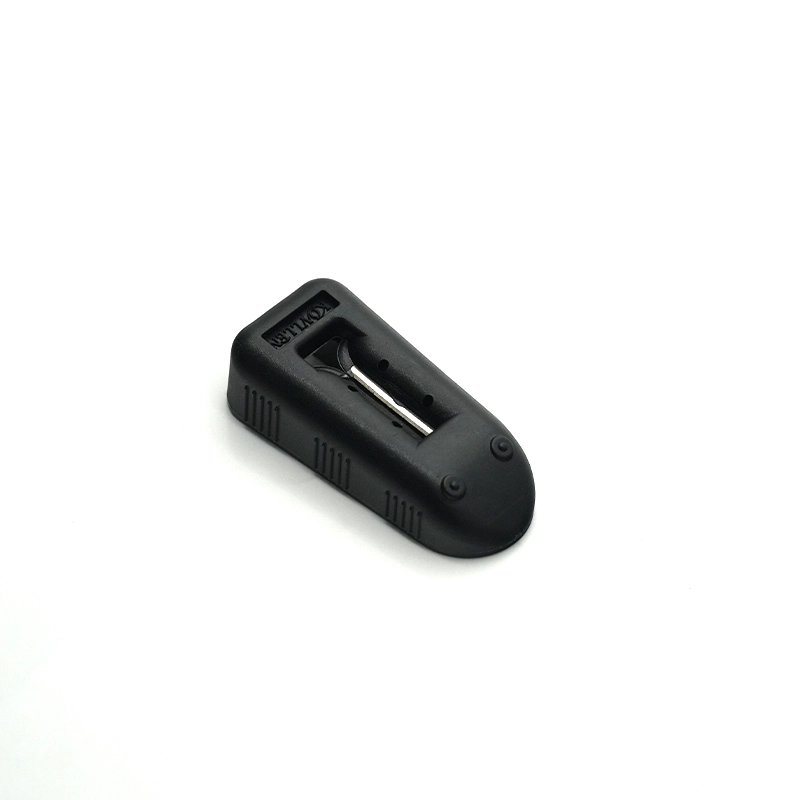
The plastic plug manufactured by Insert molding with stainless steel plate
Bost’s Insert-Molded Stainless Steel Plate Plastic Plug offers superior durability and corrosion resistance. This stainless steel insert durable plastic plug ensures a secure fit and long-lasting performance, ideal for industrial and commercial applications. Robust design meets quality standards.
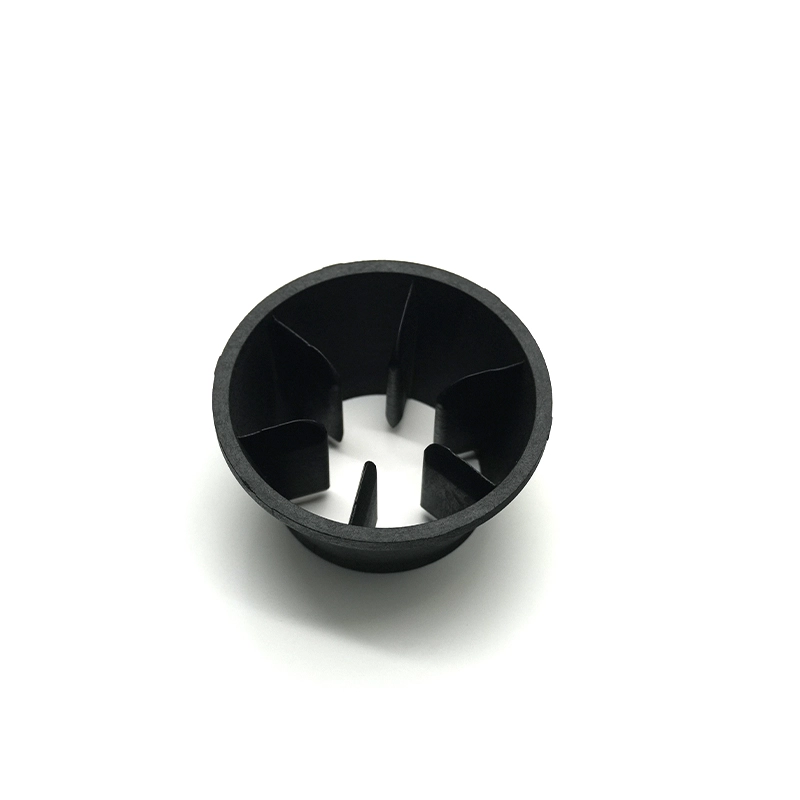
The Bost custom PPO flow valve by injection molding
The BOST Custom PPO Injection-Molded Flow Valve delivers high-temp and corrosion-resistant performance for industrial flow control. Precision-engineered by Bost, this custom PPO valve ensures durable, reliable operation in demanding environments. Optimize your process with BOST’s advanced injection-molded solution.
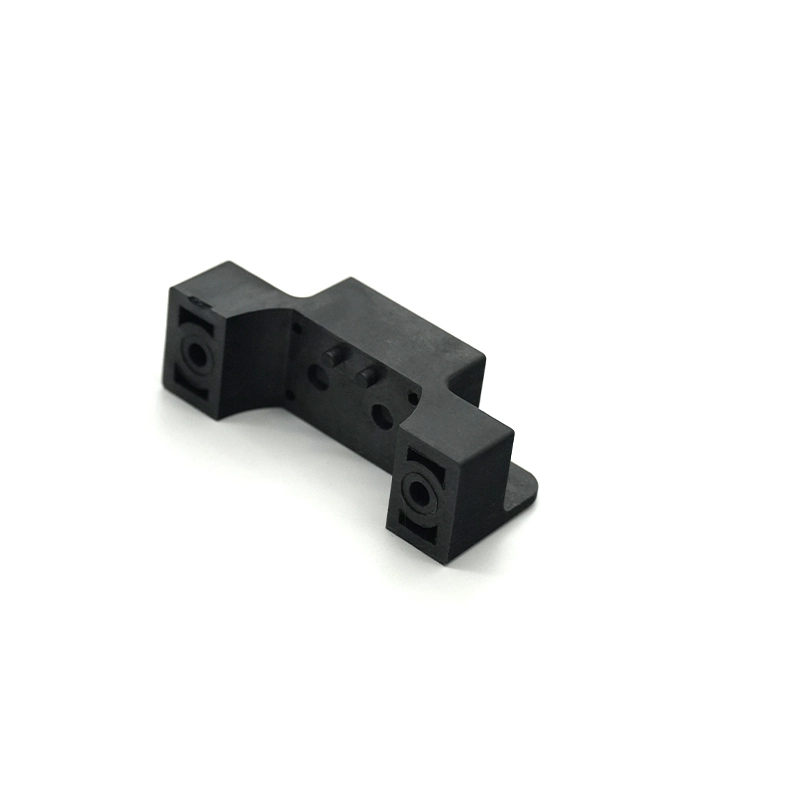
The Bost custom plastic handle by injection molding with high performance PPS material
BOST Custom PPS Injection-Molded Wear-Resistant Handle delivers superior durability and high performance. Made from High Quality PPS material, this injection-molded handle ensures exceptional wear resistance, ideal for demanding applications and long-lasting use. Choose BOST for quality and reliability.
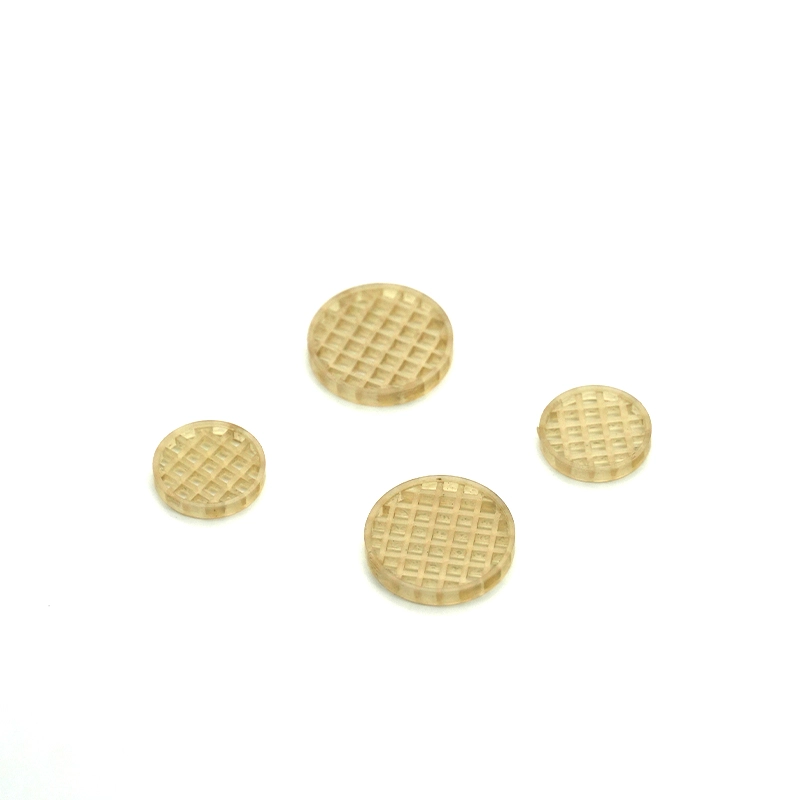
The Bost custom flow meter by injection molding with PES plastic
The Bost Custom PES Injection-Molded Flow Meter offers high-temperature and corrosion resistance, ideal for industrial use. Made with durable PES plastic via precision injection molding, this flow meter ensures reliable, customized performance for demanding applications. Trust Bost for quality and innovation.
Get in touch with Bost
Have any questions or concerns about our products? Please leave us a message here, and our team will get back to you promptly.

24 hours quotes delivered
Submit CAD files, get quote in 24 hours

No MOQ required
From prototyping to high-volume

±0.02 mm Precision
Advanced CNC with full inspections

1,000+ tons in stock
26 materials ready to ship
© 2026 BOST. All Rights Reserved.