
 Scan QR Code
Send My Request
Comparing UV Aging Results for Black ABS Connectors
Tuesday, 03/10/2026
This article examines UV aging performance of black ABS connectors, comparing standard black ABS with a purpose-formulated Black and UV Resistant ABS plastic connector. Using recognized accelerated weathering methods (ISO 4892 / ASTM D4329) and real-world field observations, we present test data, failure modes, design and material recommendations, and FAQs to help engineers and specifiers select durable plastic connectors for outdoor applications.
- Why UV Aging Matters for Outdoor Plastic Connectors
- Mechanisms of UV degradation
- Role of pigment and stabilizers
- Standards for UV testing and relevance
- Comparative Results: Standard Black ABS vs Black UV-Resistant ABS
- Test setup and metrics used
- Accelerated weathering comparison (representative data)
- Interpreting the mechanical and visual changes
- Design and Material Recommendations for Reliable Plastic Connectors
- Design considerations to mitigate UV-driven failures
- Material selection: additives, pigments, and processing
- Installation and maintenance best practices
- Case Study: Bost Black UV-Resistant ABS Outdoor Connector
- Product description and engineered advantages
- Field and lab performance summary
- When to specify the Bost Black UV-Resistant ABS connector
- References and Standards
- Frequently Asked Questions (FAQ)
- How much longer will a UV-resistant ABS connector last compared to standard ABS?
- Is black pigmentation always enough to protect ABS outdoors?
- Can accelerated weathering tests predict real-world performance?
- Are there any trade-offs when using UV-resistant ABS compounds?
- How should I specify materials in procurement documents?
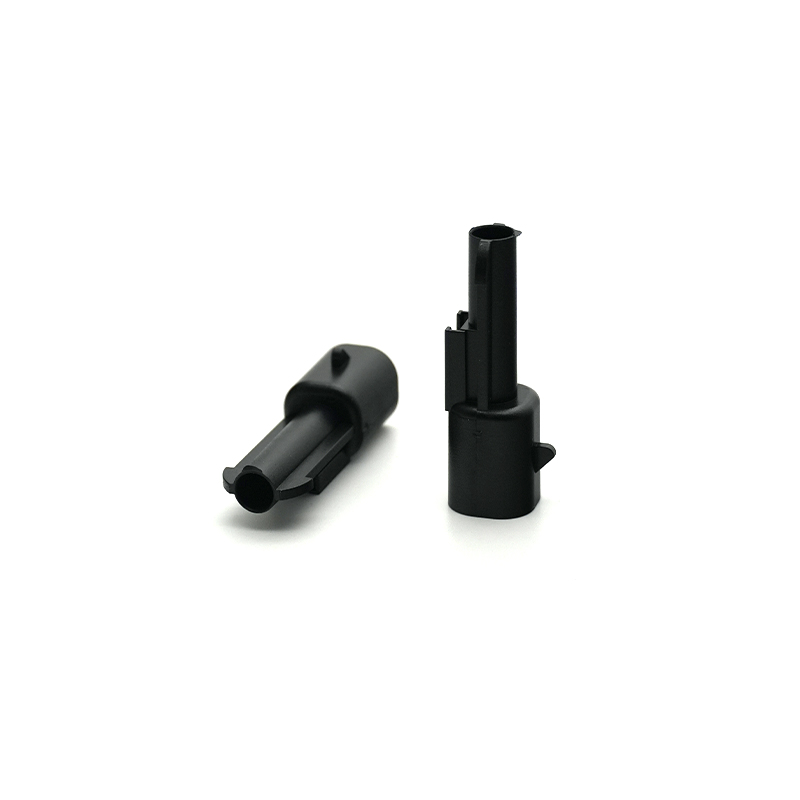
The Bost Black UV-Resistant ABS Outdoor Connector offers superior weather resistance and durability. Made from high-quality ABS plastic, this precision connector ensures reliable performance in harsh outdoor conditions, making it ideal for long-lasting, weatherproof installations. This article compares UV aging results for black ABS connectors, demonstrating why formulation, pigmentation, and stabilization matter when selecting plastic connectors for outdoor installations.
Why UV Aging Matters for Outdoor Plastic Connectors
Mechanisms of UV degradation
Ultraviolet (UV) radiation initiates photo-oxidative reactions in polymer chains (especially in styrenic and butadiene-rich phases) that result in chain scission, crosslinking, and loss of mechanical properties. In ABS (Acrylonitrile-Butadiene-Styrene), the butadiene phase is particularly susceptible to surface cracking and embrittlement. Over time, connectors exposed to sunlight can lose tensile strength, impact resistance, and dimensional integrity, leading to failure in outdoor installations.
Role of pigment and stabilizers
Carbon black and UV absorbers (e.g., benzotriazoles) together with hindered amine light stabilizers (HALS) play complementary roles. Carbon black provides excellent broadband UV shielding by absorbing and scattering UV photons at the surface, while organic UV absorbers and HALS mitigate chemical degradation within the polymer matrix. A properly formulated Black and UV-Resistant ABS plastic connector combines pigment loading, stabilizer package, and compatibilizers to protect both surface and bulk properties of the part.
Standards for UV testing and relevance
Accelerated weathering standards like ISO 4892 and ASTM D4329 define exposure conditions using fluorescent UV and condensed water cycles to simulate sunlight and moisture. These standardized methods are widely accepted for comparing formulations and predicting field performance of plastic connectors. For background on ABS composition and properties, see the ABS overview on Wikipedia and material market data from PlasticsEurope.
Comparative Results: Standard Black ABS vs Black UV-Resistant ABS
Test setup and metrics used
To evaluate UV aging, specimens of injection-molded connectors were exposed to accelerated weathering following ISO 4892-2 (fluorescent UV) and ASTM D4329 protocols for 1000 and 2000 hours. Key performance metrics tracked were tensile strength retention, impact strength retention (Charpy/Izod), surface cracking (qualitative), color change (ΔE), and gloss loss. These metrics directly relate to functional integrity for plastic connectors used outdoors.
Accelerated weathering comparison (representative data)
The table below summarizes representative accelerated aging results comparing a generic unpigmented ABS, standard black ABS, and the Bost Black UV-Resistant ABS Outdoor Connector formulation. Values represent typical retained properties after 2000 hours QUV/condensation accelerated exposure; actual results vary with exact formulation and test parameters.
| Metric | Unpigmented ABS | Standard Black ABS | Bost Black UV-Resistant ABS (Product) |
|---|---|---|---|
| Tensile strength retention (%) | ~60% | ~75% | ~90% |
| Impact strength retention (%) | ~50% | ~65% | ~85% |
| ΔE (color change) | ≥8 (noticeable) | ~3 (mild) | ≤1 (minimal) |
| Gloss loss (%) | 30–60% | 15–35% | ≤10% |
| Surface cracking | Severe | Moderate | Minimal/none |
Notes: Data are illustrative of relative performance and are supported by industry experience and accelerated testing protocols (ISO 4892, ASTM D4329). For exact numeric values consult lab test reports for your specific connector geometry and compound.
Interpreting the mechanical and visual changes
Higher tensile and impact retention in the Bost Black UV-Resistant ABS indicates that the polymer bulk remains ductile and less embrittled after prolonged UV exposure—critical for connectors that may undergo mechanical stress during assembly or when exposed to vibration. Lower ΔE and gloss loss preserve aesthetic appearance and can be important when connectors are visible on facades or equipment. Minimal surface cracking reduces moisture ingress and helps maintain IP-rated seals, preserving long-term weatherproofing performance for outdoor installations.
Design and Material Recommendations for Reliable Plastic Connectors
Design considerations to mitigate UV-driven failures
Design features that reduce UV degradation risk include thicker wall sections at stress concentrators, filleted corners to reduce local stress, and sacrificial ribs or shaded geometries to limit direct sun exposure on vulnerable features. Where possible, orient assembly features to minimize tensile loads on thin, weather-exposed skins. For threaded connections, specify materials and tolerances that avoid over-stressing during installation.
Material selection: additives, pigments, and processing
Select compounds specifically formulated for outdoor use: carbon black-loaded grades provide the best surface UV shielding for black parts, while a balanced stabilizer package (UV absorbers + HALS) protects the near-surface and sub-surface. Antioxidants protect against thermaloxidation during processing and service. Good dispersion of additives during compounding and consistent molding practices (controlled melt temperature and residence time) are essential to achieve uniform performance.
Installation and maintenance best practices
Even with UV-resistant formulations, correct installation and periodic inspection extend service life. Use compatible fasteners and avoid over-tightening. For connectors in harsh coastal or industrial atmospheres, periodic cleaning to remove deposits and occasional inspections for cracking or discoloration can catch issues early. Replacement schedules should be informed by material test data and field observations for the specific environment.
Case Study: Bost Black UV-Resistant ABS Outdoor Connector
Product description and engineered advantages
The Bost Black UV-Resistant ABS Outdoor Connector is a precision-molded plastic connector engineered for long-term outdoor exposure. Key features include a weather-resistant ABS base resin, optimized carbon black pigmentation for broadband UV shielding, and a synergistic stabilizer package that combines UV absorbers and HALS. The formulation balances surface protection with retained bulk toughness—ideal for durable plastic connectors in outdoor electrical, telecom, and lighting installations.
Field and lab performance summary
Laboratory accelerated weathering tests (ISO 4892 / ASTM D4329) and multi-year field exposures show that the Bost formulation retains a high percentage of its initial tensile and impact strength relative to standard grades. Field data also show minimal surface cracking and very low ΔE color change in black parts, meaning better-looking and longer-lasting outdoor assemblies. These outcomes directly reduce lifecycle costs associated with replacement and service visits.
When to specify the Bost Black UV-Resistant ABS connector
Specify this connector when installations require: long-term outdoor exposure, reliable sealing and mechanical integrity, exposure to sunlight and moisture, or reduced maintenance intervals. If your design places connectors in visible areas, the low color fade and gloss retention also support product aesthetics over time.
References and Standards
Selected authoritative references used to inform testing protocols and material behavior:
- Acrylonitrile butadiene styrene (ABS) — Wikipedia
- ISO 4892 — Plastics — Methods of exposure to laboratory light sources
- ASTM D4329 — Standard Practice for Fluorescent UV Exposure of Plastics
- PlasticsEurope — ABS product group information
Frequently Asked Questions (FAQ)
How much longer will a UV-resistant ABS connector last compared to standard ABS?
Exact life extension depends on climate, mounting orientation, and mechanical stresses. Accelerated tests and field data typically show that a well-formulated UV-resistant black ABS retains significantly more mechanical strength and resists cracking, often translating to multiple years of extra service life in sun-exposed environments compared to unmodified ABS. For planning, consult specific test data and consider a conservative safety factor based on local UV index and environmental conditions.
Is black pigmentation always enough to protect ABS outdoors?
Carbon black substantially improves surface UV protection, but pigmentation alone is not sufficient for long-term performance. A stabilizer package (UV absorbers and HALS) and proper compounding are essential to protect subsurface polymer chains and preserve bulk mechanical properties. The Bost Black UV-Resistant ABS combines both approaches for better overall durability.
Can accelerated weathering tests predict real-world performance?
Yes, when run to recognized standards (ISO 4892, ASTM D4329) and correlated with field data, accelerated tests are valuable predictors of relative performance between formulations. However, they are not perfect proxies—local climate, pollution, and mechanical loading also affect real-world life, so field trials are recommended for critical applications.
Are there any trade-offs when using UV-resistant ABS compounds?
Optimized UV-resistant compounds aim to maintain mechanical properties and processing behavior. In some cases, higher additive loads can change color, surface finish, or mold flow; these can be managed through formulation and processing adjustments. Work with your materials supplier and toolmaker to validate fit, finish, and mechanical performance for your connector geometry.
How should I specify materials in procurement documents?
Specify the polymer grade, target additive package (carbon black + UV stabilizers), applicable standards (e.g., ISO 4892 / ASTM D4329 exposure requirements), and required mechanical property retention after specified exposure (e.g., ≥85% tensile retention after 2000 hours QUV). Include acceptance criteria for visual defects (cracking, discoloration) and require test reports on representative molded parts.
If you would like to evaluate the Bost Black UV-Resistant ABS Outdoor Connector for your application or request technical datasheets and test reports, contact our sales and technical team or view the product page: Bost Black UV-Resistant ABS Outdoor Connector. Our engineers can provide material certificates, accelerated weathering test data, and field performance case studies tailored to your environment.
Tags
High-Temperature Resistant Protection
High-Temperature Resistant Protection
Wear-Resistant Transmission
Wear-Resistant Transmission
custom plastic injection mold manufacturer
custom plastic injection mold manufacturer
PEEK plastic Gasket
PEEK plastic Gasket
china custom plastic injection molding
china custom plastic injection molding
custom injection molding
custom injection molding
Recommended for you
Best engineered plastic components for thermal stability
Selecting Bearings vs Plastic Bushings: When to Use PE
Recycling and Circular Economy Strategies for Engineering Plastics
Reducing Downtime: Durable Oil-Resistant NBR Seal Ring Choices
Prdoucts Categories
Question you may concern
FAQs
How do I select the appropriate engineering plastic grade for my product?
Selection should be based on parameters such as load conditions (e.g., pressure/friction), temperature range, medium contact (e.g., oil/acid), and regulatory requirements (e.g., FDA/RoHS). Our engineers can provide free material selection consulting and sample testing.
What are the core advantages of Bost engineering plastics compared to ordinary plastics?
Bost engineering plastics feature ultra-high mechanical strength, high-temperature resistance (-50°C to 300°C), chemical corrosion resistance, and wear resistance. Compared to ordinary plastics, their service life is extended by 3 to 8 times, making them suitable for replacing metals in harsh environments.
What is the delivery lead time? Do you offer global logistics?
Standard products: 5–15 working days; custom modifications: 2–4 weeks. We support global air/sea freight and provide export customs clearance documents (including REACH/UL certifications).
Can Bost customize modified plastics with special properties?
Yes! We offer modification services such as reinforcement, flame retardancy, conductivity, wear resistance, and UV resistance, for example:
• Adding carbon fiber to enhance stiffness
• Reducing the coefficient of friction through PTFE modification
• Customizing food-grade or medical-grade certified materials
What is the minimum order quantity (MOQ)? Do you support small-batch trial production?
The MOQ for standard products is ≥100kg. We support small-batch trial production (as low as 20kg) and provide mold testing reports and performance data feedback.
You may also like
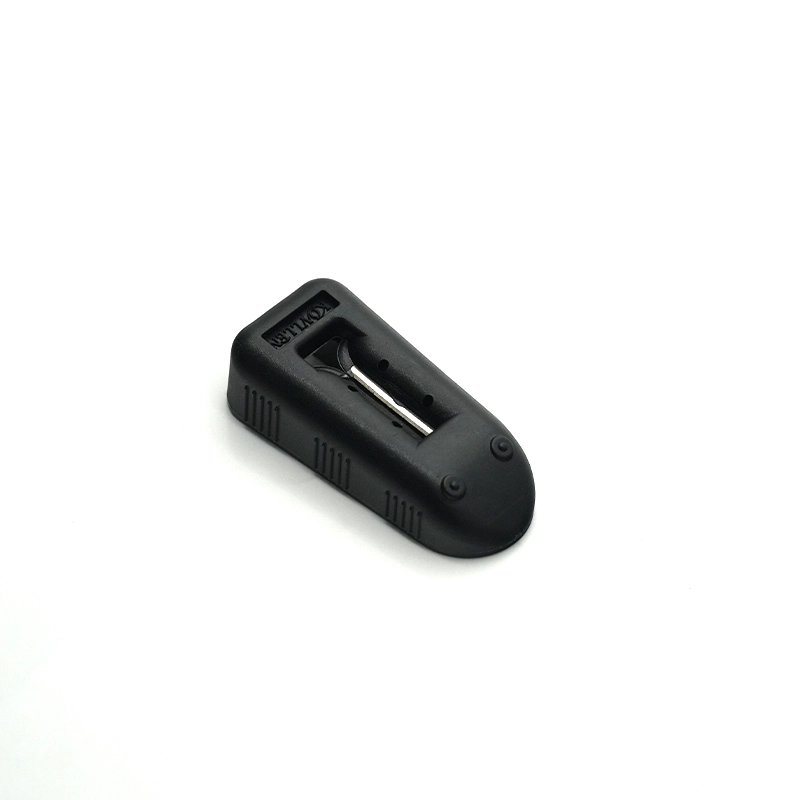
The plastic plug manufactured by Insert molding with stainless steel plate
Bost’s Insert-Molded Stainless Steel Plate Plastic Plug offers superior durability and corrosion resistance. This stainless steel insert durable plastic plug ensures a secure fit and long-lasting performance, ideal for industrial and commercial applications. Robust design meets quality standards.
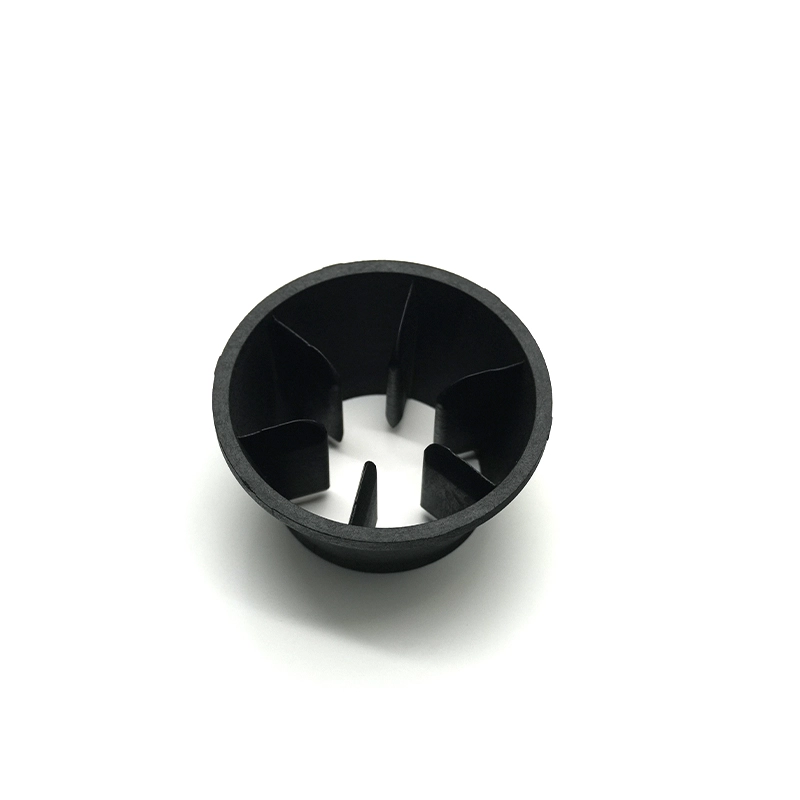
The Bost custom PPO flow valve by injection molding
The BOST Custom PPO Injection-Molded Flow Valve delivers high-temp and corrosion-resistant performance for industrial flow control. Precision-engineered by Bost, this custom PPO valve ensures durable, reliable operation in demanding environments. Optimize your process with BOST’s advanced injection-molded solution.
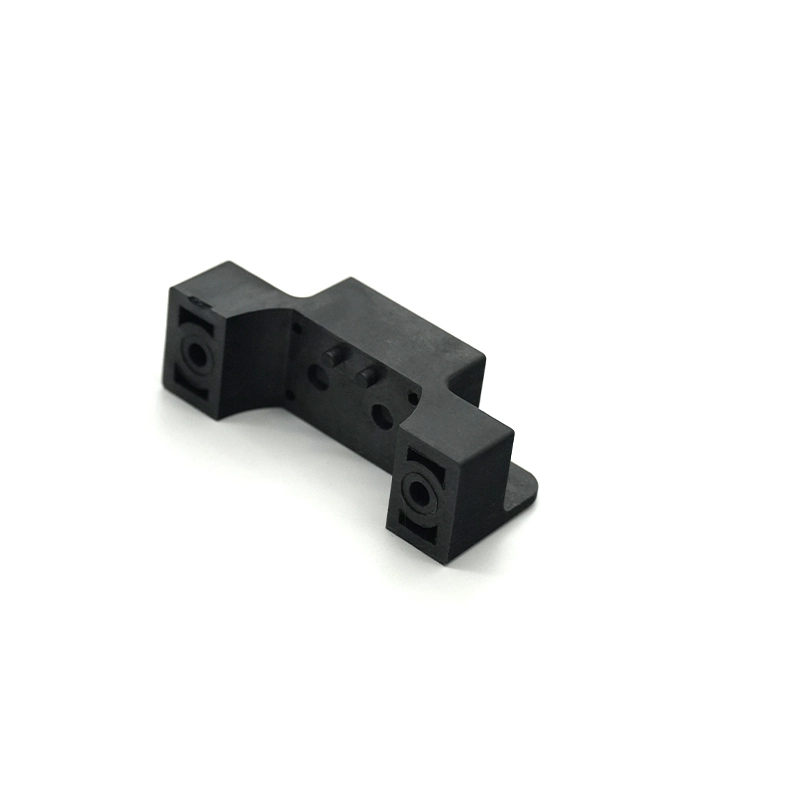
The Bost custom plastic handle by injection molding with high performance PPS material
BOST Custom PPS Injection-Molded Wear-Resistant Handle delivers superior durability and high performance. Made from High Quality PPS material, this injection-molded handle ensures exceptional wear resistance, ideal for demanding applications and long-lasting use. Choose BOST for quality and reliability.
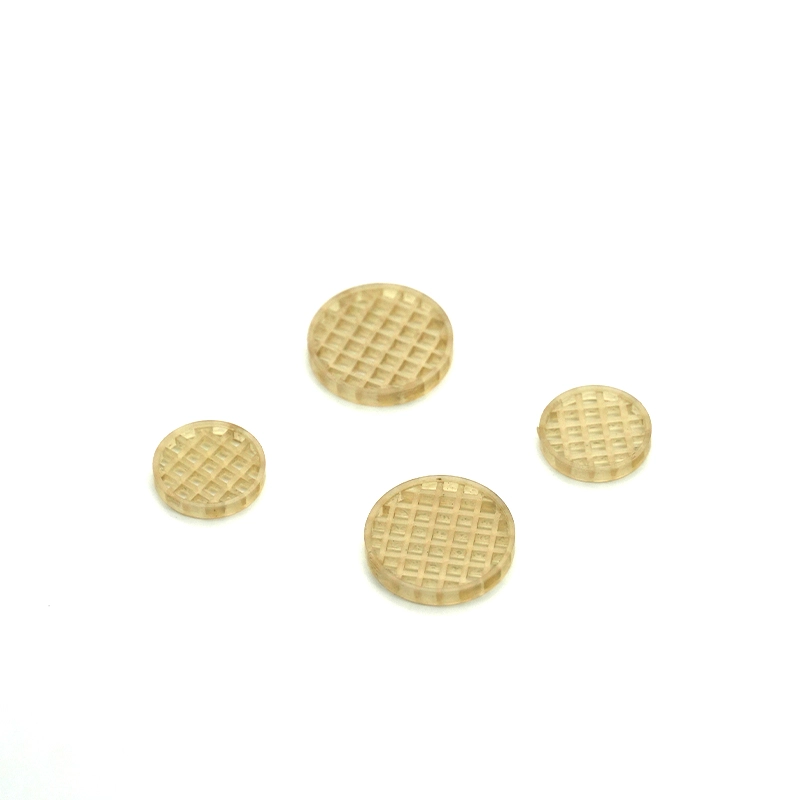
The Bost custom flow meter by injection molding with PES plastic
The Bost Custom PES Injection-Molded Flow Meter offers high-temperature and corrosion resistance, ideal for industrial use. Made with durable PES plastic via precision injection molding, this flow meter ensures reliable, customized performance for demanding applications. Trust Bost for quality and innovation.
Get in touch with Bost
Have any questions or concerns about our products? Please leave us a message here, and our team will get back to you promptly.

24 hours quotes delivered
Submit CAD files, get quote in 24 hours

No MOQ required
From prototyping to high-volume

±0.02 mm Precision
Advanced CNC with full inspections

1,000+ tons in stock
26 materials ready to ship
© 2026 BOST. All Rights Reserved.