
 Scan QR Code
Send My Request
Conquering Corrosion and High Heat: Core Processes and Pitfall Guide for Fluoroplastic Precision Injection Molding
2026-03-14
Bost specializes in precision injection molding of fluoroplastic materials, offering expert solutions to conquer corrosion and high heat challenges. As a trusted PTFE sheet supplier, we deliver durable, high-performance components tailored to your industrial needs.
In the fields of semiconductor manufacturing, aerospace, and extreme chemical fluid control, engineers constantly face the harshest physical and chemical challenges. When conventional high-performance polymers rapidly age and fail in strong acid, strong base, or ultra-high-temperature environments, only one avenue remains for material selection.
Relying on near-absolute chemical inertia, extremely low coefficients of friction, and outstanding heat resistance, Fluoroplastic has become the ultimate material for conquering these extreme application environments.
However, on the front lines of the production floor, we have seen far too many originally perfect blueprints turn into disasters during actual mass production. Buyers take melt-processable Fluoroplastic like PFA, FEP, or PVDF to ordinary contract manufacturers, only to receive severely shrunken products, surfaces riddled with black spots, or even a mold that is completely corroded and scrapped.
Understanding the physical properties of a material does not equate to being able to process it flawlessly. Today, we will strip away the theory and, from the perspective of seasoned process veterans, deeply deconstruct the terrifying manufacturing pain points and breakthrough methods of Fluoroplastic in actual production.
Why is Fluoroplastic Called the "King of Plastics" Yet Deters Countless Injection Molding Factories?
In the entire family of polymer materials, Fluoroplastic possesses an unrivaled performance moat. It reacts with almost no chemical solvents and maintains excellent electrical insulation even under extreme temperatures.
But the harsh reality is that as stable as this material is at room temperature, it is equally "violent" when in a high-temperature molten state.
When Fluoroplastic pellets enter the barrel of an injection molding machine and are heated to 300°C or higher, they release trace amounts of highly destructive hydrogen fluoride (HF) gas. This highly corrosive gas instantly and indiscriminately attacks any metal surface it contacts. Without extremely professional precision injection molding hardware and processes as support, production is not only impossible, but it will also inflict irreversible, catastrophic damage on the equipment.
1. Resisting Fatal Corrosion: Traditional Mold Design and Material Selection Must Be Overturned
When processing ordinary engineering plastics, steels like P20 or H13 are sufficiently excellent. But in the face of Fluoroplastic, these conventional mold steels are as fragile as paper.
To resist the fatal erosion of high-temperature fluorides, we must completely overturn traditional material perceptions during the preliminary mold design phase:
Utilize Top-Tier Corrosion-Resistant Alloys: The cavity, core, and even the runner system of the mold must utilize astronomically expensive Hastelloy or top-tier steels treated with special anti-corrosion platings.
Rigorous Venting System Layout: The retention of corrosive gases will not only burn the edges of the product but also accelerate the destruction of the mold. Engineers must design venting grooves extremely precisely to ensure that hazardous gases are rapidly and completely expelled from the cavity the moment of injection.
Predicting Anisotropic Shrinkage: The shrinkage rate of Fluoroplastic is massive and highly unstable. We must rely on cutting-edge mold flow analysis to proactively predict deformation trends and apply reverse compensation.
2. Specially Customized Plasticizing Units: Protecting the Core of the Injection Molding Process
The barrel and screw of an injection molding machine are the main battlefield for molten polymer materials. If an ordinary screw is used to shoot Fluoroplastic, its surface will be severely pitted and corroded within a week.
This leads directly to fatal consequences: corroded metal debris flaking off will mix into the melt, ultimately forming irremovable black spots on the surface of an otherwise extremely pure product.
Complete Anti-Corrosion Hardware Upgrades: Professional injection molding factories must equip exclusive barrels, screws, and flange assemblies made of bimetallic or special corrosion-resistant alloys specifically for Fluoroplastic.
Minimalist Streamlined Design: The geometric structure of the screw must have absolutely no dead corners. Because any melt stagnation in dead corners will trigger rapid thermal degradation of the material, subsequently releasing more highly toxic and corrosive gases.
3. Thermal Management and Parameter Tuning Under an Extremely Narrow Processing Window
Beyond burning money on hardware, mastering Fluoroplastic also requires pinnacle software tuning capabilities, which is what we commonly refer to as injection molding process parameter control.
The melt viscosity of this material is extremely high, and its flowability is exceedingly poor. Forcing it into complex micro-cavities requires immense injection pressure and exceedingly smooth speed control:
Precise Closed-Loop Temperature Control: The barrel temperature must be controlled with extreme precision. If the temperature is too low, the highly viscous melt simply will not flow; if it is even a few degrees too high, the material will degrade instantly.
Gradual Stress Release: During the holding pressure phase, an extremely gentle, multi-stage stepped strategy must be adopted. This allows the material to crystallize slowly within the cavity, completely eliminating internal residual stresses that lead to later cracking.
Real Production Line Storm: Saving the Mass Production Crisis of Semiconductor High-Purity Fluid Valves
Theory is shallow without practice. Let's look at a real customer complaint case that happened a few months ago.
A globally renowned supplier of semiconductor equipment fluid systems specified the use of PFA (a melt-processable Fluoroplastic) when developing a valve fitting used for transporting ultra-high purity hydrofluoric acid.
The Pain Point: Metal Ion Leaching and Severely Out-of-Control Dimensions
Their trial production at their original contract manufacturer was a complete disaster. Because the factory used ordinary mold steel, the resulting PFA fittings were not only covered in microscopic black spots visible to the naked eye, but subsequent ICP-MS (Inductively Coupled Plasma Mass Spectrometry) testing revealed severe metal ion leaching.
For the semiconductor industry, which demands "absolute purity," this is a defect that warrants an immediate death sentence. Furthermore, because the original factory was helpless against PFA's shrinkage rate of over 3%, the thread tolerances of the fittings completely failed to meet sealing standards.
The Breakthrough: Deep Reconstruction with Hastelloy Molds and Precision Processes
Seeing the project facing imminent default, the desperate client came to us. Once our engineering team took over, we immediately brought it under our highest-level special material control protocols:
Starting Over with Hardware: We decisively scrapped the original mold and used high-purity Hastelloy to remanufacture all cavity and runner components that contacted the melt, thoroughly cutting off the possibility of metal ion contamination at the source.
Dynamic Process Tuning: During the mass production phase, we utilized specialized corrosion-resistant all-electric injection molding machines. Through micron-level switching of V/P (velocity/pressure) positions, we perfectly overcame PFA's notoriously poor flowability.
The ultimately delivered PFA valve fittings not only had a surface as pure and flawless as jade, but their thread dimensional tolerances were also firmly locked at the ±0.02mm level, successfully helping the client secure massive orders from the end-user wafer fab.
Conclusion: Find an Expert Specialty Manufacturing Partner to Bring Your Design to Life
In today's rapidly changing high-end manufacturing market, excellent product design is merely the entry ticket. The ability to stably and efficiently transform temperamental Fluoroplastic into high-quality physical parts is a company's true moat.
The injection molding of special materials is absolutely not something that can be easily mastered just by buying a few machines. It is a "hardcore foundation" built by a factory through countless days and nights of trial and error, and countless sets of molds scrapped due to corrosion.
At BOST, we deeply understand the extreme physical and chemical properties of polymer materials. Relying on over a decade of experience processing special engineering plastics and top-tier anti-corrosion injection molding hardware, we have helped numerous B2B clients in demanding industries worldwide cross the chasm of mass production.
Is your next project also facing extreme challenges of strong corrosion and ultra-high temperatures? Do not let outdated processing techniques ruin your expensive special materials.
We invite you to visit our official website at https://www.gz-bost.com today to get in touch with our expert team. Submit your 3D drawings, and let us provide you with highly competitive, in-depth DFM analysis and accurate quotes for your highly difficult Fluoroplastic projects!
Recommended for you
Ultimate Guide: Selecting High-Performance Rubber Seals to Optimize Equipment Longevity
Ultimate Guide: How to Enhance Product Performance and Reduce Costs via Insert Molding Optimization
Goodbye Peeling and Cracking: How Over Molding Perfectly Achieves Seamless Multi-Material Integration
Goodbye Material Selection Blind Spots: How to Achieve Cost Reduction and Lightweighting Through the Right Engineering Plastic
Prdoucts Categories
FAQ
FAQs
What is the minimum order quantity (MOQ)? Do you support small-batch trial production?
The MOQ for standard products is ≥100kg. We support small-batch trial production (as low as 20kg) and provide mold testing reports and performance data feedback.
What is the delivery lead time? Do you offer global logistics?
Standard products: 5–15 working days; custom modifications: 2–4 weeks. We support global air/sea freight and provide export customs clearance documents (including REACH/UL certifications).
What are the core advantages of Bost engineering plastics compared to ordinary plastics?
Bost engineering plastics feature ultra-high mechanical strength, high-temperature resistance (-50°C to 300°C), chemical corrosion resistance, and wear resistance. Compared to ordinary plastics, their service life is extended by 3 to 8 times, making them suitable for replacing metals in harsh environments.
How do I select the appropriate engineering plastic grade for my product?
Selection should be based on parameters such as load conditions (e.g., pressure/friction), temperature range, medium contact (e.g., oil/acid), and regulatory requirements (e.g., FDA/RoHS). Our engineers can provide free material selection consulting and sample testing.
Can Bost customize modified plastics with special properties?
Yes! We offer modification services such as reinforcement, flame retardancy, conductivity, wear resistance, and UV resistance, for example:
• Adding carbon fiber to enhance stiffness
• Reducing the coefficient of friction through PTFE modification
• Customizing food-grade or medical-grade certified materials
You may also like
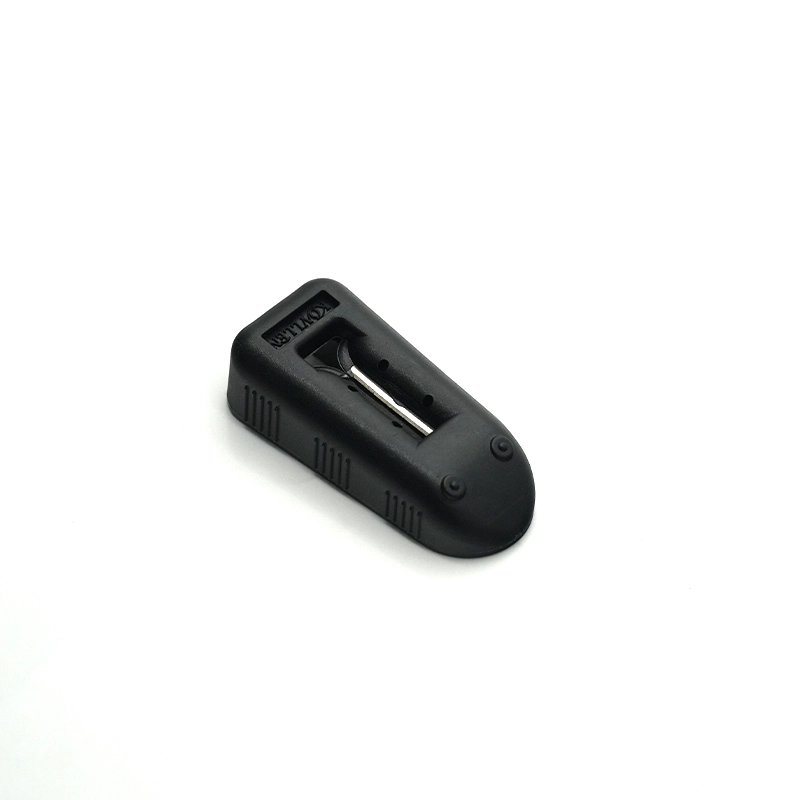
The plastic plug manufactured by Insert molding with stainless steel plate
More Details →
The plastic plug manufactured by Insert molding with stainless steel plate
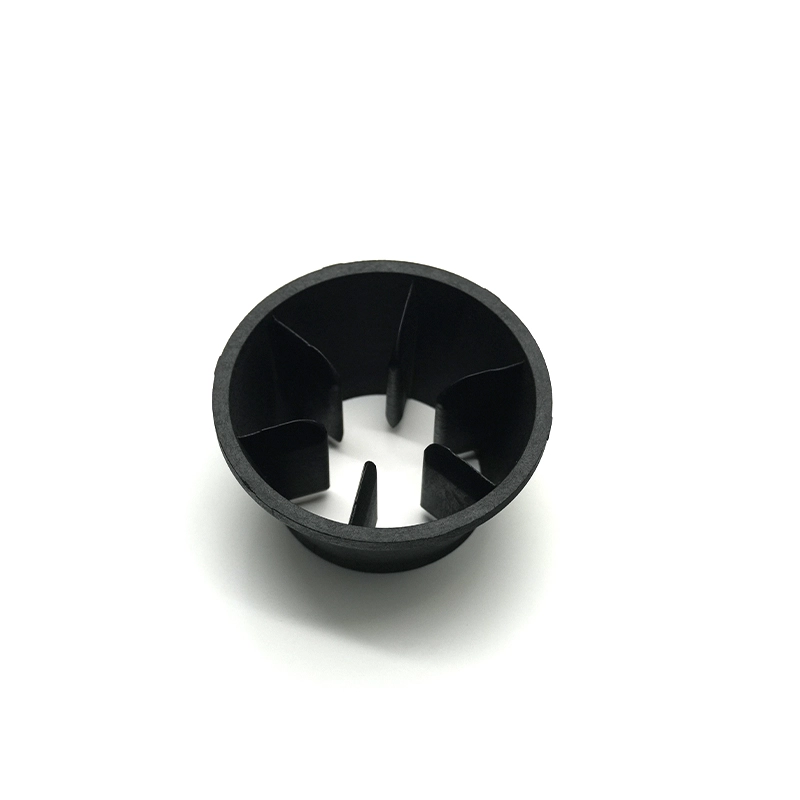
The Bost custom PPO flow valve by injection molding
More Details →
The Bost custom PPO flow valve by injection molding
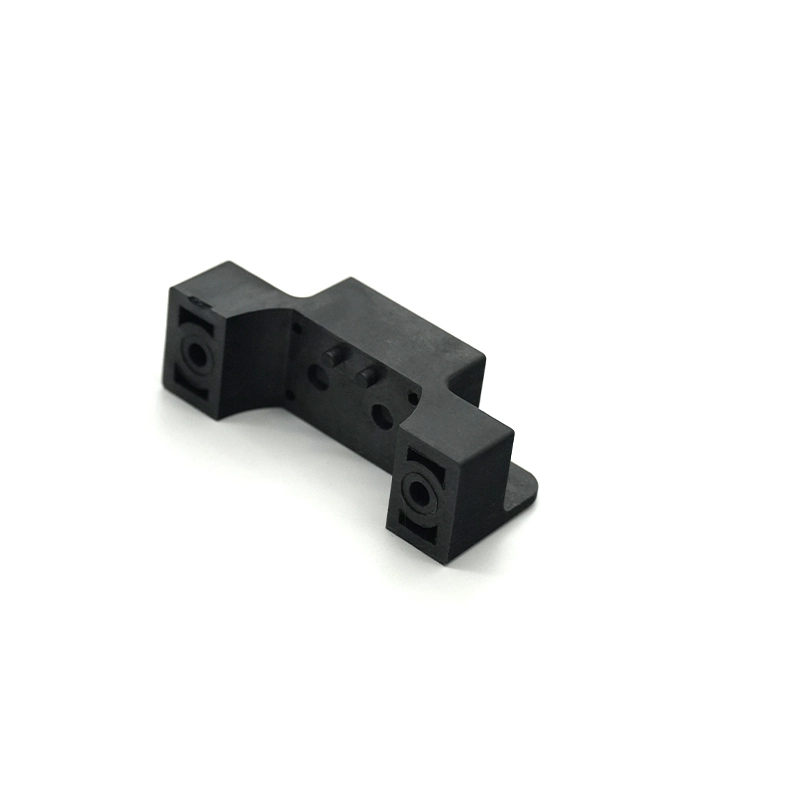
The Bost custom plastic handle by injection molding with high performance PPS material
More Details →
The Bost custom plastic handle by injection molding with high performance PPS material
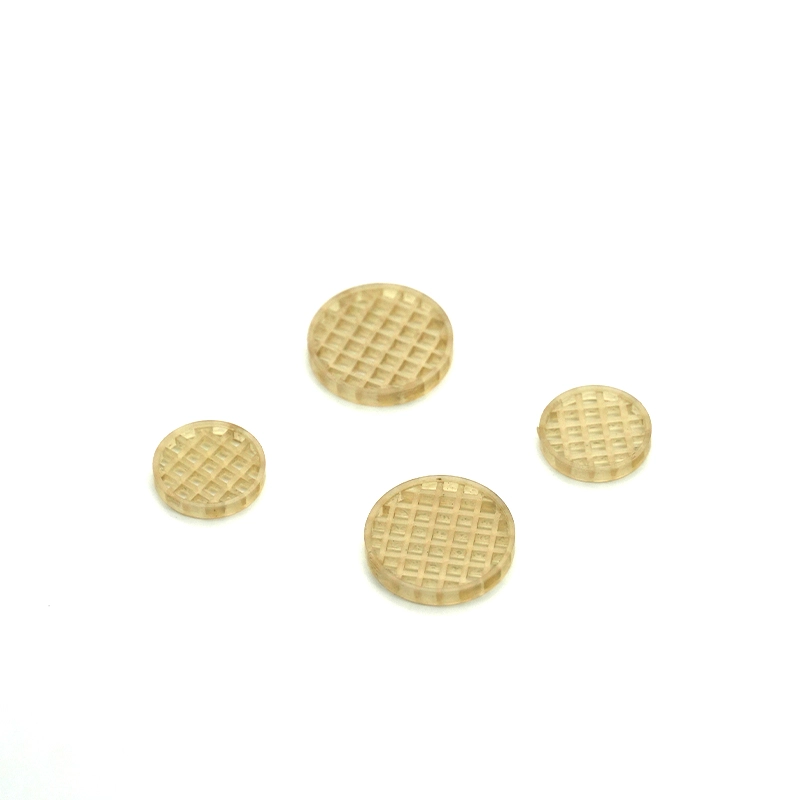
The Bost custom flow meter by injection molding with PES plastic
More Details →
The Bost custom flow meter by injection molding with PES plastic
Leave a Message
Have any questions or concerns about our products? Please leave us a message here, and our team will get back to you promptly.

24 hours quotes delivered
Submit CAD files, get quote in 24 hours

No MOQ required
From prototyping to high-volume

±0.02 mm Precision
Advanced CNC with full inspections

1,000+ tons in stock
26 materials ready to ship
© 2026 BOST. All Rights Reserved.