
 Scan QR Code
Send My Request
Goodbye Material Selection Blind Spots: How to Achieve Cost Reduction and Lightweighting Through the Right Engineering Plastic
2026-03-14
Discover how Bost, a leading engineering plastics supplier, helps eliminate material selection blind spots. Achieve cost reduction and lightweighting by choosing the right engineering plastic solutions tailored for your projects. Optimize performance and efficiency with Bost’s expert guidance.
Goodbye Material Selection Blind Spots: How to Achieve Cost Reduction and Lightweighting Through the Right Engineering Plastic
In today's B2B high-end manufacturing sector, whether it is automotive lightweighting, the upgrading of medical devices, or the iteration of industrial equipment, engineers are constantly engaged in an extreme battle against cost, weight, and performance.
When traditional metal materials encounter physical bottlenecks such as high costs, cumbersome processing, or the need to avoid electromagnetic shielding, Engineering Plastic has become the core driving force breaking through barriers in modern industry.
However, on the front lines of the injection molding workshop, we often see a recurring tragedy: a purchasing manager blindly selects a plastic with perfect parameters on a data sheet, only to suffer severe shrinkage, warpage, or even mass cracking during mass production.
Understanding the theoretical parameters of plastics and truly being able to process the material flawlessly are separated by a massive technological chasm. Today, from the perspective of seasoned process veterans, we will deeply deconstruct those manufacturing pain points that are easily overlooked when applying Engineering Plastic.
Why Does Engineering Plastic with Perfect Theoretical Parameters Frequently Fail on the Production Line?
Many R&D engineers rely too heavily on the static data found on a material's Technical Data Sheet (TDS) when making selections.
But the harsh reality is that when these polymer pellets enter the barrel of an injection machine and endure high-temperature melting of several hundred degrees and extreme shear forces, their final physical form within the part often deviates significantly from theoretical values.
Without top-tier precision injection molding capabilities as a foundation, even the most expensive specialty materials can turn into a pile of scrap. In actual production, the supplier's process expertise directly dictates the upper limit of the material's performance.
1. Mold Design: The "Invisible Foundation" Dictating the Lower Limit of Material Performance
When polymer materials cool from a liquid to a solid state, volumetric shrinkage inevitably occurs. For Engineering Plastic containing a high proportion of glass fiber reinforcement, this shrinkage rate exhibits extremely significant anisotropy in different directions.
To completely resolve the issue of cooling deformation, we must achieve the following during the preliminary mold design phase:
Introduce High-Precision Moldflow Analysis: We must utilize the Moldflow system to simulate the flow velocity, shear rate, and temperature changes of the melt within the cavity in advance.
Scientifically Layout Conformal Cooling: For areas with uneven product wall thickness, we design extremely complex cooling or heating water channels to ensure consistent cooling rates.
Micron-Level Venting Control: Even a 0.02mm inadequacy in venting can cause the edges of the material to be directly burned and blackened under high-frequency injection.
2. Injection Molding Process: The "Steering Wheel" for Mastering Complex Polymer Rheology
Having a precision mold also requires an extremely rigorous and scientific injection molding process. Processing high-performance materials is absolutely not just a crude matter of "turning up the temperature and maxing out the pressure."
Take PA66 (Nylon), a material extremely prone to absorbing moisture, as an example. It is highly sensitive to the processing environment:
Absolute Dehumidification and Drying: If the preliminary baking and dehumidification process is not thorough (moisture content not dropped below 0.1%), microscopic amounts of water will instantly vaporize within the high-temperature barrel.
Fatal Performance Degradation: This causes bubbles inside the product and silver streaks on the surface, leading to a precipitous drop in mechanical strength.
Furthermore, selecting the correct compression ratio for the screw and smoothly transitioning through multi-stage injection speeds (V/P transfer) are the absolute core of preventing massive internal residual stresses within the material.
Real Workshop Case: Solving the Stress Cracking Dilemma in an Automotive Electronic Housing
Theory is shallow without practice. Let's look at a real customer complaint case that happened on our production line a few months ago.
A well-known automotive parts supplier was manufacturing a radar sensor housing and selected a high-strength, flame-retardant Engineering Plastic (PC/ABS alloy).
The Pain Point: Mass Cracking After High and Low-Temperature Shock Tests
They encountered a fatal problem during trial production at their original contract manufacturer: after the housings underwent thermal shock cycling tests from -40°C to 85°C, the bases of the screw bosses where the PCBA was mounted frequently cracked.
With the delivery deadline rapidly approaching, the client came to us with the nearly ruined mold. Through cross-sectional analysis using a polarized light stress detector, we discovered the root causes:
Mold Temperature Set Too Low: The original factory, in a one-sided pursuit of faster cycle times, caused the high-temperature melt to be rapidly "frozen" the moment it touched the mold wall.
Skyrocketing Internal Stress: This unreasonable process generated extremely high residual stress in areas with abrupt changes in wall thickness, such as the screw bosses.
The Breakthrough: Joint Reconstruction via Precision Molds and Stepped Holding Pressure
We decisively executed a deep reconstruction of the manufacturing plan, mainly adopting the following two core measures:
Optimized Localized Heat Dissipation: In terms of mold design, we added highly thermally conductive beryllium copper inserts in deep rib areas and the screw boss regions, drastically improving the issue of uneven localized cooling.
Releasing Material Stress: On the injection molding machine, we adopted a gentle, multi-stage stepped holding pressure strategy, allowing the PC/ABS material to crystallize slowly and uniformly within the cavity to release stress.
Ultimately, we not only completely eliminated the hidden danger of cracking but also firmly controlled the dimensional tolerance of the product at the ±0.03mm level, successfully saving the client from a delivery crisis.
Conclusion: Bringing Your Engineering Plastic Project to Perfect Fruition
In the high-end manufacturing arena pursuing the ultimate balance of performance and cost, selecting the right Engineering Plastic is merely the first step toward success.
How to flawlessly translate complex blueprints into high-quality physical parts through an extremely rigorous quality control system and deep process accumulation is a manufacturing enterprise's true moat.
At BOST, we possess over a decade of practical foundation in conquering the processing challenges of complex polymer materials. From highly professional upfront DFM (Design for Manufacturability) analysis and high-precision mold development to final large-scale mass production in cleanroom workshops, we safeguard your high-demand projects.
Is your new project currently searching for the most suitable engineering plastics? Or are you being troubled by your current injection molding yield rates and dimensional stability? Do not let poor processing techniques limit the pace of your product innovation.
We invite you to visit our official website at https://www.gz-bost.com today and submit your 3D drawings. Let our senior engineering team provide you with in-depth evaluations and highly competitive, accurate quotes!
Recommended for you
Ultimate Guide: Selecting High-Performance Rubber Seals to Optimize Equipment Longevity
Ultimate Guide: How to Enhance Product Performance and Reduce Costs via Insert Molding Optimization
Goodbye Peeling and Cracking: How Over Molding Perfectly Achieves Seamless Multi-Material Integration
Conquering Corrosion and High Heat: Core Processes and Pitfall Guide for Fluoroplastic Precision Injection Molding
Prdoucts Categories
FAQ
FAQs
What is the delivery lead time? Do you offer global logistics?
Standard products: 5–15 working days; custom modifications: 2–4 weeks. We support global air/sea freight and provide export customs clearance documents (including REACH/UL certifications).
What is the minimum order quantity (MOQ)? Do you support small-batch trial production?
The MOQ for standard products is ≥100kg. We support small-batch trial production (as low as 20kg) and provide mold testing reports and performance data feedback.
How do I select the appropriate engineering plastic grade for my product?
Selection should be based on parameters such as load conditions (e.g., pressure/friction), temperature range, medium contact (e.g., oil/acid), and regulatory requirements (e.g., FDA/RoHS). Our engineers can provide free material selection consulting and sample testing.
Can Bost customize modified plastics with special properties?
Yes! We offer modification services such as reinforcement, flame retardancy, conductivity, wear resistance, and UV resistance, for example:
• Adding carbon fiber to enhance stiffness
• Reducing the coefficient of friction through PTFE modification
• Customizing food-grade or medical-grade certified materials
What are the core advantages of Bost engineering plastics compared to ordinary plastics?
Bost engineering plastics feature ultra-high mechanical strength, high-temperature resistance (-50°C to 300°C), chemical corrosion resistance, and wear resistance. Compared to ordinary plastics, their service life is extended by 3 to 8 times, making them suitable for replacing metals in harsh environments.
You may also like
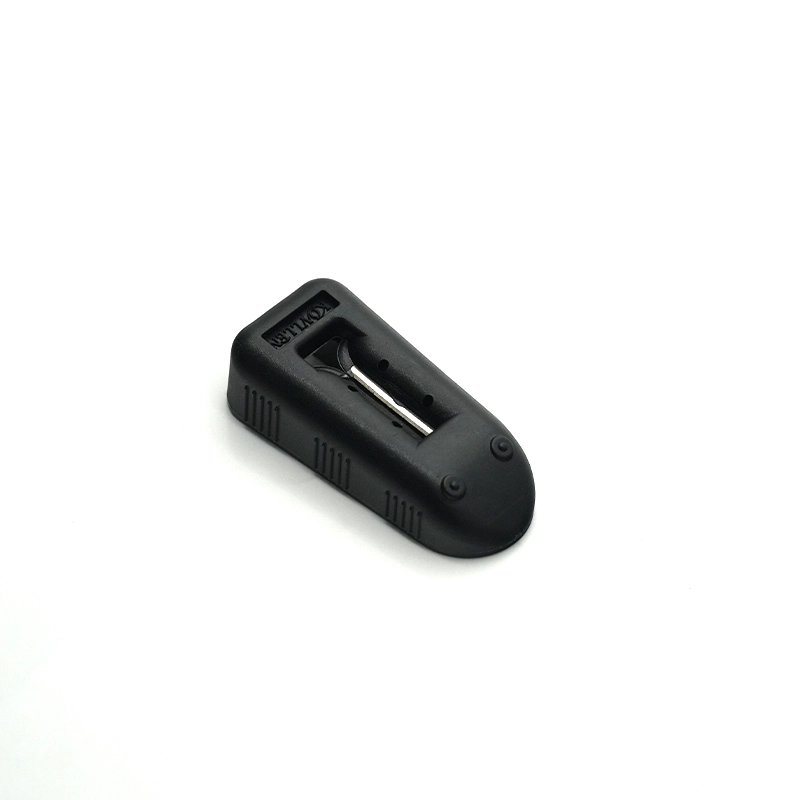
The plastic plug manufactured by Insert molding with stainless steel plate
More Details →
The plastic plug manufactured by Insert molding with stainless steel plate
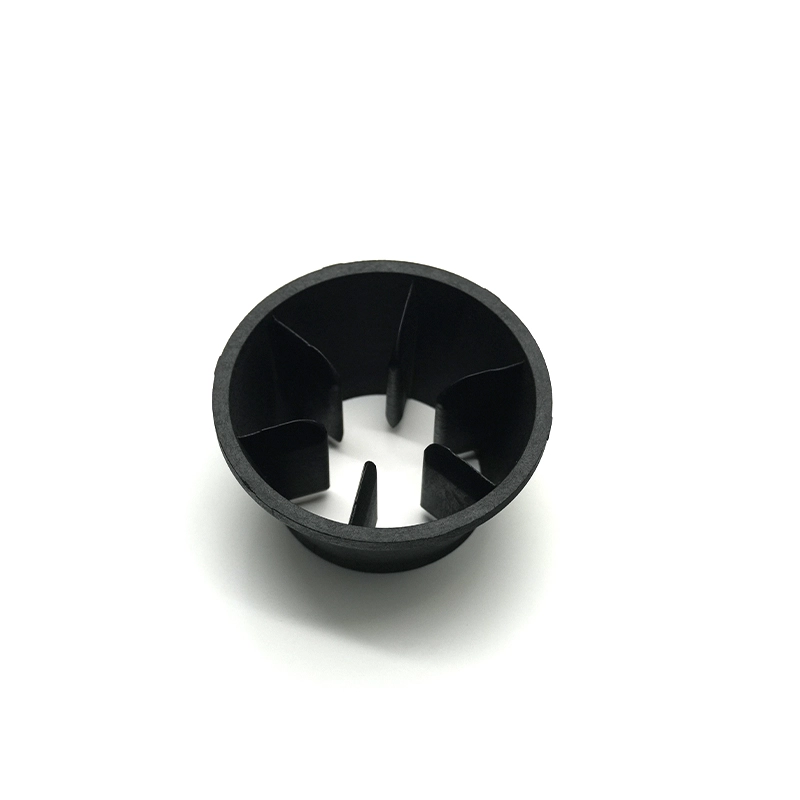
The Bost custom PPO flow valve by injection molding
More Details →
The Bost custom PPO flow valve by injection molding
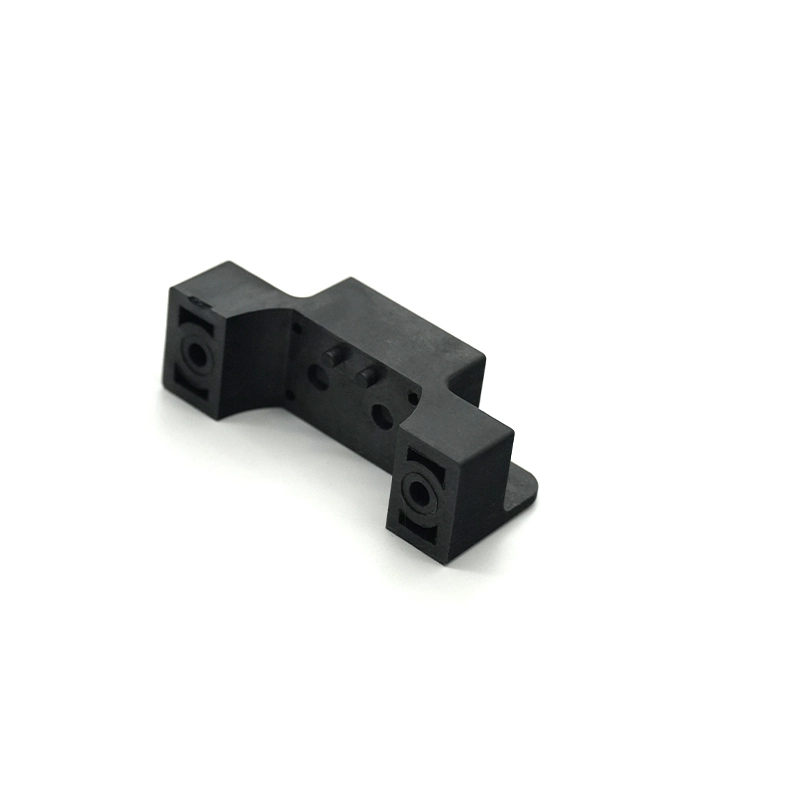
The Bost custom plastic handle by injection molding with high performance PPS material
More Details →
The Bost custom plastic handle by injection molding with high performance PPS material
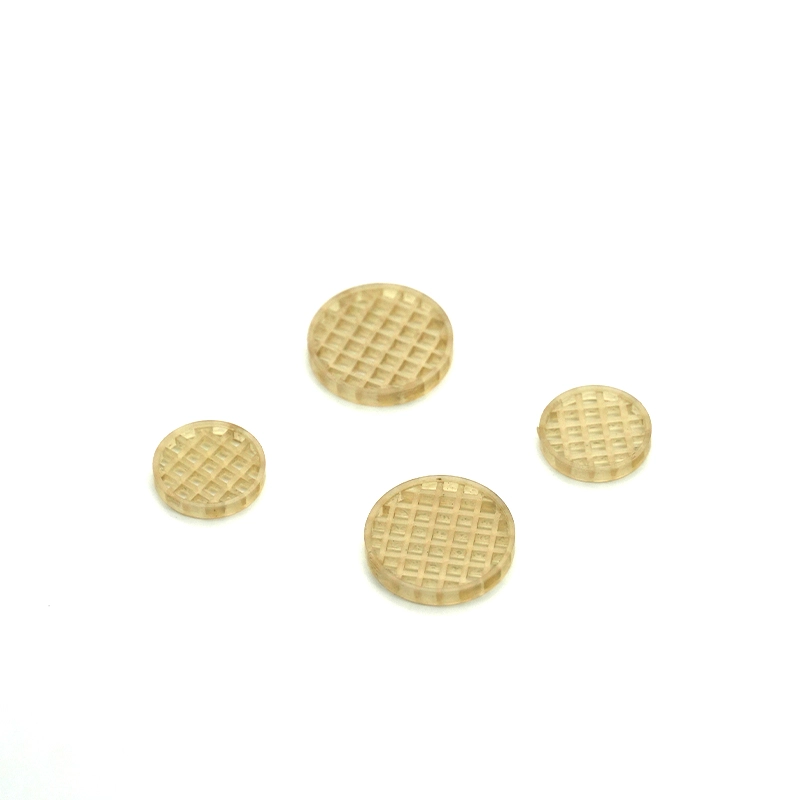
The Bost custom flow meter by injection molding with PES plastic
More Details →
The Bost custom flow meter by injection molding with PES plastic
Leave a Message
Have any questions or concerns about our products? Please leave us a message here, and our team will get back to you promptly.

24 hours quotes delivered
Submit CAD files, get quote in 24 hours

No MOQ required
From prototyping to high-volume

±0.02 mm Precision
Advanced CNC with full inspections

1,000+ tons in stock
26 materials ready to ship
© 2026 BOST. All Rights Reserved.