
 Scan QR Code
Send My Request
Goodbye Peeling and Cracking: How Over Molding Perfectly Achieves Seamless Multi-Material Integration
2026-03-14
Discover how Bost’s advanced over molding techniques eliminate peeling and cracking by seamlessly integrating silicone to plastic. Our expert overmolding ensures durable, high-quality multi-material bonds for superior product performance and longevity. Explore flawless solutions today.
In the manufacturing fields of medical devices, high-end consumer electronics, and automotive interiors, a single material is often no longer sufficient to meet the dual demanding requirements of "functionality" and "ergonomics" of modern products.
Engineers are increasingly inclined to encapsulate the surface of rigid structural components with a layer of elastomer that is soft, non-slip, or features specific colors. However, traditional glue bonding or mechanical snap-fit assembly is not only inefficient but also faces massive risks of aging, peeling, and waterproofing failures.
When traditional processes reach a dead end, Over Molding becomes the core process to break through the bottleneck.
But on the front lines of the injection molding workshop, we often see this scenario: a buyer seeks a contract manufacturer with seemingly perfect design blueprints, only to end up with scraps suffering from edge flash, peeling of the soft rubber, or even the rigid skeleton being completely crushed.
Understanding the theory is one thing; being able to perfectly "weld" two entirely different materials together on the production line involves an extremely high technological threshold. Today, from the perspective of seasoned process veterans, we will deeply deconstruct the core pain points and pitfall avoidance guide for Over Molding.
Why Is the Defect Rate of Your Over Molding Products Always Skyrocketing?
When product designers draw a two-layer structure on a blueprint, they often think it's quite simple. But in actual production, Over Molding is absolutely not as easy as putting a plastic part into a mold and shooting a layer of soft rubber over it.
It is an extreme game involving polymer chemistry, thermodynamics, and precision mechanical engineering. Without top-tier precision injection molding capabilities as a foundation, a seemingly simple dual-material combination can turn into a yield rate disaster.
In actual production, the core reasons for frequent failures of overmolded products are often concentrated in the following overlooked "hidden mines."
1. Fatal Material Compatibility: Moving Beyond Physical Bonding to Pursue Chemical Bonding
The absolute prerequisite for successful Over Molding is the perfect compatibility between the rigid substrate and the soft material (usually TPE/TPU/Silicone).
Many factories rely solely on physical mechanical interlocking (such as designing undercuts or holes) to secure the soft rubber. But this is far from enough; once the product is subjected to external pulling forces or undergoes thermal shock, it is highly prone to peeling.
True Chemical Bonding: Top-tier processes require that the moment the two materials make contact, their molecular chains can interpenetrate and entangle.
Precise Material Pairing: For example, when using PC or ABS as the rigid substrate, specific TPEs containing polar groups must be selected to achieve an unbreakable chemical bond. Choosing the wrong material formulation destines the overmolding process to fail.
2. Absolute Precision in Mold Design: Preventing Flash and Substrate Crushing
In Over Molding, the rigid plastic part formed in the first injection becomes "part of the mold" during the second injection. This imposes extremely insane tolerance requirements on mold design.
If the dimensions of the rigid substrate are unstable, or if the cavity of the second mold does not fit tightly against the substrate, disaster strikes:
Terrifying Flash: The high-temperature, high-pressure soft rubber melt will frantically overflow through microscopic gaps, forming flash and severely ruining the product's appearance.
Crushing the Substrate: To prevent flash, if the mold clamping force is too high and the support ribs of the rigid part are improperly designed, the fragile internal structure will be directly crushed.
3. The Thermodynamic Tightrope Walk of the Injection Molding Process
Having good materials and a good mold also requires an injection molding process capable of precisely mastering them. Temperature control during overmolding is tantamount to walking a tightrope.
The Contradiction of Melting the Interface vs. Maintaining the Skeleton: The temperature of the soft rubber injected the second time must be high enough to slightly melt the surface of the rigid part to form chemical bonds; yet simultaneously, it cannot be too high, otherwise the entire rigid skeleton will deform and soften.
Precise Control of Injection Speed: The soft rubber injection speed must undergo extremely smooth multi-stage control. Too fast a speed will cause extreme shear heat, directly burning the weld line; too slow a speed will generate cold slugs, leading to a precipitous drop in bonding strength.
Real Workshop Record: Conquering the Peeling Dilemma in Medical-Grade Wearable Devices
Theory is shallow without practice. Let's look at a real customer complaint case that happened on our production line a few months ago.
A high-end medical wearable device manufacturer needed to produce a close-fitting heart rate monitor. The main body was a rigid PC skeleton, and the exterior required Over Molding with medical-grade Liquid Silicone Rubber (LSR) to ensure skin-friendliness and ultimate IP68 waterproofing.
The Pain Point: Soft Rubber Peeling After High-Temperature Sterilization
They suffered a miserable defeat during trial production at their original contract manufacturer. Although the appearance barely passed, after undergoing hospital-standard 134°C high-temperature and high-pressure steam sterilization tests, massive blistering and peeling occurred between the outer silicone and the internal PC skeleton.
Seeing the product certification deadline looming, the client came to us with the nearly ruined mold. Through cross-sectional analysis, we discovered the root causes:
Lack of Surface Treatment: The original factory did not perform any surface activation treatment on the PC skeleton, resulting in only weak physical adhesion between the silicone and the PC.
Mismatched Mold Temperature Control: The mold temperature during the second injection was set unreasonably, causing the soft rubber to cool rapidly upon contacting the substrate, resulting in absolutely no fusion at the molecular level.
The Breakthrough: Plasma Treatment and Precision Runner Reconstruction
We decisively executed a deep reconstruction of the manufacturing plan, adopting the following core measures:
Introducing Plasma Surface Activation: Before proceeding with Over Molding, we subjected the rigid substrate to plasma surface treatment in our cleanroom, vastly increasing its surface energy and chemical polarity.
Reconstructing Hot Runners and Holding Pressure Strategy: In terms of mold design, we re-optimized the gate locations for the soft rubber, adopted a multi-point valve-gate hot runner system, and utilized an extremely gentle holding pressure curve on the injection molding machine.
Ultimately, we not only completely eliminated the hidden dangers of blistering and peeling but also ensured the product flawlessly passed over 1000 high-temperature sterilization tests, successfully saving the client's launch plan.
Conclusion: Bring Your Over Molding Design to Perfect Mass Production
In the high-end manufacturing arena pursuing ultimate user experiences and product functionality, an excellent Over Molding solution can add unparalleled value to your product.
But how to flawlessly translate a dual-material design from a blueprint into a high-quality physical part without peeling or flash—through an extremely rigorous quality control system and deep process accumulation—is a manufacturing enterprise's true moat.
At BOST, we possess over a decade of practical foundation in conquering the processing challenges of complex multi-material injection molding. From highly professional upfront DFM (Design for Manufacturability) analysis and high-precision mold development to final large-scale mass production in cleanroom workshops, we safeguard your high-demand projects.
Is your new project currently planning to adopt an overmolding design? Or are you being troubled by current issues such as poor bonding strength between hard and soft plastics or defective appearances? Do not let poor processing techniques limit the pace of your product innovation.
We invite you to visit our official website at https://www.gz-bost.com today and submit your 3D drawings. Let our senior engineering team provide you with in-depth evaluations and highly competitive, accurate quotes!
Recommended for you
Ultimate Guide: Selecting High-Performance Rubber Seals to Optimize Equipment Longevity
Ultimate Guide: How to Enhance Product Performance and Reduce Costs via Insert Molding Optimization
Conquering Corrosion and High Heat: Core Processes and Pitfall Guide for Fluoroplastic Precision Injection Molding
Goodbye Material Selection Blind Spots: How to Achieve Cost Reduction and Lightweighting Through the Right Engineering Plastic
Prdoucts Categories
FAQ
FAQs
What is the delivery lead time? Do you offer global logistics?
Standard products: 5–15 working days; custom modifications: 2–4 weeks. We support global air/sea freight and provide export customs clearance documents (including REACH/UL certifications).
Can Bost customize modified plastics with special properties?
Yes! We offer modification services such as reinforcement, flame retardancy, conductivity, wear resistance, and UV resistance, for example:
• Adding carbon fiber to enhance stiffness
• Reducing the coefficient of friction through PTFE modification
• Customizing food-grade or medical-grade certified materials
What is the minimum order quantity (MOQ)? Do you support small-batch trial production?
The MOQ for standard products is ≥100kg. We support small-batch trial production (as low as 20kg) and provide mold testing reports and performance data feedback.
How do I select the appropriate engineering plastic grade for my product?
Selection should be based on parameters such as load conditions (e.g., pressure/friction), temperature range, medium contact (e.g., oil/acid), and regulatory requirements (e.g., FDA/RoHS). Our engineers can provide free material selection consulting and sample testing.
What are the core advantages of Bost engineering plastics compared to ordinary plastics?
Bost engineering plastics feature ultra-high mechanical strength, high-temperature resistance (-50°C to 300°C), chemical corrosion resistance, and wear resistance. Compared to ordinary plastics, their service life is extended by 3 to 8 times, making them suitable for replacing metals in harsh environments.
You may also like
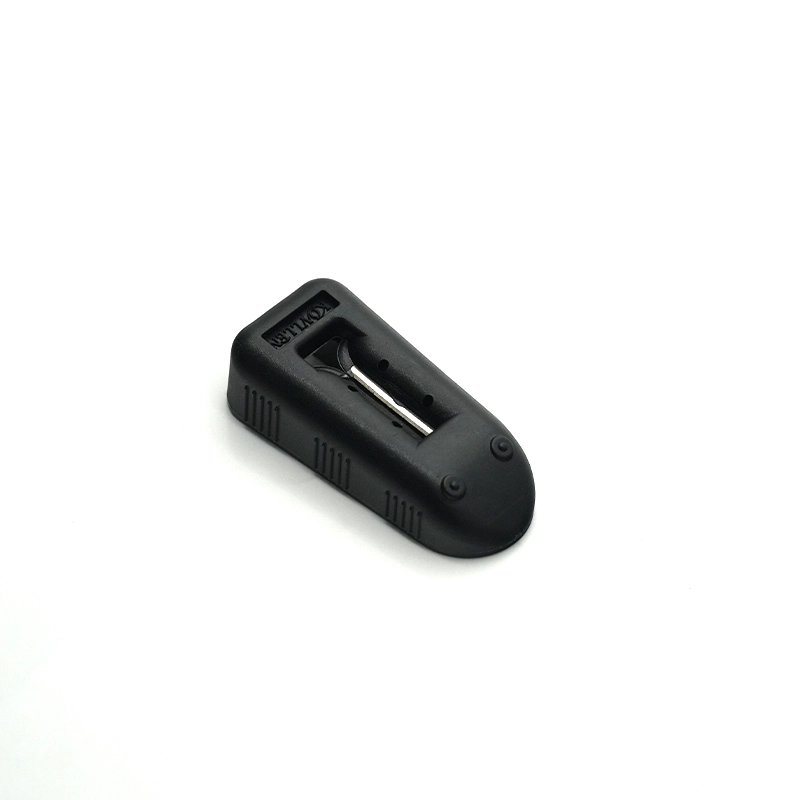
The plastic plug manufactured by Insert molding with stainless steel plate
More Details →
The plastic plug manufactured by Insert molding with stainless steel plate
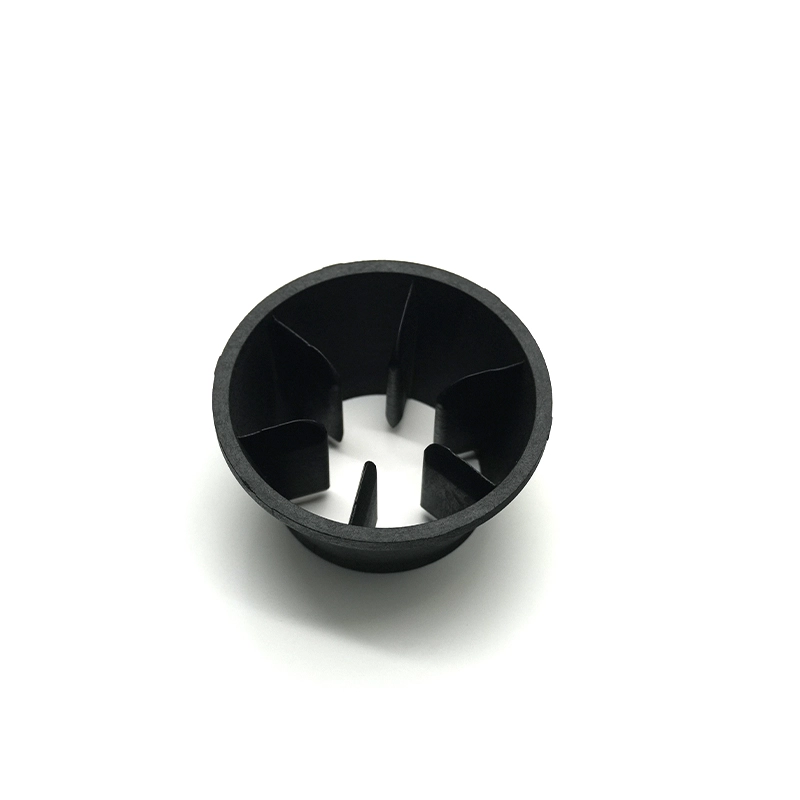
The Bost custom PPO flow valve by injection molding
More Details →
The Bost custom PPO flow valve by injection molding
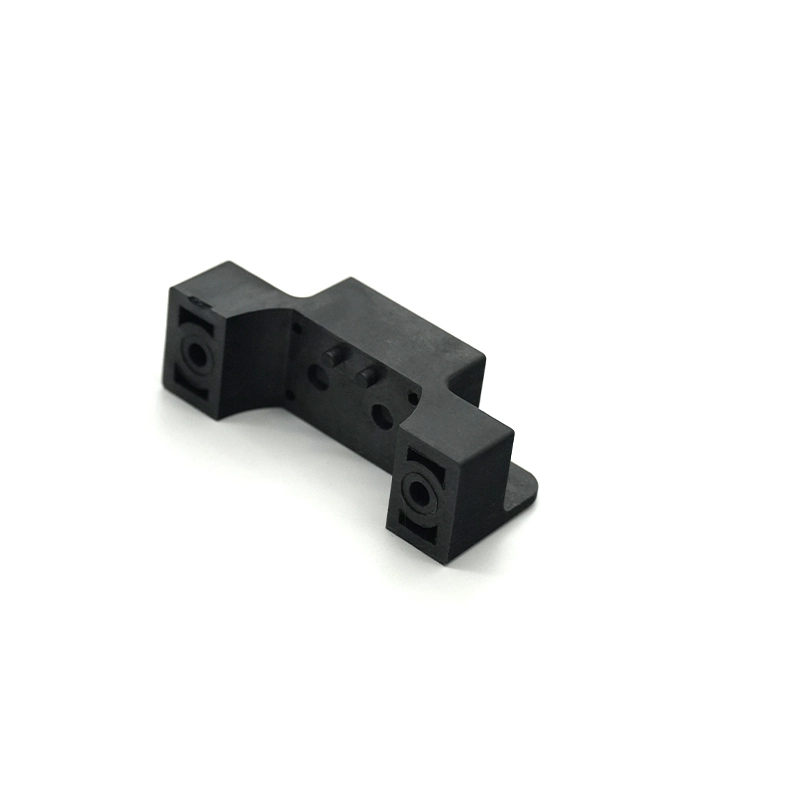
The Bost custom plastic handle by injection molding with high performance PPS material
More Details →
The Bost custom plastic handle by injection molding with high performance PPS material
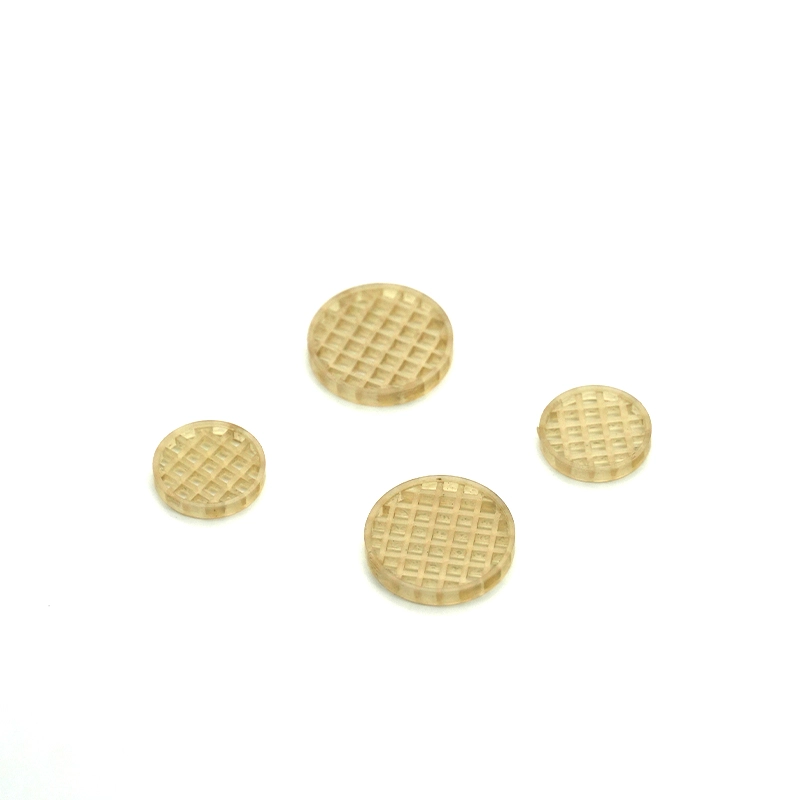
The Bost custom flow meter by injection molding with PES plastic
More Details →
The Bost custom flow meter by injection molding with PES plastic
Leave a Message
Have any questions or concerns about our products? Please leave us a message here, and our team will get back to you promptly.

24 hours quotes delivered
Submit CAD files, get quote in 24 hours

No MOQ required
From prototyping to high-volume

±0.02 mm Precision
Advanced CNC with full inspections

1,000+ tons in stock
26 materials ready to ship
© 2026 BOST. All Rights Reserved.