
 Scan QR Code
Send My Request
Ultimate Guide: How to Enhance Product Performance and Reduce Costs via Insert Molding Optimization
2026-03-15
Discover how to enhance product performance and reduce costs with Bost’s expert tips on Insert Molding optimization. This guide covers key strategies to improve manufacturing efficiency and quality, helping your business achieve superior results and cost savings.
In the realm of modern precision manufacturing, finding a solution that balances structural integrity with design complexity is a constant pursuit for product managers and engineers. Insert Molding, an advanced process that integrates pre-formed parts—often metal or other plastics—into a single component by injecting molten resin, has become the preferred choice for automotive electronics, medical devices, and high-end consumer electronics.However, for many global B2B buyers, insert molding is far more complex than simply "placing an insert into a mold." How do you maintain high precision while managing different thermal expansion coefficients? How do you prevent insert displacement and maximize production efficiency? This article delves into the technical nuances of Insert Molding and shares the optimization expertise cultivated at GZ-Bost.What is Insert Molding? Why is it Essential for B2B Manufacturing?Insert Molding is the process where a non-plastic component (typically brass nuts, stainless steel pins, ceramics, or even PCBs) is placed into the mold cavity prior to injection. Once the molten resin is injected and solidified, the insert becomes permanently encapsulated within the plastic part.Compared to traditional secondary assembly, Insert Molding offers several distinct advantages:Superior Structural Strength: The bond formed by encapsulating an insert is significantly stronger than post-molding welding or gluing.Reduced Component Size: Integrated designs eliminate the need for extra fasteners, allowing for lighter and more compact products.Lower Assembly Costs: By removing labor-intensive assembly steps, manufacturers can reduce both overhead costs and potential human error.Core Technical Challenges in the Insert Molding ProcessWhile the benefits are vast, the Insert Molding process is fraught with technical "traps" that can lead to high scrap rates if not managed by experts.1. Precise Positioning and Securing of InsertsDuring the high-pressure injection phase, the shear force of the molten plastic is immense. Without a robust securing mechanism within the mold design, inserts can shift by microns, leading to electrical failure or structural interference. At GZ-Bost, we utilize precision vacuum suction or hydraulic pin positioning to ensure a repeatability of within $\pm 0.02mm$.2. Thermal Stress and Material CompatibilityMetal inserts and plastic resins have vastly different Coefficients of Thermal Expansion (CTE). During the cooling phase, uneven shrinkage can create internal stress around the insert, leading to "stress cracking." The key to solving this is precise material selection and pre-heating the inserts to narrow the temperature gradient during the cycle.3. Flash Control and Tolerance ManagementSince the inserts themselves carry dimensional tolerances, the gap between the mold and the insert must be perfectly calibrated. A gap too large results in "flash" (excess plastic), while a gap too tight may damage the insert. This necessitates ultra-high-precision mold base machining.Professional Tips for Optimizing Insert Molding EfficiencyAs seasoned experts in the injection molding industry, we recommend optimizing your projects through the following dimensions:Scientific Mold DesignHigh-stakes Insert Molding projects rely heavily on Moldflow Analysis. By simulating the injection path, we can predict air traps and weld lines, allowing us to optimize the gate design to avoid fragile pins and ensure uniform pressure distribution.Integration of AutomationIn large-scale B2B production, manual placement of inserts is not only inefficient but also risks contamination from oils or static electricity. GZ-Bost extensively utilizes multi-axis robotic arms paired with Vertical Injection Molding Machines to achieve second-level precision, ensuring consistent cycle times and peak quality.Rigorous DFM ReviewAt the start of every project, we engage in deep DFM (Design for Manufacturing) consultations. For instance, we may suggest adding knurling or grooves to the metal insert surface to enhance mechanical anchoring. These small details often dictate the ultimate lifespan of the product.Why Choose GZ-Bost as Your Insert Molding Partner?At GZ-Bost, we do more than just manufacture plastic parts; we provide comprehensive engineering solutions. For Insert Molding, we have established a rigorous quality control ecosystem:High-Precision Equipment: Equipped with high-speed CNC and Sodick EDM machines to ensure mold accuracy.Automated Production Lines: Minimizing human intervention to increase output stability.Cross-Industry Expertise: From automotive connectors to precision medical catheters, we possess the data-driven experience to handle hundreds of complex insert types.ConclusionInsert Molding is an art that balances precision engineering with material science. By optimizing mold structures, selecting the right resins, and implementing automated inspections, your products can achieve better performance and a significant cost advantage in the market.If you are developing a new project or struggling with high defect rates in your current production, contact our expert team today.Visit GZ-Bost Official Website for a free technical consultation and an accurate quote. Let us empower your precision manufacturing journey!
Recommended for you
Ultimate Guide: Selecting High-Performance Rubber Seals to Optimize Equipment Longevity
Goodbye Peeling and Cracking: How Over Molding Perfectly Achieves Seamless Multi-Material Integration
Conquering Corrosion and High Heat: Core Processes and Pitfall Guide for Fluoroplastic Precision Injection Molding
Goodbye Material Selection Blind Spots: How to Achieve Cost Reduction and Lightweighting Through the Right Engineering Plastic
Prdoucts Categories
FAQ
FAQs
Can Bost customize modified plastics with special properties?
Yes! We offer modification services such as reinforcement, flame retardancy, conductivity, wear resistance, and UV resistance, for example:
• Adding carbon fiber to enhance stiffness
• Reducing the coefficient of friction through PTFE modification
• Customizing food-grade or medical-grade certified materials
What are the core advantages of Bost engineering plastics compared to ordinary plastics?
Bost engineering plastics feature ultra-high mechanical strength, high-temperature resistance (-50°C to 300°C), chemical corrosion resistance, and wear resistance. Compared to ordinary plastics, their service life is extended by 3 to 8 times, making them suitable for replacing metals in harsh environments.
How do I select the appropriate engineering plastic grade for my product?
Selection should be based on parameters such as load conditions (e.g., pressure/friction), temperature range, medium contact (e.g., oil/acid), and regulatory requirements (e.g., FDA/RoHS). Our engineers can provide free material selection consulting and sample testing.
What is the delivery lead time? Do you offer global logistics?
Standard products: 5–15 working days; custom modifications: 2–4 weeks. We support global air/sea freight and provide export customs clearance documents (including REACH/UL certifications).
What is the minimum order quantity (MOQ)? Do you support small-batch trial production?
The MOQ for standard products is ≥100kg. We support small-batch trial production (as low as 20kg) and provide mold testing reports and performance data feedback.
You may also like
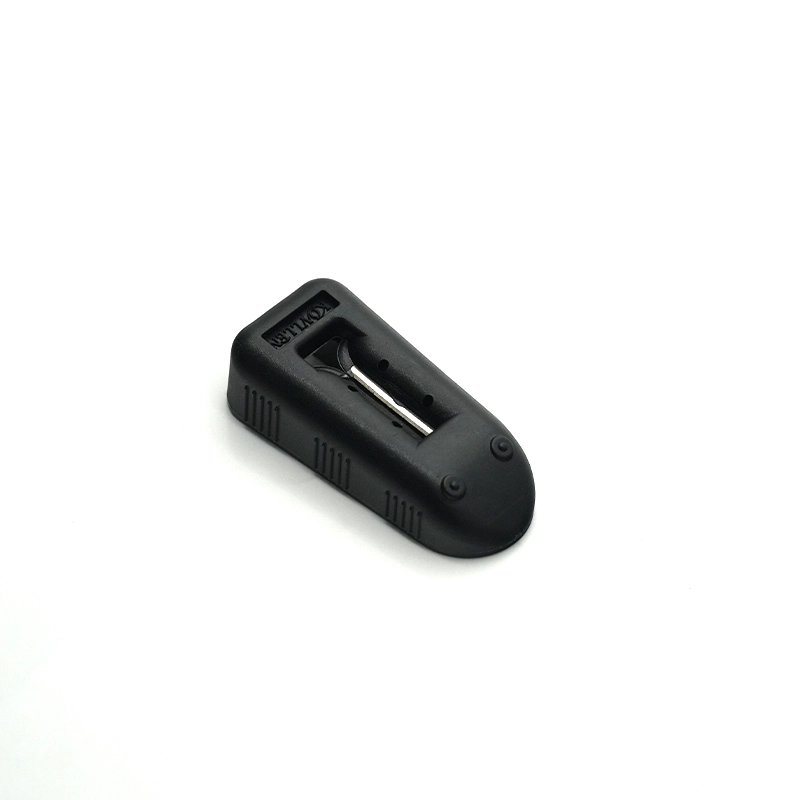
The plastic plug manufactured by Insert molding with stainless steel plate
More Details →
The plastic plug manufactured by Insert molding with stainless steel plate
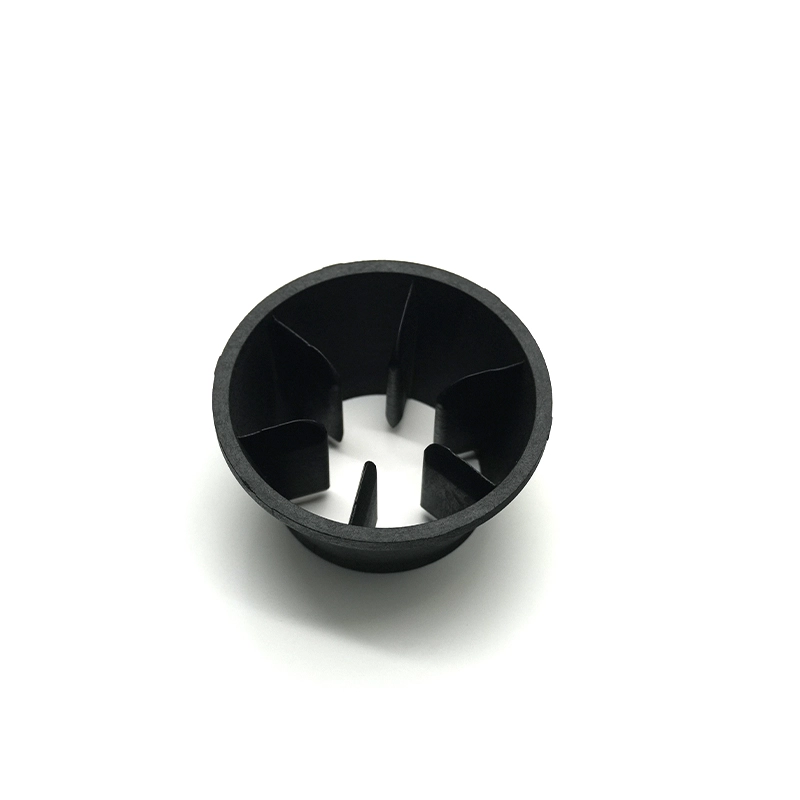
The Bost custom PPO flow valve by injection molding
More Details →
The Bost custom PPO flow valve by injection molding
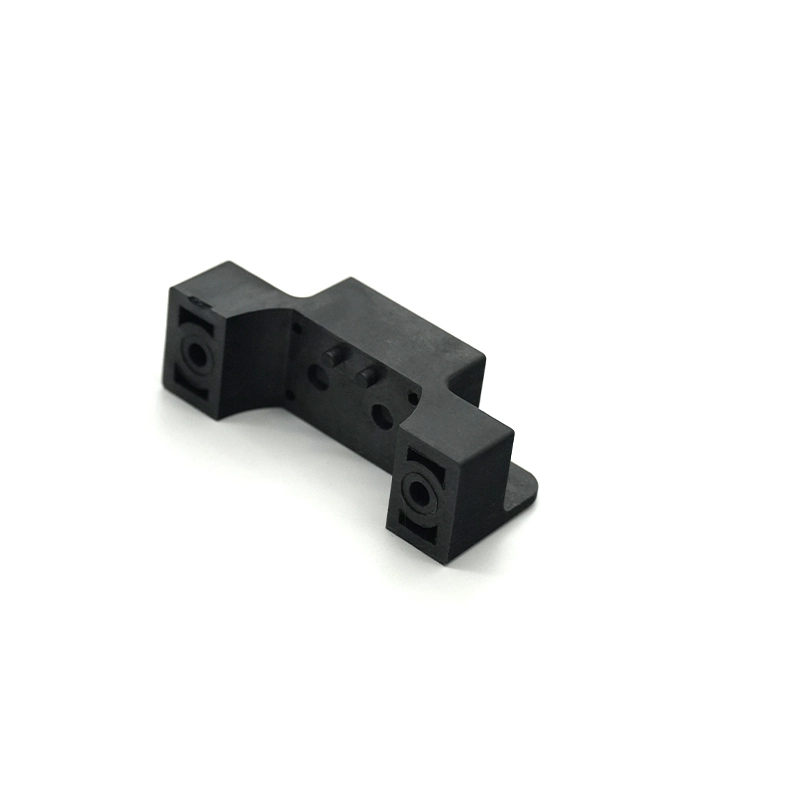
The Bost custom plastic handle by injection molding with high performance PPS material
More Details →
The Bost custom plastic handle by injection molding with high performance PPS material
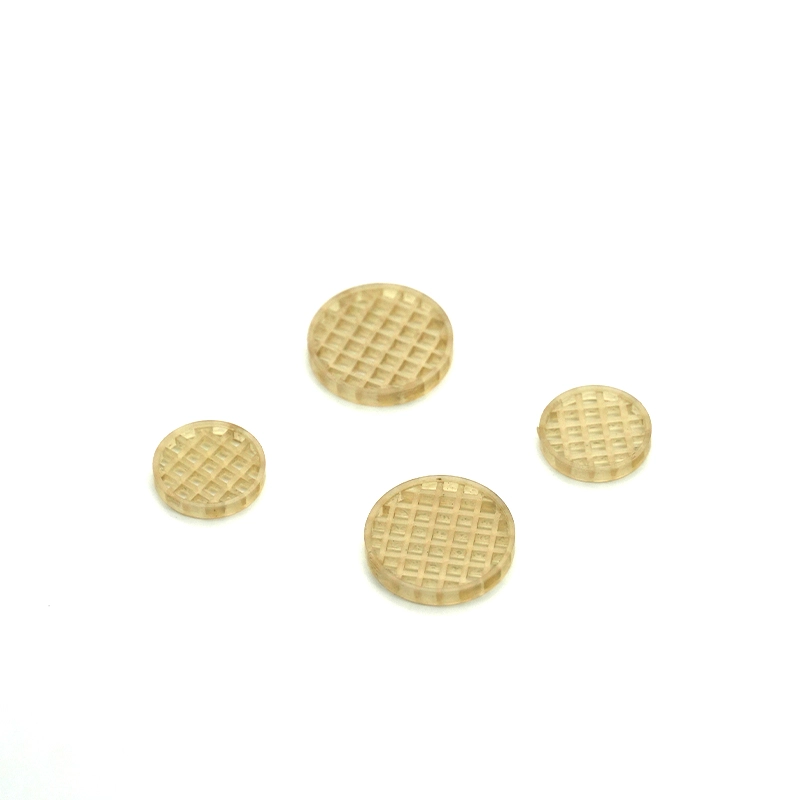
The Bost custom flow meter by injection molding with PES plastic
More Details →
The Bost custom flow meter by injection molding with PES plastic
Leave a Message
Have any questions or concerns about our products? Please leave us a message here, and our team will get back to you promptly.

24 hours quotes delivered
Submit CAD files, get quote in 24 hours

No MOQ required
From prototyping to high-volume

±0.02 mm Precision
Advanced CNC with full inspections

1,000+ tons in stock
26 materials ready to ship
© 2026 BOST. All Rights Reserved.