




 Scan QR Code
Send My Request
The Ultimate Guide to Special Engineering Plastics Injection Molding Selection: How to Choose the Right Material Under Extreme Conditions?
2026-04-08
Discover Bost’s expert guide to selecting special engineering plastics for injection molding under extreme conditions. Learn how to choose the right PEEK injection molding materials and explore our top-quality PEEK injection molding services for durable, high-performance solutions.
- Comparison of Core Special Engineering Plastics Performance and Applications
- Selection in Practice: Three Major Dimensions Engineering Teams Must Consider
- 1. Are there hidden "fatal factors" in your application environment?
- 2. Is the material's shrinkage rate within the controllable range of the mold design?
- 3. Does your injection molding partner have the hard power to "master" these materials?
- Let Expert Experience Safeguard Your Project
In the field of precision manufacturing, finding a material that can simultaneously meet the requirements of "lightweight," "extreme high-temperature resistance," and "high mechanical strength" is often the most headache-inducing part at the beginning of a project. Metals are heavy and expensive to process, while general-purpose plastics cannot withstand harsh industrial environments.
The emergence of Special Engineering Plastics perfectly fills this gap. However, there is a wide variety of these polymers at the top of the material pyramid, and their respective physical properties and injection molding process requirements differ vastly. Choosing the wrong material will not only lead to the scrapping of expensive molds but may also trigger catastrophic product failures in end-use applications.
This guide will clearly outline the most mainstream high-end special plastics to help your engineering team make the most precise decisions in the early stages of a project.
Comparison of Core Special Engineering Plastics Performance and Applications
To help you quickly build an understanding of the material system, we have compiled a parameter comparison of the mainstream Special Engineering Plastics across core dimensions below. This is a "pitfall avoidance map" verified by countless real-world injection molding battles:
| Material Abbreviation (Full Name) | Long-term Continuous Service Temp. | Core Performance "Trump Card" | Core Injection Molding Pain Point (Process Difficulty) | Typical Application Scenarios |
|
PEEK (Polyetheretherketone) |
250°C - 260°C | The king of comprehensive performance. Extremely high tensile strength, wear resistance, and very low smoke emission. | Extremely high melting point. Requires the injection molding machine barrel temperature to reach 380°C-400°C, and demands extremely stringent mold temperature control. | Aerospace bearings, artificial bone implants, semiconductor wafer carriers |
|
PPS (Polyphenylene Sulfide) |
200°C - 220°C | The "plastic gold" of chemical corrosion resistance. Immune to most acid and alkali solvents, naturally flame retardant. | Slower crystallization speed. Highly prone to flash (burrs), requiring extremely high mold venting and precision. | Automotive engine peripheral structural parts, chemical pump valves, water treatment components |
|
PEI (Polyetherimide) |
170°C - 180°C | Excellent wave transmission and dimensional stability. Strong creep resistance, maintaining outstanding rigidity even at high temperatures. | Highly prone to moisture absorption. Requires strict high-temperature baking and dehumidification before injection molding; otherwise, silver streaks and splay marks easily occur. | 5G communication antennas, fiber optic connectors, medical surgical instrument handles |
|
LCP (Liquid Crystal Polymer) |
240°C - 280°C | Extreme fluidity. Can smoothly fill even in extremely tiny spaces with a wall thickness of only 0.1mm. | Obvious anisotropy. The difference in shrinkage parallel and perpendicular to the molecular alignment is massive, easily causing product warpage and deformation. | Miniature electronic connectors (Type-C), high-frequency circuit board components, micro-motor parts |
Selection in Practice: Three Major Dimensions Engineering Teams Must Consider
After referencing the table above, to truly translate materials into mass-produced parts, you also need to ask yourself the following three key questions during the design phase:
1. Are there hidden "fatal factors" in your application environment?
Don't just focus on temperature parameters. If your product needs to be exposed to ultraviolet rays for a long time (like outdoor base stations) or undergo repeated high-temperature and high-pressure steam sterilization (like medical devices), the performance of certain materials will degrade exponentially. For instance, PEI can perfectly withstand thousands of high-pressure sterilizations for medical devices, while some common high-temperature nylons might undergo hydrolysis.
2. Is the material's shrinkage rate within the controllable range of the mold design?
Many engineers like to add 30% or 40% glass fiber (GF) or carbon fiber (CF) to the material to enhance rigidity. However, you must be vigilant that the addition of fibers will completely change the flow behavior and shrinkage rate of the plastic in the mold cavity. Taking LCP as an example, the fiber-reinforced material is highly prone to severe warpage due to uneven internal stress distribution. This requires the manufacturing plant to conduct precise DFM (Design for Manufacturability) and mold flow analysis in the early stages, offsetting deformation by optimizing gate locations and cooling channels.
3. Does your injection molding partner have the hard power to "master" these materials?
The expensiveness of Special Engineering Plastics is not only reflected in raw material prices but also in their demanding requirements on production equipment. Molding these materials requires injection molding machines equipped with extremely wear-resistant bimetallic screws, high-temperature oil controllers capable of heating above 200°C, and experienced setup technicians to precisely control injection speed and holding pressure curves. Ordinary workshops often fail during the mold trial phase.
Let Expert Experience Safeguard Your Project
Choosing the right Special Engineering Plastics is a gamble involving cost, performance, and yield rate. Theoretical data is always just a reference; the actual molding process is the key that determines the life or death of a product.
If you are evaluating a new project that challenges extreme environments or facing yield bottlenecks in your current injection molding production, please do not grope in the dark alone. Guangzhou Bost (Bost) has over a decade of experience in precision injection molding and mold design. We are proficient in the molding processes of various top-tier materials, from PEEK to LCP.
Welcome to visit our website https://www.gz-bost.com, submit your 3D drawings or project requirements, and our technical experts will provide you with detailed material selection advice and customized quotation solutions within 24 hours.
Recommended for you
The Peak Art of Custom Manufacturing According to Drawings: Comprehensive Guide to Precision Solutions for Custom Parts According to Drawing
Ending Mechanical Wear and Resonance: The Comprehensive Guide to Precision Customization and Mass Production of a Custom Rubber Pad
The Ultimate Armor for Smart Hardware: Advanced Customization and Precision Injection Molding Guide for a Custom Plastic Box
The Ultimate Weapon to Tame Vibration and Noise: Deep Dive into the Custom Process and Mass Production Logic of a Custom Rubber Bushing
Product Categories
FAQ
FAQs
Can Bost customize modified plastics with special properties?
Yes! We offer modification services such as reinforcement, flame retardancy, conductivity, wear resistance, and UV resistance, for example:
• Adding carbon fiber to enhance stiffness
• Reducing the coefficient of friction through PTFE modification
• Customizing food-grade or medical-grade certified materials
What are the core advantages of Bost engineering plastics compared to ordinary plastics?
Bost engineering plastics feature ultra-high mechanical strength, high-temperature resistance (-50°C to 300°C), chemical corrosion resistance, and wear resistance. Compared to ordinary plastics, their service life is extended by 3 to 8 times, making them suitable for replacing metals in harsh environments.
What is the minimum order quantity (MOQ)? Do you support small-batch trial production?
The MOQ for standard products is ≥100kg. We support small-batch trial production (as low as 20kg) and provide mold testing reports and performance data feedback.
What is the delivery lead time? Do you offer global logistics?
Standard products: 5–15 working days; custom modifications: 2–4 weeks. We support global air/sea freight and provide export customs clearance documents (including REACH/UL certifications).
How do I select the appropriate engineering plastic grade for my product?
Selection should be based on parameters such as load conditions (e.g., pressure/friction), temperature range, medium contact (e.g., oil/acid), and regulatory requirements (e.g., FDA/RoHS). Our engineers can provide free material selection consulting and sample testing.
You may also like
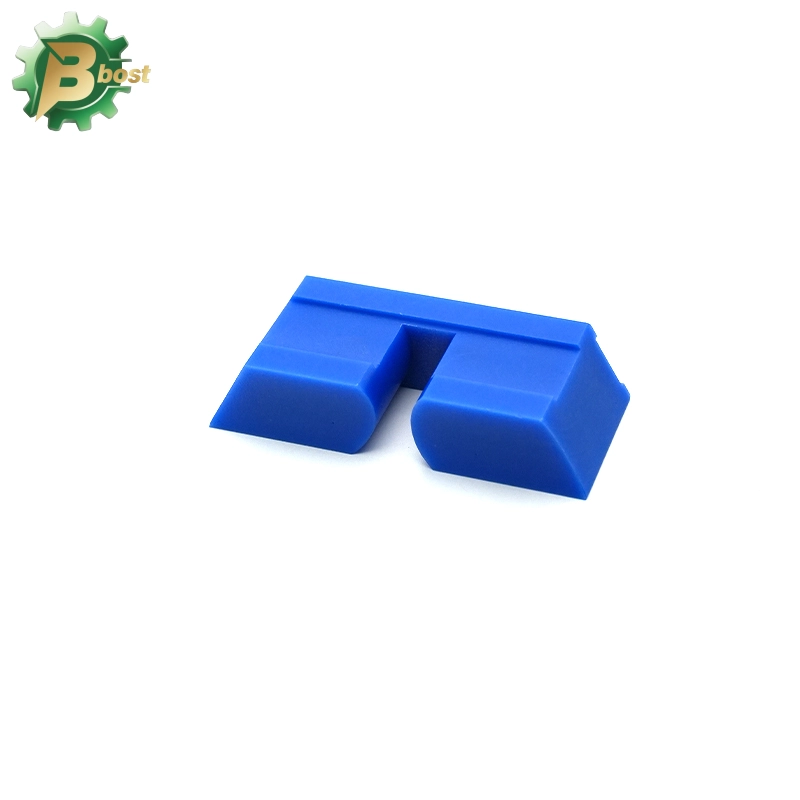
Custom Plastic Knobs Precision Injection Molded
More Details →
Custom Plastic Knobs Precision Injection Molded
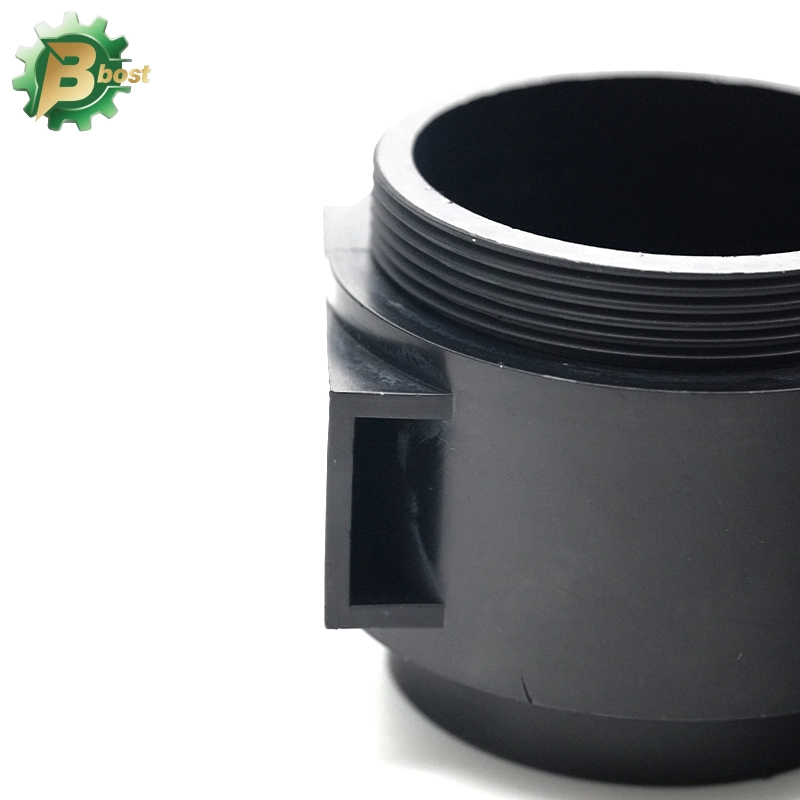
Custom Injection Molded Parts from Drawings
More Details →
Custom Injection Molded Parts from Drawings
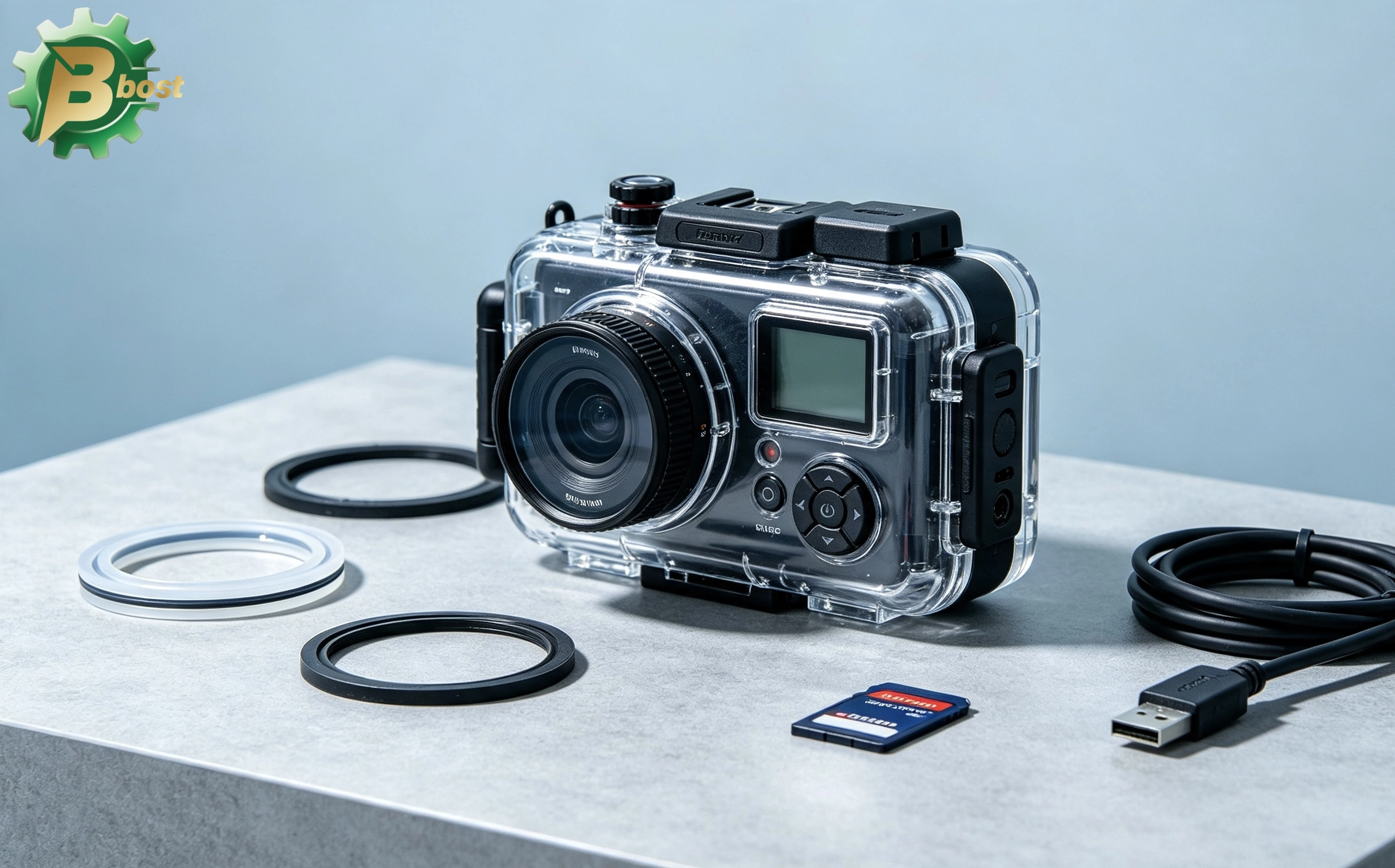
Underwater Camera Shell Custom Plastic Molding
More Details →
Underwater Camera Shell Custom Plastic Molding
Leave a Message
Have any questions or concerns about our products? Please leave us a message here, and our team will get back to you promptly.

24 hours quotes delivered
Submit CAD files, get quote in 24 hours

No MOQ required
From prototyping to high-volume

±0.02 mm Precision
Advanced CNC with full inspections

1,000+ tons in stock
26 materials ready to ship
© 2026 BOST. All Rights Reserved.