




 Scan QR Code
Send My Request
In-Depth Analysis: Optimizing Your Supply Chain Cost and Performance with High-Quality Custom Plastic Parts
2026-04-08
Discover how Bost, a leading custom plastic parts manufacturer, helps optimize your supply chain cost and performance with high-quality custom plastic parts. Enhance efficiency and reduce expenses through tailored solutions designed to meet your unique business needs.
- 1. Why "Customization" is More Than Just Changing Shapes
- The Core Pain Point: The Gap Between Design and Manufacturing
- 2. The Three Pillars of High-Quality Custom Plastic Parts
- Precision Mold Design
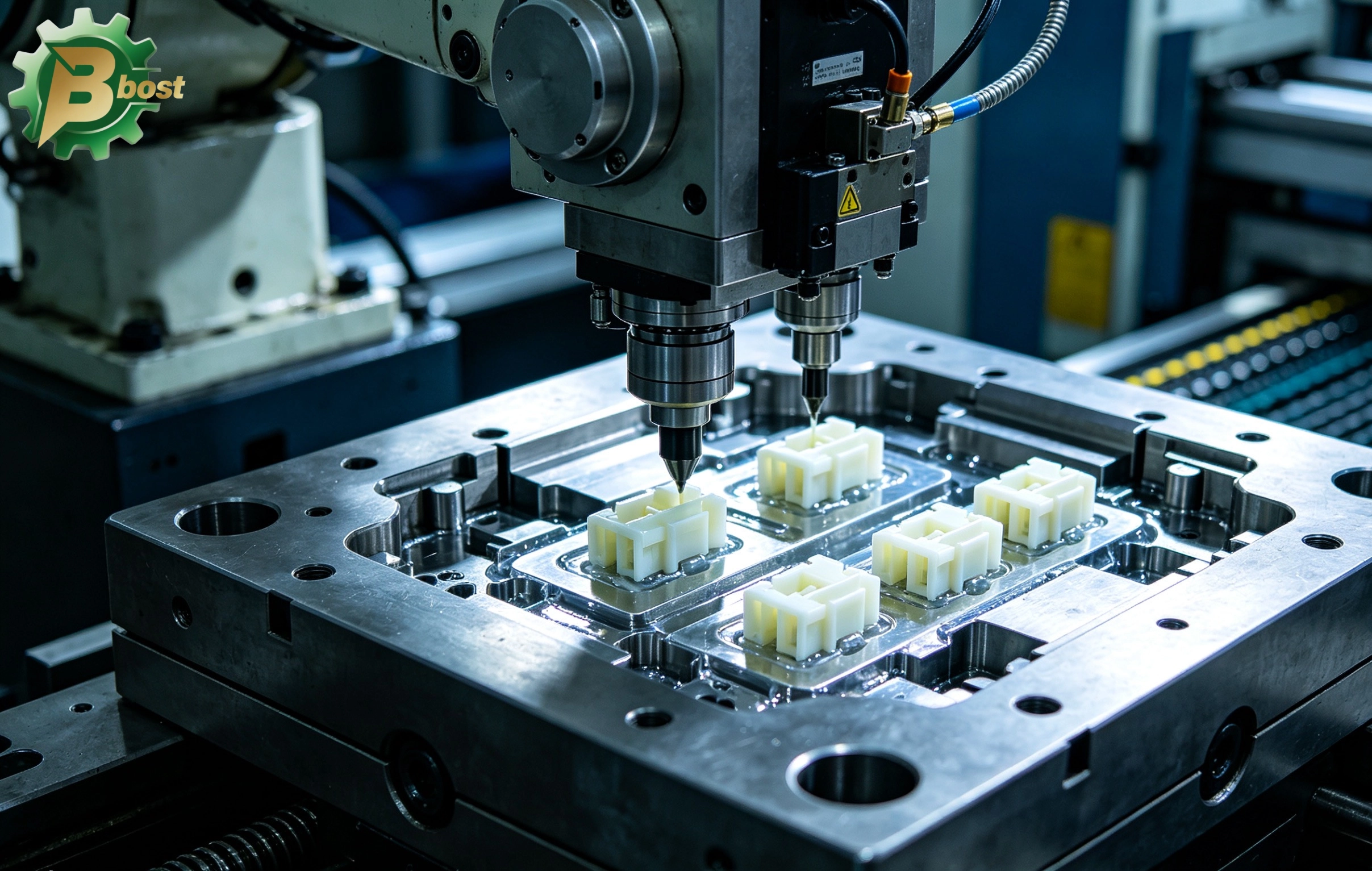
- Scientific Injection Molding
- Rigorous Quality Control (QC)
- 3. How to Choose the Right Materials to Enhance Competitiveness?
- 4. The Hidden Path to Reducing Procurement Costs for Custom Plastic Parts
- Conclusion: Let Your Ideas Land Precisely in Plastic
In today's global manufacturing landscape, finding a partner capable of consistently delivering custom plastic parts is no longer just a numbers game based on unit price. From initial prototyping to final mass production, every step harbors variables that can impact your Time-to-Market and brand reputation. As a procurement professional, have you ever felt the anxiety caused by frequent mold modifications, excessive shrinkage rates, or supply chain disruptions?
This article will analyze, from the perspective of a senior injection molding expert, how to ensure your custom plastic parts achieve or even exceed performance standards while remaining cost-effective through precise process selection and mold design.
1. Why "Customization" is More Than Just Changing Shapes
When we talk about custom plastic parts, the core lies in "precise adaptation." Unlike generic plastic components, custom parts often carry specific requirements for mechanical strength, chemical stability, and aesthetic texture.
The Core Pain Point: The Gap Between Design and Manufacturing
Many startups or engineers overlook "Design for Manufacturing (DFM)" when designing custom plastic parts. For instance, unreasonable wall thickness designs can lead to sink marks, or a lack of draft angles can cause surface scratches during ejection. At GZ-BOST, we emphasize getting involved at the earliest stages of a project to predict potential defects like air traps and weld lines through professional simulation software.
2. The Three Pillars of High-Quality Custom Plastic Parts
To create top-tier custom plastic components, a balance must be found between the injection molding process, precision injection equipment, and mold design.
Precision Mold Design
The mold is the soul of injection molding. For high-precision custom plastic parts, the choice of mold steel (such as S136 or H13) and the layout of the cooling system are critical. If cooling is uneven, the product will suffer from severe warpage after demolding. We know that saving on mold costs often means paying a higher price in defect rates across tens of thousands of future production cycles.
Scientific Injection Molding
During the production of custom plastic parts, fine-tuning parameters determines the consistency of the final product. The combination of pressure, temperature, and time—known as the "molding window"—must be determined through multiple sampling and testing phases. Especially for specialty engineering plastics like PEEK or PPS, the control precision of process parameters needs to reach microsecond levels.
Rigorous Quality Control (QC)
In B2B trade, trust is built on the consistency of every batch. From the drying treatment of incoming raw materials to automated visual inspection during production and final dimensional checks, every step is designed to ensure that the custom plastic parts delivered to customers perfectly match the blueprint requirements.
3. How to Choose the Right Materials to Enhance Competitiveness?
Material selection is the foundation of success for custom plastic parts. Facing hundreds of plastic resins, how do you balance performance and cost?
-
Durability Requirements: If your parts need to operate in extreme temperatures or chemically corrosive environments, modified PA66 or high-performance polymers are the top choices.
-
Aesthetic Requirements: For custom plastic parts in consumer electronics, ABS or PC/ABS alloys offer better surface gloss and paint adhesion.
-
Lightweight Trends: In the automotive and drone industries, replacing steel with plastic through fiber-reinforced resins has become mainstream.
4. The Hidden Path to Reducing Procurement Costs for Custom Plastic Parts
Many procurement managers are accustomed to asking for the lowest quote, but true cost optimization comes from efficiency.
-
Shortening the Cycle Time: Excellent mold design can significantly reduce cooling times. In an order of millions, even a 1-second reduction in the cycle time per piece can save you immense costs.
-
One-Stop Solutions: Choosing a supplier that can provide everything from design suggestions and precision injection molding to subsequent silk-screening and assembly can greatly reduce cross-factory logistics costs and communication risks.
-
Predictive Maintenance: Partnering with a factory that has a robust mold maintenance mechanism avoids production crises caused by mold damage, ensuring your custom plastic parts supply chain remains rock-solid.
Conclusion: Let Your Ideas Land Precisely in Plastic
In a fast-iterating market, your product needs a manufacturing base that understands technology, values quality, and responds quickly. The production process of custom plastic parts is full of technical challenges, but as long as you find the right partner, these challenges can be transformed into your market advantage.
If you are looking for a reliable injection molding solution for your next project, or if you have hit a bottleneck in improving the quality of existing products, please visit the GZ-BOST Official Website for a one-on-one technical consultation with our senior engineers. We provide a one-stop service from DFM analysis to global delivery, helping your custom plastic parts stand out in the global market.
Recommended for you
The Peak Art of Custom Manufacturing According to Drawings: Comprehensive Guide to Precision Solutions for Custom Parts According to Drawing
Ending Mechanical Wear and Resonance: The Comprehensive Guide to Precision Customization and Mass Production of a Custom Rubber Pad
The Ultimate Armor for Smart Hardware: Advanced Customization and Precision Injection Molding Guide for a Custom Plastic Box
The Ultimate Weapon to Tame Vibration and Noise: Deep Dive into the Custom Process and Mass Production Logic of a Custom Rubber Bushing
Product Categories
FAQ
FAQs
What are the core advantages of Bost engineering plastics compared to ordinary plastics?
Bost engineering plastics feature ultra-high mechanical strength, high-temperature resistance (-50°C to 300°C), chemical corrosion resistance, and wear resistance. Compared to ordinary plastics, their service life is extended by 3 to 8 times, making them suitable for replacing metals in harsh environments.
What is the minimum order quantity (MOQ)? Do you support small-batch trial production?
The MOQ for standard products is ≥100kg. We support small-batch trial production (as low as 20kg) and provide mold testing reports and performance data feedback.
Can Bost customize modified plastics with special properties?
Yes! We offer modification services such as reinforcement, flame retardancy, conductivity, wear resistance, and UV resistance, for example:
• Adding carbon fiber to enhance stiffness
• Reducing the coefficient of friction through PTFE modification
• Customizing food-grade or medical-grade certified materials
What is the delivery lead time? Do you offer global logistics?
Standard products: 5–15 working days; custom modifications: 2–4 weeks. We support global air/sea freight and provide export customs clearance documents (including REACH/UL certifications).
How do I select the appropriate engineering plastic grade for my product?
Selection should be based on parameters such as load conditions (e.g., pressure/friction), temperature range, medium contact (e.g., oil/acid), and regulatory requirements (e.g., FDA/RoHS). Our engineers can provide free material selection consulting and sample testing.
You may also like
Custom Plastic Knobs Precision Injection Molded
More Details →
Custom Plastic Knobs Precision Injection Molded
Custom Injection Molded Parts from Drawings
More Details →
Custom Injection Molded Parts from Drawings
Underwater Camera Shell Custom Plastic Molding
More Details →
Underwater Camera Shell Custom Plastic Molding
Leave a Message
Have any questions or concerns about our products? Please leave us a message here, and our team will get back to you promptly.

24 hours quotes delivered
Submit CAD files, get quote in 24 hours

No MOQ required
From prototyping to high-volume

±0.02 mm Precision
Advanced CNC with full inspections

1,000+ tons in stock
26 materials ready to ship
© 2026 BOST. All Rights Reserved.