




 Scan QR Code
Send My Request
How do processing methods affect plastic properties?
2026-01-29
Explore essential questions about engineered plastics, their properties, processing methods, and considerations for procurement.
Engineered plastics, also known as high-performance polymers, are materials designed to offer superior mechanical, thermal, and chemical properties compared to standard plastics. They are integral in various industries, including automotive, aerospace, and electronics, due to their enhanced performance characteristics.
What Are Engineered Plastics?
Engineered plastics are a subset of polymers engineered to provide enhanced mechanical, thermal, and chemical properties. They are designed to perform under demanding conditions, offering advantages such as higher strength, stiffness, and resistance to heat and chemicals compared to standard plastics. Common examples include Polyetheretherketone (PEEK), Polyphenylene Sulfide (PPS), and Polyamide (PA).
How Do Processing Methods Affect Plastic Properties?
The processing methods employed in manufacturing engineered plastics significantly influence their final properties. Techniques such as injection molding, extrusion, and compression molding can alter characteristics like tensile strength, impact resistance, and dimensional stability. For instance, injection molding allows for complex shapes with high precision, while extrusion is efficient for producing continuous profiles like pipes and sheets. ((https://www.gz-bost.com/common-processing-methods-engineering-plastics.html))
What Are the Common Processing Methods for Engineered Plastics?
Several processing methods are utilized to fabricate engineered plastics, each affecting the material's properties differently:
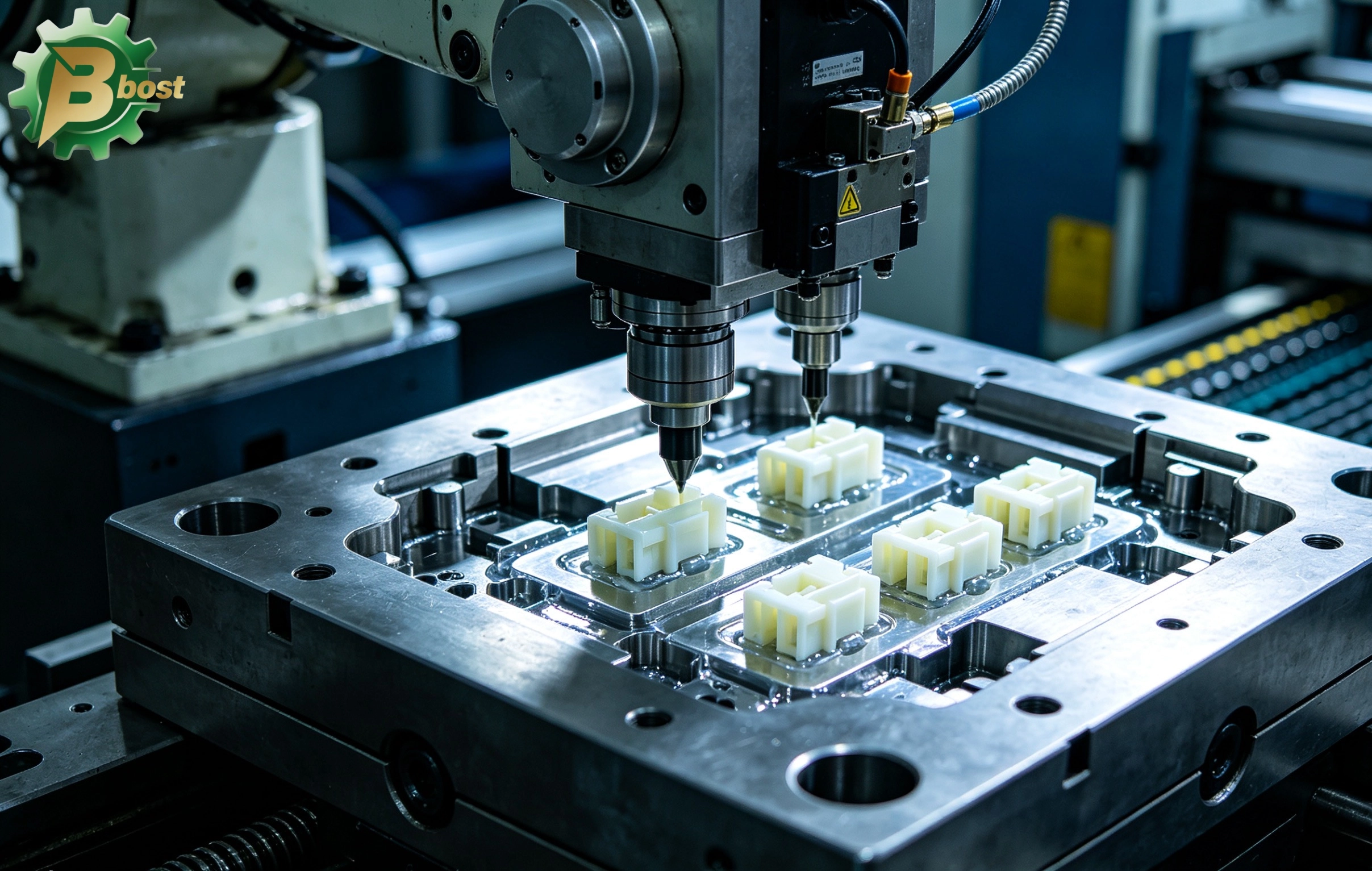
Injection Molding: Involves injecting heated plastic into a mold cavity under high pressure, suitable for producing complex shapes with high precision. ((https://www.gz-bost.com/common-processing-methods-engineering-plastics.html))
Extrusion: Forces melted plastic through a die to create continuous profiles such as pipes, sheets, and films.
Compression Molding: Used for certain high-temperature polymers or large simple shapes, involving placing a preheated polymer into a mold cavity and applying pressure.
How Do Material Properties Influence Processing Temperature Settings?
Material characteristics like crystallinity, thermal stability, and viscosity directly impact the optimal processing temperatures. For crystalline materials such as polyethylene (PE) and polypropylene (PP), the processing temperature should be higher than the melting point to ensure full melting and good fluidity. For example, high-density polyethylene (HDPE) has a melting point of 130-137°C, with a processing temperature around 200-280°C.
What Are the Mechanical Properties of Common Engineered Plastics?
Different engineered plastics exhibit varying mechanical properties:
PTFE (Polytetrafluoroethylene): Offers excellent chemical resistance and low friction, suitable for seals and gaskets. ((https://www.gz-bost.com/engineering-plastics-guide-1.html))
PPS (Polyphenylene Sulfide): Known for high strength and rigidity, used in electrical components and pump parts. ((https://www.gz-bost.com/engineering-plastics-guide-1.html))
UHMWPE (Ultra-High-Molecular-Weight Polyethylene): Provides excellent wear resistance and is used in wear pads and impact parts. ((https://www.gz-bost.com/engineering-plastics-guide-1.html))
How Do Processing Parameters Affect the Mechanical Characteristics of PLA in 3D Printing?
In 3D printing, processing parameters such as build orientation and infill pattern/density significantly affect the mechanical properties of Polylactic Acid (PLA) components. Adjusting these parameters can optimize strength, flexibility, and durability, making PLA suitable for various applications.
What Are the Applications of Engineered Plastics?
Engineered plastics are utilized in a wide range of applications due to their enhanced properties:
Automotive Industry: Components like gears, bearings, and interior parts benefit from the strength and durability of engineered plastics.
Aerospace Sector: Lightweight and high-strength materials are essential for aircraft components, where engineered plastics are often employed.
Electronics Manufacturing: Housing and insulation materials require the electrical resistance and thermal stability provided by engineered plastics.
Conclusion
Understanding the properties and processing methods of engineered plastics is crucial for selecting the appropriate material for specific applications. By considering factors such as mechanical properties, processing techniques, and material characteristics, manufacturers can optimize product performance and reliability.
About Bost
Bost specializes in providing high-quality engineered plastics tailored to meet diverse industrial needs. With a focus on innovation and customer satisfaction, Bost offers a comprehensive range of materials and processing solutions to ensure optimal performance in various applications.
References:
Recommended for you
The Peak Art of Custom Manufacturing According to Drawings: Comprehensive Guide to Precision Solutions for Custom Parts According to Drawing
Ending Mechanical Wear and Resonance: The Comprehensive Guide to Precision Customization and Mass Production of a Custom Rubber Pad
The Ultimate Armor for Smart Hardware: Advanced Customization and Precision Injection Molding Guide for a Custom Plastic Box
The Ultimate Weapon to Tame Vibration and Noise: Deep Dive into the Custom Process and Mass Production Logic of a Custom Rubber Bushing
Product Categories
FAQ
FAQs
What is the delivery lead time? Do you offer global logistics?
Standard products: 5–15 working days; custom modifications: 2–4 weeks. We support global air/sea freight and provide export customs clearance documents (including REACH/UL certifications).
What are the core advantages of Bost engineering plastics compared to ordinary plastics?
Bost engineering plastics feature ultra-high mechanical strength, high-temperature resistance (-50°C to 300°C), chemical corrosion resistance, and wear resistance. Compared to ordinary plastics, their service life is extended by 3 to 8 times, making them suitable for replacing metals in harsh environments.
What is the minimum order quantity (MOQ)? Do you support small-batch trial production?
The MOQ for standard products is ≥100kg. We support small-batch trial production (as low as 20kg) and provide mold testing reports and performance data feedback.
Can Bost customize modified plastics with special properties?
Yes! We offer modification services such as reinforcement, flame retardancy, conductivity, wear resistance, and UV resistance, for example:
• Adding carbon fiber to enhance stiffness
• Reducing the coefficient of friction through PTFE modification
• Customizing food-grade or medical-grade certified materials
How do I select the appropriate engineering plastic grade for my product?
Selection should be based on parameters such as load conditions (e.g., pressure/friction), temperature range, medium contact (e.g., oil/acid), and regulatory requirements (e.g., FDA/RoHS). Our engineers can provide free material selection consulting and sample testing.
You may also like
Custom Plastic Knobs Precision Injection Molded
More Details →
Custom Plastic Knobs Precision Injection Molded
Custom Injection Molded Parts from Drawings
More Details →
Custom Injection Molded Parts from Drawings
Underwater Camera Shell Custom Plastic Molding
More Details →
Underwater Camera Shell Custom Plastic Molding
Leave a Message
Have any questions or concerns about our products? Please leave us a message here, and our team will get back to you promptly.

24 hours quotes delivered
Submit CAD files, get quote in 24 hours

No MOQ required
From prototyping to high-volume

±0.02 mm Precision
Advanced CNC with full inspections

1,000+ tons in stock
26 materials ready to ship
© 2026 BOST. All Rights Reserved.